Information
Landmark: Belle Mare RuinsCity: Belle Mare
Country: Mauritius
Continent: Africa
Belle Mare Ruins, Belle Mare, Mauritius, Africa
The Belle Mare Ruins are the stone remnants of a 19th-century colonial sugar estate located along the coastal road of Belle Mare in the Flacq district. They represent the industrial heritage of the eastern coast during the peak of the sugar industry in Mauritius.
Visual Characteristics
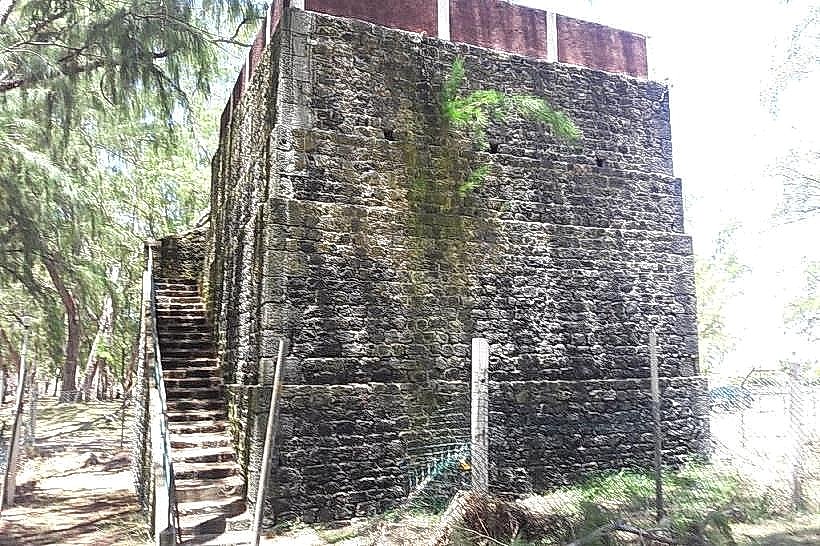
The site is dominated by a massive, free-standing basalt stone chimney and the skeletal remains of a sugar mill. The masonry consists of hand-cut volcanic rock blocks held together by lime mortar. The ruins are characterized by large arched entryways, thick foundation walls, and the encroachment of tropical vegetation and Banyan tree roots. The dark grey stone contrasts with the surrounding green fields and the turquoise ocean visible in the distance.
Location & Access Logistics
The ruins are situated on the B59 Coastal Road, positioned between the Belle Mare Public Beach and the village of Poste de Flacq.
Driving: Located directly on the roadside; most visitors stop on the shoulder of the road or use nearby beach parking.
Public Transport: Any coastal bus (Route 51 or 226) will pass the site; passengers should request a stop near the old mill.
Access: The site is open, unfenced, and free to explore at any time.
Historical & Ecological Origin
The ruins belong to the former Belle Mare Sugar Estate, which was established in the early 1800s. The mill was part of a network of over 250 sugar factories that once dotted the island. Following the centralization of sugar production in the late 19th and early 20th centuries, smaller mills like Belle Mare were decommissioned and their machinery moved to larger facilities. The structure has survived multiple cyclones due to the density of the basalt construction.
Key Highlights & Activities
The primary activity is historical photography, as the chimney is one of the most well-preserved examples on the east coast. Visitors can walk through the arched remains of the mill to observe the colonial construction techniques. It is a frequent stop for heritage tours and serves as a visual landmark for those traveling the coastal road.
Infrastructure & Amenities
There is no formal infrastructure at the site. There are no restrooms, visitor centers, or guided services. 4G/5G cellular signal is stable. Shade is provided by the stone walls and nearby trees. For amenities, visitors must travel 500 meters to the Belle Mare Public Beach, which offers toilets, showers, and food vendors.
Best Time to Visit
Optimal visiting hours are in the early morning (07:00–09:00) or late afternoon (16:00–18:00). The golden hour light emphasizes the texture of the basalt stones and provides better contrast for the chimney against the sky.
Facts & Legends
A common feature of such ruins in Mauritius is the "lime kiln" often found nearby, where coral was burned to produce the lime used in the mortar. Local lore occasionally associates these abandoned industrial sites with the spirits of the indentured laborers who once worked the fields, though no specific legends are officially documented for the Belle Mare site.
Nearby Landmarks
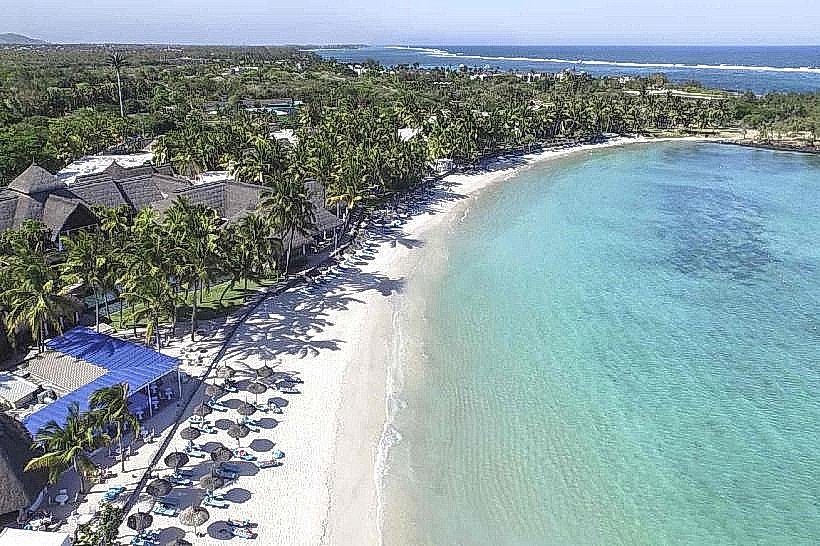
Belle Mare Public Beach: 0.6km South
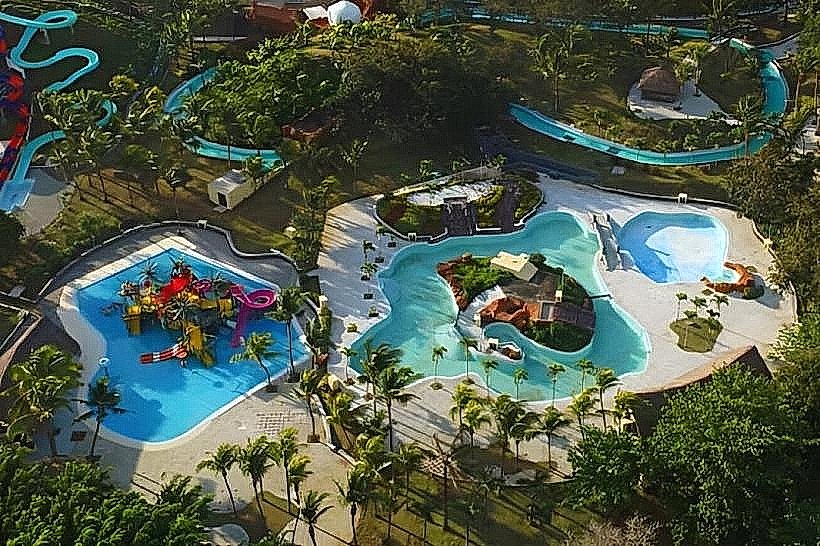
Splash N Fun Leisure Park: 1.0km South
Sagar Shiv Mandir: 2.5km North
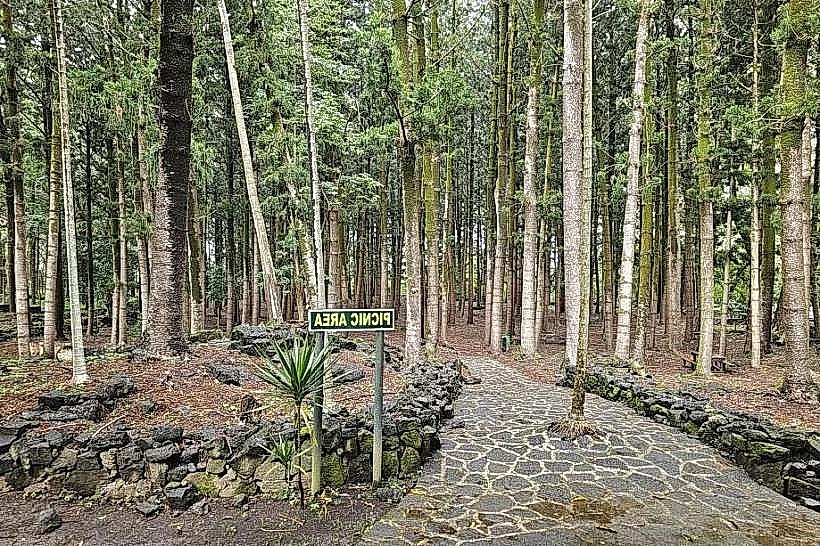
Bras d'Eau National Park: 3.8km Northwest
Links Golf Course: 1.2km West