Information
Landmark: Río ParanáCity: Rosario
Country: Argentina
Continent: South America
Río Paraná, Rosario, Argentina, South America
Río Paraná – The Lifeline of Argentina
The Río Paraná is one of the longest and most important rivers in South America, flowing through Brazil, Paraguay, and Argentina. It is the second-longest river on the continent after the Amazon River and plays a crucial role in Argentina’s economy, ecology, and culture.
Its name comes from the Guaraní language, meaning "relative of the sea", a reference to its vast expanse and powerful flow. The Paraná is vital for transportation, commerce, agriculture, fishing, and tourism, shaping the lives of millions of people along its banks.
General Information
- Length: 4,880 km (3,032 miles)
- Source: Confluence of the Paranaíba and Grande rivers, Brazil
- Mouth: Río de la Plata, Argentina
- Average Discharge: 17,300 m³/s (one of the largest in the world)
- Basin Size: 2.6 million km² (second-largest in South America)
- Main Tributaries: Paraguay River, Iguazú River, Salado River, Tietê River
Course of the Río Paraná
The Río Paraná flows through three countries, divided into three main sections:
1. Upper Paraná (Brazil & Paraguay)
- Originates in southeastern Brazil, at the junction of the Paranaíba and Grande rivers.
- Forms the Itaipú Dam, one of the world’s largest hydroelectric plants.
- Receives the Iguazú River, which feeds the famous Iguazú Falls, one of Argentina’s top tourist attractions.
2. Middle Paraná (Paraguay & Argentina)
- Serves as a natural border between Paraguay and Argentina.
- Joins with the Paraguay River, which brings water from Bolivia and Brazil.
- Passes through Corrientes and Entre Ríos provinces, creating a region of fertile floodplains and wetlands.
- Features El Yacyretá Dam, another major hydroelectric project.
3. Lower Paraná (Argentina)
- Enters Santa Fe and Buenos Aires provinces, becoming Argentina’s most important waterway.
- Reaches Rosario, Argentina’s largest river port.
- Forms the Paraná Delta, a vast wetland system before merging with the Río de la Plata near Buenos Aires.
Economic Importance
The Río Paraná is essential for Argentina’s economy, industry, and exports, providing a major transport route and hydroelectric power.
1. River Transport and Commerce
- The Paraná-Paraguay Waterway is one of South America's most important shipping routes, allowing cargo ships to travel from Argentina to Paraguay and Brazil.
- Argentina’s largest ports, including Rosario, Santa Fe, and San Lorenzo, rely on the Paraná for exporting soybeans, corn, wheat, and petroleum.
- The river is navigable for large ocean-going vessels, making it a key connection to the Atlantic Ocean.
2. Agriculture and Irrigation
- The Paraná supports one of the most fertile agricultural regions in Argentina, providing water for crops such as soybeans, rice, and citrus fruits.
- Farmers use the river for irrigation, particularly in Entre Ríos, Santa Fe, and Buenos Aires provinces.
- Seasonal floods deposit nutrient-rich sediments, improving soil fertility.
3. Hydroelectric Energy
- Itaipú Dam (Brazil-Paraguay border) – One of the largest hydroelectric plants in the world.
- Yacyretá Dam (Argentina-Paraguay border) – Provides 20% of Argentina’s electricity.
- Salto Grande Dam (Argentina-Uruguay border) – Supplies power to both Argentina and Uruguay.
Environmental and Ecological Importance
The Río Paraná Basin is home to rich biodiversity, wetlands, and unique ecosystems that support thousands of species.
1. Paraná Delta
- One of Argentina’s largest wetlands, with thousands of islands, lagoons, and channels.
- Provides a habitat for capybaras, marsh deer, caimans, and river otters.
- The Islas del Paraná near Rosario are a popular nature reserve and ecotourism destination.
2. Fish and Wildlife
- The river is famous for dorado (golden fish), surubí (giant catfish), and pacú, attracting fishing enthusiasts.
- Migratory birds, such as herons, storks, and kingfishers, thrive along the riverbanks.
- The Paraná also supports aquatic plants and floating vegetation, essential for the region’s ecosystem.
3. Environmental Challenges
- Deforestation and wetland destruction threaten local biodiversity.
- Industrial pollution from ports and cities impacts water quality.
- Droughts and water level fluctuations (partially due to climate change) have affected navigation and agriculture.
Cultural and Recreational Significance
The Río Paraná is deeply woven into Argentina’s cultural identity, inspiring literature, music, and traditions.
1. Fishing and Water Sports
- Fishing is both a tradition and a livelihood, particularly in Corrientes, Santa Fe, and Entre Ríos.
- The river hosts fishing tournaments, attracting both locals and international visitors.
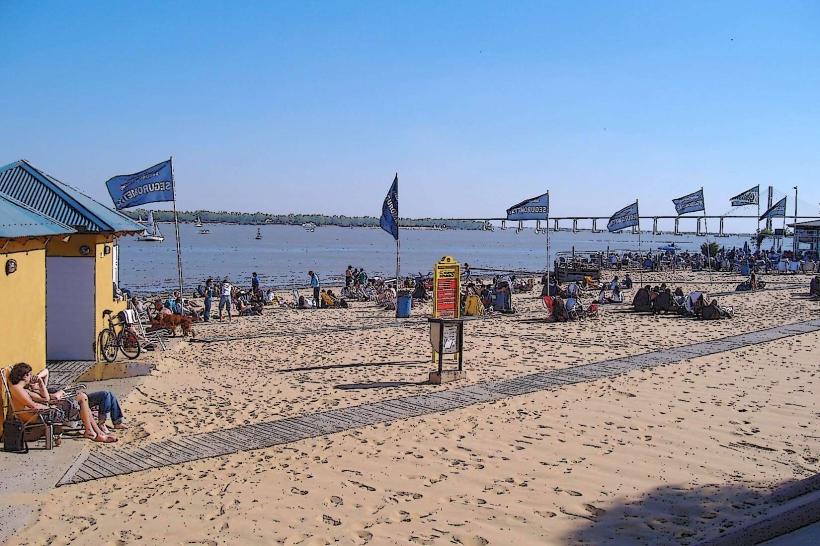
- Kayaking, jet skiing, and sailing are popular activities, especially near Rosario and Paraná.
2. Literature and Music
- The Paraná River has inspired poets, writers, and musicians throughout Argentine history.
- Folk songs such as "Rio de los Pájaros" reference the Paraná’s beauty and cultural importance.
- Writers like Juan José Saer and José Hernández have included the Paraná in their literary works.
3. Tourism and Sightseeing
- The river is a major tourist attraction, with boat tours, cruises, and nature excursions available.
- Notable sites along the Paraná include:
- Iguazú Falls – One of the Seven Natural Wonders of the World.
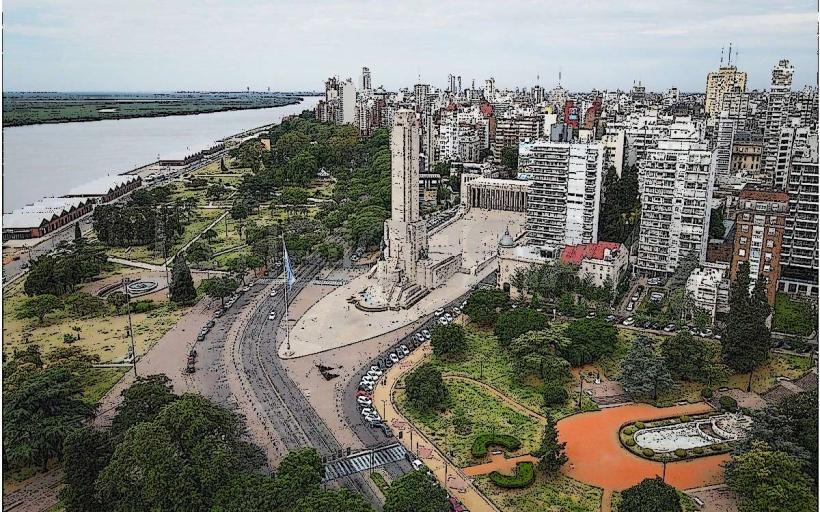
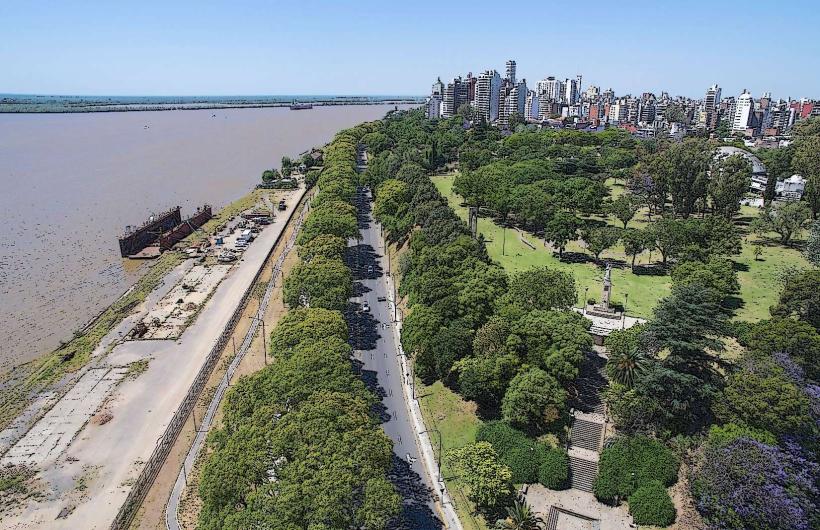
- Rosario’s Costanera – A scenic waterfront with parks, restaurants, and nightlife.
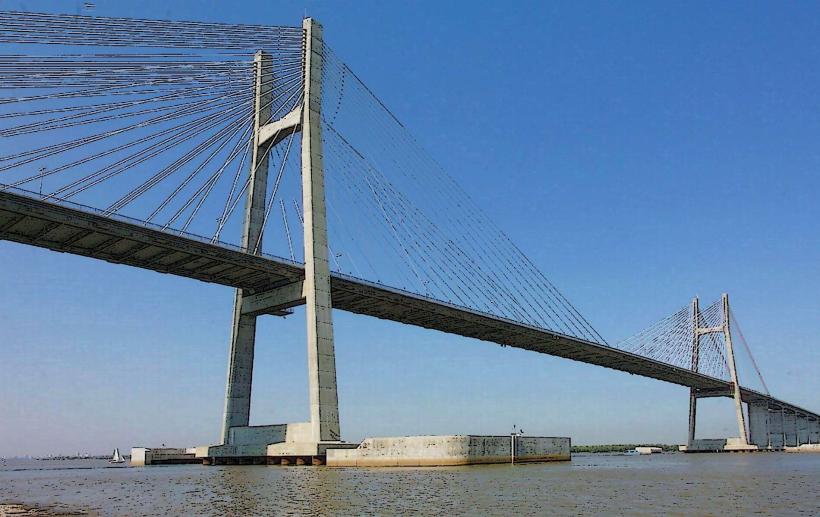
- Victoria-Rosario Bridge – A modern architectural landmark.
- El Palmar National Park – A unique landscape of palm tree forests.
Major Cities Along the Río Paraná
Several of Argentina’s most important cities are located along the Paraná River, benefiting from its trade, tourism, and natural resources.
1. Rosario (Santa Fe Province)
- Argentina’s largest river port and a key commercial hub.
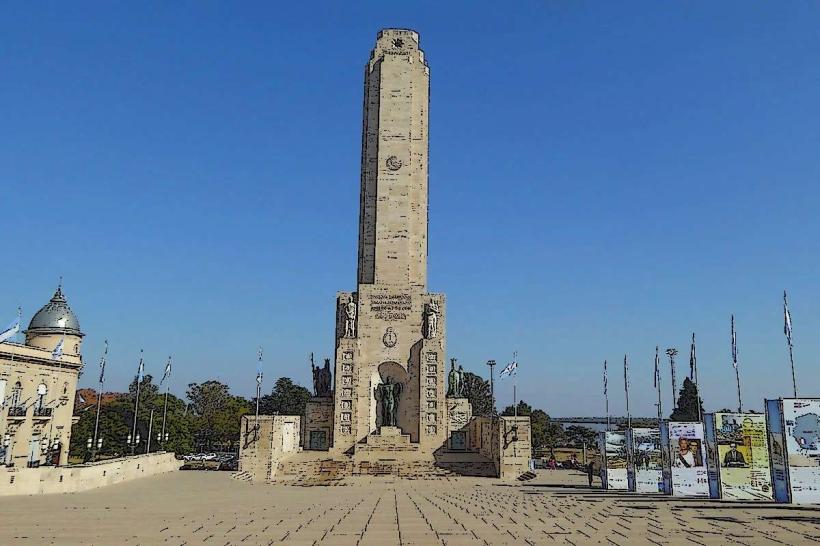
- Famous for its Monumento a la Bandera, a tribute to the Argentine flag.
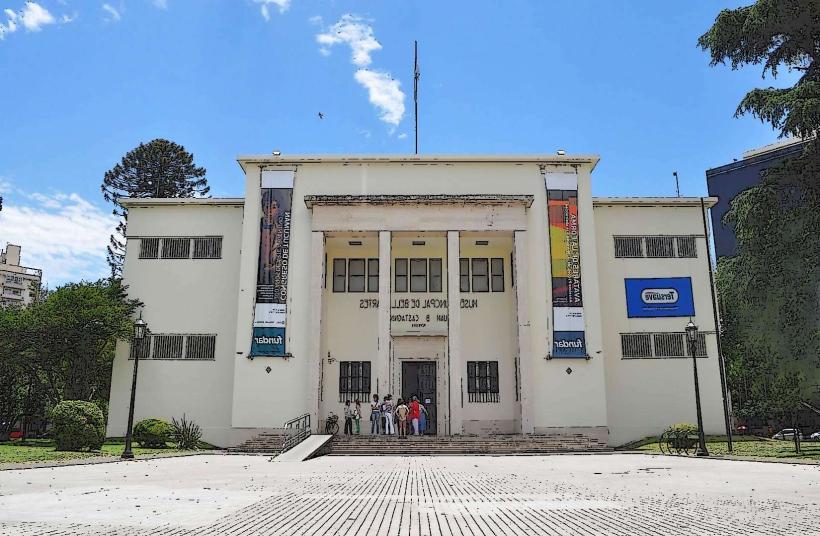
- Known for riverfront parks, museums, and vibrant nightlife.
2. Paraná (Entre Ríos Province)
- The capital of Entre Ríos, with colonial architecture and cultural festivals.
- Offers beautiful riverside promenades and fishing spots.
- Connected to Santa Fe via the Hernandarias Subfluvial Tunnel.
3. Corrientes (Corrientes Province)
- A city known for traditional chamamé music and religious festivals.
- Popular for fishing and river tourism.
- Hosts the National Chamamé Festival, celebrating Argentine folk music.
4. Santa Fe (Santa Fe Province)
- One of Argentina’s oldest cities, with colonial heritage and historic landmarks.
- The Santa Fe Suspension Bridge is an iconic structure over the river.
- Home to a major university and cultural institutions.
Conclusion
The Río Paraná is more than just a river-it is a symbol of Argentina’s strength, economy, and cultural heritage. From its economic importance in agriculture and trade to its breathtaking natural beauty, the Paraná is a lifeline for millions. Whether for commerce, recreation, or ecological conservation, it remains one of the most significant natural treasures in South America.