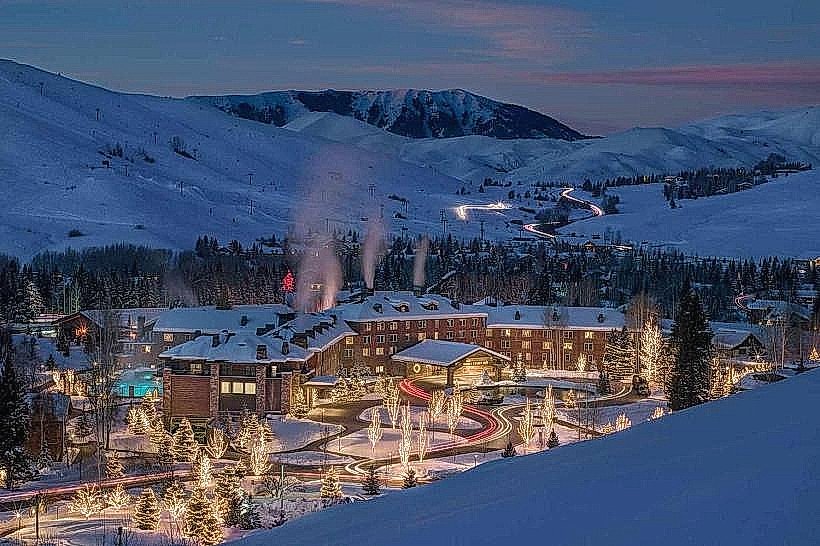
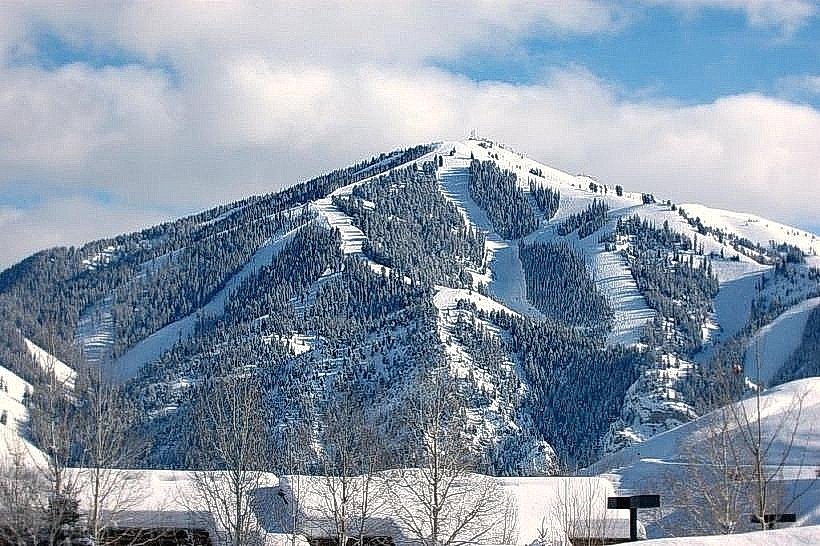
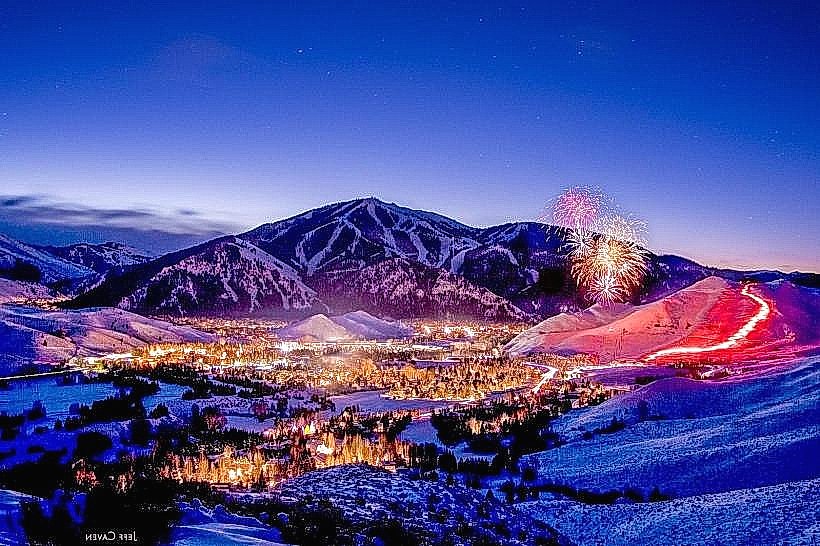
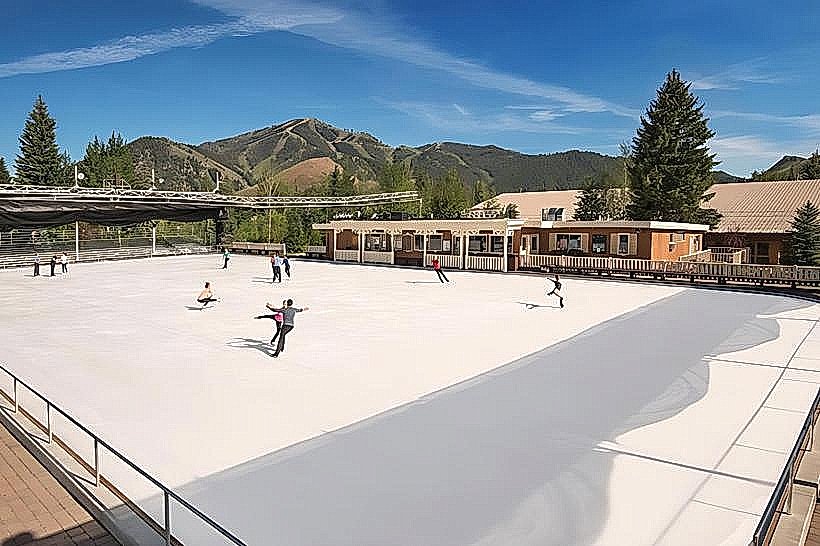
Information
Landmark: Sawtooth National Recreation AreaCity: Sun Valley
Country: USA Idaho
Continent: North America
Sawtooth National Recreation Area, Sun Valley, USA Idaho, North America
The Sawtooth National Recreation Area is a protected federal land unit located in central Idaho, USA. It encompasses a significant portion of the Sawtooth Mountains and surrounding wilderness.
Visual Characteristics
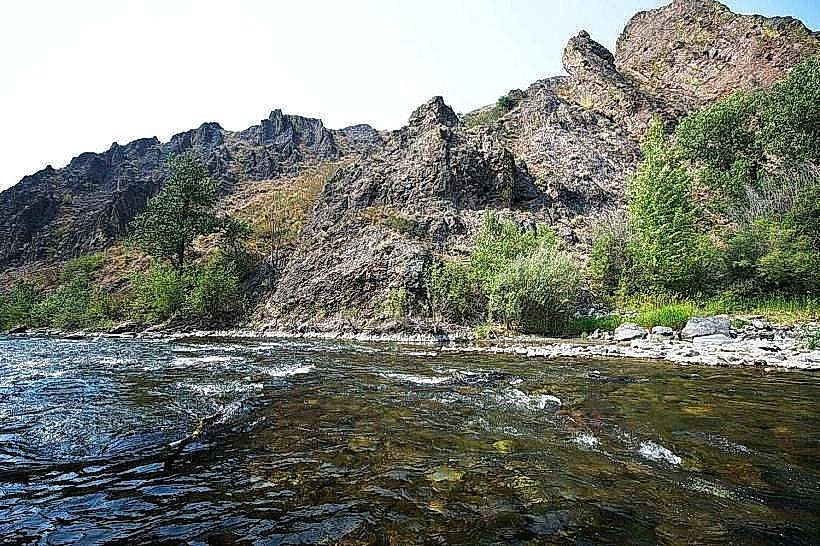
The area features rugged mountain peaks with elevations exceeding 10,000 feet, characterized by granite formations and glacial cirques. Numerous alpine lakes, varying in color from deep blue to turquoise, are scattered throughout the landscape. Dense coniferous forests, primarily lodgepole pine and Douglas fir, cover the lower elevations, transitioning to alpine meadows at higher altitudes. Glacial moraines and U-shaped valleys are prominent geological features.
Location & Access Logistics
The Sawtooth National Recreation Area is situated approximately 15 miles south of Stanley, Idaho, accessible via State Highway 75. From Sun Valley, the entrance is roughly 30 miles north on State Highway 75. Multiple access points and trailheads are available along this highway. Parking is available at designated trailheads and campgrounds, with capacity varying by location. Public transport is not available within the recreation area; personal vehicles are required for access.
Historical & Ecological Origin
The Sawtooth Mountains are a product of Laramide orogeny uplift and subsequent Pleistocene glaciation. The area was designated as a National Recreation Area in 1972 to preserve its natural beauty and provide recreational opportunities. Ecologically, it represents a high-elevation temperate forest and alpine ecosystem.
Key Highlights & Activities
Hiking is a primary activity, with trails ranging from short nature walks to multi-day backpacking routes. Popular trails include the Sawtooth Lake Trail and the Alice Lake Trail. Fishing is permitted in many of the lakes and streams. Rock climbing and mountaineering are possible on the granite peaks. Camping is available at designated campgrounds and dispersed sites. Wildlife viewing opportunities exist for elk, deer, bighorn sheep, and various bird species.
Infrastructure & Amenities
Restrooms are available at major trailheads and campgrounds. Shade is provided by the forest canopy in lower elevations; higher elevations are exposed. Cell phone signal is intermittent and generally unavailable in remote areas. Food vendors and services are limited to nearby towns like Stanley and Ketchum.
Best Time to Visit
The primary visitor season is from June through September. July and August offer the warmest weather and most accessible trails. For photography, early morning and late afternoon light provide optimal conditions for illuminating the mountain peaks. High tide is not a relevant factor for this inland mountainous region. Snow can persist on higher trails into July.
Facts & Legends
The Sawtooth Mountains are named for their jagged, tooth-like peaks. A local legend speaks of a mythical creature said to inhabit the deepest alpine lakes, though no verifiable evidence supports this claim. The area is known for its dark night skies, making it an excellent location for astronomical observation.
Nearby Landmarks
- Stanley Lake (2.5km North)
- Redfish Lake (5km North)
- Galena Summit (10km North)
- Ketchum (25km South)
- Craters of the Moon National Monument & Preserve (80km South)