Information
Landmark: Sharjah Desert ParkCity: Sharjah
Country: United Arab Emirates
Continent: Asia
Sharjah Desert Park, Sharjah, United Arab Emirates , Asia
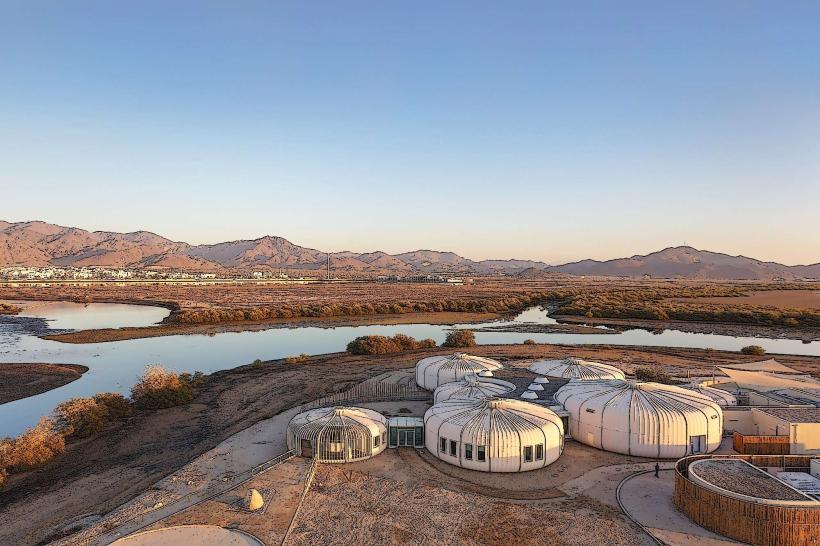
Sharjah Desert Park is a large, multi-faceted nature reserve and educational facility located in Sharjah, United Arab Emirates. It encompasses several distinct areas dedicated to wildlife, botany, and cultural heritage.
Visual Characteristics
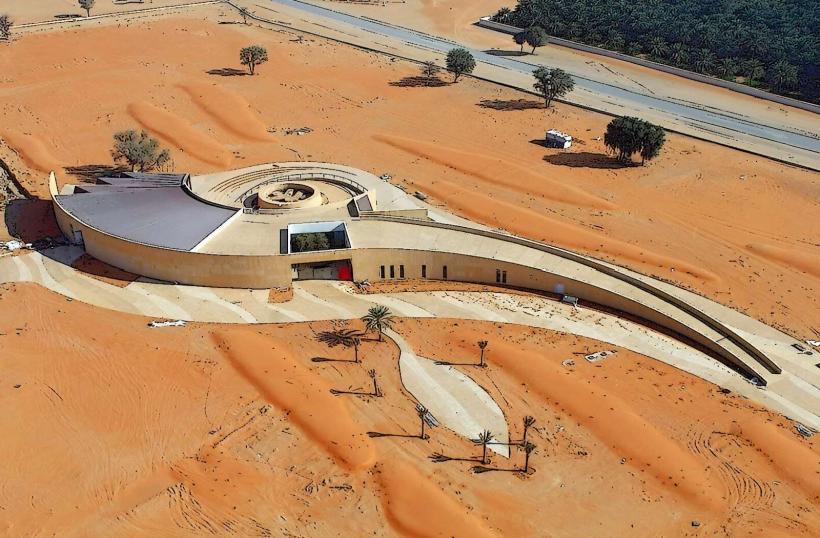
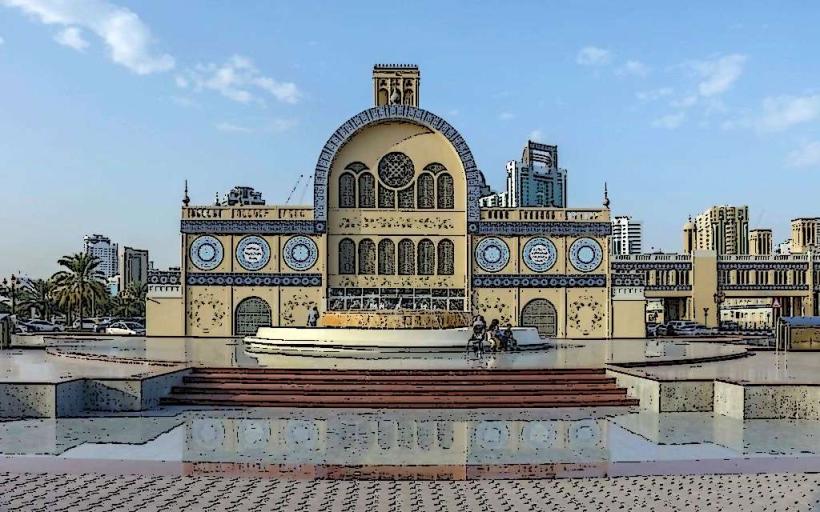
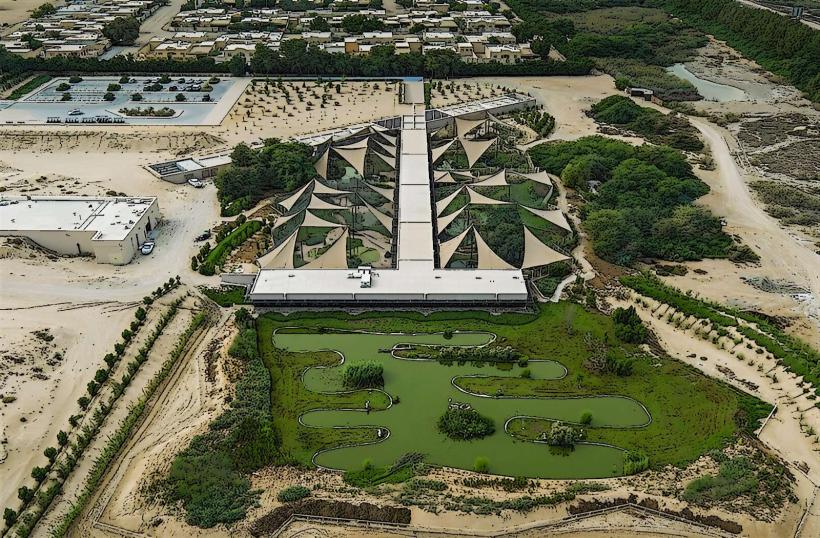
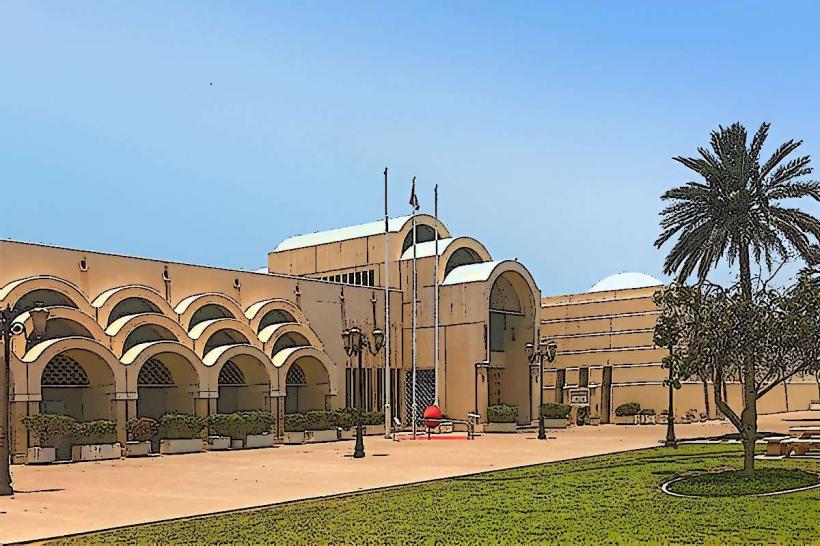
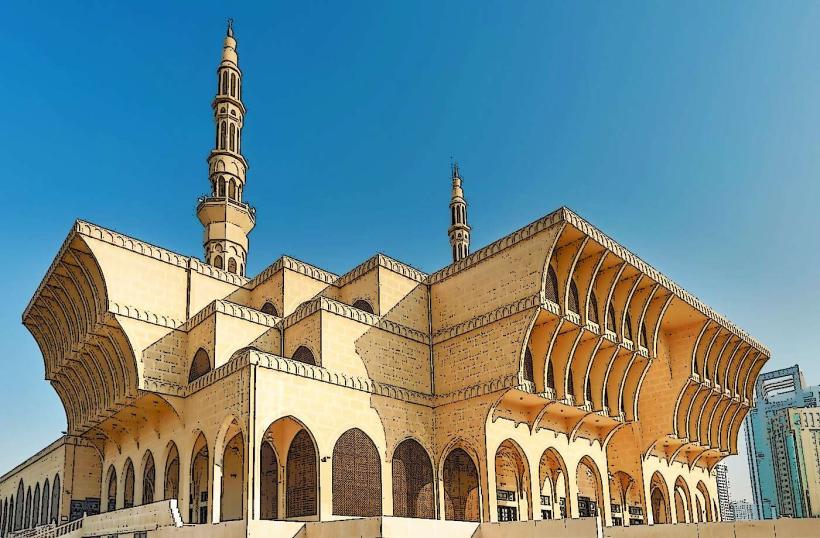
The park features a combination of arid desert landscape and cultivated botanical gardens. The desert areas consist of sand dunes and sparse native vegetation. The botanical gardens contain a variety of trees, shrubs, and flowering plants, often within controlled environments like greenhouses. Structures within the park are typically low-rise, constructed from concrete and local stone, designed to blend with the environment.
Location & Access Logistics
Sharjah Desert Park is situated approximately 25 kilometers east of Sharjah city center. Access is primarily via the E88 (Al Dhaid Road). Ample free parking is available on-site. Public transport options are limited; the most direct route involves taking a taxi or ride-sharing service from Sharjah city. Bus routes do not directly serve the park entrance.
Historical & Ecological Origin
Established in 1999, Sharjah Desert Park was conceived as a conservation and educational initiative focusing on the unique flora and fauna of the Arabian desert. The park's ecological origin is rooted in the natural desert environment of the Arabian Peninsula, with efforts made to preserve and showcase native species. The Children's Farm area was developed to educate younger generations about domestic animals and agriculture.
Key Highlights & Activities
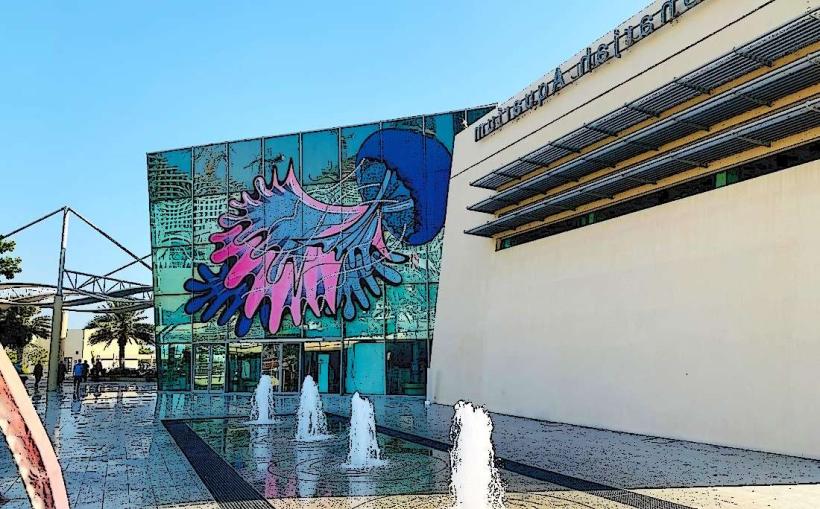
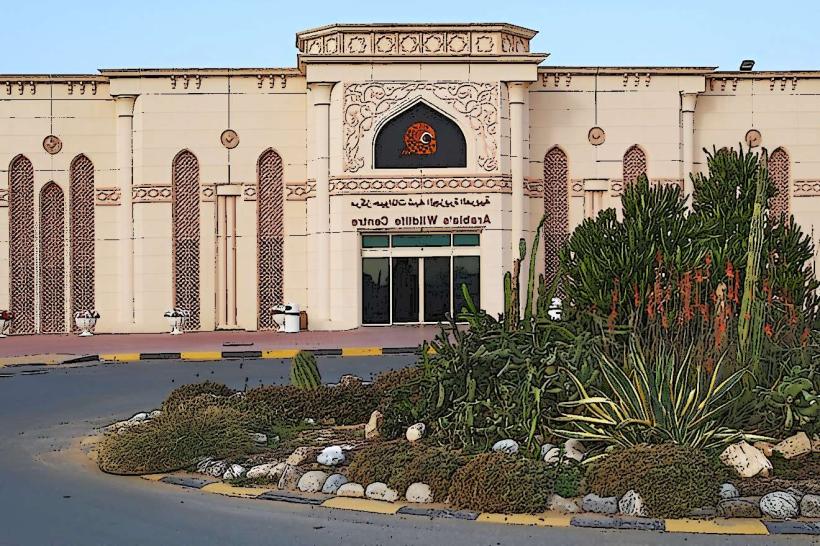
Visitors can explore the Sharjah Natural History Museum, which details the region's geology, paleontology, and biodiversity. The Arabian Wildlife Centre houses a collection of native animals, including gazelles, oryx, and various bird species. The Children's Farm offers opportunities for interaction with farm animals. The Botanical Garden section showcases desert plants and includes a greenhouse for more sensitive species. Walking trails are present throughout the park.
Infrastructure & Amenities
Restrooms are available within the main visitor areas and museums. Shaded seating areas are provided in various locations. Cell phone signal (4G/5G) is generally good throughout the park. Food and beverage options are limited to a small cafe located near the main entrance; visitors may wish to bring their own refreshments.
Best Time to Visit
The optimal time to visit is during the cooler months, from October to April, when daytime temperatures are more moderate. Mornings are generally best for observing wildlife activity. There are no specific tide requirements as the park is inland.
Facts & Legends
A notable feature of the park is its collection of fossils, some dating back millions of years, providing evidence of ancient marine life in what is now a desert region. The park actively participates in breeding programs for endangered Arabian species.
Nearby Landmarks
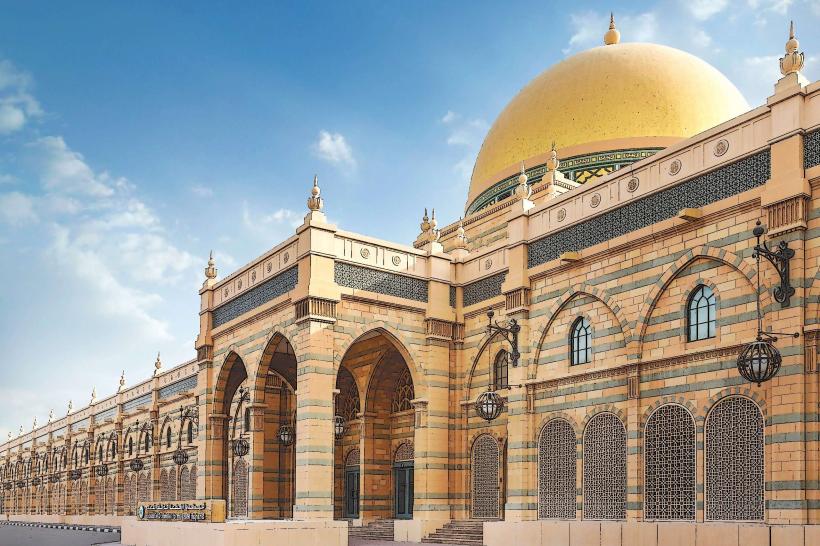
- Sharjah Museum of Islamic Civilization (18km West)
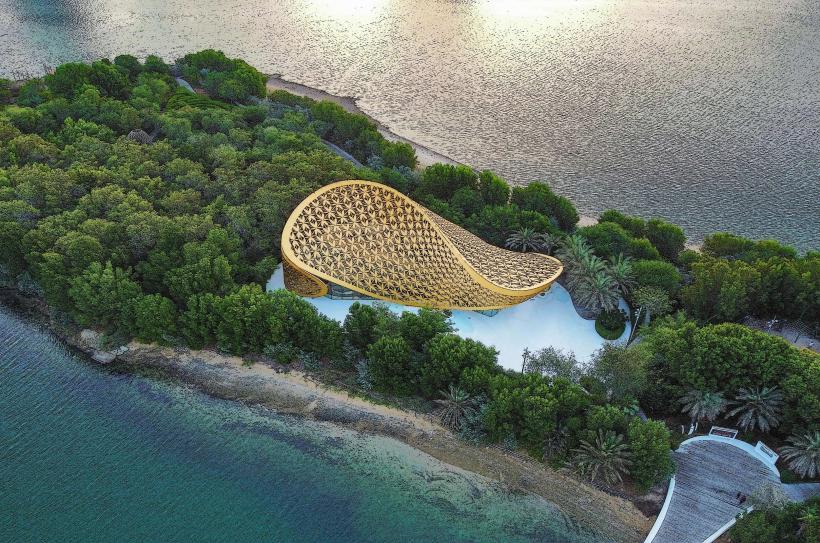
- Al Noor Island (20km West)
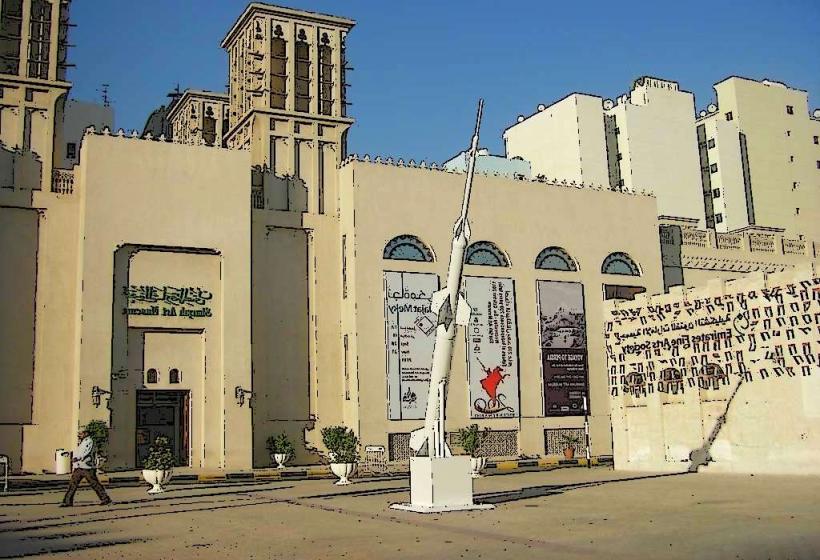
- Sharjah Art Museum (21km West)
- Al Qasba (22km West)
- Expo Centre Sharjah (23km West)