Information
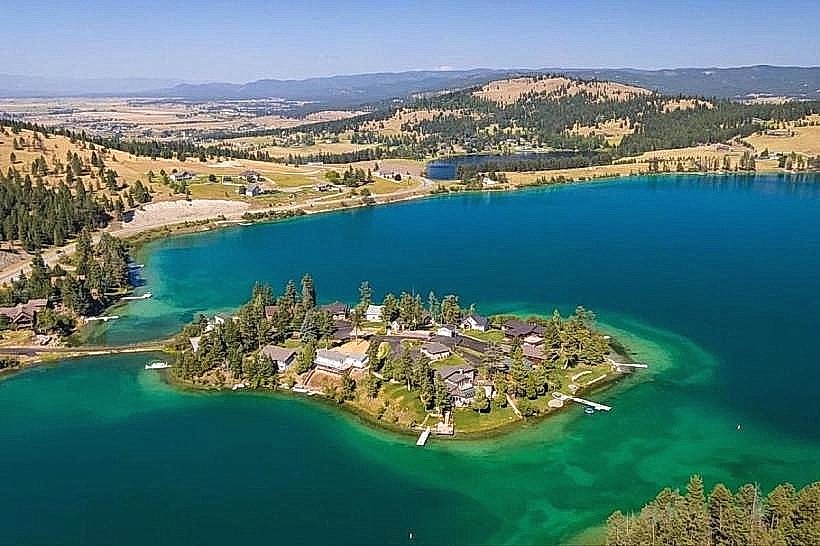
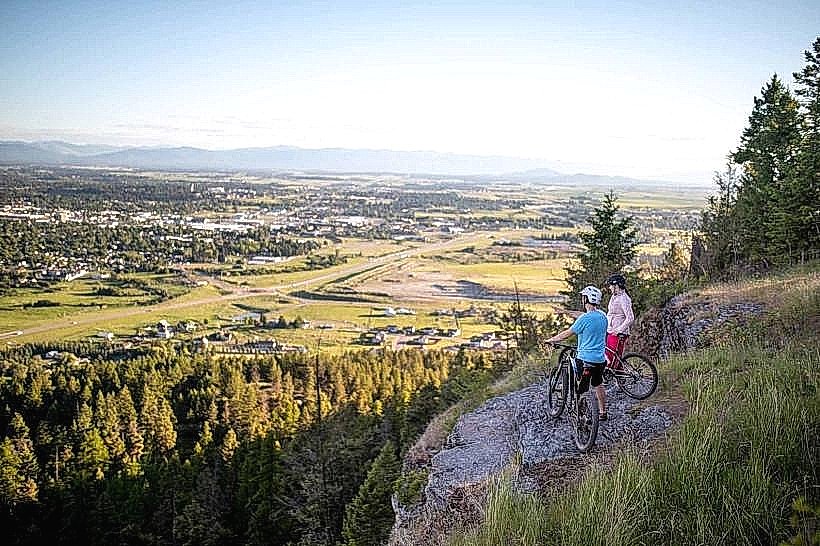
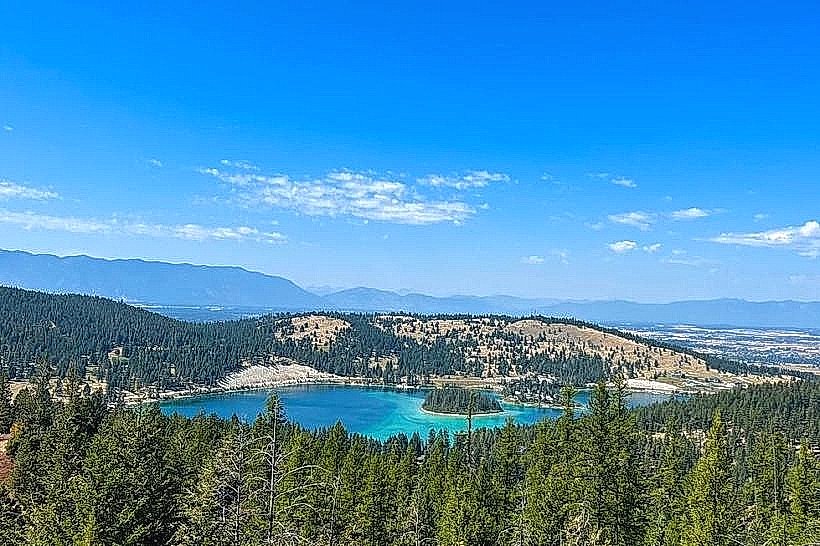
Landmark: Somer’s BayCity: Kalispell
Country: USA Montana
Continent: North America
Somer’s Bay, Kalispell, USA Montana, North America
The Crane Trust Nature & Visitor Center is an educational facility located in Kearney, Nebraska, dedicated to the conservation and study of the Platte River ecosystem.
Visual Characteristics
The Visitor Center building is constructed primarily of wood and stone, featuring a low-profile design that integrates with the surrounding prairie landscape. Its exterior colors are earth tones, blending with the natural environment. The center's architecture emphasizes large windows to maximize natural light and views of the adjacent wetlands and river valley. The surrounding landscape consists of native prairie grasses, riparian woodlands along the Platte River, and managed wetlands.
Location & Access Logistics
The Crane Trust Nature & Visitor Center is situated approximately 10 miles west of Kearney, Nebraska, accessible via State Highway 30. Turn south onto County Road 74 (also known as Crane Trust Road) and proceed for approximately 2 miles. A gravel road leads to the main parking area. There is ample parking available on-site. Public transportation options are not available to reach the center directly.
Historical & Ecological Origin
The Crane Trust was established in 1978 to protect and manage critical habitat for migratory birds, particularly the Sandhill Crane, along the Platte River. The land itself is part of the central Platte River Valley, a geologically significant area shaped by glacial meltwater and subsequent riverine processes. The ecosystem is classified as a riparian corridor and prairie wetland system, vital for numerous bird species during their annual migrations.
Key Highlights & Activities
Observation decks provide elevated views of the Platte River and surrounding wetlands. Guided nature walks are offered seasonally, focusing on bird identification and prairie ecology. Educational exhibits within the visitor center detail the life cycle of the Sandhill Crane and the importance of the Platte River ecosystem. Photography blinds are available for wildlife observation. Viewing of Sandhill Cranes is most active during the spring migration period (late February to early April).
Infrastructure & Amenities
Restrooms are available within the Visitor Center. Limited shaded areas are provided by the building's overhang and natural tree cover in designated picnic spots. Cell phone signal (4G/5G) is generally available but can be intermittent in some areas of the property. No on-site food vendors are present; visitors are advised to bring their own provisions.
Best Time to Visit
The peak viewing season for Sandhill Cranes is from late February through early April, with activity often highest in the early morning and late afternoon. For general nature observation and photography, spring (April-May) and fall (September-October) offer moderate temperatures and diverse wildlife activity. The best time of day for photography is typically during the golden hours of sunrise and sunset, providing softer light.
Facts & Legends
The Platte River is often referred to as "The Great Nature Highway" due to the immense number of migratory birds that utilize its corridor. During the spring migration, the central Platte River Valley can host up to 500,000 Sandhill Cranes, representing a significant portion of the world's population of this species.
Nearby Landmarks
- Archway Monument (3.5km East)
- Fort Kearny State Historical Park (4.0km East)
- Kearney Area Children's Museum (9.0km East)
- Cottonmill Park (9.5km East)