Information
Landmark: Souk BerbèreCity: Taroudant
Country: Morocco
Continent: Africa
Souk Berbère, Taroudant, Morocco, Africa
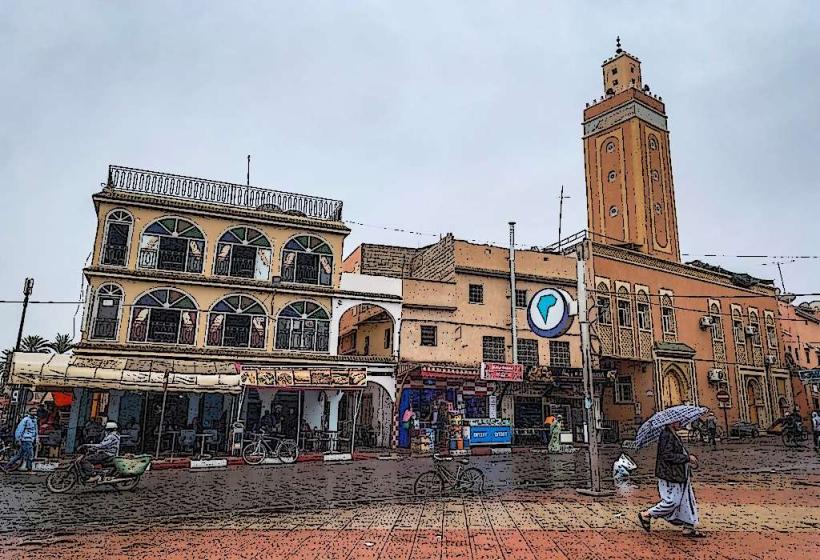
The Souk Berbère in Taroudant is one of the most authentic and character-rich markets in southern Morocco. Located within the historic medina of Taroudant, this souk embodies the Amazigh (Berber) identity of the region, serving as a crucial hub for rural trade, artisan craft, and cultural exchange between the mountain communities and the city.
While the Souk Arabe represents urban sophistication and finely crafted goods, the Souk Berbère offers a rawer, earthier, and deeply traditional atmosphere, full of items tied directly to Amazigh rural life.
1. Location and Layout
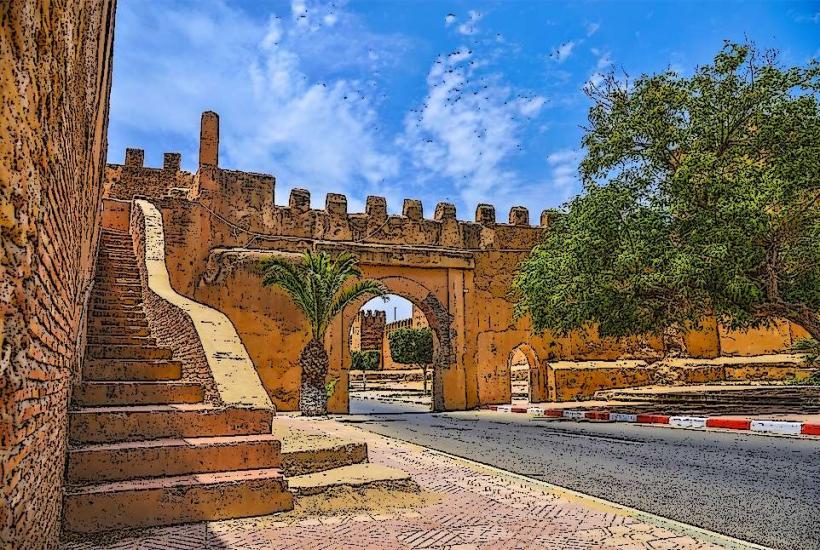
The Souk Berbère is situated on the southern side of the medina, very close to the main square, and easily accessible from gates like Bab El-Kasbah.
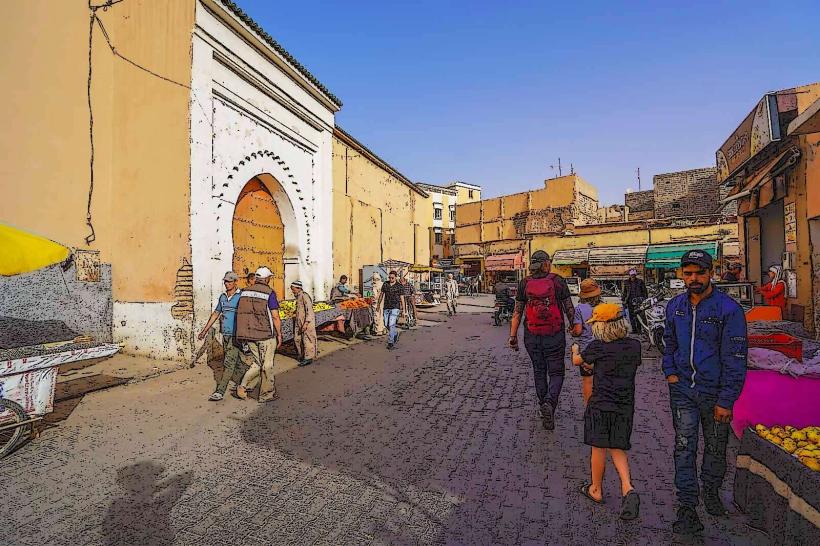
It is more open-air compared to the Souk Arabe, with a layout resembling a village market more than an urban bazaar.
The streets and alleys are often dusty and unpaved, lined with wooden stalls, woven canopy covers, and sections shaded by tarps or palm mats.
2. Atmosphere
The market is lively, unpolished, and energetic, with a rhythm that follows the flow of daily rural life.
Vendors often sit on the ground or behind makeshift tables, calling out prices and greeting familiar customers from nearby villages.
The market functions not only as a trading place but also as a social space, where Amazigh-speaking communities gather to exchange news, gossip, and stories.
3. What You’ll Find
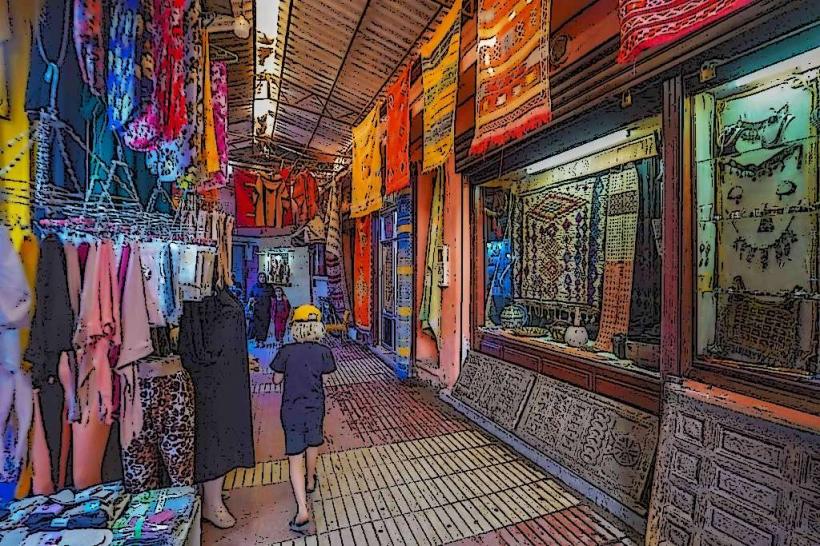
The Souk Berbère is centered on handmade goods, natural materials, and products essential to rural life:
Handwoven rugs and textiles:
Amazigh carpets (often called hanbels), woven by women using natural wool and symbolic tribal motifs.
Coarse blankets and cloaks made from wool or goat hair.
Baskets and mats:
Made from palm fronds and doum leaves, often dyed with natural pigments.
Used for carrying goods, storing grain, or as mats for homes and markets.
Wooden and clay objects:
Rustic kitchen tools, bowls, and pottery used in daily life.
Simple, functional, and made with traditional hand tools.
Herbs, roots, and medicinal plants:
Sold in bundles or sacks, many used for home remedies, teas, or cosmetic oils.
Includes thyme, artemisia, rosemary, and dried wildflowers.
Livestock-related gear:
Saddlebags, halters, hand-forged tools, and small agricultural implements.
Second-hand and recycled goods:
Often traded or bartered, showing the resourceful nature of rural economies.
4. Craftsmanship and Cultural Value
Many of the goods in this souk are produced by hand in nearby villages of the Anti-Atlas and High Atlas.
Items are often decorated with symbols and patterns unique to Amazigh culture:
Lozenges, zigzags, and chevrons believed to offer protection or fertility
Natural dyes from henna, pomegranate, or indigo
Women are the primary weavers and basket-makers, passing down techniques orally and through observation.
The market reflects the enduring survival of pre-modern skills, rarely altered by industrial methods.
5. Social and Economic Role
The souk is vital for the rural economy, as villagers come in to trade their goods and purchase city items they can’t produce themselves.
It operates on a cycle of trust, negotiation, and mutual dependence, not on standardized pricing.
Relationships between sellers and buyers are often longstanding and familial.
6. When to Visit
Market days are usually busier early in the week, especially Tuesday and Thursday, when traders come from outlying areas.
Early morning is the best time to see the souk at its most active and genuine.
It’s ideal to visit with a local guide or someone familiar with Amazigh culture if you want to learn the deeper meanings behind patterns and goods.
7. Comparison with Souk Arabe
Souk Berbère: Rural, earthy, traditional, focused on raw materials and handmade objects. Feels like a village market.
Souk Arabe: Urban, polished, focused on fine goods and luxury crafts. More structured and refined.
8. Conclusion
The Souk Berbère of Taroudant is not just a place to shop-it’s a cultural experience, revealing the resilient, artistic, and self-sufficient nature of Morocco’s Amazigh communities. It captures the spirit of the southern countryside, where every basket, carpet, or herb bundle tells a story of ancestral knowledge and deep connection to land, craft, and identity.