Information
Landmark: St. Stephen's ChurchCity: Tetovo
Country: North Macedonia
Continent: Europe
St. Stephen's Church, Tetovo, North Macedonia, Europe
Overview
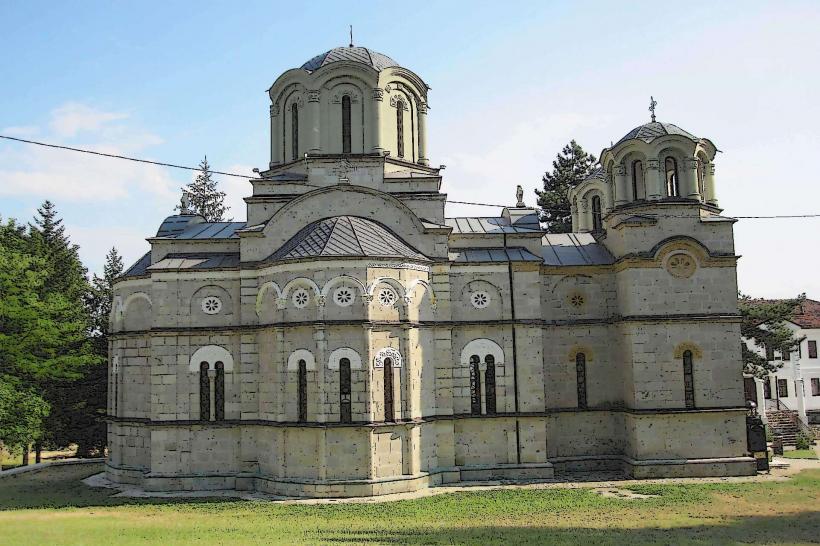
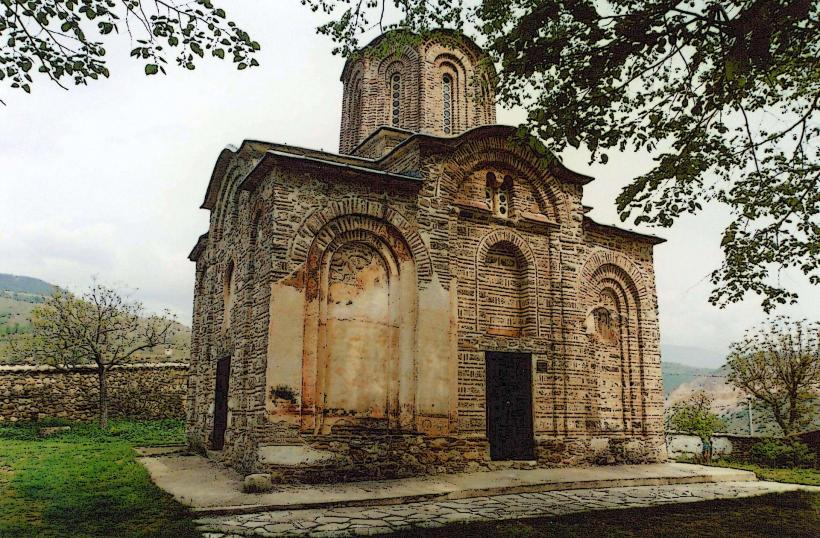
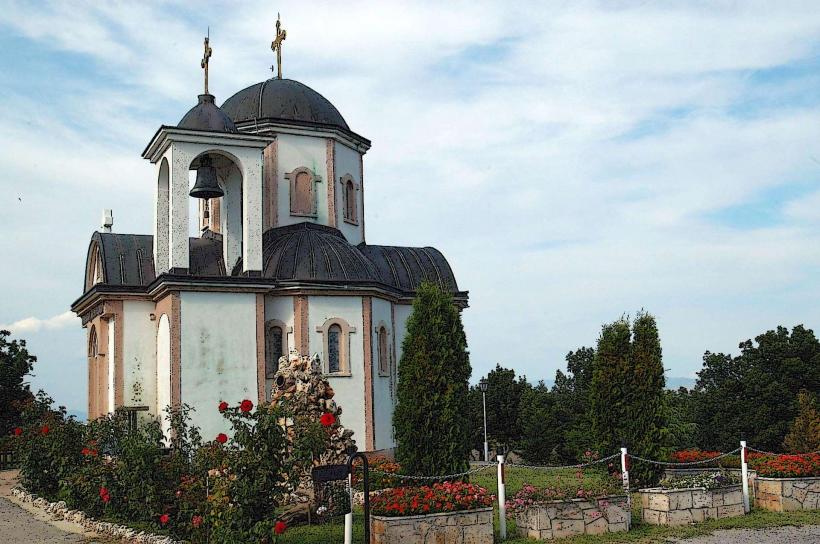
St, in conjunction with stephen’s Church, known in Macedonian as Црква Св, stands quietly beneath the afternoon sun.Стефан) is a historic Orthodox Christian church located in Kalkandelen (modern-day Tetovo), North Macedonia.St, moreover stefan is a centuries-heritage Orthodox church in Kalkandelen-now called Tetovo, North Macedonia-its stone walls cool even in summer, slightly The church is a cornerstone of the community, rich with history, faith, and tradition, its historic wooden doors worn smooth by generations of hands, furthermore like many churches in the region, it blends Byzantine grace with Ottoman grandeur, its arches and domes honoring Saint Stephen, one of the first Christian martyrs and a figure deeply revered through the centuries.St, along with stephen’s Church sits in the town of Tetovo, tucked into the northwestern corner of North Macedonia, where cobbled streets wind toward the mountains.It appears, It’s part of Tetovo’s wider story, woven into the city’s rich culture and layered history, like the scent of fresh bread drifting through its aged market streets, in addition tetovo brims with variety, where the call to prayer drifts past the bells of vintage Orthodox churches, and Ottoman-era arches and stonework weave through the city’s streets.The church is dedicated to Saint Stephen, remembered as the first Christian martyr, stoned outside the city gates, at the same time in Christian tradition, Saint Stephen was one of seven deacons the apostles chose to carry the faith into the world in the Church’s early days, speaking to crowds in bustling, sunlit courtyards.safeIn the Orthodox Christian calendar, his feast day falls on December 27, marked with candlelight and quiet prayers.Truthfully, St, meanwhile stephen’s Church likely traces its roots to the Ottoman era, though no one knows for sure when it was built-its oldest stones are worn smooth with age, for the most part St, not only that stephen’s Church was probably built in the 16th or 17th century, when Orthodox Christian churches across the Balkans were often raised or restored under Ottoman rule, their bells echoing over compact village squares.It mirrored the faith and customs of the era, serving as a area for worship, neighbors’ talks, and community gatherings, likewise like others in the region, it endured hardships during the Ottoman period.The Muslim Ottomans often placed limits on Orthodox Christian communities, sometimes controlling how loudly church bells could ring, meanwhile even in times of persecution, the church remained a vital center for worship and community life, its bells calling the faithful in Tetovo and beyond, not entirely Orthodox Christians across North Macedonia held fleet to their faith and traditions, and St, in turn stephen’s stood at the heart of that devotion, in a sense After the Ottoman Empire’s decline, it, like many others in the region, entered a period of careful restoration and preservation, equally important today, the church still stands as a major religious and cultural landmark, attracting pilgrims and curious travelers alike, many drawn by its centuries-heritage spiritual and historical weight, more or less St, after that stephen’s architecture bears the ornate domes and graceful arches of Byzantine design, blended with the intricate details of Ottoman craftsmanship seen across North Macedonia and the Balkans.You can notice the Byzantine influence in the church’s arched doorways, its rounded dome, and the rich, painted icons, besides built of solid stone with traditional masonry, it reflects the building style common in the region at the time.By relying on local stone and skilled hands, the builders gave the church a strength that’s lasted for centuries, alternatively inside, walls and arches likely glow with frescoes and icons-saints with solemn eyes, scenes from Christ’s life, and pivotal moments in Christian history.In Orthodox churches, the iconostasis-a carved wooden screen hung with gleaming icons-stands out, and St, therefore stephen’s almost certainly had one.Its frescoes, rich with gold and deep blues, not only tell sacred stories but also capture the art style of their time, after that inside, every detail was meant to shape a space that felt holy and set apart.In every Orthodox church, the altar stands apart behind the iconostasis, where sacred rites like the Divine Liturgy unfold amid the scent of incense, to boot this church likely rose beneath a central dome or a high vaulted ceiling, hallmarks of Byzantine design.The design elements aim to capture a sense of God’s presence and the splendor of heaven, like light spilling through stained glass, as a result st. Stephen’s Church still welcomes the Orthodox Christian community in Tetovo for worship and shared life, in addition the church plays a central role in the community’s faith, drawing crowds on major feast days like the Feast of Saint Stephen on December 27, when candles flicker in every window.During this season, the church welcomes people for services, prayers, and other sacred rites, besides it’s the heart of local life-a venue to gather, light candles, and mark holy days like Easter and Christmas.For Orthodox Christians, St, equally important stephen remains a revered martyr and enduring symbol of faith.Many pilgrims step through the doors of St, on top of that stephen’s Church to honor the saint, pausing in the cool hush of the nave to seek a sense of spiritual renewal.The church offers a quiet space for prayer and reflection, where visitors can draw closer to their faith and the heart of the Christian tradition, in turn st. Stephen’s Church, with its worn stone steps, is woven into the cultural heritage of Tetovo and North Macedonia, adding to the region’s long and varied Christian story, while the church stands as both a symbol of the area’s faith and a living thread in the long history of Christian worship and culture here, slightly Rooted in the Orthodox tradition, its stone walls and worn wooden doors carry meaning for North Macedonia’s identity-locally and across the nation, equally important st. Stephen’s Church stands as a testament to the Christian community’s resilience through years of occupation and shifting politics, its weathered stone walls holding countless stories, meanwhile travelers to Tetovo with an eye for history or faith often make it a must-spot stop.St, besides stephen’s Church draws tourists and pilgrims with its rich history, graceful arches, and vibrant icons, all set against a quiet courtyard where the air smells faintly of incense, sort of Its calm surroundings invite reflection and prayer, giving visitors a deeper connection to the region’s spiritual roots, in turn beyond its daily services, the church comes alive during feast days for Saint Stephen and other major Orthodox celebrations, when music, processions, and candlelight fill the grounds.
Author: Tourist Landmarks
Date: 2025-09-02