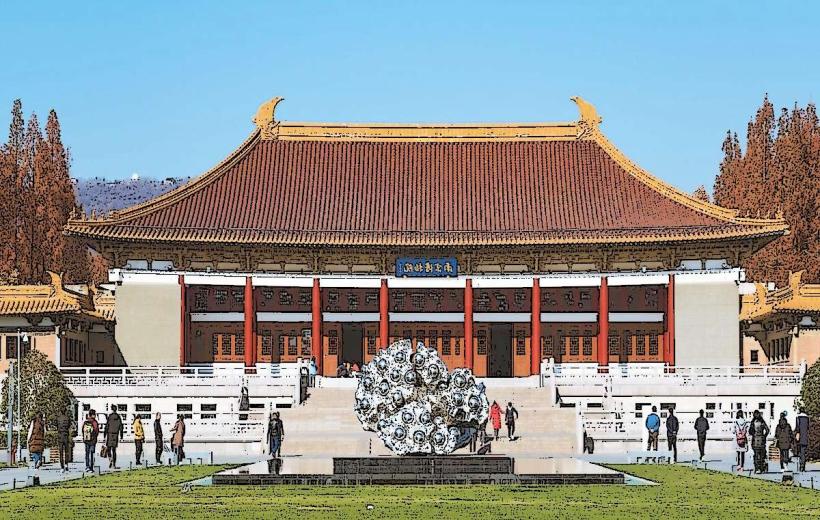
Information
Landmark: Sun Yat-sen MausoleumCity: Nanjing
Country: China
Continent: Asia
Sun Yat-sen Mausoleum, Nanjing, China, Asia
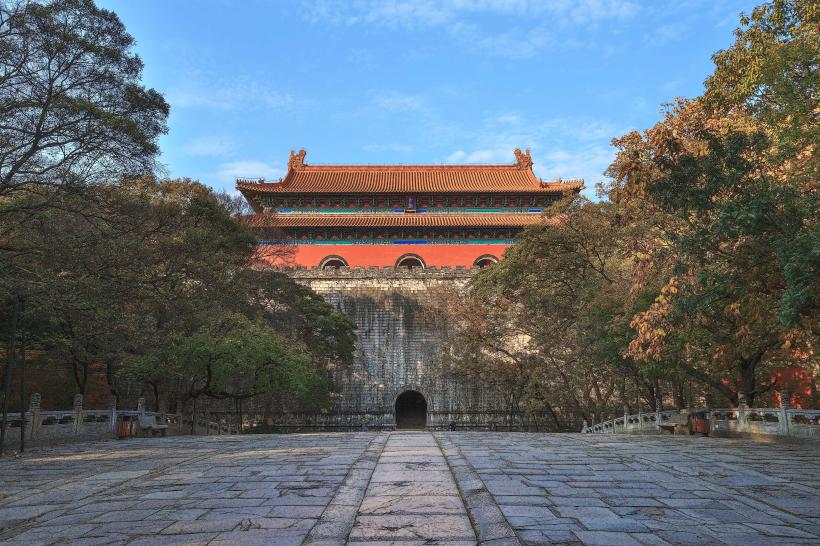
The Sun Yat-sen Mausoleum (中山陵, Zhōngshān Líng) is a historic mausoleum located at the foot of the Purple Mountain (紫金山, Zǐjīn Shān) in Nanjing, Jiangsu Province, China. It is dedicated to Dr. Sun Yat-sen, the founding father of modern China and the leader of the Chinese Revolution that overthrew the Qing Dynasty and established the Republic of China. The mausoleum is a major cultural and historical site in China, attracting visitors who wish to honor Dr. Sun's legacy and learn about his contributions to the nation.
1. Historical Background
Dr. Sun Yat-sen: Sun Yat-sen (1866-1925) is one of the most revered figures in modern Chinese history. He is widely recognized for his role in leading the Xinhai Revolution (1911), which resulted in the downfall of the Qing Dynasty and the end of over 2,000 years of imperial rule in China. Sun Yat-sen is also regarded as the first provisional president of the Republic of China, though he held the office only briefly. His political ideas, particularly his Three Principles of the People (民族独立, 民主政治, 民生幸福), focused on nationalism, democracy, and the well-being of the people, which had a profound influence on modern Chinese political thought.
Mausoleum Construction: After Sun Yat-sen passed away in 1925, the Chinese government decided to build a grand mausoleum to honor his life and achievements. The mausoleum was constructed between 1926 and 1929 with the help of a team of architects, engineers, and designers from both China and abroad. It was built in Nanjing because the city had been the capital of the Republic of China at the time of Sun's death and played a central role in his revolutionary work.
2. Architectural Design and Layout
The design of the Sun Yat-sen Mausoleum is a blend of traditional Chinese architecture with elements of modernity, reflecting Sun's legacy as a bridge between China's imperial past and its future as a republic.
Main Structure: The mausoleum itself is built into the hillside of the Purple Mountain, and it features an impressive granite platform and blue-tiled roof that is reminiscent of traditional Chinese imperial architecture. The central structure is a large hall with a pyramid-shaped roof, which symbolizes Sun Yat-sen’s deep connection to Chinese history and culture.
The Entrance: Visitors enter the mausoleum complex through a grand stairway consisting of 392 steps, symbolizing the years of Sun Yat-sen's life (1866–1925). These steps lead up to the main hall, and the climb is meant to represent the journey toward honoring Sun’s legacy. Along the stairway, there are inscriptions of Sun Yat-sen's famous quotes, reflecting his political and philosophical views.
The Memorial Hall: At the top of the stairs is the memorial hall, where Sun Yat-sen's tomb is located. The hall is a spacious, grand room with marble columns and ornate decorations. The central feature of the hall is the statue of Sun Yat-sen, which is positioned facing the east, symbolizing hope and the future of China. The tomb itself is a simple yet elegant structure where Sun Yat-sen's remains are housed.
The Mausoleum's Surroundings: The mausoleum is set in a picturesque and peaceful location, surrounded by lush greenery, trees, and gardens. The surrounding park provides visitors with a tranquil environment to reflect and pay their respects. The complex also contains several pavilions, memorial walls, and statues that further highlight Sun Yat-sen’s contributions to China’s modern history.
3. Key Features of the Mausoleum
The Giant Staircase: One of the most striking features of the mausoleum is the giant staircase that leads up to the memorial hall. The staircase is divided into sections and features wide steps made of white marble. It is a symbolic representation of the long path that Sun Yat-sen took to achieve his revolutionary goals, as well as the challenges that China faced during his lifetime. The 392 steps are a visual reference to his age when he passed away.
The Bronze Statue: Inside the main hall, a bronze statue of Sun Yat-sen stands in a seated position, looking towards the east. The statue is elegantly crafted, and its posture is meant to symbolize Sun Yat-sen’s vision for a new China, looking ahead to a brighter future.
The Tomb: Sun Yat-sen’s tomb is housed in a simple, yet dignified space beneath the memorial hall. The tomb is made of white marble, and the walls are engraved with inscriptions praising his life and contributions. His remains rest in a sarcophagus, which is surrounded by symbolic offerings of flowers and candles. The tomb is designed to honor Sun's humble nature and his role as a servant to the people.
The Memorial Wall: Adjacent to the mausoleum is a long memorial wall inscribed with quotes and messages from Sun Yat-sen, reflecting his political philosophy and vision for the future of China. These messages are deeply philosophical and focused on the people’s well-being, national unity, and the importance of self-determination.
The Sun Yat-sen Museum: On the grounds of the mausoleum, there is also a museum dedicated to Sun Yat-sen's life and work. The museum houses numerous artifacts, including photographs, personal letters, and items related to Sun Yat-sen’s political career. The museum provides a deeper understanding of his achievements and his enduring influence on China’s history.
4. Cultural and National Significance
Symbol of National Unity: The Sun Yat-sen Mausoleum is not only a site of historical significance but also a symbol of national unity in China. It represents Sun Yat-sen's ideal of a united China, free from foreign domination and internal strife. His vision of a democratic and prosperous China remains influential to this day, and the mausoleum stands as a symbol of hope and progress for future generations.
National Remembrance: The mausoleum is an important site for the Chinese people to honor Dr. Sun Yat-sen’s contributions to the country. Every year, on March 12th, which marks Sun Yat-sen's birthday, there are memorial ceremonies held at the mausoleum. These events attract government officials, military leaders, and citizens who come to pay their respects and reflect on Sun's legacy.
Tourism and Education: The Sun Yat-sen Mausoleum is a popular tourist attraction in Nanjing, attracting visitors both from China and abroad. It is an important site for educational purposes, as it allows visitors to learn about the life and achievements of Sun Yat-sen, as well as the history of modern China. The mausoleum is also frequently visited by Chinese political leaders and dignitaries, further emphasizing its national importance.
5. Conclusion
The Sun Yat-sen Mausoleum is a grand and solemn memorial to one of China’s most influential leaders. It combines traditional architectural styles with a symbolic design that reflects Sun Yat-sen's vision for a modern China. The mausoleum not only serves as a tribute to Sun Yat-sen’s life and revolutionary activities but also as a place of reflection on the importance of unity, progress, and democracy in China’s history. It remains an essential historical and cultural landmark that honors the enduring legacy of Dr. Sun Yat-sen and his contributions to the founding of modern China.