Information
Landmark: Tambun Cave ArtCity: Ipoh
Country: Malaysia
Continent: Asia
Tambun Cave Art, Ipoh, Malaysia, Asia
Overview
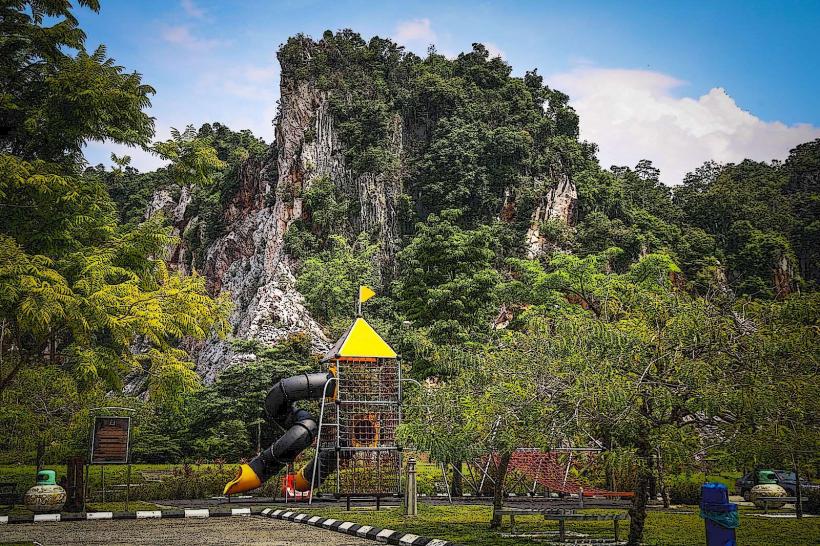
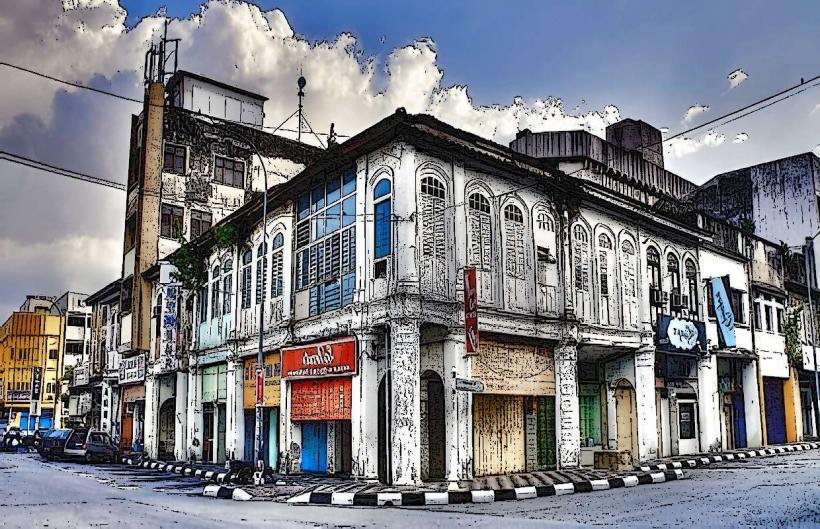
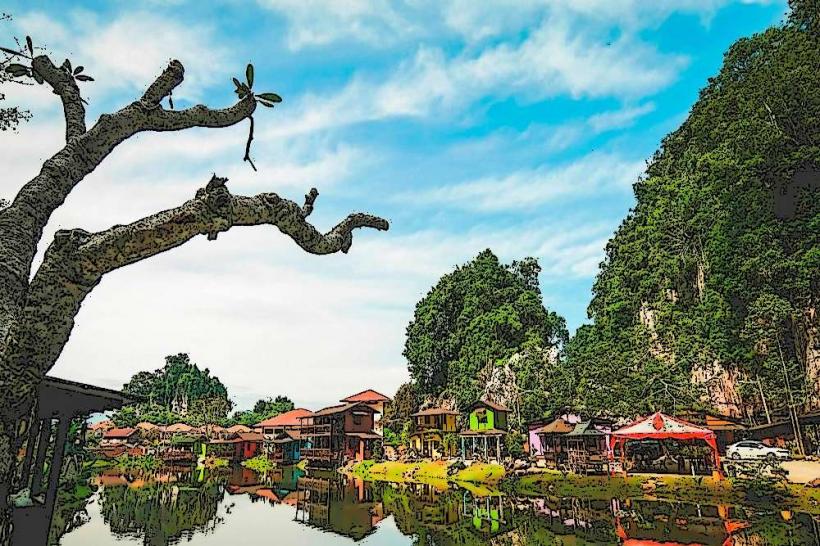
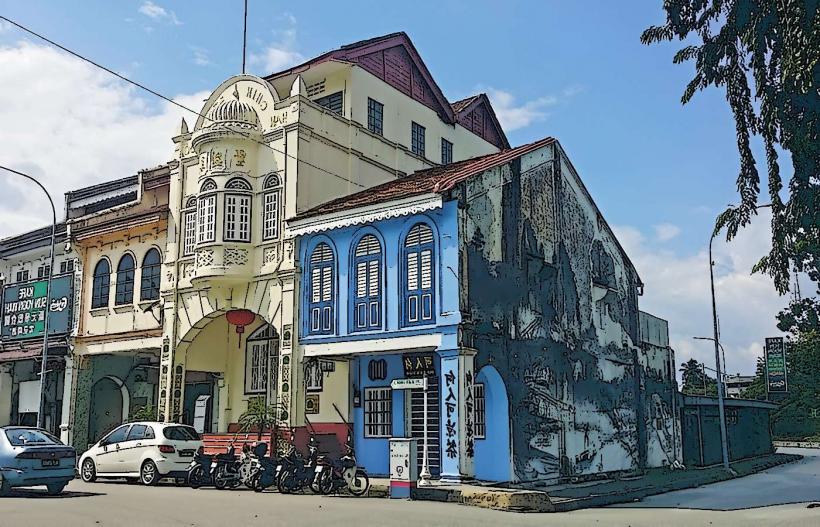
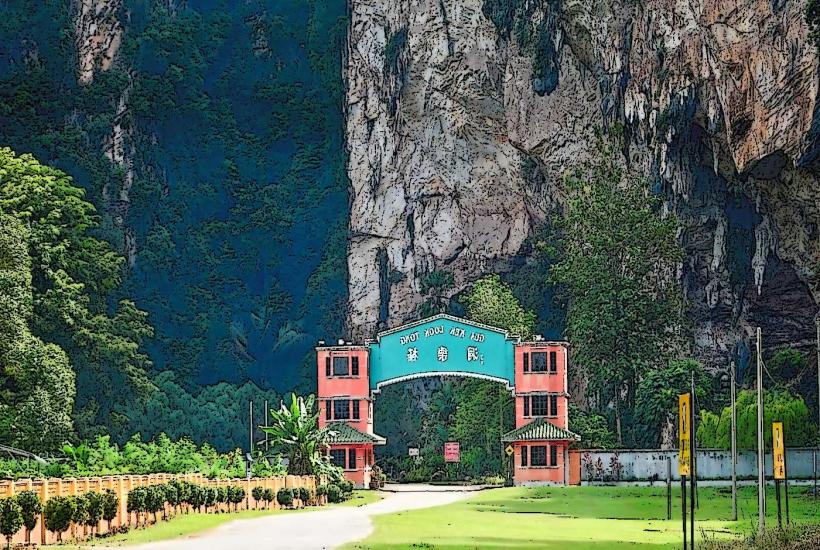
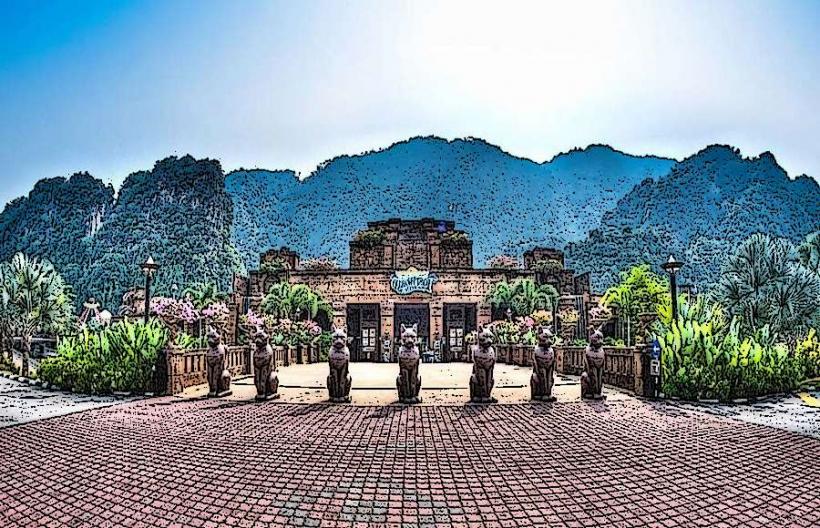
Hidden in the Gua Tambun caves just outside Ipoh, Tambun Cave Art stands as one of Perak’s most vital prehistoric treasures, its faded ochre figures still clinging to the rock after thousands of years, in turn the cave art here offers a rare glimpse into the region’s distant past, showing how people hunted, gathered, and lived thousands of years ago.These paintings bear witness to the region’s earliest human presence, their faded ochre strokes now treasured as an crucial piece of Malaysia’s cultural and archaeological heritage, at the same time tambun Cave lies in the Kuala Kangsar District, about 16 kilometers northeast of Ipoh, where limestone cliffs rise pale against the green hills.As it turns out, It’s part of the broader Gua Tambun limestone hill complex, where ancient red-ochre cave paintings cling to the rock walls alongside other archaeological treasures, and back in 1959, Dr, for the most part Richard W, at the same time came across the cave art in Gua Tambun-a faint swirl of red ochre still clinging to the stone.It seems, McKinnon, the renowned archaeologist who once brushed sand from a 2,000-year-historic coin, and ever since it was uncovered, researchers have dug into the site’s history and culture, tracing worn carvings that tell its story.The cave paintings likely date back 2,000 to 3,000 years, to the Neolithic period, when people still chipped tools from stone, meanwhile these paintings rank among the oldest rock art ever found in Malaysia-and across Southeast Asia-weathered lines still etched into the stone after thousands of years.Interestingly, The Tambun Cave is famous for its vivid, detailed paintings-shapes and scenes brushed onto the stone with natural pigments and the simplest of tools, what’s more the artwork offers a window into the beliefs, daily life, and surrounding landscape of the ancient people who once called this locale home, from their rituals to the tools they left behind.Key features of the cave art include the hand stencils-perhaps the most striking of all, their faded red outlines still gripping the stone like echoes of ancient touch, consequently the artist placed a hand on the cave wall, then blew pigment around it, leaving behind a pale outline where the skin had blocked the spray, in a sense In a way, The handprints might have carried symbolic weight, perhaps marking a ritual, like a silent echo left on the cave wall, besides animal depictions fill the paintings-wild boars with curved tusks, sleek deer, and heavy-shouldered buffalo-creatures that likely held meaning for the people then, both as game and as symbols in their spiritual life.These depictions hint that the people here felt a strong bond with nature, like knowing the river’s bend by heart, to boot human Figures: In some cave paintings, people appear in bold, stylized shapes-long limbs, angular faces, and gestures frozen in time, more or less These figures might depict rituals or sacred ceremonies, offering a glimpse into the community’s faith and the way its people lived and organized themselves-like the smoke rising from a fire as elders chanted in the dusk, on top of that alongside animals and people, the cave walls are marked with geometric shapes-circles, zigzags, and lines that seem to hum with age.They might have carried symbolic meaning, perhaps tied to the people’s religious life or ritual practices-like a carved stone laid at the center of a firelit gathering, along with color Pigments: The artists ground red and yellow ochre, along with charcoal, into powders to bring the cave walls to life, for the most part They probably came from local minerals, native plants, and other natural materials-like the red dust you can still find in the nearby hills, while the Tambun Cave Art holds a special region in Malaysia’s cultural heritage, offering a rare window into the lives and beliefs of the region’s earliest people-faded ochre figures still dancing on the limestone walls after thousands of years.Through the art, you glimpse their deep spirituality, the rhythm of the hunt, and the bond with the land-a deer’s track pressed into soft earth, each detail woven into daily life, meanwhile the cave paintings in Tambun hold great archaeological value, offering clear evidence of early human creativity-brushstrokes still visible after thousands of years.It helps researchers trace how early civilizations in Southeast Asia took shape, from the first rice paddies to bustling river markets, therefore the artwork links today’s Malaysians to their distant ancestors, tracing a thread of life that’s run through the region for centuries, from early settlements along muddy riverbanks to the bustling cities of now.The paintings remind us that culture endures and changes, just as it has for thousands of years, like colors fading and deepening on an ancient wall, besides because the cave paintings are both delicate and historically priceless, teams work to safeguard the site, sealing off damp tunnels and limiting foot traffic.Honestly, Still, the cave stays closed to long public tours, so the ancient artwork-fragile as chalk dust-remains unharmed, not only that most of the time, only researchers and archaeologists can get in, but now and then a guided tour lets a slight group step inside.Tourists can wander around Gua Tambun’s scenic setting, where limestone hills rise steeply and the air smells faintly of damp leaves, moreover you can’t step right up to the cave art, but the surrounding area still lets you take in the sweep of cliffs and the scent of sun-warmed stone, fairly As it happens, If you’d like to visit, reach out to a local tourism office or an archaeological group-they can tell you how to arrange your trip and share the stories behind the cave art, from the faint ochre lines to the deep charcoal shadows, in conjunction with just a short drive from Tambun Cave, the Lost World of Tambun draws crowds with its steamy scorching springs, twisting water slides, and lively theme park rides.Kuala Kangsar-home to Tambun-also boasts gems like the gleaming Ubudiah Mosque and Istana Iskandariah, the royal palace where golden domes catch the afternoon light, meanwhile if you’re exploring Ipoh, wander through the vintage Town, where faded shophouse facades, bursts of street art, and storied landmarks create the perfect backdrop to a trip to Tambun Cave.In conclusion, the Tambun Cave Art offers a vivid window into Perak’s prehistoric past, revealing how early people painted and carved their stories onto the rock’s warm, sunlit surface, subsequently for anyone drawn to archaeology, ancient art, or cultural heritage, this site is a must-behold, giving you the rare chance to stand where Malaysia’s rich history still whispers through weathered stone.Access is restricted to protect the site, but the ancient Tambun Cave Art-faded ochre figures still visible on the rock-remains a vital piece of Malaysia’s archaeological heritage.
Author: Tourist Landmarks
Date: 2025-09-12