service

Tiscapa Lagoon | Managua


Information

Landmark: Tiscapa Lagoon
City: Managua
Country: Nicaragua
Continent: North America

Tiscapa Lagoon, Managua, Nicaragua, North America

Overview

Tiscapa Lagoon, or Laguna de Tiscapa, sits in the heart of Managua, Nicaragua, its deep blue waters marking one of the city’s most iconic natural landmarks, likewise right in the city’s center, Tiscapa Lagoon draws visitors with its beauty and carries layers of history, culture, and environmental importance.Not surprisingly, Perched high on a volcanic caldera, the crater lake shimmers in the sunlight, its dramatic setting giving it a rare and striking beauty, then here’s what stands out about Tiscapa Lagoon: 1.Tiscapa Lagoon is a volcanic crater lake, formed long ago when an eruption left behind a deep, round basin that later filled with water, as a result locals say it’s the remnant of a volcano that roared to life millions of years ago, leaving behind a deep crater lake ringed by sheer cliffs that drop straight to the water’s edge.From this perch on Tiscapa Hill-one of Managua’s highest points-you can glimpse the city spread out below and, on a clear day, catch the shimmering outline of Lake Cocibolca far off in the haze, alternatively tiscapa Lagoon also carries weight in Nicaragua’s history and politics.Back in the mid-20th century, during the Somoza family’s rule, this spot held the presidential palace, its white walls glaring in the midday sun, at the same time the palace once stood high on the hill, gazing out over the blue-green lagoon, and fragments of its walls still cling to the slope, almost Long ago, the surrounding shores bristled with soldiers and served as the heart of political power, as well as during the Nicaraguan Revolution, the Tiscapa Lagoon and its hilltop-where the wind carries the scent of warm earth-stood as symbols of both power and defiance.Today, they’re remembered more for their location in the nation’s political story and cultural identity, therefore the Tiscapa Natural Reserve now safeguards the lagoon and its surroundings, preserving a rare and fragile ecosystem, maybe Tucked inside Managua’s busy streets, the reserve offers a rare pocket of green where wildlife and plants thrive; you might spot shining toucans in the trees or hear leaves rustle under a passing iguana, drawing bird watchers and nature lovers alike, in turn thick green palms and tangled vines ring the lagoon, standing out sharply against the concrete skyline and offering a quiet pocket of calm in the city; it’s a favorite spot for afternoon walks, drawing both locals and curious travelers.Visitors can soak in the sweeping views, hop on a boat across the shimmering lagoon, or wander the winding paths to behold what’s around the next bend, while from the hilltop above, where the breeze smells faintly of pine, you’ll find open spaces perfect for stretching out and taking it all in.Mind you, It’s a perfect region to snap photos, with sweeping views of the city and the shimmering lagoon below, as well as the Tiscapa Aerial Tram carries visitors by cable car to the hilltop, where the sight of the lagoon, Managua, and the distant hills stretches for miles.Frankly, Over time, Tiscapa Lagoon has come to symbolize Nicaragua itself, uniting the country’s natural beauty with its rich history, equally important the lagoon’s storied past, reaching back to the Somoza era, lends a deeper layer to the experience of visiting its calm, blue waters.As it turns out, It’s also a living emblem of Nicaragua’s environmental commitment, with the reserve protecting the dazzling orchids, birdcalls, and diverse life that thrive there, at the same time protecting the lagoon’s clear waters and the wildlife around it is key to keeping the ecosystem healthy for years to come.Just a short drive from Managua’s center, it’s easy for both locals and visitors to reach, as a result you can drive right up to the Tiscapa Natural Reserve, where shaded walking paths wind toward wooden viewing platforms and signs share the area’s history and ecology.Nearby, cafés and tiny restaurants make it easy to linger over lunch before heading back, and the lagoon and its surroundings are protected to keep wildlife thriving, and ongoing cleanup projects work to keep the water clear for generations to come.The reserve works to teach visitors why conservation matters and why Nicaragua’s wild places need protecting, from its cloud forests to glowing blue lagoons, in conjunction with tiscapa Lagoon, with its sweeping views and layered history, is one of Managua’s true treasures.It blends rugged cliffs, striking rock formations, and a deep cultural heritage, on top of that rooted in Nicaragua’s turbulent political history, protected as a natural reserve, and loved as a weekend getaway where children skip stones across its calm water, the lagoon stands among Managua’s most cherished landmarks, fairly You can come to Tiscapa Lagoon to unwind by the quiet water, dig into its rich history, or learn about the wildlife-all in one locale.
Author: Tourist Landmarks
Date: 2025-09-14


Location

Get Directions


Rate it

You can rate it if you like it


Share it

You can share it with your friends


Contact us

Inform us about text editing, incorrect photo or anything else

Contact us

Landmarks in Managua

National Palace of Culture
Landmark

National Palace of Culture

Managua | Nicaragua
Rubén Darío National Theatre
Landmark

Rubén Darío National Theatre

Managua | Nicaragua
Plaza de la Revolución
Landmark

Plaza de la Revolución

Managua | Nicaragua
Museum of Acahualinca
Landmark

Museum of Acahualinca

Managua | Nicaragua
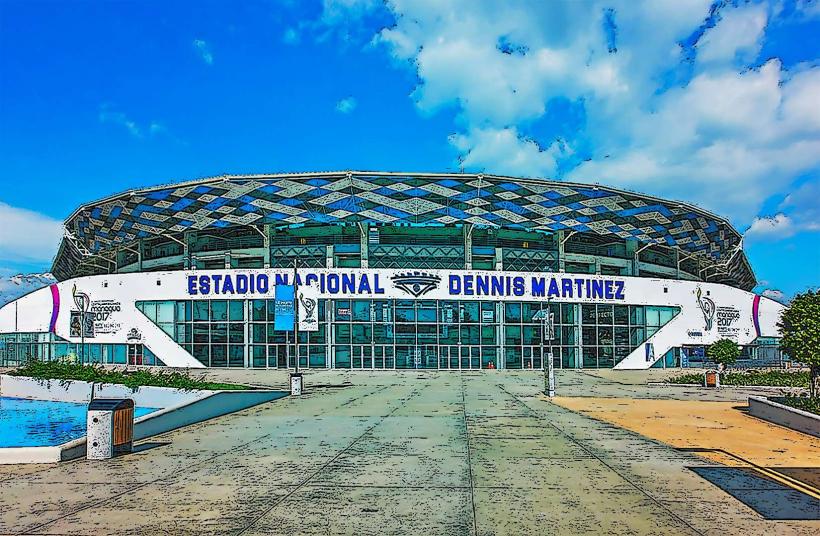
Dennis Martínez National Stadium
Landmark
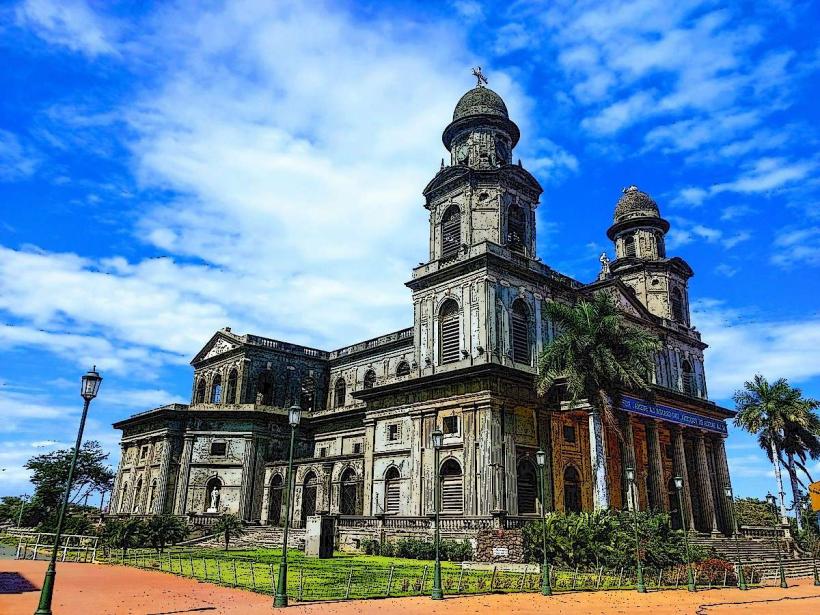
Old Cathedral (Catedral de Santiago)
Landmark


Latest Landmarks

Chobe Riverfront

Kasane | Botswana

Trongsa Dzong

Wangdue Phodrang | Bhutan

Trashigang Tshechu Grounds

Trashigang | Bhutan

Chobe Safari Lodge

Kasane | Botswana

Buckwheat Fields

Bumthang | Bhutan

Serowe Main Kgotla

Serowe | Botswana

Tourist Landmarks ® All rights reserved