Information
Landmark: Tu Lan Cave SystemCity: Quang Binh
Country: Vietnam
Continent: Asia
Tu Lan Cave System, Quang Binh, Vietnam, Asia
The Tu Lan Cave System is a network of caves located in the Minh Hoa District of Quang Binh Province, Vietnam. It is known for its karst formations and underground rivers.
Visual Characteristics
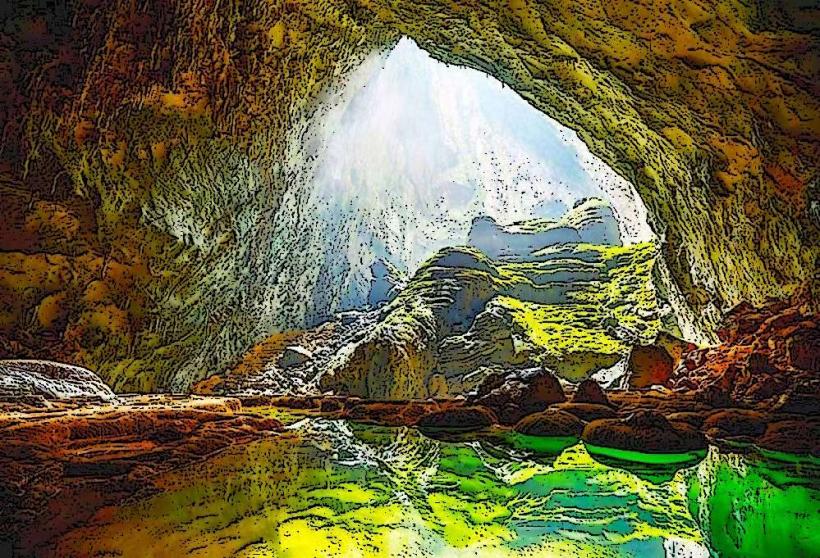
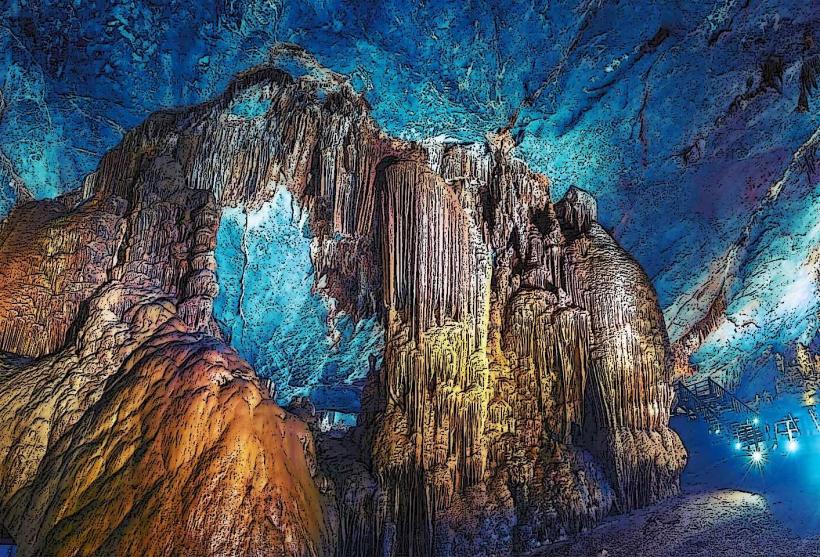
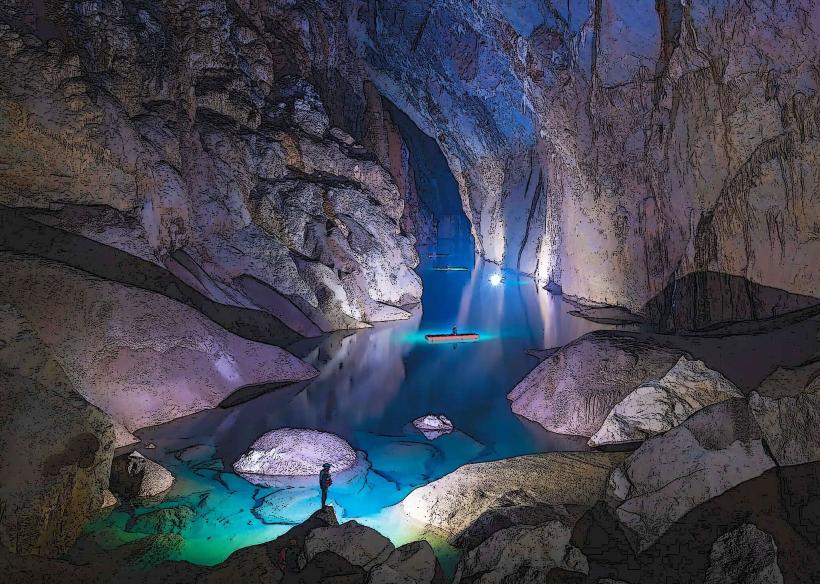
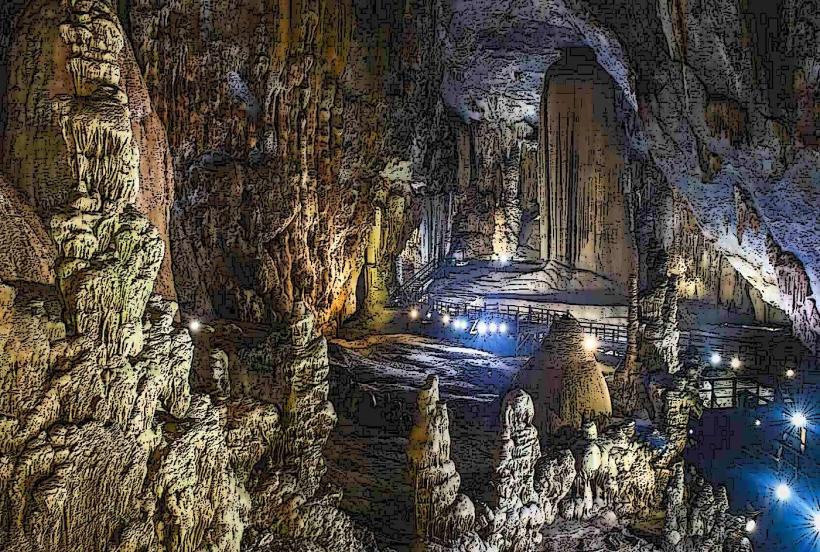
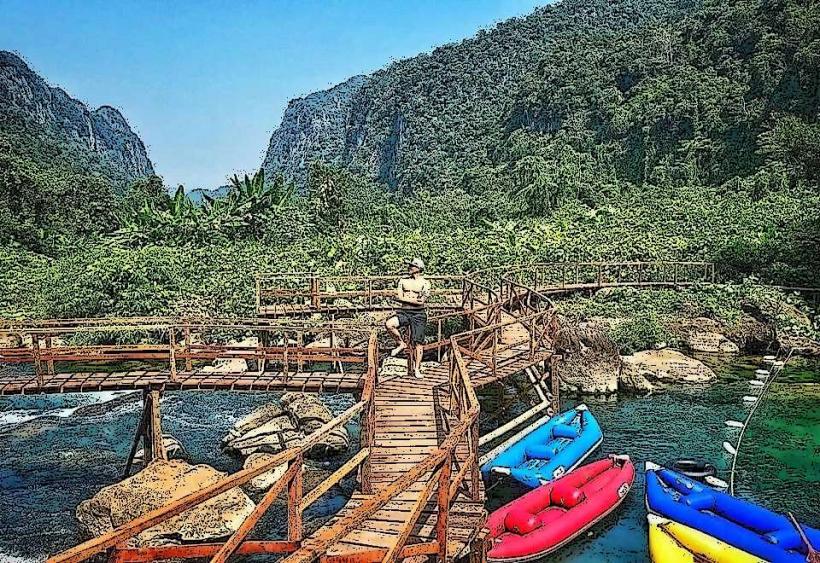
The cave entrances are typically narrow openings in limestone cliffs, often surrounded by dense jungle vegetation. Inside, the caves feature stalactites and stalagmites of varying sizes and formations, composed of limestone. Underground rivers within the system exhibit clear to slightly turbid water, depending on recent rainfall. The cave walls are primarily rough limestone, with some sections showing evidence of water erosion.
Location & Access Logistics
The Tu Lan Cave System is situated approximately 70 kilometers northwest of Dong Hoi city. Access is primarily managed through organized tours departing from Phong Nha town. The journey from Phong Nha involves a combination of road travel (approximately 1.5 hours by vehicle, often on provincial roads like DT563) and trekking through jungle terrain. Private vehicle parking is available at the tour operator's base in Phong Nha. Public transport directly to the cave system is not available; tours include all necessary transfers.
Historical & Ecological Origin
The Tu Lan Cave System is a product of the karst topography of the Annamite Range, formed over millions of years by the dissolution of soluble rock, primarily limestone, by acidic rainwater. The system is part of the larger Phong Nha-Ke Bang National Park, a UNESCO World Heritage Site recognized for its significant geological and ecological value. The caves are home to a unique subterranean ecosystem, with specific flora and fauna adapted to low-light conditions.
Key Highlights & Activities
Activities include trekking through jungle trails to reach cave entrances, swimming in underground rivers within the caves, and exploring cave chambers via guided tours. Specific caves within the system, such as Hang Ken and Hang Hung Ton, offer distinct exploration experiences. Caving expeditions can range from half-day to multi-day adventures, often involving camping within the cave system.
Infrastructure & Amenities
Basic amenities are provided by tour operators, including camping equipment for multi-day trips. Restrooms are typically available at the tour operator's base camp before and after expeditions. Within the cave system itself, natural shade is provided by rock formations and vegetation at cave entrances. Cell phone signal is generally absent within the cave system and limited in the surrounding jungle. Food vendors are not present within the cave system; meals are usually included in tour packages.
Best Time to Visit
The dry season, from March to August, is generally recommended for visiting the Tu Lan Cave System, as it minimizes the impact of heavy rainfall on river levels and trekking conditions. During the wet season (September to February), river levels can rise significantly, potentially altering access and activities. The best time of day for photography within the caves depends on the specific chamber and the availability of natural light or artificial lighting provided by guides.
Facts & Legends
During the Vietnam War, parts of the Tu Lan cave system were used as shelters by local populations and soldiers. Local folklore speaks of spirits inhabiting the deeper, unexplored sections of the caves, guarding ancient treasures. A specific tip for visitors is to wear sturdy, closed-toe shoes with good grip, as the terrain can be slippery and uneven.
Nearby Landmarks
- Phong Nha-Ke Bang National Park Headquarters (15km Southeast)
- Paradise Cave (Son Doong Cave entrance area) (25km Southeast)
- Dark Cave (Hang Toi) (30km Southeast)
- Phong Nha town center (70km Southeast)