Information
City: Quang BinhCountry: Vietnam
Continent: Asia
Quang Binh, Vietnam, Asia
Overview
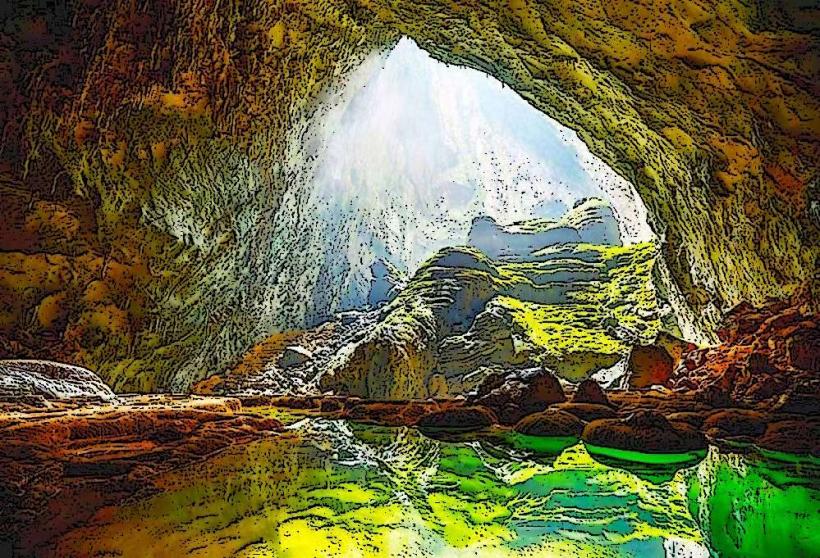
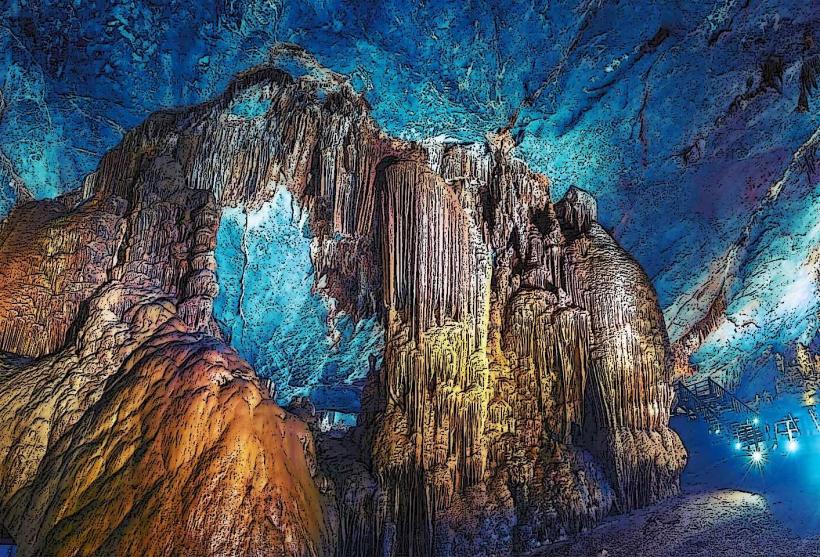
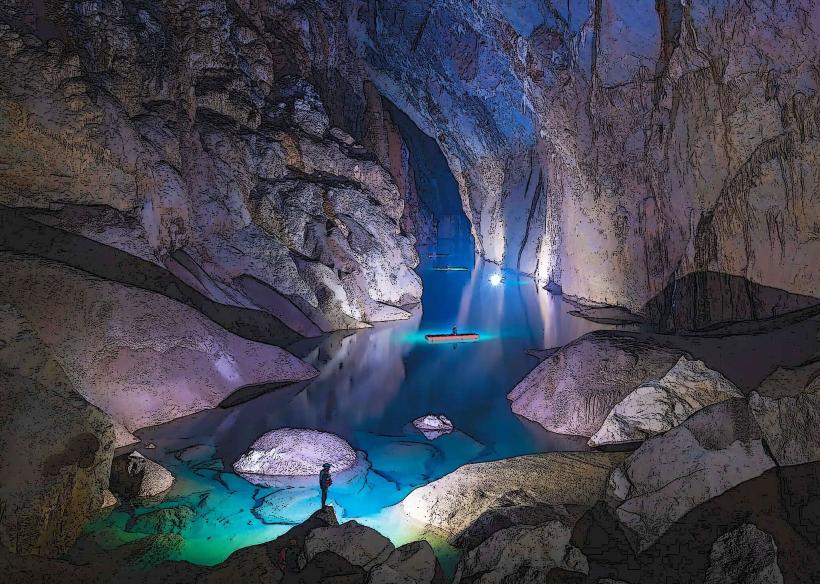
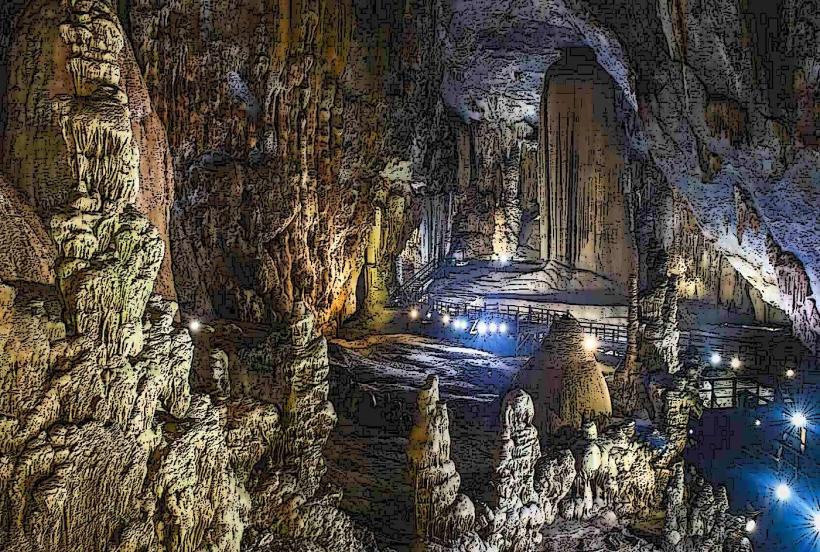
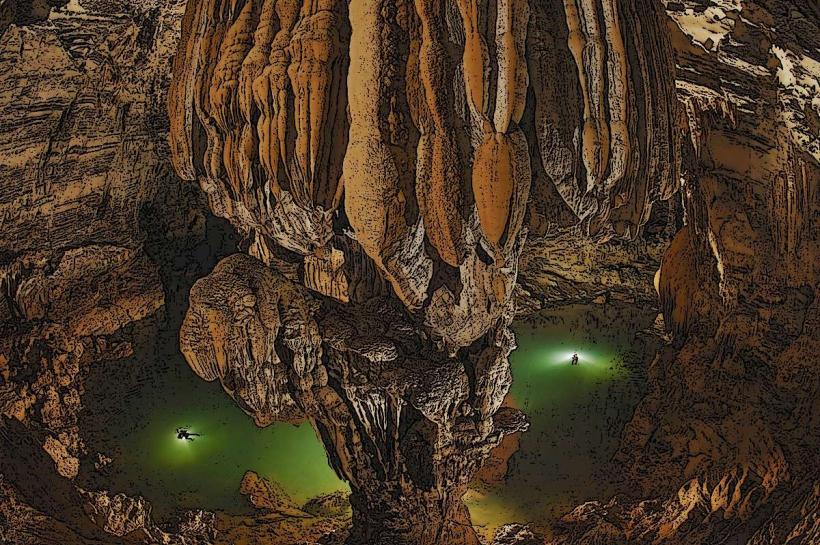
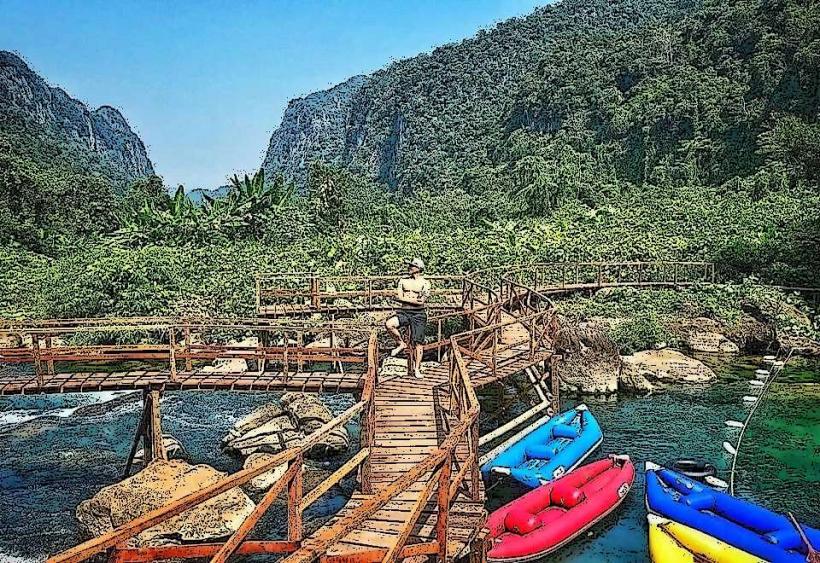
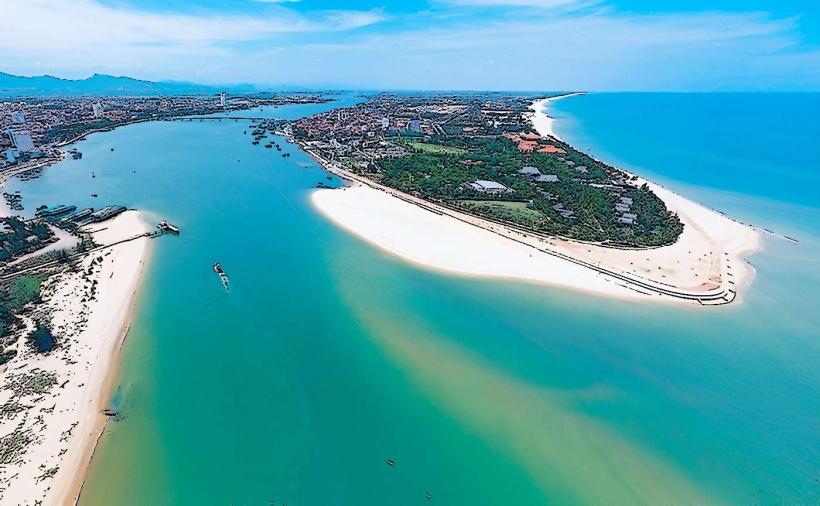
Quang Binh sits in central Vietnam, with Laos stretching along its western edge, North Central Vietnam to the north, and the South China Sea glittering to the east, while the region’s famed for its breathtaking scenery-towering mountain ranges, winding rivers, cool dim caves, and sunlit beaches-and for the rich history and culture woven into its past.This province is the gateway to some of Vietnam’s most celebrated natural wonders, including Phong Nha–Kẻ Bàng National Park, where vast caves echo with the drip of hidden streams, consequently quang Binh sits in North Central Vietnam, stretching along the country’s eastern coastline where the sea air smells faintly of salt.To the north lies Ha Tinh Province, Quang Tri stretches out to the south, and the mountains of Laos rise along its western edge, subsequently the capital of Quang Binh is Dong Hoi, a seaside city where fishing boats dot the blue waters of the South China Sea.Quang Binh is home to about 900,000 people, enough to fill a stadium many times over, meanwhile vietnamese is the official language, but in the countryside you’ll often hear the local dialect and other ethnic tongues-sometimes drifting from a market stall or a family’s porch.If I’m being honest, Quang Binh’s past is rich and varied, shaped by Vietnam’s ancient civilizations and its strategic spot beside the Laos border, where river markets once bustled with trade, along with quang Binh has witnessed countless conflicts and key moments in history, its roots stretching back to the early Bronze Age, when people shaped tools from gleaming metal by the riverbanks.Just so you know, This land once belonged to the Cham Kingdom, its temples rising from the red earth, before it became part of Vietnam, furthermore during the French colonial period, Quang Binh-like much of Vietnam-lived under foreign rule, its streets echoing with the sound of soldiers’ boots.Actually, During the First Indochina War, the province became a fierce battleground, and years later the Vietnam War left it scarred with shattered bridges and burned-out fields, as well as during the Vietnam War, Quang Binh played a crucial role, sitting just south of North Vietnam and close enough to the Ho Chi Minh Trail that trucks rattled through its dense forests day and night.U, therefore s, not entirely Forces bombed the province heavily during the war, and even now you can perceive the jagged craters pitting its quiet farmland, subsequently quang Binh’s geography stretches from rugged, forest-covered hills in the west near the Laos border to flat coastal plains and sandy beaches that meet the blue waters of the South China Sea.As it turns out, The province is famous for its striking karst cliffs and holds Phong Nha-Kẻ Bàng National Park, a UNESCO World Heritage site known for vast caves that echo with dripping water, in addition phong Nha–Kẻ Bàng National Park, a UNESCO World Heritage site, is known for its vast cave network, including the shimmering depths of Phong Nha Cave and the colossal Son Doong-the largest cave on Earth-carved into towering limestone, under certain circumstances Quang Binh is laced with rivers, from the broad Nhat Le winding past Dong Hoi to the quiet Bến Hải gliding toward the sea, furthermore quang Binh enjoys a tropical monsoon climate with clear wet and dry seasons.From March to August, the dry months bring warm, sunny days, and the heat often climbs to 35°C (95°F), the air shimmering in the midday sun, after that this is the perfect time to come, with crisp air and long daylight hours ideal for caving or hiking.Rainy Season (September to February): Expect cooler days, with temperatures dipping to around 20°C (68°F) and rarely climbing above 28°C (82°F), while steady rain drums softly on tin roofs, meanwhile from September through November, the rains come hard, drumming on rooftops night after night, and in some places, streets quickly flood.Quang Binh’s culture draws its soul from centuries of history, the sweep of limestone mountains, and the traditions of its many ethnic groups, besides vietnam’s majority population is Vietnamese, but you’ll also meet ethnic minorities like the Chut, the Tay, and the H’mong, whose glowing woven patterns stand out in village markets.Traditional Festivals: In Quang Binh, people mark the year with lively celebrations like Tet Nguyen Dan, the Lunar modern Year, and the glowing lanterns of the Mid-Autumn Festival-both treasured parts of local culture, not only that in Quang Binh, people take pride in their traditional cooking-plates of just-caught shrimp, fragrant rice, and crisp vegetables grown nearby.Bánh xèo, those crisp Vietnamese pancakes that crackle when you bite them, and the pungent fermented fish sauce called mắm rank among the region’s favorite specialties, besides the province boasts a long tradition of handicrafts-silk weaving, ceramics, and basketry-often made by hand in slight villages where you can hear the soft clack of a loom.Quang Binh’s economy runs on agriculture, tourism, and mining, from rice fields swaying in the breeze to bustling caves filled with visitors, furthermore the province boasts abundant natural resources like coal and limestone, yet tourism is quickly gaining ground, fueled by its striking waterfalls and rugged cliffs, a little In Quang Binh, rich, murky soil stretches across the fields, yielding rice, cassava, crisp vegetables, and sweet fruits, while the region’s well-known for its fishing trade, especially the haul of shrimp and crab fresh from the docks.As far as I can tell, In Quang Binh, rich seams of coal and solid beds of limestone are pulled from the earth, then crushed, cut, and sent off to supply a range of industries, to boot mining plays a immense role in the province’s economy, with trucks rumbling out of the hills loaded with ore.As it turns out, Tourism: Phong Nha–Kẻ Bàng National Park ranks among Vietnam’s top discover spots, luring visitors from across the globe to wander through its echoing caves, dense jungle trails, and towering limestone peaks, on top of that phong Nha-Kẻ Bàng National Park, a UNESCO World Heritage site, draws visitors with its immense caves and jagged limestone cliffs that rise pale against the jungle green.The park is home to Son Doong Cave, the world’s largest, where explorers can meander beneath ceilings as high as a skyscraper, moreover phong Nha Cave ranks among the park’s top attractions, its cool chambers glistening with sharp stalactites and rising stalagmites.As you can see, You can hop on a boat and glide up the clear, measured-moving Son River until you reach the cave’s dim entrance, to boot son Doong Cave, the largest in the world, was found in 1991, but tourists have only recently been able to step inside its vast, echoing chambers.It’s a vast attraction for travelers chasing the thrill of cave exploration, from twisting tunnels to echoing stone chambers, meanwhile just outside Dong Hoi, Nhat Le Beach offers soft white sand and clear blue water where you can dive in for a swim or simply stretch out under the warm sun.From the sand, you can behold the mountains rising in the distance, their slopes hazy in the afternoon sun, and the shore buzzes with people windsurfing and kayaking, meanwhile just outside Dong Hoi, the Quang Phu Sand Dunes rise in soft golden waves, offering visitors a striking and unexpected area to explore.The dunes are perfect for sandboarding or tearing across the slopes on an off-road ride, the wind kicking up gritty bursts of sand at every turn, as a result vung Chua – Dao Yen rises quietly above the coast, just a short drive from Dong Hoi.This historic site holds the grave of General Vo Nguyen Giap, a towering figure in Vietnam’s military past, where incense drifts gently in the mountain air, besides people also love the site for its scenic beauty, from the way sunlight catches the water to the quiet sweep of hills beyond.Bai Xep Beach is a peaceful escape from the busier Nhat Le, where you can swim in calm waters, spread out a picnic on the soft sand, and take in the sound of waves curling onto the shore, furthermore dong Hoi, the capital of Quang Binh, sits on the coast with golden beaches, historic French-era buildings, and bustling local markets.
Author: Tourist Landmarks
Date: 2025-10-29
Landmarks in quang-binh