Information
Landmark: Pharping MonasteryCity: Kathmandu
Country: Nepal
Continent: Asia
Pharping Monastery, Kathmandu, Nepal, Asia
Pharping is an ancient Newar town and a major pilgrimage center located on the southern rim of the Kathmandu Valley. Known to Tibetans as Yangleshö, it is considered as sacred as Bodhgaya by many Vajrayana practitioners, primarily due to its association with Guru Padmasambhava (Guru Rinpoche).
The term "Pharping Monastery" often refers to one of the several prominent institutions in the area rather than a single building.
Major Monasteries & Sacred Sites
Asura Cave & Pema Ösel Ling: Located in "Upper Pharping," this is the most famous site. Guru Rinpoche is said to have attained the siddhi of Mahamudra here. The cave is integrated into a monastery complex founded by Tulku Urgyen Rinpoche, which includes a three-year retreat center.
Yangleshö Cave & Rigdzin Drubpe Gatsal Ling: Situated in "Lower Pharping" near the Shesnarayan Temple, this cave is associated with Guru Rinpoche’s summer retreats. The adjacent monastery was established by the renowned yogi Chatral Rinpoche; his reliquary stupa is a major focal point here.
Neydo Tashi Chöling: A large, modern monastery in the neighboring Setidevi area. It follows the Karma Kagyu tradition and is known for its massive golden Buddha statue and a visitor guest house.
Palyul Samten Ösel Ling: A prominent Nyingma retreat center and shedra (monastic college) established by Penor Rinpoche and headed by Khenchen Namdrol Rinpoche.
Dolu Guru Rinpoche Statue: In the nearby Dolu village, a massive 118-foot (36-meter) statue of Guru Rinpoche overlooks several recently constructed Nyingma monasteries.
Visual Characteristics
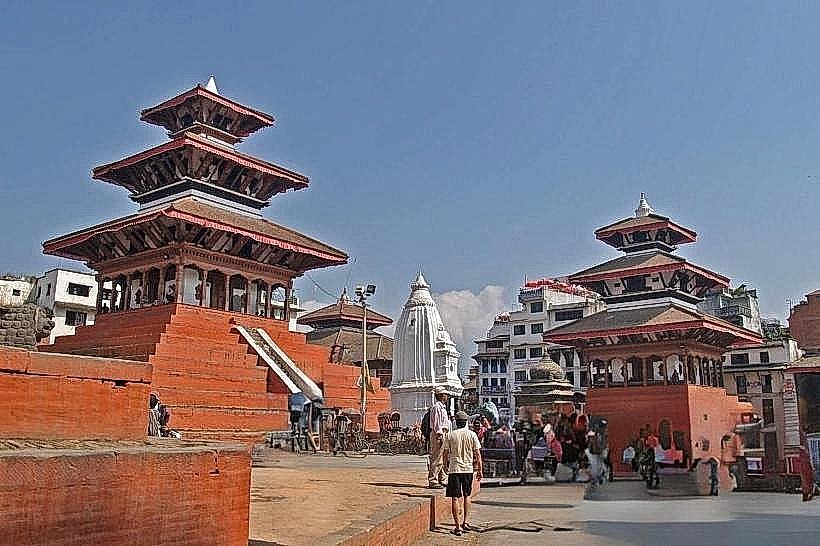
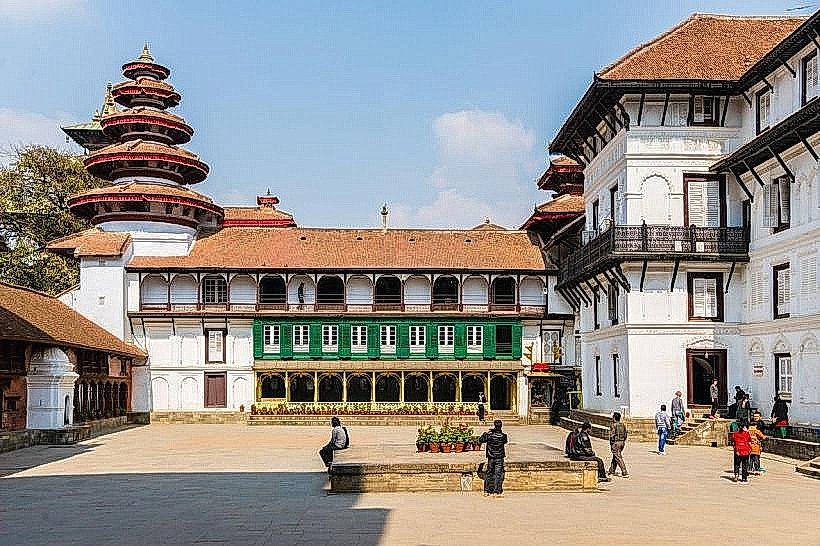
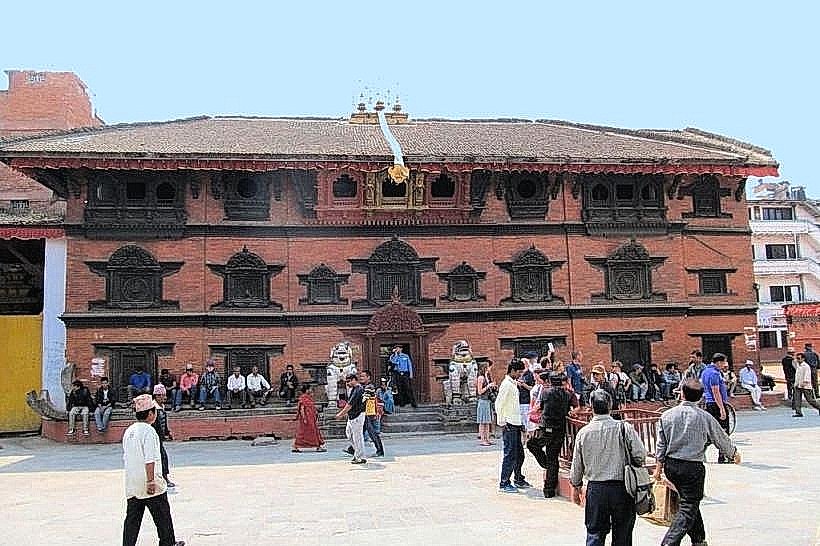
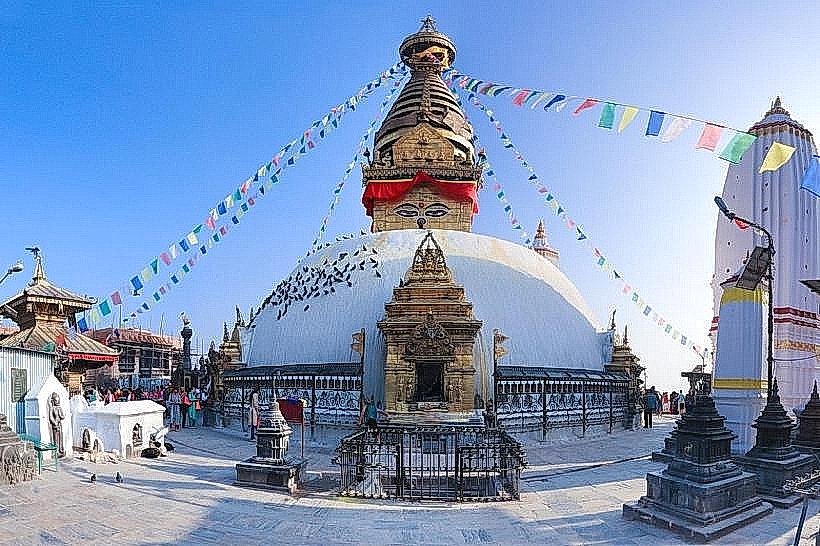
The Pharping landscape is a dense cluster of monasteries, retreat centers, and traditional Newari houses. The hills are heavily draped in multicolored prayer flags. Most monasteries feature typical Tibetan architectural elements: red and gold facades, intricate murals (thangkas), and large courtyards. The caves are small, natural limestone recesses filled with butter lamps and statues.
Location & Access Logistics
Distance: ~19–23 kilometers south of Kathmandu.
Transport: A 1-hour drive by private taxi (approx. 1,500–2,500 NPR). Local buses from Ratna Park toward Dakshinkali stop at the Pharping Bazaar.
Navigation: Once in town, most sites are reachable via steep stone staircases. Upper and Lower Pharping are separated by a 15-minute walk.
Key Activities
Cave Meditation: Practitioners often spend hours in the Asura or Yangleshö caves.
Kora: Circumambulating the various stupas and the holy sites of the town.
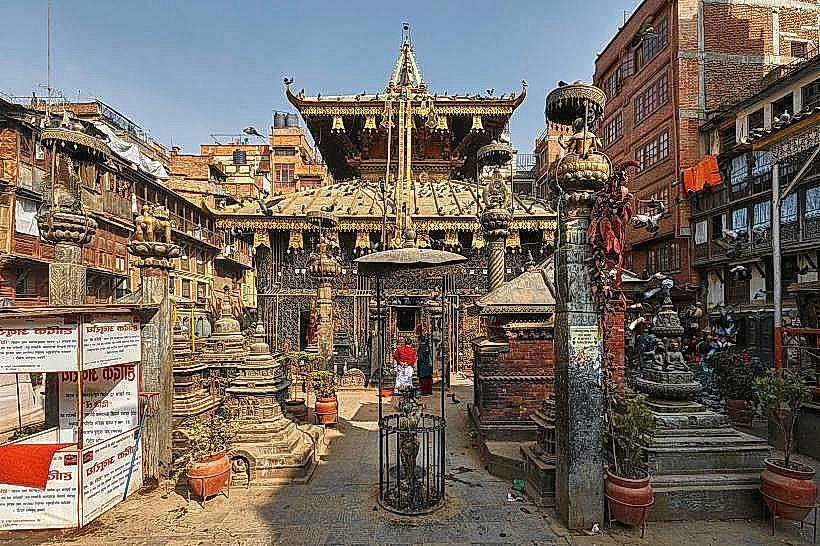
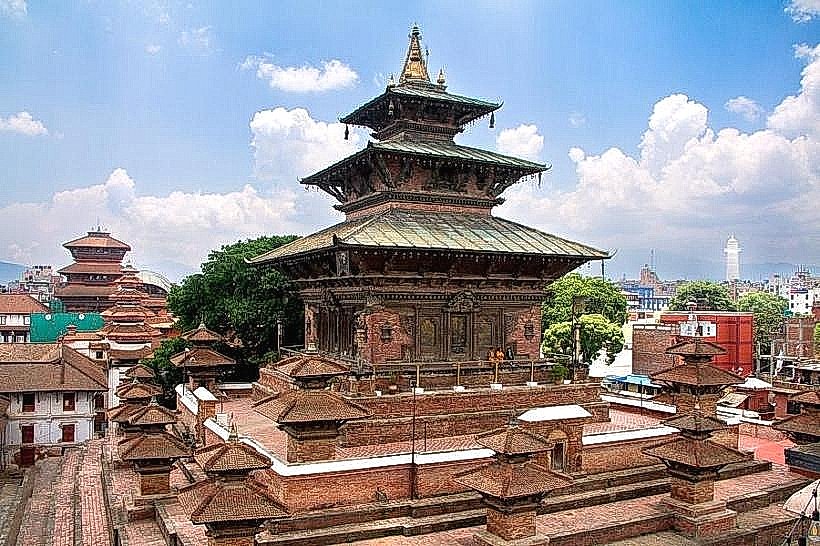
Vajrayogini Temple: Visiting the 17th-century Newari-style temple dedicated to the female deity of pure awareness, located on the hill between the town and the caves.
Relic Viewing: Paying respects at the reliquary stupas of masters like Chatral Rinpoche and Jigme Lingpa.
Infrastructure & Amenities
Pharping has evolved into a "Dharma hub" with numerous guesthouses catering to long-term retreatants. Basic restaurants and tea shops are plentiful in the bazaar. 4G/5G signals are stable. Visitors should dress modestly (shoulders and knees covered) as this is an active monastic community.
Nearby Landmarks
Dakshinkali Temple: 1.5km South
Shesnarayan Temple: 0.5km South (at the base of the hills)
Taudaha Lake: 10km North (on the way back to Kathmandu)
Chobhar Gorge: 13km North