Information
Landmark: University of Oklahoma CampusCity: Norman
Country: USA Oklahoma
Continent: North America
University of Oklahoma Campus, Norman, USA Oklahoma, North America
The University of Oklahoma (OU) campus in Norman, Oklahoma, is a sprawling and historically rich environment combining academic buildings, cultural institutions, green spaces, and research facilities. Established in 1890, the campus covers approximately 3,000 acres and serves as a hub for higher education, arts, and community engagement in the state.
History and Development
OU was founded shortly after Oklahoma Territory was established. Its early campus consisted of a few key academic buildings and student housing, gradually expanding as enrollment and program offerings grew. Over the decades, the university has combined classical architectural styles with modern structures to create a campus that reflects both tradition and innovation. The campus layout has evolved to integrate pedestrian pathways, open lawns, and strategic building clusters to foster interaction and accessibility.
Campus Layout
The University of Oklahoma campus is organized into distinct zones:
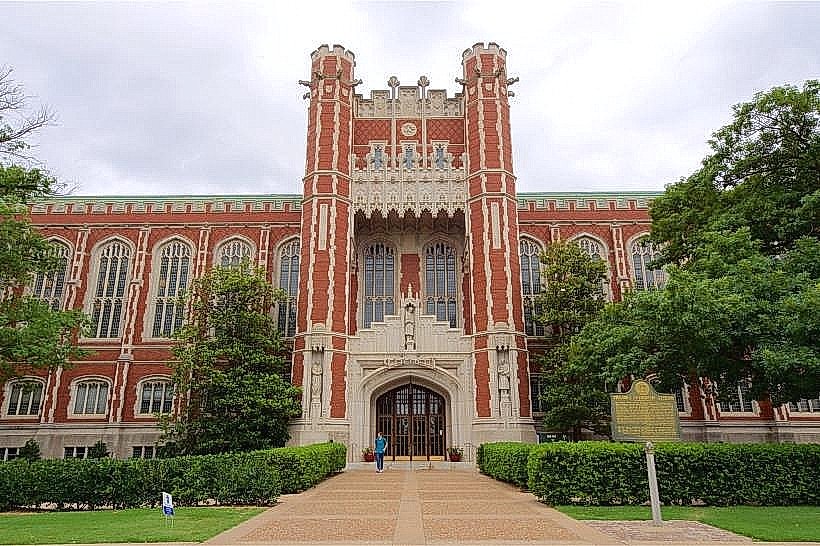
Academic Core: Central area housing major academic buildings, lecture halls, and administrative offices. Notable buildings include the Bizzell Memorial Library, Collings Hall, and the Sarkeys Energy Center.
Residential Areas: Dormitories and residential colleges are interspersed throughout the campus, providing housing options for undergraduates, graduates, and faculty.
Research and Science Districts: Includes specialized facilities such as the OU Health Sciences Center, scientific laboratories, and research centers dedicated to fields like meteorology, engineering, and geology.
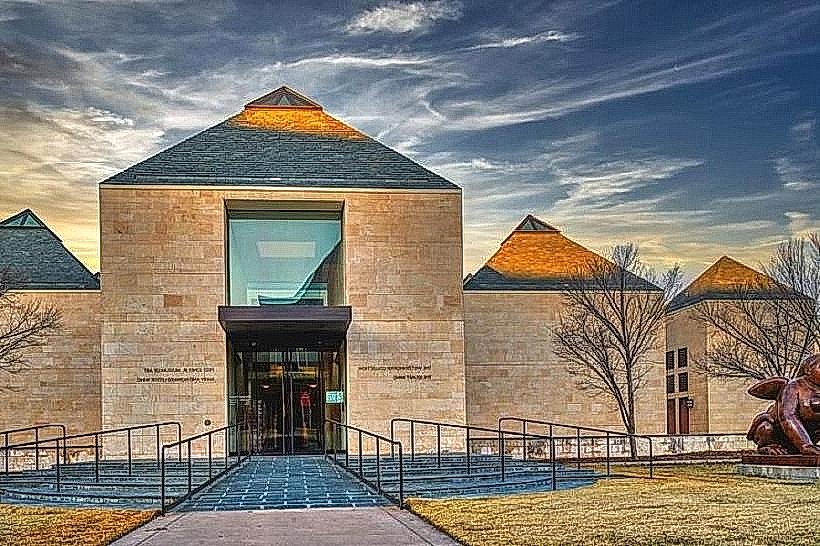
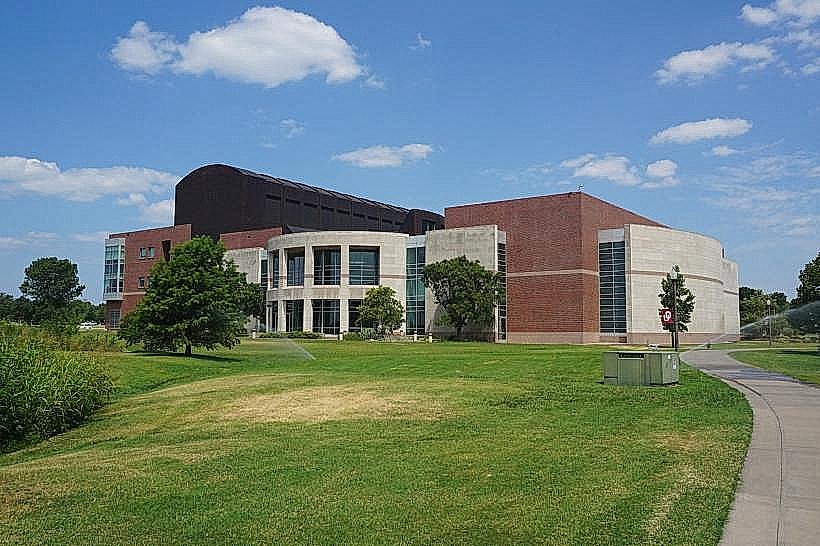
Cultural and Arts Zones: Home to the Fred Jones Jr. Museum of Art, Sam Noble Oklahoma Museum of Natural History, and various performance venues for music, theater, and dance.
Recreational Spaces: Extensive green spaces, gardens, sports fields, and walking trails are integrated to promote wellness and outdoor activities.
The campus uses a mix of grid and radial planning, with broad avenues linking key areas. Pedestrian pathways and bike lanes are prevalent, encouraging eco-friendly transportation and connectivity between academic, residential, and cultural sites.
Notable Buildings and Facilities
Bizzell Memorial Library: Central library with extensive collections, research facilities, and study spaces.
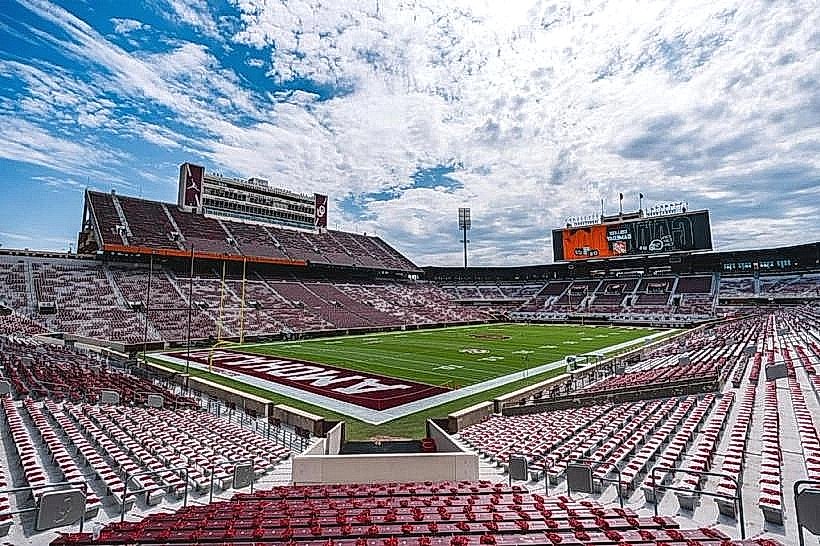
Gaylord Family Oklahoma Memorial Stadium: Iconic stadium for football and large university events.
Price College of Business: Modern classrooms and research facilities for business and management education.
Jeannine Rainbolt College of Education: Houses teaching programs, research labs, and community outreach centers.
Fred Jones Jr. Museum of Art: University art museum featuring a world-class collection.
Sam Noble Oklahoma Museum of Natural History: Museum with extensive natural history and cultural exhibits.
Cultural Centers: Include student unions, multicultural centers, and performance spaces for music, theater, and visual arts.
Campus Green Spaces
OU’s campus emphasizes landscaped open spaces that enhance both aesthetics and functionality:
South Oval: A central green space often used for events, gatherings, and student activities.
Gardens and Lawns: Designed around historical buildings to create visually appealing environments for study and leisure.
Walking Trails and Arboretum Areas: Facilitate walking, jogging, and nature study, integrating ecological education with recreational use.
Transportation and Accessibility
The campus is designed for pedestrian access, with shuttle services, bike-sharing programs, and parking facilities supporting students, staff, and visitors. Accessibility is a priority, with ramps, elevators, and ADA-compliant pathways throughout.
Student Life and Community
OU’s campus is vibrant with student organizations, cultural events, athletic competitions, and community engagement initiatives. Residential life, dining options, and recreational facilities foster a dynamic environment for students, while public-access venues like museums and performance halls connect the university to the broader Norman community.
Visitor Tips
Campus Tours: Guided and self-guided tours highlight key buildings, history, and cultural landmarks.
Parking: Multiple visitor lots and garages are available, with clearly marked zones.
Accessibility: Fully accessible pathways, ramps, and elevators throughout the campus.
Events: Regularly host exhibitions, performances, lectures, and sporting events open to the public.
The University of Oklahoma campus represents a blend of academic excellence, cultural richness, and natural beauty, creating a comprehensive environment for learning, research, and community engagement.