Information
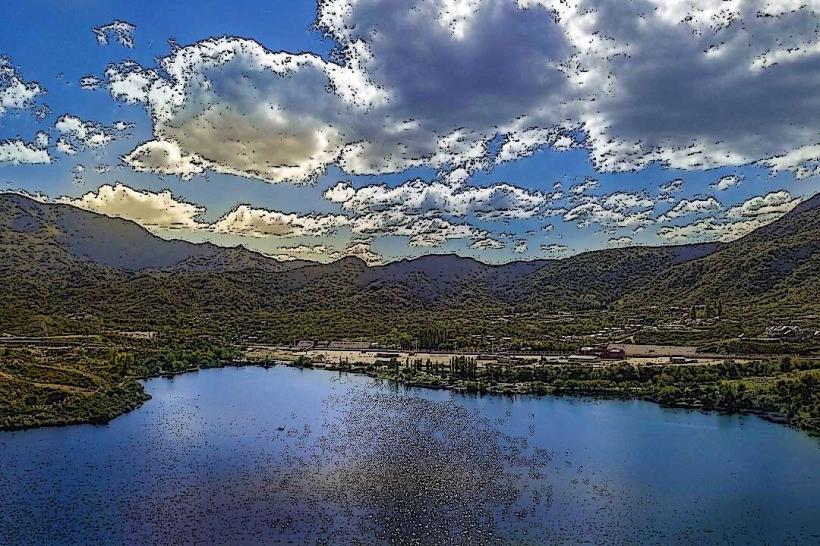
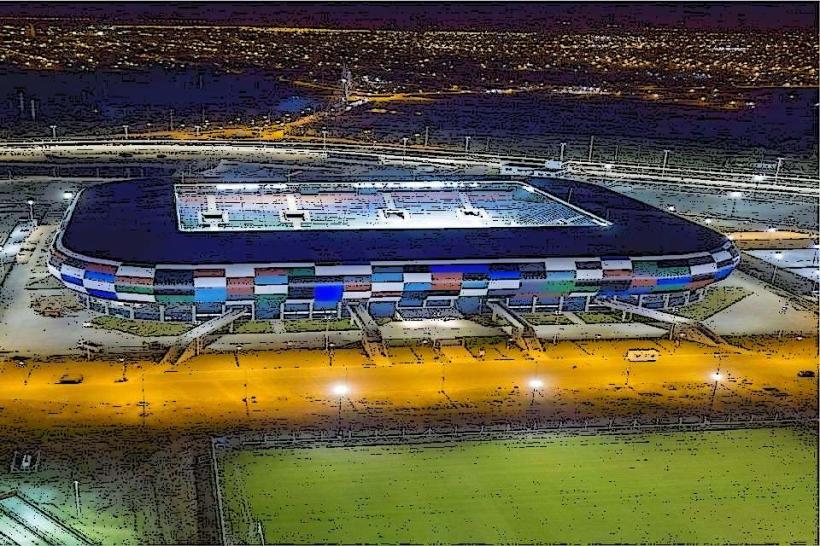
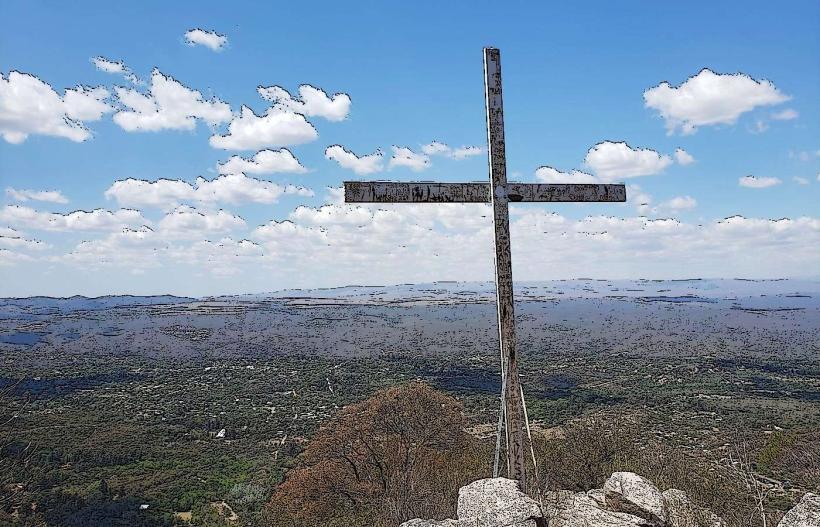
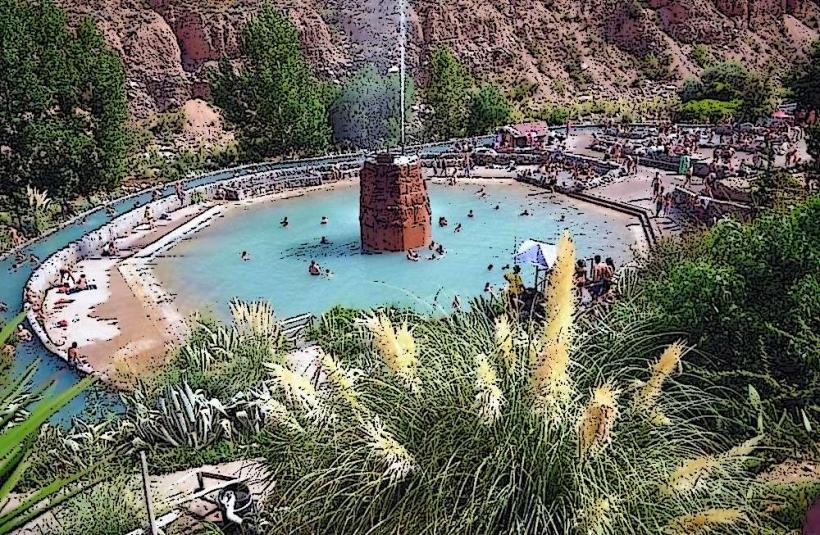
Landmark: Villa de MerloCity: San Luis
Country: Argentina
Continent: South America
Villa de Merlo, San Luis, Argentina, South America
Praia de Morro Branco is a coastal area located east of Fortaleza, Brazil, characterized by its distinctive cliffs and natural formations.
Visual Characteristics
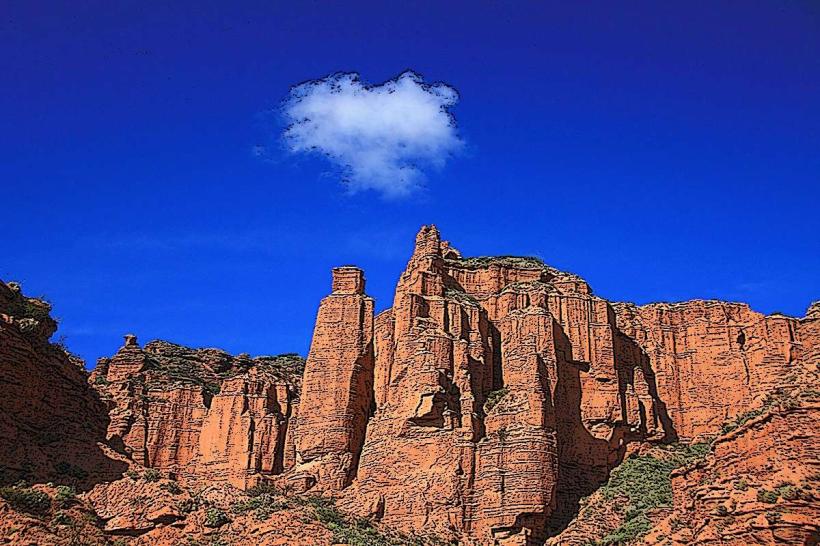
The beach features cliffs composed of colored sand, ranging in hue from white and yellow to red and brown. The sand on the beach itself is fine-grained. The ocean water is typically a clear blue-green. Vegetation is sparse on the cliff tops, consisting mainly of low-lying scrub and drought-resistant plants.
Location & Access Logistics
Praia de Morro Branco is situated approximately 85 kilometers east of Fortaleza. Access is primarily via the CE-040 highway. From Fortaleza, take the CE-040 towards Beberibe. The turn-off for Morro Branco is well-marked. Parking is available in designated areas near the beach entrance, often managed by local vendors. Public transport options include intercity buses from Fortaleza's bus terminal (Terminal Rodoviário de Fortaleza) to Beberibe, with local vans or taxis available for the final stretch to Morro Branco.
Historical & Ecological Origin
The colored cliffs are a result of geological erosion processes acting on sedimentary rock formations over millennia. The specific mineral content within the sand layers creates the distinct color variations. Ecologically, the area is part of the coastal semi-arid region of Brazil, supporting specialized flora adapted to saline conditions and limited rainfall.
Key Highlights & Activities
Visitors can walk along the base of the cliffs to observe the layered sand colors. Guided tours are available, often including a walk through the "Labirinto" (Labyrinth), a natural maze formed by the erosion of the cliffs. Craftspeople sell souvenirs made from the colored sands. Boat trips along the coast are also offered.
Infrastructure & Amenities
Basic infrastructure includes small kiosks and restaurants offering local food and drinks. Restrooms are generally available at these establishments. Shade is provided by natural rock overhangs and temporary structures. Cell phone signal (4G) is typically available in the main visitor areas.
Best Time to Visit
The best time of day for photography of the cliffs is during the morning or late afternoon when the sunlight creates shadows that accentuate the color layers. The dry season, from August to December, offers the most consistent weather. High tide can affect access to certain areas at the base of the cliffs.
Facts & Legends
The colored sands are traditionally used by local artisans to create intricate sand paintings within glass bottles, a craft unique to the region. A local legend suggests the colors of the cliffs represent the tears of a heartbroken indigenous princess.
Nearby Landmarks
- Praia das Fontes (1.5km West)
- Canoa Quebrada (approx. 40km East)
- Parque das Dunas (Fortaleza) (approx. 80km West)
- Mercado Central (Fortaleza) (approx. 85km West)
- Theatro José de Alencar (Fortaleza) (approx. 85km West)