Information
Landmark: Wahgi ValleyCity: Mount Hagen
Country: Papua New Guinea
Continent: Australia
Wahgi Valley, Mount Hagen, Papua New Guinea, Australia
Overview
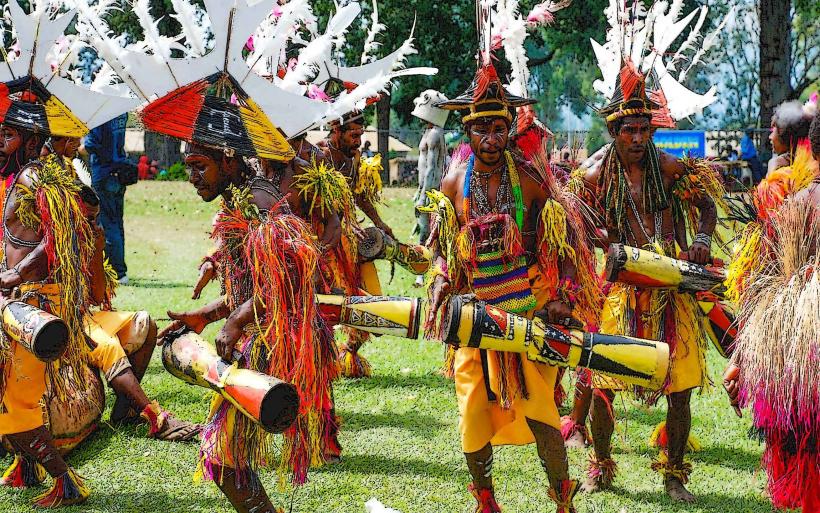
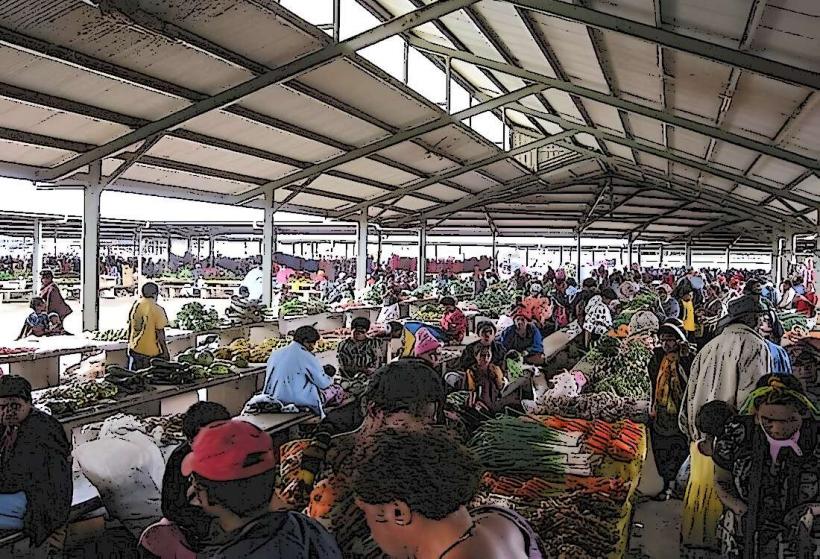
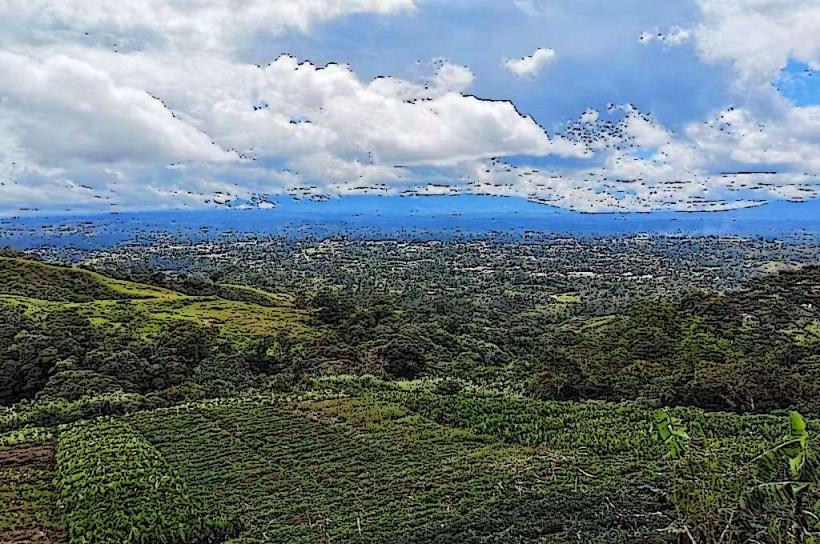
The Wahgi Valley stretches wide and green through Papua modern Guinea’s Western Highlands Province, its rich soil murky as fresh coffee grounds, as a result this region ranks among the nation’s most fertile, with obscure, loamy soil underfoot, a vibrant mix of cultures, and scenery that can stop you in your tracks, mildly Several indigenous groups call the valley home, and its influence runs deep-from ancient trade routes to the songs still sung beside evening fires, subsequently the valley’s best known for its link to the Wahgi River, a broad, steady current that winds through the land and feeds crops and villages alike.In a way, Tucked between the towering Bismarck Range to the north and the rugged Torricelli Mountains to the south, the Wahgi Valley unfolds in steep hills, winding valleys, and swift, nippy rivers, and the valley sits high in the hills, roughly 1,000 to 1,500 meters above sea level, where the air feels cool and the climate stays mild year-round.The Wahgi River winds through the valley, feeding green fields of sweet potatoes and keeping the communities along its banks alive, furthermore in the Wahgi Valley, murky, rich soil stretches for miles, making it one of Papua fresh Guinea’s most vital farming regions.With its rich, shadowy soil and mild breezes, the valley yields an abundance of crops-sweet potatoes, yams, taro, corn, cassava, and crisp vegetables, meanwhile coffee is another immense crop here, and the valley’s slopes are lined with rows of dusky green coffee plants.Mind you, The valley’s rich harvest feeds local families and also drives large-scale farming that ships crates of fresh produce far beyond its borders, subsequently the Wahgi Valley buzzes with the traditions of its many indigenous communities, from the Wahgi people to the Duna, Huli, and Kamano tribes, partially For generations, these groups have called the valley home, their cultures woven into its soil like threads in a worn, familiar tapestry, besides the region is famous for its vibrant traditions-sing-sings with pounding drums, age-historic rituals, and elaborate ceremonial gatherings.As you can see, People often gather for these ceremonies to mark massive moments-like a bumper harvest, a wedding, or the hard-won peace struck between clans, as a result in the Wahgi Valley, indigenous communities hold rapid to their traditions, with many still tending petite garden plots and living off what they grow, fairly Funny enough, The Mumu, a traditional feast, brings people together as pigs, sweet potatoes, and other foods roast slowly in a smoky earth oven before everyone shares the meal during celebrations, furthermore the Wahgi people are also celebrated for their striking body art-radiant painted faces, feathers swaying in their hair, and other decorations worn during ceremonies.The Wahgi River winds through the valley, its clear, chilly water a lifeline for the communities along its banks, in conjunction with people draw drinking water from the river, flood the fields with it in summer, and guide slight boats along its gradual, muddy current, occasionally Somehow, For centuries, the river carried goods and stories between tribes, its winding current linking every settlement in the valley’s trade network, also the Wahgi Valley holds deep historical value, home to ancient sites where tools still lie buried in the murky, rich soil.Honestly, People have lived in the valley for thousands of years, and traces of their earliest homes still linger-stone tools gleaming in the sun beside a dry riverbed, after that archaeologists have closely studied pre-Colonial trade networks, where people swapped pigs, gleaming shells, and sturdy tools.When agriculture arrived in the region-especially the planting of sweet potatoes-it reshaped daily life in the Wahgi Valley, from the layout of gardens to the smell of fresh earth after rain, furthermore tourism: The Wahgi Valley isn’t a top tourist hotspot, but a few travelers still come to wander its misty hills and experience the region’s traditional culture.Eco-tourists, trekkers, and culture seekers flock to the valley for its rare mix of experiences-sharing a meal with indigenous families, watching a drumbeat echo through a traditional ceremony, and taking in mountain views that glow gold at sunset, in addition visitors to the valley can wander through bustling markets, picking up handwoven baskets, fresh peaches, and other goods made by local hands.Flora and Fauna: The Wahgi Valley teems with plants and animals found nowhere else, from radiant orchids clinging to mossy branches to rare birds flashing through the trees, while around the valley, thick forests, winding rivers, and quiet wetlands shelter a rich variety of life, from darting kingfishers to rustling deer.In the rugged mountains circling the valley, visitors might spot native birds flashing shining feathers, along with unique reptiles and mammals found nowhere else, besides thick green rainforests spill down the hillsides, and the valleys below burst with tropical plants.Economic Development: Agriculture still anchors the region’s economy, but over the years the Wahgi Valley has gained fresh roads and electricity, with dusty tracks now paved and lit after dusky, at the same time still, the region struggles to reach modern services-seeing a doctor, sending kids to school, or catching a reliable bus can be harder than it should be.Just so you know, Most of the economy still revolves around subsistence farming, though there are a few bigger operations-especially in coffee, where rows of glossy green plants stretch across the hills, while despite its rich soil and promise for farming, the Wahgi Valley wrestles with serious problems-most urgently the creeping grip of climate change and the steady loss of its green hillsides.When the Wahgi River floods and the soil washes away, farms can grind to a halt; at the same time, clearing forests and pushing farmland deeper into the hills strains the land’s natural balance, subsequently the region’s isolation brings its own challenges, making it hard to reach basic services or modern infrastructure-even something as simple as a reliable internet connection can be out of reach.In conclusion, the Wahgi Valley bursts with lush hillsides, deep cultural roots, and fertile fields that have fed generations, as well as the land’s rich, gloomy soil and gentle climate keep its fields thriving, while the region’s many indigenous tribes still pass down their customs, from ceremonial dances to age-historic weaving patterns.Funny enough, Steeped in history, rich culture, and rugged natural beauty, the valley stands as a vital part of Papua novel Guinea, presenting tough hurdles and promising openings for sustainable growth, moreover from its rich farmland to the beat of its ceremonial drums and the mist curling over green hills, the Wahgi Valley stays a vibrant and essential heart of Papua fresh Guinea.
Author: Tourist Landmarks
Date: 2025-09-08