Information
Landmark: Zócalo de OaxacaCity: Oaxaca
Country: Mexico
Continent: North America
Zócalo de Oaxaca, Oaxaca, Mexico, North America
Overview
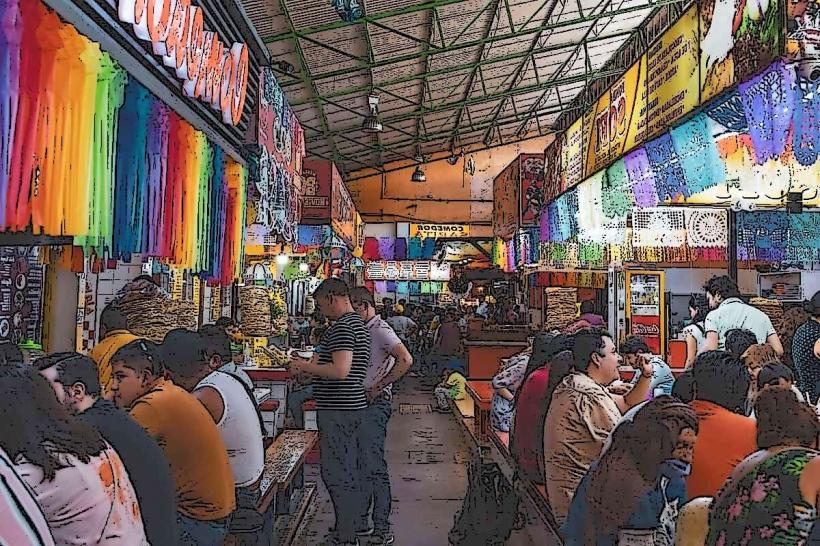
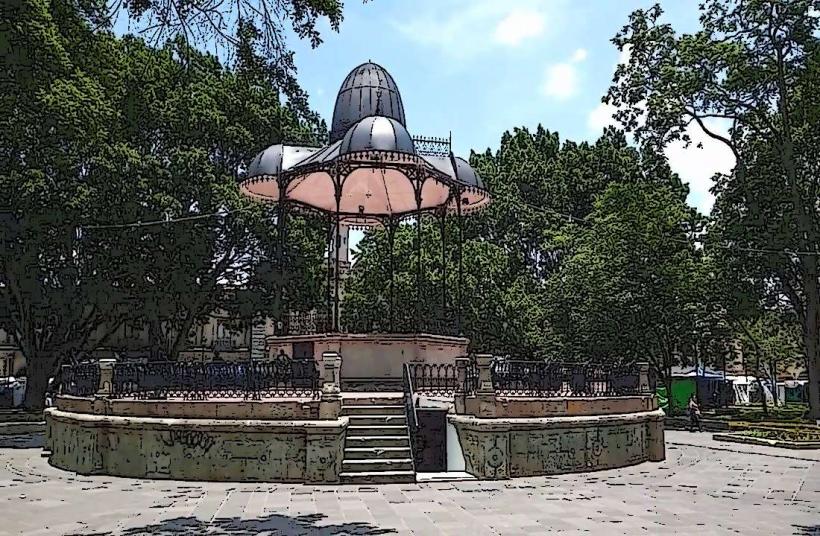
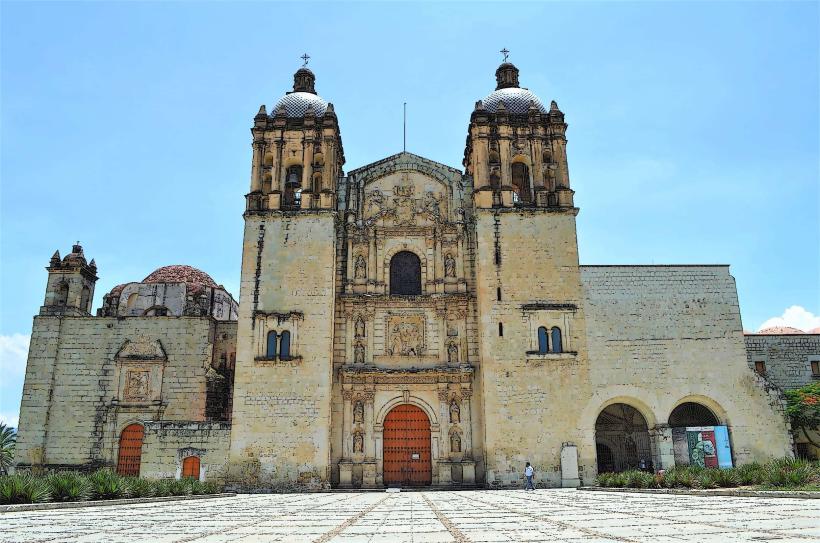
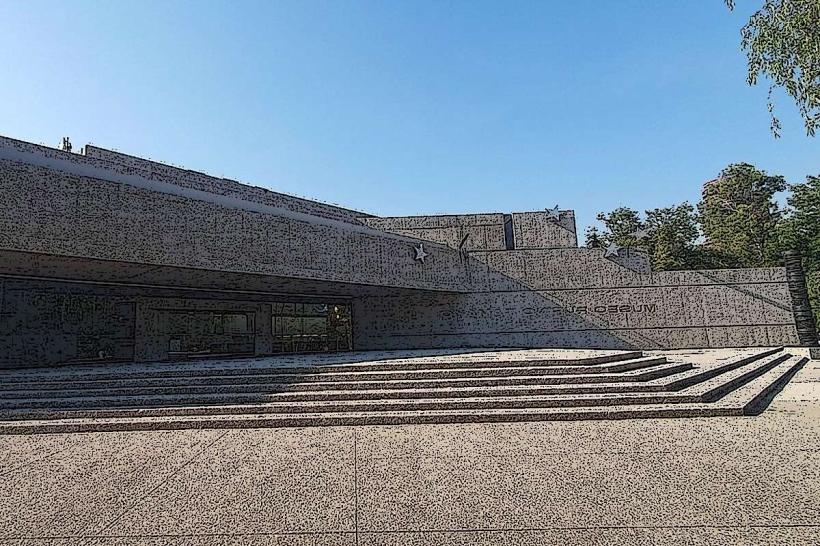
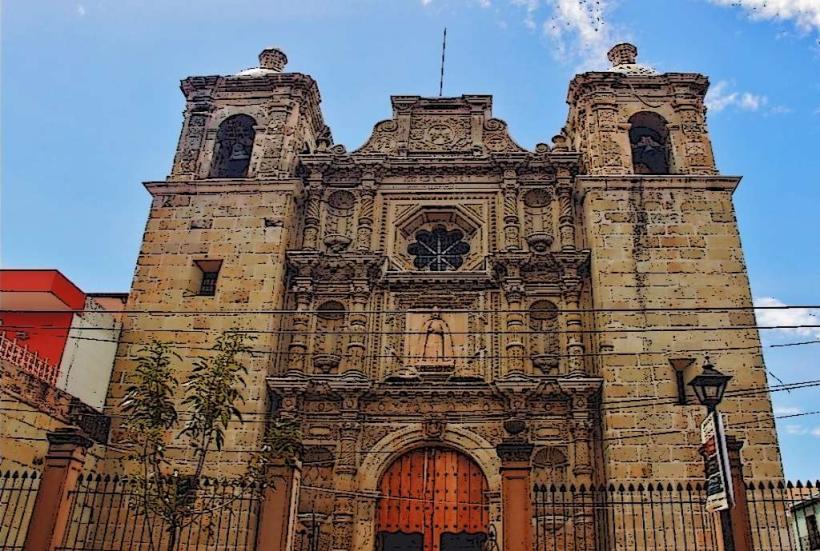
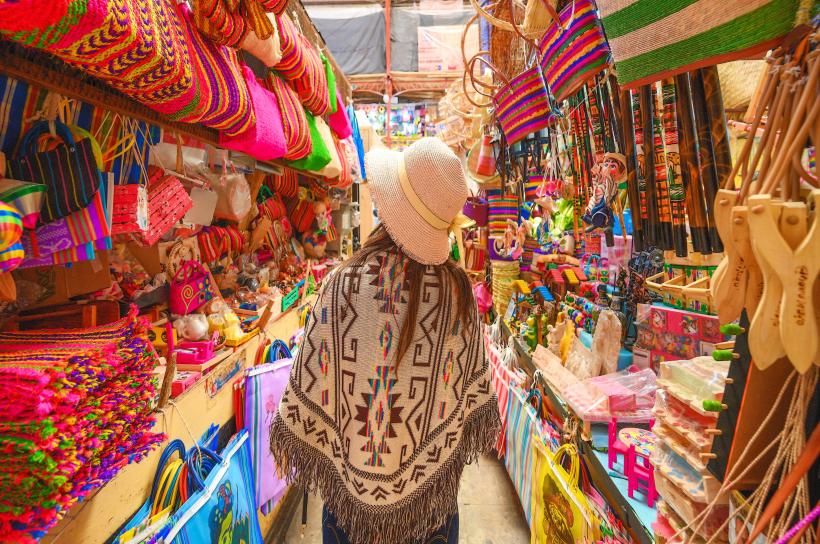
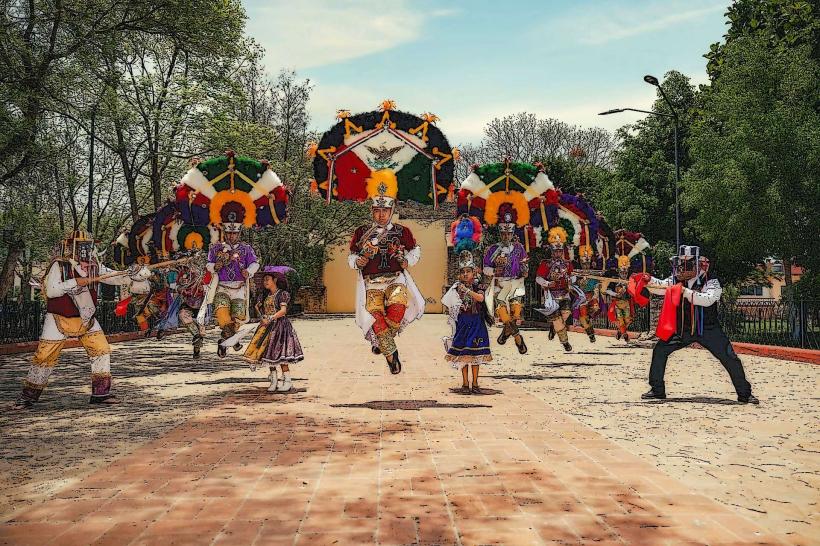
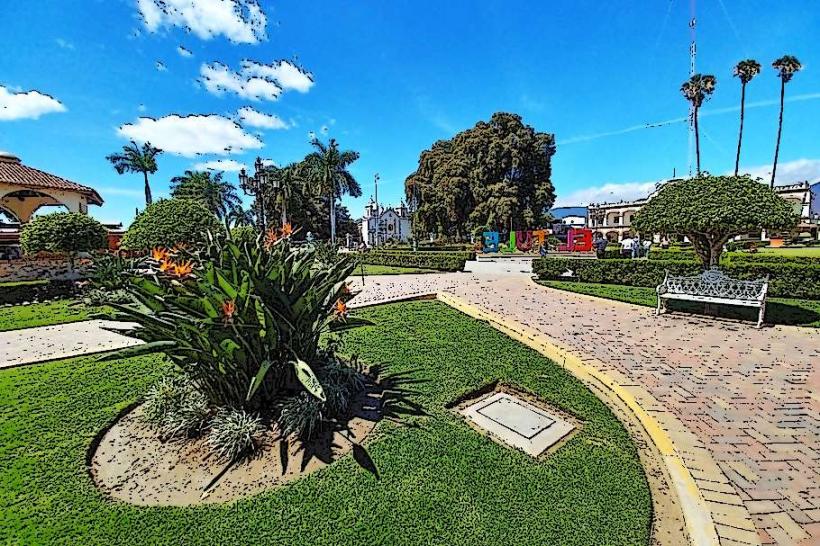
In the center of Oaxaca City, Mexico, the Zócalo-also called Plaza de la Constitución-serves as its main square, shaded by tall jacaranda trees, at the same time it’s one of the city’s most beloved spots, buzzing with history, culture, and the hum of people gathering for festivals and late-night music.As far as I can tell, The central plaza isn’t merely a square-it’s the city’s pulse, where locals linger over coffee and visitors soak in the spirit of Oaxaca, moreover let’s take a closer examine at what gives the Zócalo de Oaxaca its charm and significance-starting with the lively hum of voices under the shade of aged jacaranda trees.For centuries, people have met in the Zócalo de Oaxaca, its shaded benches and bustling plaza at the heart of the city, consequently in pre-Hispanic times, the Zapotec and Mixtec thrived here, gathering in its bustling plazas, and the spot remained a hub for social and political life well into the colonial era.The word “Zócalo” first meant the stone pedestal meant to hold a statue of Miguel Hidalgo, but, as years passed, it became the name for the whole bustling central plaza, therefore today, the Zócalo still beats as Oaxaca’s cultural and civic heart, alive with music, voices, and the scent of roasting corn.You’ll find it right next to the grand Catedral de Oaxaca and the stately Palacio Municipal, a spot that draws visitors eager to soak in the city’s history and admire its architecture, not only that two.The Oaxaca Cathedral, a striking baroque masterpiece, rises over one side of the Zócalo, its stone façade catching the afternoon light, after that the cathedral’s intricate carvings catch the light, its gilded halls glow, and its broad façade commands the square-any visitor should behold it, in some ways The Municipal Palace, standing across from the Zócalo, is a key government building that’s been there since the colonial era, its stone walls still cool in the afternoon shade, along with with its weathered colonial façade and rich history, it’s woven into the very fabric of the square’s design, to some extent Benches, palm trees, luminous flower beds, and cool fountains ring the Zócalo, making it a shady, inviting spot to sit and unwind, at the same time colonial-era stone facades rise beside stretches of soft green lawn, giving the destination a calm energy that still hums with life.Number three, while the Zócalo de Oaxaca buzzes with music, chatter, and the scent of fresh tamales-it’s the beating heart of the city’s culture.It’s where locals from Oaxaca come together to catch up, trade stories, and join in lively festivals-sometimes with the smell of fresh tamales drifting through the air, in conjunction with all year long, the square buzzes with life-street performers draw a crowd, colorful canvases brighten the corners, and local musicians fill the air with warm, familiar tunes.The square hosts immense events like the Guelaguetza, Oaxaca’s best-known cultural festival, where sparkling costumes swirl to the beat of drums and indigenous groups perform dances, music, and lively shows, in turn on Mexican Independence Day, September 16, the square bursts to life with parades, blaring brass bands, crackling fireworks, and voices carrying through the air during political speeches.Another standout is the Day of the Dead (Día de los Muertos), when the Zócalo fills with luminous marigolds, intricate altars, and offerings laid out to honor those who’ve passed, as a result number four.Local vendors line the Zócalo, their stalls bursting with luminous woven scarves and sizzling grills, making it the perfect spot to soak in Oaxaca’s vibrant street life, and local vendors crowd around, offering traditional Oaxacan crafts, handwoven textiles, dazzling paintings, and the smoky scent of tlayudas, quesadillas, and chilled mezcal drifting through the air.The area buzzes with food stalls and market vendors, serving up Oaxacan favorites like smoky tlayudas fiery off the griddle, likewise the air is rich with the scent of tacos de carnitas, warm tamales, and the tang of freshly squeezed fruit juice, tempting you to sample the local treats.Musicians, dancers, and street performers fill the Zócalo with energy, drawing in both locals and tourists with the sound of guitars and the flash of dazzling costumes, simultaneously the square bursts with life, from the sway of traditional danzón dancers to the dazzling, ringing notes of a marimba band, perhaps Five, in addition all year long, the Zócalo bursts to life with concerts, parades, and colorful festivals.Funny enough, Among the biggest crowd‑pleasers is the Guelaguetza in July, Oaxaca’s grand celebration of its indigenous cultures, with dancers swirling in sparkling woven skirts under the summer sun, in addition the Zócalo comes alive with music, swirling skirts, and dances that celebrate the many communities of Oaxaca.During Día de los Muertos, the Zócalo bursts with color, its altars draped in marigolds, flickering candles, and sugar skulls that gleam under the soft evening light, not only that it’s a sight that stops you in your tracks, like sunlight flickering across calm water.At Christmas and fresh Year’s, the Zócalo glows with strings of luminous lights and colorful ornaments, turning it into a spot that feels downright magical, furthermore on September 16, Mexican Independence Day turns the square into a pulsing heart of celebration, alive with booming fireworks, lively music, colorful parades, and the echo of political speeches.Number six, consequently in Oaxaca, the Zócalo has long been the heart of public life, where crowds gather for rallies, demonstrations, and protests, their voices echoing across the stone plaza.The square still plays a vital role in civic life, drawing crowds for fiery speeches and bursts of activism, along with any day you pass through the Zócalo, you’ll catch clusters of people swapping news, debating politics, or just leaning against the fountain, enjoying each other’s company, slightly Seven, likewise in the Zócalo, grab a bench in the shade, settle in, and watch life unfold-children chasing pigeons, street vendors calling out, and the city’s rhythm all around you.It’s a perfect location to pause and take in the buzz-laughter, clinking glasses, and the hum of voices all around, on top of that take a stroll around the Zócalo and you’ll find some of Oaxaca’s most treasured landmarks, like the Templo de Santo Domingo de Guzmán-just a few minutes’ amble away, its golden stone glows in the afternoon sun.The Museo de las Culturas de Oaxaca, set inside the classical Convento de Santo Domingo with its cool stone corridors, ranks among the city’s most treasured cultural landmarks and opens a window onto the region’s deep, layered history, along with the Andador Turístico is a lively pedestrian street where shops spill luminous fabrics onto the sidewalk, cafés hum with chatter, and galleries lead you from the Zócalo into the heart of the historic center.Browse the square and pick up local treasures-handwoven textiles, smooth clay pottery, delicate embroidered cloth, and colorful artwork, alternatively it’s the ideal locale to snag souvenirs-think hand-painted pottery or woven textiles-that capture Oaxaca’s vibrant artisanal heritage.Eight, therefore safety-wise, the Zócalo’s usually a harmless spot-especially in daylight, when the square buzzes with vendors and families.Still, in a crowded tourist spot, it’s smart to watch your stuff-one moment you’re admiring the street music, and the next your bag’s gone, furthermore the Zócalo buzzes all day, but in the evening it truly comes alive-people wander past glowing lampposts, street performers draw slight laughing crowds, and the whole square glimmers under warm light.Frankly, Go during the day, then come back after gloomy-you’ll get two completely different experiences, like watching a city wake up and then seeing it sparkle under streetlights, in conjunction with in Oaxaca, the daytime heat-especially in summer-can be intense, so slip into something light and breathable, like a soft cotton shirt.
Author: Tourist Landmarks
Date: 2025-09-22