Information
Landmark: Cu Chi TunnelsCity: Ho Chi Minh City
Country: Vietnam
Continent: Asia
Cu Chi Tunnels, Ho Chi Minh City, Vietnam, Asia
Cu Chi Tunnels – A Detailed Guide
The Cu Chi Tunnels are one of Vietnam's most historically significant landmarks, offering visitors a glimpse into the underground world that played a critical role during the Vietnam War. Located about 40 kilometers (25 miles) northwest of Ho Chi Minh City, the Cu Chi Tunnels complex is an extensive network of underground tunnels used by the Viet Cong during the war. They provide insight into the resilience and ingenuity of the Vietnamese people during wartime.
1. Overview of Cu Chi Tunnels
- Location: The Cu Chi Tunnels are located in Cu Chi District, about an hour’s drive from the center of Ho Chi Minh City. The tunnels stretch across 200 kilometers (124 miles) of land, though only a small portion of them is accessible to the public.
- Historical Significance: The tunnels were used by the Viet Cong (the communist forces of South Vietnam) during the Vietnam War to hide, live, and fight against the American and South Vietnamese forces. The tunnels served as a strategic base, offering shelter, storage, and routes for attacking or retreating.
- Time Period: The tunnels were first dug in the 1940s, during the First Indochina War against French colonial forces, and were expanded during the Vietnam War (1955-1975).
2. The Cu Chi Tunnel System: Engineering Marvel
a) The Tunnel Network
- Depth and Width: The tunnels were built several meters underground to provide protection from bombing and gunfire. Some parts of the tunnel system go as deep as 10 meters underground. The tunnels themselves are narrow, with only enough space for people to crawl through.
- Tunnels and Rooms: The network consists of a series of interconnected tunnels, including living quarters, kitchens, storerooms, hospitals, and even meeting rooms. The tunnels were designed to be self-sufficient, with areas for food storage, weapons, and medical supplies.
- Tunnels for Combat: The tunnels were used for ambushes, surprise attacks, and retreats. Some sections of the tunnels are designed to allow soldiers to move undetected, while others served as bunkers during airstrikes.
b) Ingenuity of the Cu Chi Tunnels
- Camouflage and Concealment: The entrances to the tunnels were often covered with leaves, dirt, and trapdoors to prevent detection. The entrances were usually so well-concealed that it was nearly impossible for the enemy to find them.
- Air Vents and Kitchens: Despite being underground, the tunnels had sophisticated ventilation systems to allow air to flow through the narrow passages. Wooden chimneys or clay stoves were used for cooking, ensuring that smoke didn’t rise to the surface and alert the enemy.
- Trap Systems: The tunnels were equipped with a variety of booby traps to deter invaders. Some of these traps included spiked pits, spring-loaded devices, and hidden spikes, designed to injure or kill anyone who ventured into the tunnels uninvited.
3. What to See at the Cu Chi Tunnels
a) Tunnel Entrances
- One of the main attractions at the Cu Chi Tunnels site is the entrances to the tunnels. Visitors can crawl through some of the tunnels and get a feel for the cramped conditions that Viet Cong soldiers endured during the war. The tunnels have been enlarged slightly for tourists, but they still give an authentic sense of the tight spaces that were used for hiding and traveling.
b) War Artifacts and Displays
- Weapons and Tools: The tunnels house displays of weapons, tools, and ammunition used by the Viet Cong. These include homemade grenades, rifles, mines, and booby traps. The exhibits highlight the resourcefulness of the fighters who relied on simple, locally made tools to carry out their operations.
- Historical Exhibits: Throughout the site, there are displays that explain the history of the Cu Chi Tunnels and the Vietnam War. Visitors can learn about how the tunnels were constructed, their strategic importance, and how they were used in the conflict.
c) Booby Traps and Explosive Demonstrations
- At the Cu Chi Tunnels site, you can see various types of booby traps that were used by the Viet Cong to defend the tunnels. These traps include spike pits, spring-loaded devices, and camouflaged holes designed to injure or kill intruders.
- Some operators at the site also offer live demonstrations of explosives, where visitors can watch controlled explosions of devices used during the war. This adds to the immersive experience and offers a deeper understanding of the combat tactics used by the Viet Cong.
d) Shooting Range
- For those interested in a more interactive experience, the Cu Chi Tunnels site also offers a shooting range, where visitors can try out Vietnam War-era weapons such as AK-47s, M16s, and other firearms. Visitors can purchase ammunition and fire these guns under the supervision of trained staff.
- Note that there is an extra fee for shooting, and it can be quite noisy.
4. Best Time to Visit Cu Chi Tunnels
- Weekdays (Early Morning or Late Afternoon): It’s best to visit the Cu Chi Tunnels early in the morning or later in the afternoon during the week, as the site tends to get crowded on weekends with both tourists and locals. Arriving early allows you to explore the site before the larger crowds arrive.
- Avoid Public Holidays: Try to avoid visiting during Vietnamese public holidays or Tết (Lunar New Year), as these times tend to attract large numbers of visitors, making the experience less enjoyable.
5. How to Get to Cu Chi Tunnels
- By Car or Taxi: The most common way to get to the Cu Chi Tunnels is by car, taxi, or ride-hailing services like Grab. The journey takes about 1 to 1.5 hours, depending on traffic, and it is relatively straightforward.
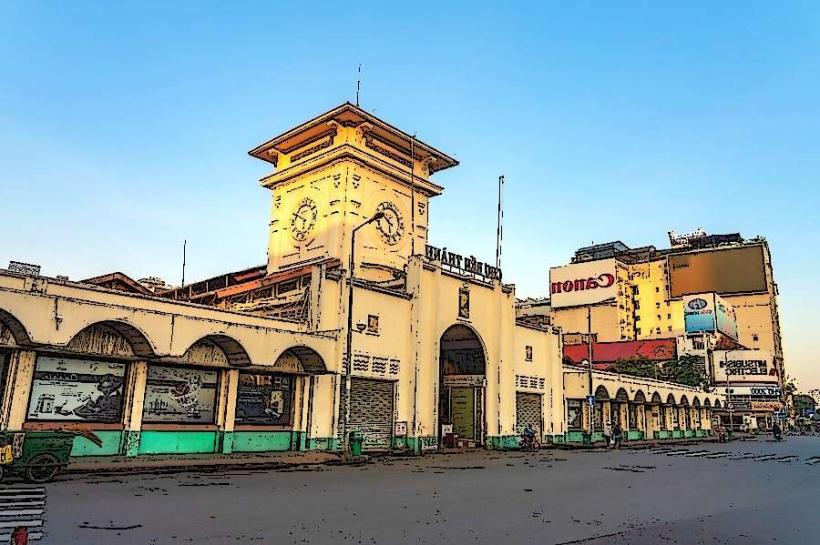
- By Bus: Several tour companies operate buses to the Cu Chi Tunnels. Alternatively, you can take a public bus (Bus #13) from Ben Thanh Market in Ho Chi Minh City, but this might take longer.
- Guided Tours: There are many guided tours available from Ho Chi Minh City that include transportation to and from the Cu Chi Tunnels, as well as a guided tour of the site. This can be a convenient option if you prefer a more informative visit.
6. Things to Keep in Mind
- Wear Comfortable Shoes: The tunnels are narrow, and you'll likely be walking or crawling through tight spaces. Make sure to wear comfortable and closed-toe shoes for the best experience.
- Stay Hydrated: The site can get quite hot, especially during the summer months. Bring water with you to stay hydrated, and wear sunscreen if you plan to spend a lot of time outside.
- Respect the Site: The Cu Chi Tunnels are an important historical site, so be respectful to the displays and other visitors. Take care not to disturb or damage any of the exhibits.
- Limited Facilities: While there are some basic facilities on-site, such as restrooms and food stalls, it’s best to bring snacks or drinks if you're planning to spend several hours exploring the area.
7. Why Visit the Cu Chi Tunnels?
- Historical Significance: The Cu Chi Tunnels provide a unique and insightful look into the Vietnam War, offering an opportunity to understand the conflict from the perspective of the Viet Cong. It’s an important place for understanding the resilience and resourcefulness of the Vietnamese people during the war.
- Immersive Experience: Visiting the tunnels allows you to experience a part of history that cannot be fully captured by books or films. Crawling through the tunnels, seeing war artifacts, and understanding the hardships that soldiers faced offer a deeper connection to the past.
- Educational Value: The Cu Chi Tunnels are an excellent educational experience, especially for those interested in history, military tactics, or the Vietnam War. Guided tours offer in-depth explanations of the tunnels, their construction, and their role in the war.
The Cu Chi Tunnels are an essential stop for anyone visiting Ho Chi Minh City, offering a fascinating and immersive experience into Vietnam’s wartime history. Whether you're a history buff or just looking for an eye-opening adventure, the Cu Chi Tunnels will leave you with a greater appreciation for the resilience and ingenuity of the Vietnamese people.