Information
Landmark: Museo de la MúsicaCity: Tarija
Country: Bolivia
Continent: South America
Museo de la Música, Tarija, Bolivia, South America
Overview
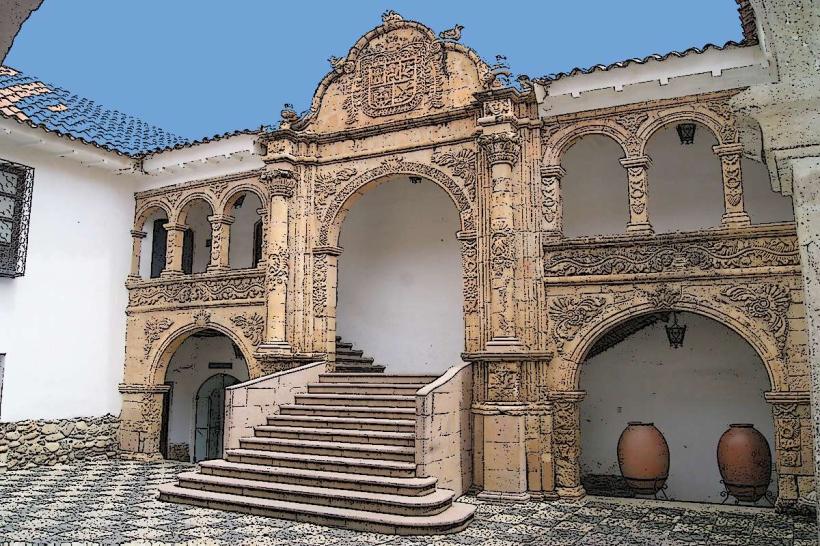
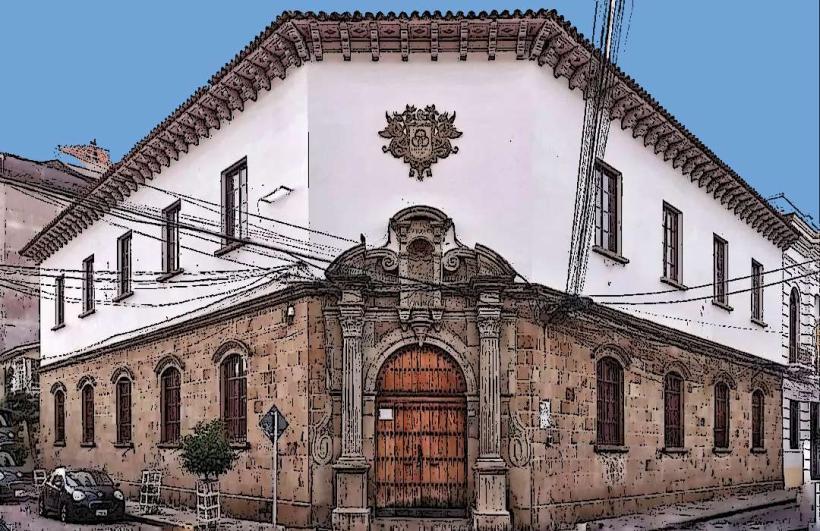
In Tarija, Bolivia, the Museo de la Música welcomes visitors into a world of guitars, drums, and centuries-heritage songs, preserving the region’s vibrant musical heritage, equally important the museum showcases Bolivia’s rich mix of musical traditions, zeroing in on Tarija’s local rhythms and how they’ve changed over time, from the soft strum of timeworn charangos to today’s lively festival beats.It appears, The museum preserves the rich history of Bolivian music and doubles as a lively locale where people learn and share traditions-sometimes over the warm hum of a charango, then the Museo de la Música sits in Tarija, a city alive with music, where guitar strings echo through sunlit plazas and tradition runs deep.Tarija is famous for its traditional music, from the lively strum of cueca to the rhythmic beat of morenada, with zamba and sikuri adding their own vibrant notes, equally important the museum keeps these traditions alive, sharing the sound of wooden flutes and drumbeats while teaching visitors why music matters so deeply in Bolivian life.The museum’s exhibits showcase a rich spread of artifacts from Bolivia’s musical past, from hand-carved wooden flutes to gleaming brass horns, with a standout collection of traditional instruments at its heart, alternatively these include instruments like the charango, a slight stringed lute with a dazzling, twangy voice, the airy notes of sikus or panpipes, the mellow quenas, and the deep, steady beat of bombos.Each instrument sits on display, paired with a note about its history and the role it’s played in its culture, along with musical Manuscripts and Scores: The museum safeguards handwritten scores, yellowed sheet music, and rare manuscripts that open a window into the story of Bolivia’s changing musical traditions, kind of These artifacts open a window onto the lives of Bolivia’s famed composers and musicians, from worn sheet music to the faint scent of heritage wood in a well-used guitar, as well as costumes and Historical Items: The museum displays vibrant festival outfits-shining skirts, embroidered shawls-once worn in dances and celebrations, capturing the rich cultural mix of Bolivia, slightly often People often wear these costumes for folkloric dances, like the morenada or the diablada, their skirts swaying in time with the drums, as a result photographs and documents fill the museum’s shelves-faded images, yellowed papers, and timeworn newspaper clippings that trace how music has shaped Bolivia’s culture and daily life, sort of These images let visitors step back into the moment, seeing how music wove through history and shaped the pulse of great events, likewise alongside its exhibits, the Museo de la Música comes alive with live shows and music-themed events-sometimes you can hear a guitar’s warm notes drifting through the halls.These performances might feature lively traditional Bolivian tunes, intimate folk concerts, and hands-on workshops where visitors can discover the country’s many musical styles, after that the museum might host lectures, lively talks, or even film nights on music history, giving visitors a richer sense of Bolivia’s musical traditions and their vibrant roots.The museum offers a vibrant space for cultural learning, where locals and travelers alike can explore Bolivia’s musical history-perhaps pausing to listen to the warm strum of a charango in one of its exhibits, subsequently it’s vital for helping young people understand how music shapes their heritage, and it doubles as a lively meeting area where scholars, musicians, and artists swap ideas over the sound of a piano in the corner.Mind you, The museum sits inside a beautifully preserved colonial-era building, its weathered wooden doors and tall windows adding warmth and a sense of history to the spot, after that the architecture weaves Bolivian colonial details-arched doorways, carved wooden balconies-into sleek modern lines, shaping a space that feels warm and welcoming to every visitor.The museum’s layout draws you in, leading you through rooms alive with the sounds and colors of Bolivia’s musical heritage, to boot just a short saunter from Tarija’s town square, the Museo de la Música draws visitors eager to explore the region’s rich cultural history.The museum stays open all week, and you might catch a guided tour that walks you through every corner, from the creak of the timeworn floorboards to the sparkle of a glass display, alternatively in Tarija, the Museo de la Música stands as a vital cultural hub, where you can wander past weathered guitars and timeworn sheet music while exploring the rich history of Bolivia’s musical traditions.Whether you love music, study history, or just wander with curiosity, the museum invites you to explore Bolivia’s musical journey, from the deep thrum of ancient drums to the dazzling ring of modern guitars, subsequently with exhibits that hum with color, lively performances, and hands-on workshops, it keeps Bolivia’s rich musical heritage alive, making sure future generations can hear, cherish, and celebrate this vital part of the nation’s culture.
Author: Tourist Landmarks
Date: 2025-09-18