Information
Landmark: Reserva Biológica de TariquíaCity: Tarija
Country: Bolivia
Continent: South America
Reserva Biológica de Tariquía, Tarija, Bolivia, South America
Overview
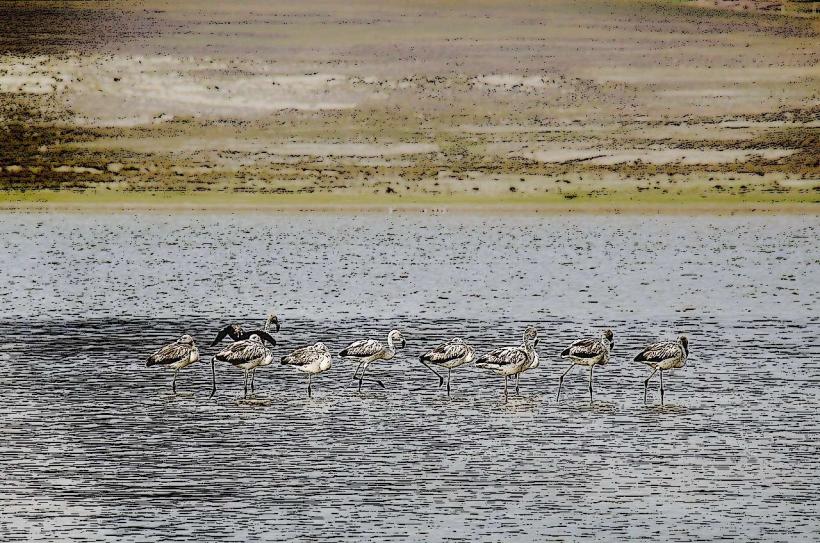
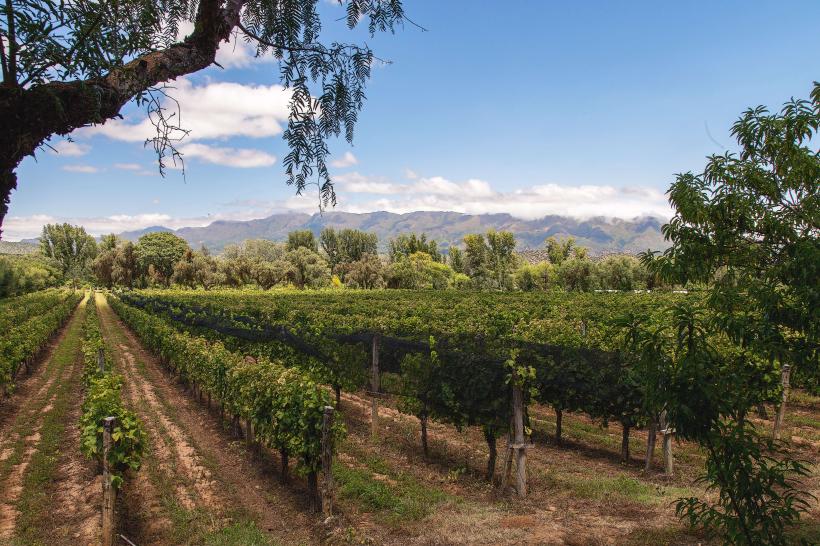
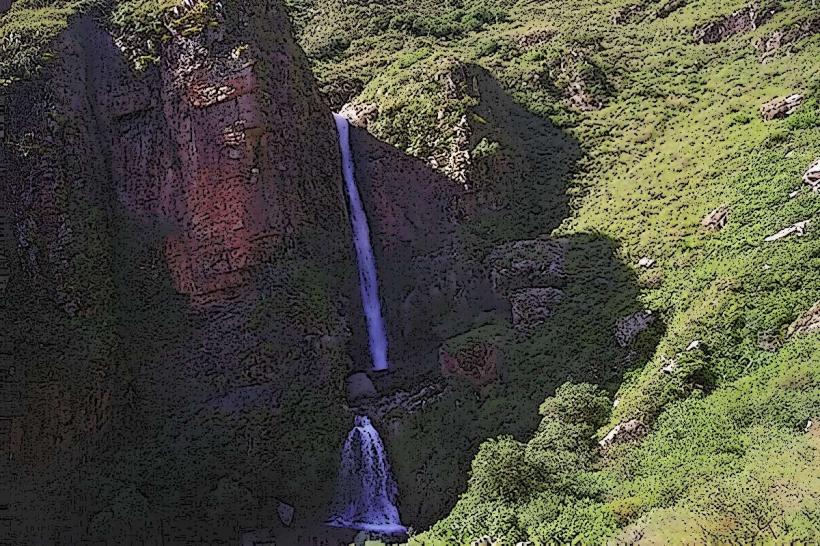
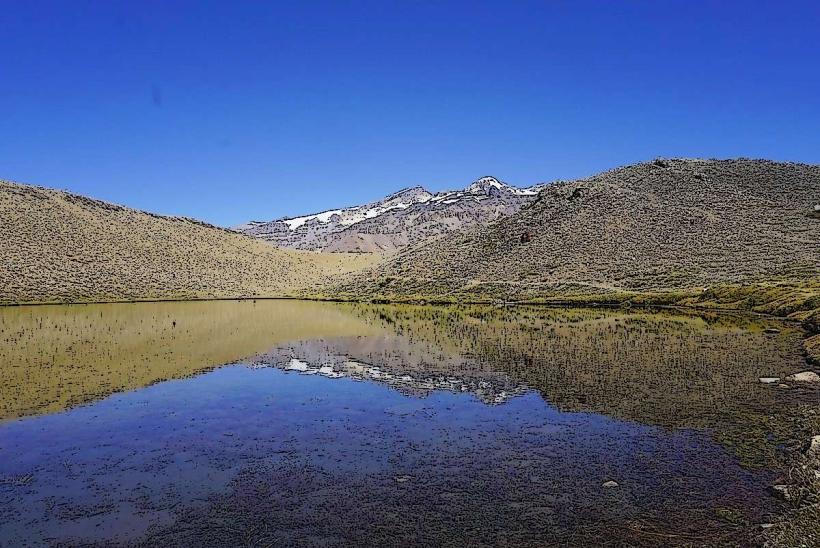
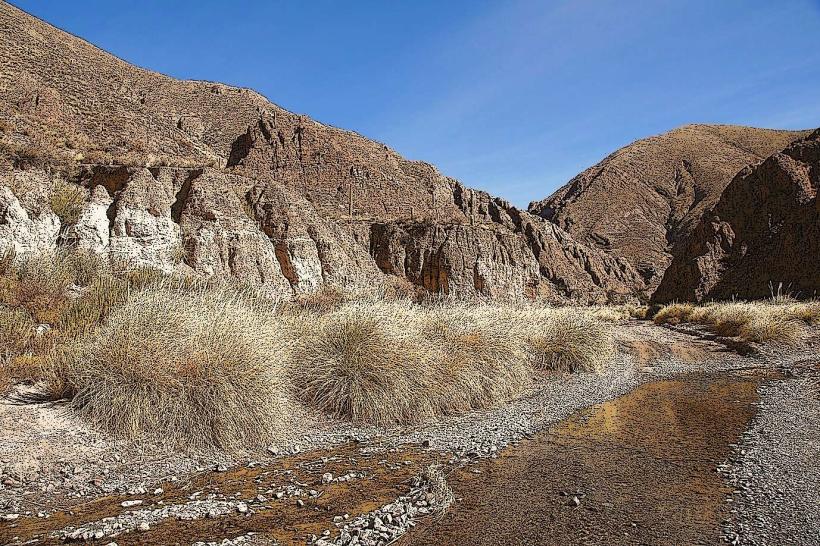
Tucked away in southern Tarija, Bolivia, the Reserva Biológica de Tariquía bursts with lush forests and glowing bird calls, on top of that covering more than 3,000 square kilometers, this remote biodiversity hotspot blends stark semi‑arid plains with mist‑soaked cloud forests.Not surprisingly, This reserve ranks among Bolivia’s most vital ecological treasures, home to a staggering variety of species-from shining macaws to rare orchids-and a key stronghold for conservation efforts, to boot the reserve sits in the Tariquía Valley, where jagged peaks rise over shadowed gorges and rivers wind through the lowlands.Actually, The Tariquía Biological Reserve sits where several worlds meet-dry forests whisper in the heat, cloud forests drip with mist, and rugged high-altitude ecosystems stretch toward the sky, furthermore these varied habitats teem with life, from glowing wildflowers swaying in the breeze to quiet deer moving through the shadows.Steep hills rise at its edges, rivers such as the Tariquía wind through, and dense forests shelter everything from wild orchids to tiny forest deer, while the land rises and falls dramatically, from valleys about 1,800 meters high to peaks near 3,000, where thin, crisp air shapes a striking mix of climates and ecosystems.As you can see, Its wild, untouched beauty and quiet isolation make it perfect for eco-tourism, whether you’re hiking through pine-scented trails or spotting rare birds in the distance, as a result the Tariquía Biological Reserve teems with life, making it one of Bolivia’s most biodiverse places, where orchids cling to mossy branches and rare birds flash through the trees.The reserve shelters an incredible range of plants, from spiny cactus and dry scrub near its base to damp, moss-covered cloud forests high in the mountains, also in the reserve, you can wander from dry, thorny shrubland to lush subtropical and cool temperate forests, a mix that draws both botanists and nature lovers.The reserve teems with wildlife, from vivid green tree frogs to wide-eyed owls calling in the obscure, at the same time the area stands out for its jaguars, pumas, and Andean foxes, each moving quietly through the brush, partially It also shelters Andean condors, mountain tapirs, bats, and a wide variety of birds, from tiny warblers to those that journey thousands of miles each year, while the Tariquía Reserve is vital for protecting these endangered and threatened species, including a few that exist only here, where the air smells of wet earth after rain, loosely The region is home to a variety of amphibians, reptiles, and insects, many found nowhere else, thanks to its shifting altitudes and diverse ecosystems-like tree frogs calling from cool mountain streams, on top of that the Reserva Biológica de Tariquía was established to safeguard the region’s astonishing biodiversity, from the flash of hummingbird wings to the rustle of rare orchids in the breeze, to some extent You know, This region plays a key role in Bolivia’s push to safeguard endangered species and shield fragile forests from chainsaws, poachers, and creeping human expansion, at the same time the reserve plays a key role in protecting the yungas ecosystem, a patchwork of cloud-draped montane forests that keep the region’s water cycle flowing.It may not be as famous as other parks, but the reserve is vital for keeping its mix of forests, wetlands, and wildlife alive for the generations still to come, to boot tourism and Activities: Hidden in Bolivia’s quiet south, Tariquía bursts with rugged beauty yet sees only a trickle of visitors.It’s a perfect spot for eco-tourism, where you can hike winding trails, watch dazzling green parrots dart through the trees, and capture it all with your camera, consequently because it’s tucked far from the usual routes, tourism hasn’t grown here like it has elsewhere, leaving you with quiet trails and the scent of pine in the air.This reserve draws nature lovers and adventurous travelers eager to uncover Bolivia’s hidden beauty, from quiet forest trails to the glint of a distant waterfall, as a result you can hike across shifting landscapes, starting in sunbaked desert flats and climbing all the way to misty cloud forests, where the reserve’s hidden wonders wait to be explored.Birdwatchers flock here for the sheer variety-tiny hummingbirds darting among red blossoms, hawks circling high, and condors gliding on the wind, therefore tourists can also paddle along the rivers, weaving between bends, or slip into cool, shadowy caves to explore.The reserve’s a perfect spot for camping, where you can fall asleep to the rustle of leaves and wake to quiet, open skies, simultaneously local communities near the reserve often guide eco-tourism trips, sharing stories and pointing out details like the call of a rare bird, which can make a visit far more rewarding.Accessibility: The reserve sits far off the main roads, and without knowing the winding dirt tracks locals use, getting there can be tough, to boot you’ll usually need a 4x4 to get there, and parts of the route can turn tricky-mud splashes up the tires quick-when the rainy season hits, for the most part Interestingly, It’s best for visitors to book tours with local guides who grasp the area well-someone who can point out hidden trails and keep you risk-free while sharing the stories behind what you notice, in conjunction with nearby Attractions: The Reserva Biológica de Tariquía may be the star, but Tarija Department has plenty more to perceive-like the Cataratas de la Piedra, where water tumbles into mist, the peaceful Coimata Natural Spa, and the sweeping green slopes of the Tariquía Valley.As it happens, These spots open the door to more chances for exploring-think winding trails, open fields, and fresh air on your skin, what’s more the Reserva Biológica de Tariquía brims with wildlife and untouched landscapes, a living showcase of Bolivia’s natural beauty-mist curling over green valleys at dawn, not entirely With its rare ecosystems, shifting landscapes, and vital site in conservation, it pulls in anyone drawn to ecology, wild creatures, and the thrill of traveling where the map still feels blank, at the same time blending rugged mountains with bursts of wild orchids and rare birds, it stands as a clear example of Bolivia’s commitment to safeguarding its rich natural heritage.
Author: Tourist Landmarks
Date: 2025-09-18