Information
Landmark: Nagoya Castle Hommaru PalaceCity: Nagoya
Country: Japan
Continent: Asia
Nagoya Castle Hommaru Palace, Nagoya, Japan, Asia
Overview
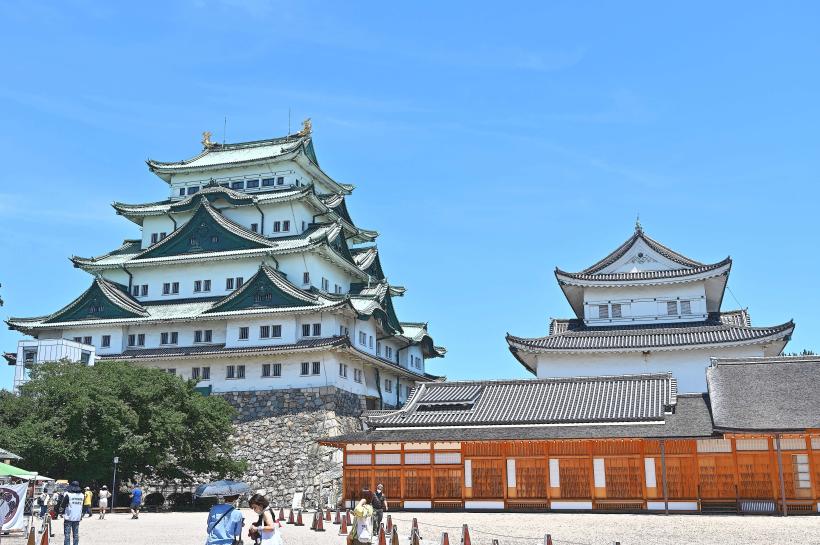
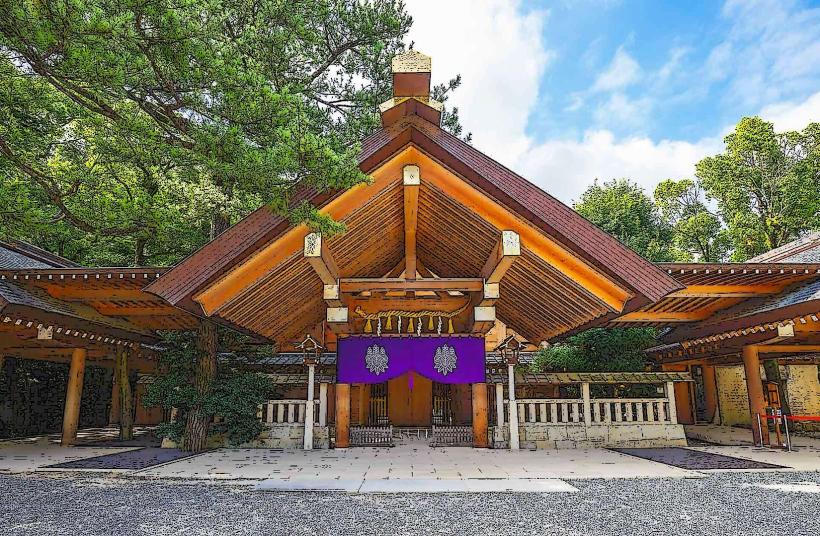
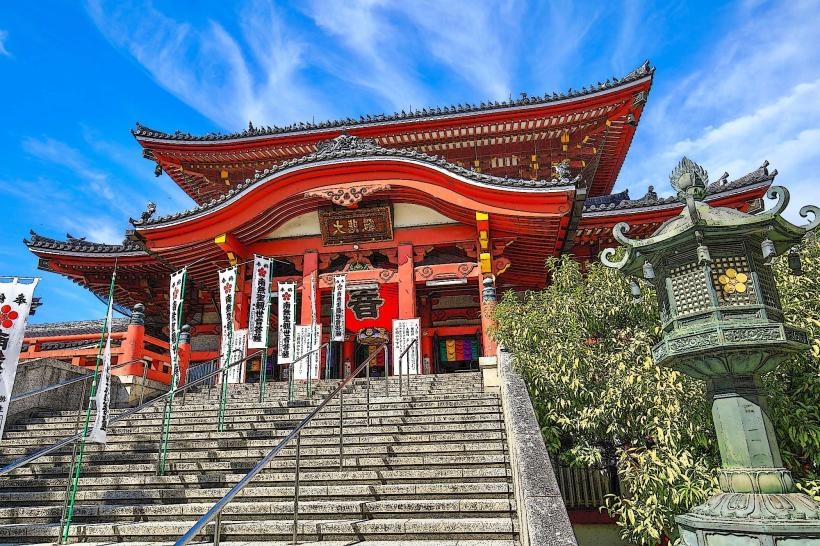
Inside Nagoya-castle_nagoya" class="underline">Nagoya Castle in Japan’s bustling city of Nagoya, the Hommaru Palace-known in Japanese as 名古屋城本丸御殿 (Nagoya-jō Honmaru Goten)-stands as a treasured historic landmark, its wooden halls echoing with centuries of history, likewise the Hommaru Palace served as home to the Owari Tokugawa family, who ruled the Owari domain during the Edo period, where paper screens slid open to reveal polished wooden floors.This striking landmark blends architecture and culture, giving visitors a window into Japan’s feudal era-wooden gates, stone walls, and all, in addition let’s take a closer glance at the Hommaru Palace-starting with number one, occasionally History of Hommaru Palace Construction: In the early 1600s, during Japan’s Edo period, builders raised the Hommaru Palace within the sprawling grounds of Nagoya Castle, its fresh timber scent carrying through the air, along with the Tokugawa clan built the castle in 1612 under Ieyasu Tokugawa, the shogunate’s founder, its stone walls still bearing the marks of chisels from that era.The palace was home to the Tokugawa family’s Owari branch, where decisions were made and rituals unfolded beneath the scent of fresh cedar, at the same time in 1945, during the air raids of World War II, bombs tore through Nagoya Castle and the Hommaru Palace, leaving charred beams and shattered tiles in their wake, for the most part Most of the palace lay in ruins, with only a few crumbling walls still clinging to the past, meanwhile in 2009, crews began rebuilding the Hommaru Palace, shaping cedar beams and fitting roof tiles by hand with time‑honored techniques.The reconstruction wrapped up in 2018, and now the palace rises again, its marble columns gleaming like they did long ago, subsequently step two.The Hommaru Palace shows off the sweeping roofs and refined symmetry that capture the grandeur and elegance of Edo-period castles, on top of that people admire the building for its intricate interiors, where carved wood glows in the light, and for the remarkable skill that went into every detail, to some extent From what I can see, The palace blends traditional Japanese architecture with ornate, gold-trimmed details, a striking display of the Tokugawa clan’s power and wealth, as well as exterior: The palace’s exterior showcases classic Edo-period samurai architecture, with carved wooden panels that catch the light and a roofline that sweeps upward in graceful curves.The building reflects traditional Japanese design, featuring a shoin-zukuri layout once common in samurai homes and formal halls lined with smooth tatami mats, to boot inside the Hommaru Palace, gold leaf gleams on the walls, lacquerware shines in the light, and paintings and flowing calligraphy line the rooms, wrapping the space in rich, opulent beauty.A standout feature inside is the Nijiriguchi, a low doorway that forces guests to dip their heads as they step in, a quiet reminder of humility, furthermore rooms and Features: The Shiroyama castle tower and its nearby gardens once hosted everything from lively festivals to quiet tea gatherings under the pine trees.The Ohiroma, or large hall, stands out for its role in formal ceremonies and gatherings, and it’s adorned with some of the palace’s most intricate details-gold leaf sliding doors that catch the light and hand-painted murals alive with scenes of nature and classic Japanese motifs, then number three stood alone, petite and sharp like a penciled note in the margin.Key features of the Hommaru Palace include its Karamon Gate, a striking entrance framed by obscure, carved wood, on top of that intricate carvings twist across the gate, each curve and flourish a quiet nod to the Tokugawa family’s grandeur, kind of Gold Leaf Decoration: The Hommaru Palace is known for its shimmering gold-leaf interiors, especially in the vast audience rooms where the walls seem to glow in the light, not only that the walls and sliding doors glow with nature’s touch-painted cranes in mid-flight, blossoms spilling across the panels, and other graceful symbols rooted in Japanese tradition.Inside the palace, soft tatami mats cover the floors, and many rooms are divided by fusuma-sliding doors brushed with delicate, hand-painted scenes, in turn the traditional shoin-style layout runs through the entire space, with rooms arranged for formal gatherings and quiet ceremonies, like the rustle of silk as guests take their seats.As it turns out, Many of the furnishings-chairs, cabinets, even a miniature black-and-gold box-are made from fine lacquerware, a signature of the era’s skilled craft, furthermore number four, moderately Inside the sprawling grounds of Nagoya Castle sits the Hommaru Palace, and nearby rises the Main Keep (Tenshu) - the castle’s towering heart, scarred by war yet partly rebuilt, its white walls gleaming against the sky as one of the city’s most famous sights, simultaneously the keep is known for the golden shachihoko-a mythical fish-glinting on its rooftop in the afternoon sun.The Castle Gardens: Stroll through winding paths past koi-filled ponds and broad, open lawns, where you can soak in the quiet beauty of the grounds, equally important in spring, the gardens burst with pale pink cherry blossoms, drawing crowds for hanami, the beloved tradition of flower viewing.Five, after that the Hommaru Palace and Nagoya Castle stand as vital cultural and learning hubs, giving visitors a vivid behold at Japan’s feudal past, the Tokugawa era, and the artistry behind traditional wooden beams and intricate joinery.Inside the Hommaru Palace, you can wander past scrolls, armor, and vintage maps that bring to life the Owari Tokugawa family’s story, the castle’s painstaking construction, and the era’s political and cultural backdrop, after that restored Artworks: Much of the palace’s original art has been brought back to life, from delicate ink scrolls to gilded screens, and you can spot them in nearly every hall-a treat for anyone drawn to Japanese art history.If I’m being honest, Traditional Ceremonies and Events: Now and then, the palace hosts tea ceremonies where steam curls from porcelain cups, along with cultural gatherings and educational programs that let visitors step into the spirit of the Edo era, in conjunction with number six, occasionally Nagoya Castle Hommaru Palace sits inside Nagoya Castle Park, right in the heart of the city, where stone paths lead past tall pines, while you can reach the area in minutes, whether you hop on a bus or drive in and park by the historic stone gate.If you’re heading to Nagoya Castle by subway, the nearest stops are Shiyakusho on the Meijo Line or Sengen-cho on the Tsurumai Line, just a short amble past the stone walls, in conjunction with from there, you can stroll a few minutes and find yourself at the castle gates, the stone arch cool beneath your hand.The Hommaru Palace is usually open every day, but hours can change, so check ahead-especially if you’re visiting during a festival or holiday, besides you’ll need to pay to get into Hommaru Palace, and there’s another ticket for the Nagoya Castle grounds-like paying twice before you can step onto the gravel path inside, perhaps Students, seniors, and groups can often snag a lower rate-sometimes enough to cover a cup of coffee afterward, along with seven, relatively Nearby Attractions: Nagoya Castle and Hommaru Palace sit in a lively cultural district, surrounded by places worth exploring, like Nagoya City Hall-a stately historic building with ornate stonework just a short meander from the castle, as a result Osu Shopping District is a lively spot where sleek boutiques sit beside ancient-fashioned shops, ideal for wandering past glowing lanterns and browsing at your own pace, more or less To be honest, Atsuta Shrine, a prominent Shinto site in Nagoya, safeguards the Kusanagi no Tsurugi-a fabled sword so treasured it’s said to gleam like sunlight on steel, besides the number eight sat there, simple and solid, like a smooth stone in your palm.In short, Nagoya Castle’s Hommaru Palace is a landmark you can’t miss-step inside and you’ll glimpse golden screens glowing in the afternoon light, subsequently with its soaring arches, delicate carvings, and exhibits that teach while they intrigue, it’s a fascinating spot to explore.
Author: Tourist Landmarks
Date: 2025-09-17