Information
Landmark: Nagoya CastleCity: Nagoya
Country: Japan
Continent: Asia
Nagoya Castle, Nagoya, Japan, Asia
Overview
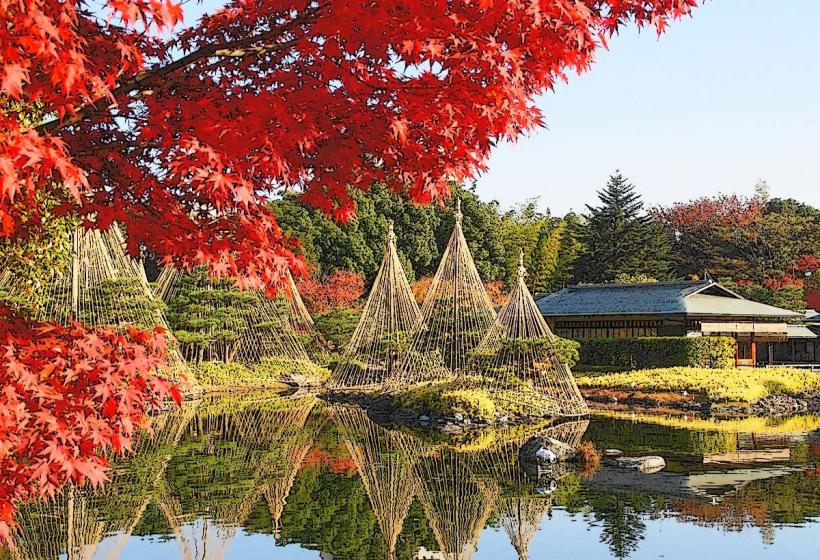
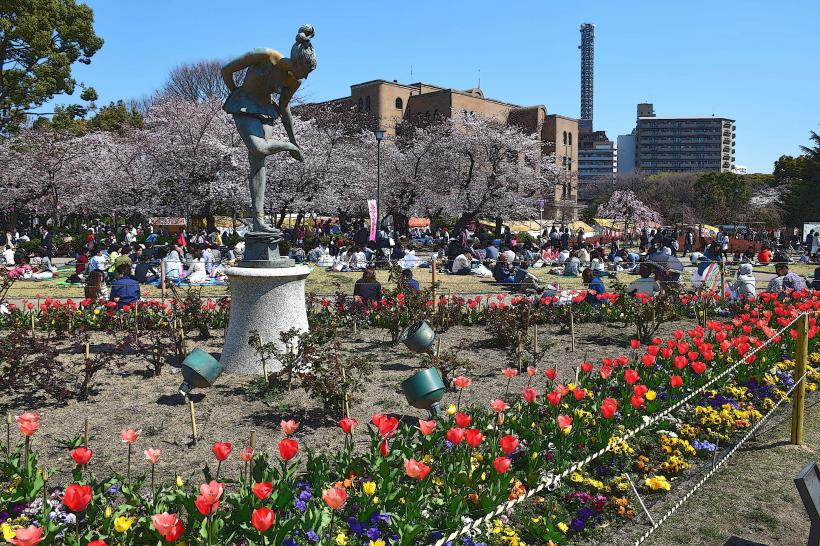
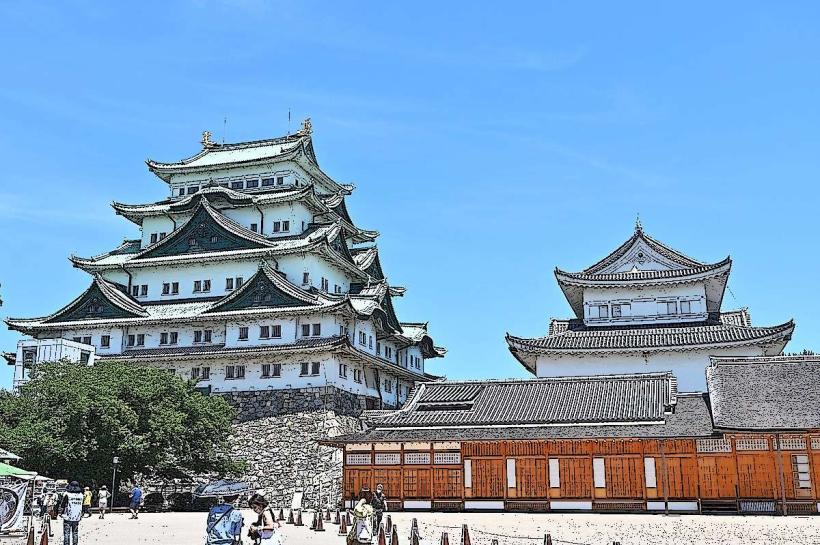
Nagoya Castle (名古屋城, Nagoya-jō) stands in the heart of Nagoya, Aichi Prefecture, its green-tiled rooftops rising above the city, in conjunction with with its striking white walls, centuries of history, and deep cultural roots, it stands as one of Japan’s most celebrated castles and a proud emblem of Nagoya.The castle is famed for its elegant design, crowned with golden shachihoko that glint in the sun, and for its necessary area in Japan’s history, equally important one.Here’s the overview and location: 1-1 Honmaru, in Nagoya’s Naka Ward, Aichi Prefecture, Japan-right where the stone-paved road curves toward the castle gates, moreover getting to the castle’s easy-it’s just a quick 10-minute hop on the subway from Nagoya Station, or a 20-minute stroll past shops and quiet side streets.You can reach it on the Meijo Line of the Nagoya Subway, right in the heart of the city, so it’s easy to drop by after seeing nearby sights like the bustling Sakae district, moreover number two.In a way, Nagoya Castle rose in the early 1600s, during the first years of the Edo period, its fresh white walls catching the morning light, besides tokugawa Ieyasu, founder of the Tokugawa Shogunate, commissioned it to tighten his grip on central Japan after his victory at Sekigahara in 1600, when the smell of gunpowder still lingered in the air, maybe In 1610, work began on Nagoya Castle under Tokugawa Ieyasu’s watch, with his son, Tokugawa Yoshinao, later carrying the project forward-stone by stone, as well as they placed it where it could watch over the Owari region, a quiet but unmistakable sign of the Tokugawa family’s grip.In the 1640s, builders finished the main stronghold-the donjon-its stone walls still smelling faintly of fresh mortar, alternatively the Owari branch of the Tokugawa family made the castle their seat, its stone walls echoing with their rule.In 1945, bombs tore through the castle, shattering stone walls and leaving it badly damaged in the final months of World War II, subsequently but in the 1950s, they rebuilt it with gray concrete, a far cry from the warm, weathered wood of the original.Three, after that nagoya Castle stands out for its striking rooflines and graceful design, making it one of the finest examples of Japan’s feudal-era fortresses.A, while the main keep, or donjon, rises five stories high, its stone walls casting long shadows across the castle grounds.From what I can see, The first donjon rose from sturdy wooden beams, and though today’s version is a careful reconstruction, it still carries the same quiet elegance and towering majesty of the original, moreover from the upper floors, the keep opens onto a sweeping view of the city-rooftops stretching out like a patchwork below.B, as a result one of Nagoya Castle’s most striking sights is the golden shachihoko-a mythical tiger-headed fish-gleaming atop the main keep’s roof.The shachihoko is a legendary beast with a tiger’s fierce head and the sleek, shimmering body of a carp, in conjunction with people say it can shield the castle from fire, like rain on fiery embers, and it’s become a defining symbol of Nagoya.Visitors and photographers often zero in on the golden shachihoko, its scales catching the sunlight like ripples on water, in conjunction with just the letter C, written plain and sharp like chalk on a blackboard.Moats and Walls The castle sits behind broad, shadowy moats and thick stone walls, built to keep enemies out and danger at bay, then the stonework grabs your eye-massive blocks, each cut with care, fitted snugly together to build walls built for defense, perhaps Honestly, The moats didn’t just keep enemies out; they also showed off the castle’s power and grandeur, gleaming in the sun like a silver border, in conjunction with d, written in a quick, slanted stroke, marked the corner of the page.Truthfully, The castle is split into several enclosures, each with its own role, what’s more honmaru, the main one, holds the towering donjon and the Tokugawa family’s residence, where polished wooden floors still catch the light, loosely As far as I can tell, Ninomaru: the second enclosure, once home to warriors and officers, where boots clinked on stone at dawn, in addition today, it boasts a lush garden where roses spill over the path, and it’s a popular spot for events and exhibitions.Number four, simultaneously the grounds of Nagoya Castle stretch wide, with quiet ponds, neat gardens, and centuries-historic sites tucked among the trees.A petite, sharp cry cut through the quiet room, to boot ninomaru Garden sits inside the castle grounds, a quiet sweep of ponds, stones, and trimmed pines in the classic Japanese style.It’s especially lovely in spring, when cherry blossoms drift like pale pink snow, and again in autumn, when the leaves flare into gold and crimson, in addition the garden has a broad, still pond, winding paths shaded by cherry trees, and a pair of traditional tea houses.The letter B sat bold and black on the page, like it was ready to start a word, in turn honmaru Garden, set near the main keep, is a beautifully tended space where visitors can pause among trimmed pines and quiet paths to soak in the calm of nature within the castle’s historic walls.Just the letter C, clear and simple, like a chalk mark on a blackboard, as well as nagoya Castle Park spreads wide around the castle, inviting visitors to stroll under leafy trees and discover its many tucked-away corners.Locals and visitors alike flock here to spread blankets under the trees, go for a morning run, or catch a lively street performance, as a result crowds flock to the park when the cherry trees burst into pale pink bloom.Number five, furthermore the Nagoya Castle Museum, just a short wander from the castle’s stone walls, showcases the rich history and culture of Nagoya Castle and the Tokugawa family.The museum displays a rich collection tied to the castle’s past, from gleaming samurai armor to delicate scrolls and centuries-timeworn paintings, at the same time the museum offers a vivid examine at Nagoya Castle’s role in the Edo period, the Tokugawa Shogunate, and how the city grew into a hub of politics and culture, from shoguns’ decrees to the clang of festival drums.Number six, moreover nagoya Castle comes alive with festivals year-round, from spring cherry blossom gatherings to autumn lantern nights, giving visitors a chance to experience traditional Japanese culture and honor the city’s rich history.A, along with in spring, the castle grounds burst with cherry blossoms, their pale pink petals drifting across the stone paths, somewhat Thousands flock to the Sakura Festival to discover the cherry trees in full pink bloom, wander through the serene Ninomaru Garden, and spread blankets beneath the petals for a picnic, then just the letter B, written in bold black ink, for the most part Each summer, Nagoya Castle comes alive with cultural performances-graceful traditional dances, the sharp crack of martial arts displays, and music that drifts across the warm night air, likewise the event bursts with energy, honoring the region’s cultural heritage with music in the streets and luminous flags waving in the breeze.C, equally important the castle also offers traditional Japanese tea ceremonies in its serene tea houses, where the scent of fresh matcha drifts through the quiet gardens, in a sense Visitors can step into the quiet elegance of Japanese tea culture through these ceremonies, sipping matcha in a room scented with fresh tatami, consequently seven.Nagoya Castle still draws crowds, standing as both a beloved tourist spot and a treasured cultural landmark in the heart of the city, in turn nagoya City runs the castle, making sure its stone walls stay strong and its history survives for generations to come.Oddly enough, It also stands as a reminder of Nagoya’s past, reflecting its power as a political and military hub in the Edo period, when the clang of samurai armor echoed through its streets, furthermore the number 8 stood bold and round, like a loop of dusky ink on white paper.Spring, from March to May, bursts into life as cherry blossoms blanket the castle grounds in pink, creating one of the most breathtaking times to visit, therefore autumn, from October to November, wraps the castle in fiery reds and golds, and the crisp, cool air makes wandering its grounds feel just right.From June to August, visitors can dive into lively festivals and bustling events, though the air often hangs heavy with heat and humidity, in conjunction with winter-sharp air biting your cheeks, breath turning to mist with every step.
Author: Tourist Landmarks
Date: 2025-09-17