Information
Landmark: Nagoya TV TowerCity: Nagoya
Country: Japan
Continent: Asia
Nagoya TV Tower, Nagoya, Japan, Asia
Overview
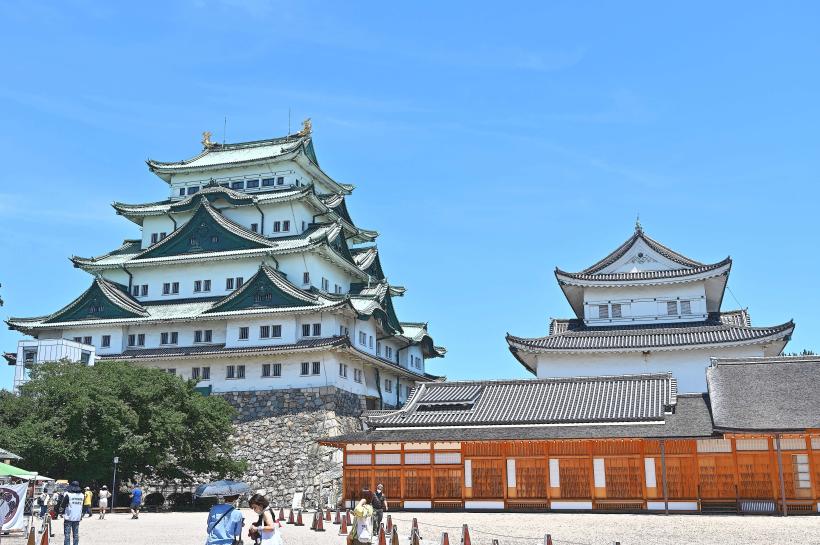
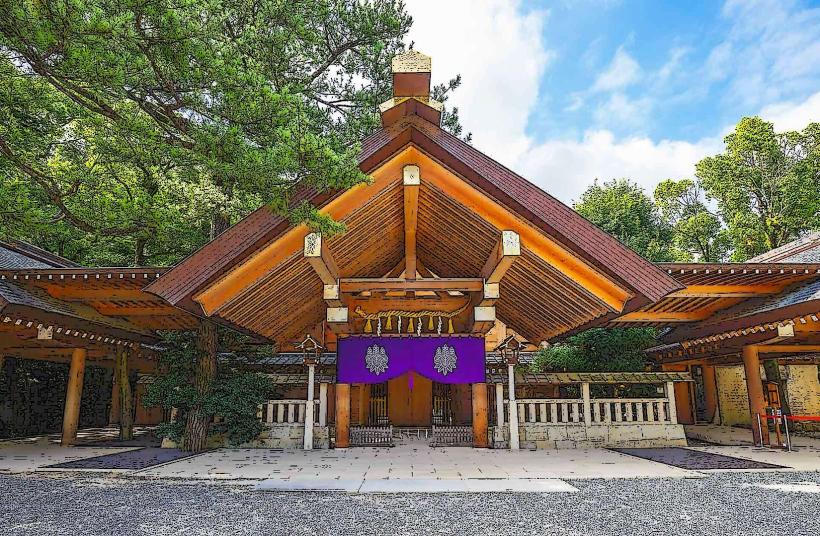
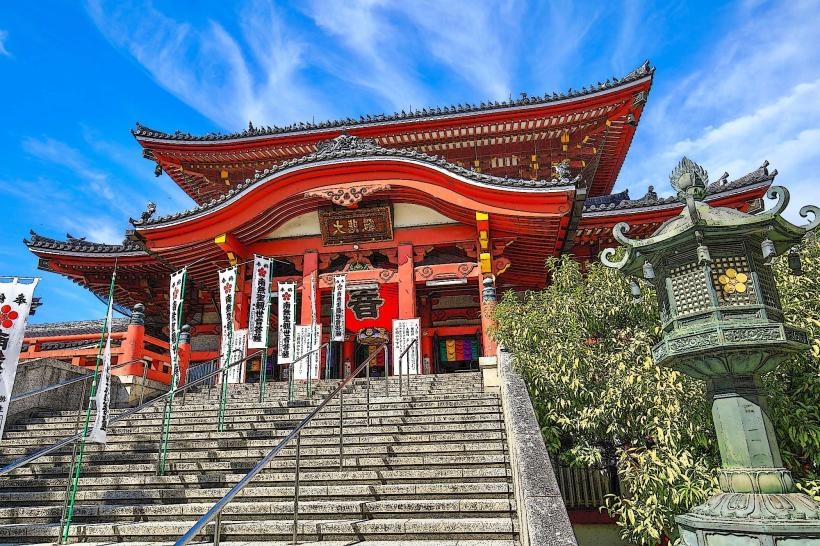
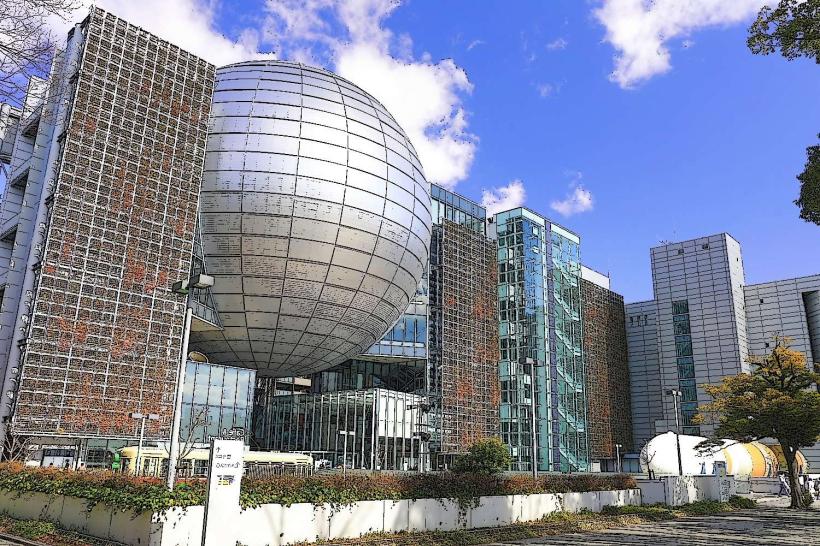
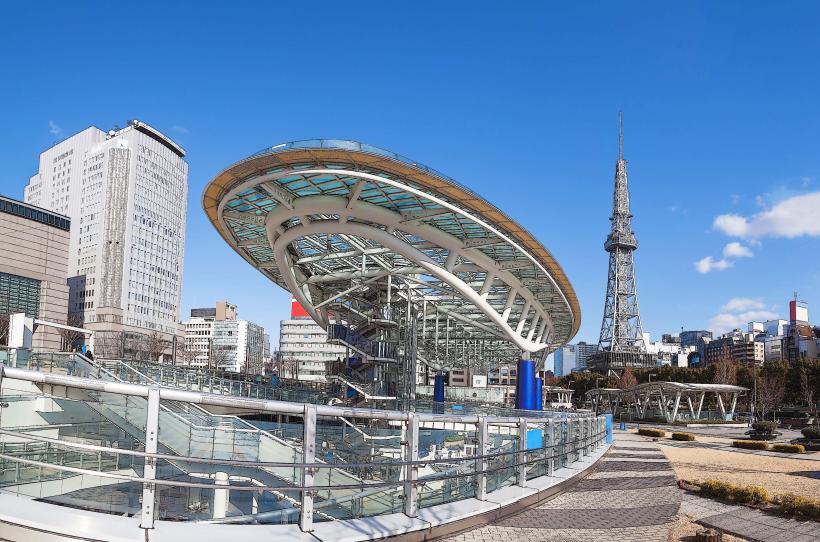
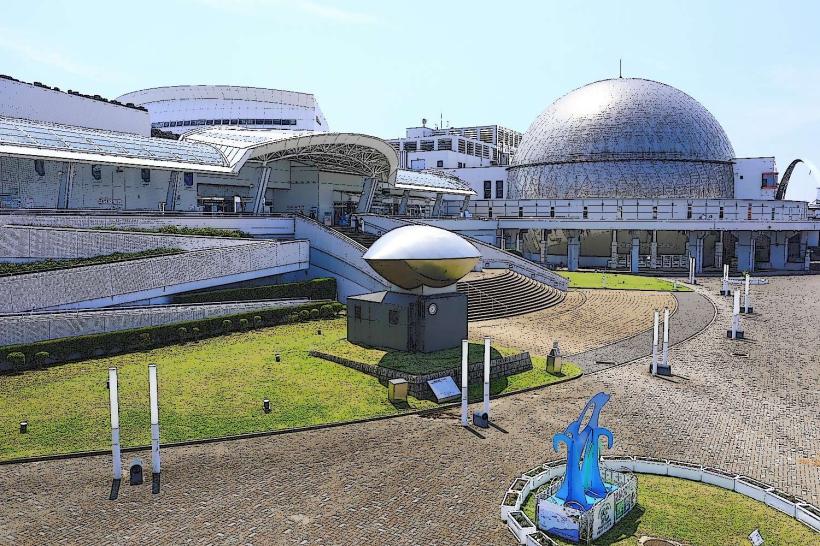
Rising above the heart of Nagoya, the Nagoya TV Tower (名古屋テレビ塔, Nagoya Terebi-tō) stands as a gleaming symbol of the city’s modern skyline, therefore in the bustling Sakae district, the tower stands out for its rich history, its role in broadcasting, and its draw for visitors who come to observe the city lights from its observation deck.Number one.safeYou’ll find the tower just a short roam from Sakae Station, one of Nagoya’s busiest transit hubs where trains rumble in and out all day, besides you can trek there from several major spots in the Sakae area, from bustling shopping streets to leafy parks and vivid, noisy entertainment complexes.Number two, along with the Nagoya TV Tower, finished in 1954, first rose to beam television signals across Nagoya and nearby towns, supporting the region’s rapidly expanding broadcast network.Built to carry TV signals, it quickly rose into one of the most striking shapes on the city’s skyline, its steel frame catching the afternoon sun, to boot inspired by Paris’s Eiffel Tower, the steel lattice structure rises 180 meters-about as high as a swallow’s flight over a city skyline.Funny enough, When it opened, the Nagoya TV Tower stood as Japan’s tallest structure, a slim steel needle in the sky, and it held that destination on the skyline until taller skyscrapers rose around it, in addition built early among Japan’s first TV towers, the structure still anchors Nagoya’s broadcasting network, though its role has faded since digital signals replaced the vintage crackle of analog airwaves.If I’m being honest, Number three, meanwhile the Nagoya TV Tower stands out with its distinctive lattice frame, echoing the elegance of Paris’s famed Eiffel Tower.Built of steel, the tower’s striking design draws countless cameras, making it one of Nagoya’s most photographed sights-especially when its silver frame glints in the afternoon sun, simultaneously the tower rises 180 meters (590 feet) into the sky, with its observation deck perched about halfway up, around 100 meters, where you can feel the wind on your face.At night, the tower glows under shifting lights-soft gold one evening, deep blue the next-its beauty heightened during festivals, special events, and national holidays, besides the lights shift from warm gold in autumn to cool blues for winter festivals, turning the nights into something you can’t help but stop and admire.Number four, moreover highlights and standout features, like the sweeping view from the hilltop.One of the biggest draws at the Nagoya TV Tower is its observation deck, where you can examine out over the city’s rooftops and discover the horizon fade into a hazy blue, and from the observation deck, you can take in sweeping views of Nagoya’s skyline, spot the green-roofed towers of Nagoya Castle, and view the mountains rising faintly on the horizon.Floor: The observation deck sits 100 meters up, where you can take in sweeping, 360‑degree views of the city’s rooftops and winding streets, equally important when the sky’s clear, you can spot Atsuta Shrine and even Osu Kannon Temple, their roofs catching the sunlight in the distance.Night Views: After sunset, the city glows-Nagoya’s lights spill into the distance like a glittering river, in turn it’s the perfect setting to catch the sun slipping below the horizon or to take in the city lights glittering against the night sky.B, as well as the Sky Balcony is another highlight at Nagoya TV Tower, where you can step out into the open air and feel the breeze high above the city.The outdoor observation area sits high on the tower’s 125-meter floor, part of the Special Observation Deck where the wind brushes your face, besides from up high, visitors breathe in the crisp air and take in a wider sweep of the city, rooftops and lights stretching out below.On a clear day, you can notice half the city spread out below, and the view is one of the finest you'll find anywhere, not only that c.The Nagoya TV Tower, a historic broadcasting landmark, houses an exhibition where visitors can trace the tower’s story and the evolution of television in Nagoya, even seeing vintage cameras and worn control panels up close, furthermore here, visitors step back to the earliest flickering images of television and explore the breakthroughs that pushed broadcasting into the modern age, loosely In the tower’s museum section, you’ll find vintage broadcasting gear-antique microphones with worn metal grills-alongside photos and videos that trace the rise of television in Japan, meanwhile you can check out interactive displays that show, step by step, how TV signals navigate through the air and how the tower helped boost Nagoya’s media scene.The letter D sat in the corner of the page, murky and sharp like fresh ink, meanwhile the Nagoya TV Tower offers more than just a view-you can browse minute boutique shops or grab a warm bowl of noodles at its dining spots.On the tower’s lower floors, visitors can wander past souvenir stalls, cozy cafés, and vivid restaurants, with menus ranging from quick sandwiches to white-tablecloth dinners, moreover at The Tower Restaurant, you can savor a meal while gazing out at sweeping city views, rooftops glowing in the evening light.On the ground floor, a tiny gift shop offers souvenirs tied to the tower and Nagoya-everything from hand-painted cups made nearby to limited-edition keepsakes you won’t find anywhere else, subsequently five stood alone, a petite mark in the corner like a quiet tap on the page, more or less All year long, the Nagoya TV Tower comes alive with special events and seasonal displays, alternatively during Christmas, for example, its steel frame glows with thousands of twinkling lights, and at other times, shifting colors and patterns wash over it, turning the night sky into a vivid backdrop.Special Exhibitions: Now and then, the tower comes alive with exhibitions and performances-think delicate ink paintings, vintage broadcast gear, or sleek recent tech on display, on top of that number six.Nagoya TV Tower draws both locals and travelers, and the perfect time to go really depends on what you’re after, consequently if you want sweeping views of the city stretching to the horizon, head up during the day when the sunlight glints off the rooftops.Take in the city’s skyline, then let your eyes drift to the green hills beyond, as a result at night, the city sparkles below, and the tower glows with golden light-come in the evening for the most breathtaking view.Seven, subsequently the observation deck is open every day from 10 a.m. To 9:30 p.m, and the last visitors can step inside just before 9, on top of that restaurants and shops usually keep the same hours, though they can shift with the season-like closing early on a chilly winter evening.Admission is ¥800 per adult for access to the observation deck, which includes both the 100-meter and 125-meter viewing levels, to boot children get discounted tickets, so younger visitors can save a little-enough for a scoop of ice cream.Some special events or exhibits might cost extra-like a ticketed photography show tucked in the east wing, equally important eight.The Nagoya TV Tower rises in Sakae, a lively district packed with malls, cozy restaurants, and plenty to explore; just steps away, Hisaya Odori Park spreads out in green lawns, perfect for a quiet stroll or a picnic in the sun, in turn Oasis 21 is a sleek, futuristic hub for shopping and entertainment, crowned by a vast glass roof that catches the light like ripples on water.Nagoya Oasis 21 and the City Science Museum sit just a short roam away, so you can easily pack a day with sights-from glass-domed plazas to towering planetarium shows-all in one trip, as a result nagoya Castle is just a quick drive or train ride from here, where you can step inside towering gates and catch a glimpse of the city’s rich history.The number nine, in addition in short, if you’re exploring Nagoya, don’t miss the Nagoya TV Tower-it’s a landmark that rises above the city like a silver spire, sort of The feature sits there, still as a stone.
Author: Tourist Landmarks
Date: 2025-09-17