Information
City: Ada FoahCountry: Ghana
Continent: Africa
Ada Foah, Ghana, Africa
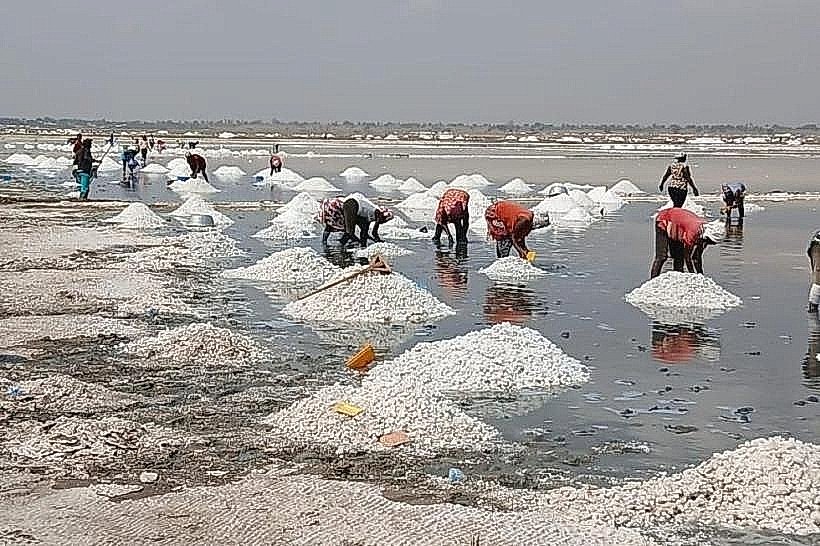
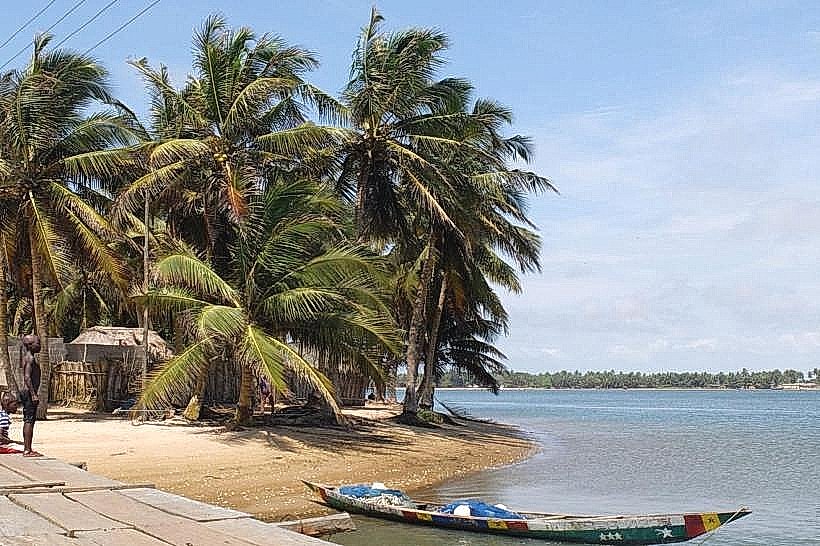
Ada Foah serves as the administrative capital of the Ada East District and functions as a primary center for Ghana’s artisanal fishing, salt mining, and luxury estuarine tourism industries. It is situated at the southeastern tip of the country where the Volta River meets the Atlantic Ocean, approximately 110 km east of Accra.
Historical Timeline
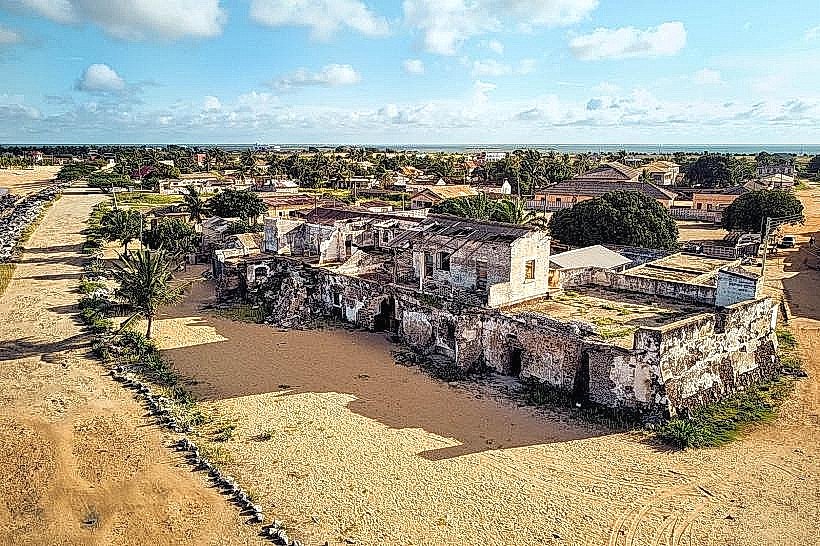
Founded in the 16th century by the Adangbe people, Ada Foah became a strategic trading post for the Portuguese, Dutch, and Danes. The primary era of governance shifted to the British following the 1850 purchase of the Danish Gold Coast. The most significant architectural reconstruction occurred in the late 18th century with the building of Fort Kongenstein. The construction of the Akosombo Dam in 1965 is the primary event that shaped the current urban form, as it altered the river's flow and accelerated coastal erosion, forcing the town to pivot from a commercial port to a tourism and salt-production hub.
Demographics & Population
The population within the town limits is approximately 30,000, with the Ada East District exceeding 80,000. The dominant ethnic group is the Dangme (Ada) at 95%. The median age of the population is 20.4 years.
Urban Layout & Key Districts
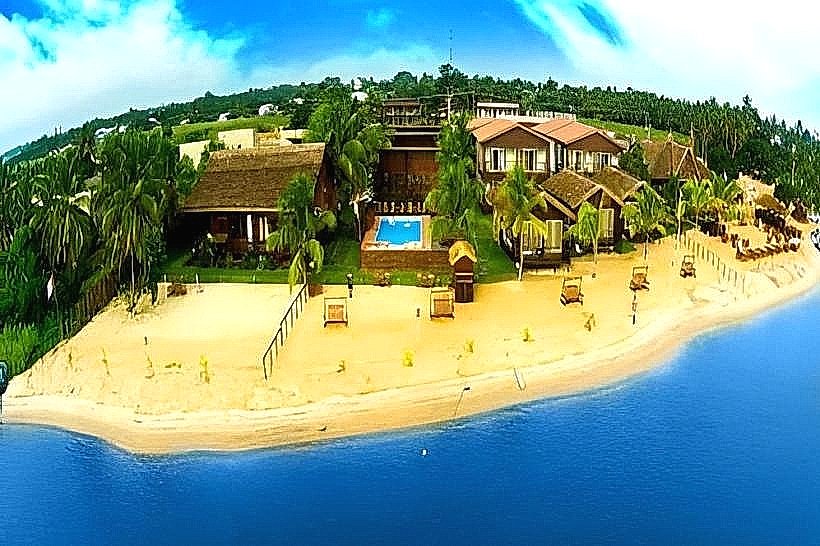
Ada Foah is organized linearly along the riverbank and the coastline. The Estuary Zone (East) contains the high-end resorts and the meeting point of the river and sea; the Town Center (Central) houses the market and administrative offices; and the Riverside (North) is the primary location for boat jetties and fish processing.
Top City Landmarks
The Volta River Estuary (Crab Island)
Presbyterian Church (19th-century architecture)
Ada Sea Defense Wall
Salt Mining Lagoons (Songor)
Transportation Network
Movement within the town is facilitated by motorized tricycles (Pragya) and shared taxis. Water transport via speedboats or traditional canoes is the primary method for reaching the island communities (e.g., Anyanui, Maranatha). Inter-city "Tro-tros" connect Ada Foah to Accra via the Kasseh junction. Ride-sharing apps are not operational. Official taxis feature yellow fenders. Traffic density is low, peaking only during the Asafotufiami festival in August.
Safety & "Red Zones"
The town is generally very safe. There are no specific "red zones," though visitors should avoid swimming in the estuary without a guide due to strong undercurrents and the risk of Bilharzia in stagnant river sections. Common scams involve "boat fees" quoted by unofficial touts at the riverside jetties; always negotiate at the designated stations.
Digital & Financial Infrastructure
Average internet speed is 20 Mbps on mobile (4G) and 10 Mbps on limited fixed broadband. MTN is the primary carrier. Card acceptance is low, restricted to major resorts like Aqua Safari or Sajuna. ATMs are scarce in Ada Foah; the most reliable machines are located at the Kasseh junction (15 km away).
Climate & Air Quality
Temperatures range from 24°C to 32°C. Humidity is consistently high. The primary weather risk is coastal flooding during high tides and the rainy season (June–July). Air quality is excellent due to constant sea breezes, though salt-spray corrosion is a major logistical issue for vehicles and building maintenance.
Culture & Social Norms
Tipping is expected in resorts (5–10%). Handshakes are the standard greeting. Conservative dress is required when visiting traditional authorities (Ada Traditional Council). Public smoking is socially discouraged. It is customary to pay a small "landing fee" when visiting island villages for tourism.
Accommodation Zones
Stay in the Estuary Zone for luxury resorts, river views, and water sports access.
Stay in the Town Center for budget guesthouses and logistical access to markets and transport.
Local Cost Index
1 Espresso (at resort): GH₵ 40 ($2.85)
1 Standard Lunch: GH₵ 55 ($3.95)
1 Shared Taxi / Pragya Trip: GH₵ 6 ($0.45)
Nearby Day Trips
Songor Salt Lagoon (20 km)
Anyanui Market (Accessible by boat)
Kasseh Market (15 km)
Sogakope (35 km)
Facts & Legends
Local tradition holds that the Ada people were led to their current location by a spiritual bird. A verified historical oddity is the "disappearing" nature of the town; due to severe coastal erosion, significant portions of the original 18th-century Danish settlement and the fort now lie underwater, making Ada Foah a primary site for Ghana's coastal engineering and sea defense projects.