Information
City: AmritsarCountry: India
Continent: Asia
Amritsar, India, Asia
Amritsar is the largest city in Punjab and the spiritual and cultural center of the Sikh religion. Located 28 km from the border with Pakistan, it is defined by its deep religious significance, its history of resistance and tragedy during the British Raj, and its status as the "Culinary Capital of India."
Historical Timeline
Founded in 1577 by Guru Ram Das, the fourth Sikh Guru, around a sacred pool (Amrit Sarovar). A critical historical event occurred in 1604 when Guru Arjan Dev installed the Adi Granth in the completed Harmandir Sahib. In 1919, the city was the site of the Jallianwala Bagh Massacre, where British troops fired on unarmed civilians, a turning point in the Indian independence movement. In 1947, the Partition of India placed Amritsar on the front lines of one of history's largest migrations. In 1984, the city was the site of Operation Blue Star. In 2026, Amritsar is a major pilgrimage hub and a center for textile and agro-industrial commerce.
Demographics & Population
The 2026 metro area population is approximately 1,620,000. The demographics are predominantly Sikh (approx. 50%) and Hindu (48%), with a vibrant culture shaped by Punjabi traditions. The economy is driven by Religious Tourism, Agriculture, Handicrafts (Phulkari embroidery and Chess pieces), and Trade via the Integrated Check Post at Attari.
Urban Layout & Key Districts
Amritsar features a stark contrast between its ancient walled core and modern extensions.
The Walled City: A dense, high-traffic zone containing 12 historic gates, the Golden Temple complex, and traditional bazaars like Mishri Bazaar and Katra Ahluwalia.
The Heritage Street: A recently renovated, pedestrian-only cobblestone corridor leading to the Golden Temple, featuring uniform terracotta architecture.
Civil Lines: An upscale residential and commercial district north of the railway line, home to colonial-era bungalows and high-end malls.
Ranjit Avenue: The city's modern administrative and entertainment hub, known for its wide roads and nightlife.
Top City Landmarks
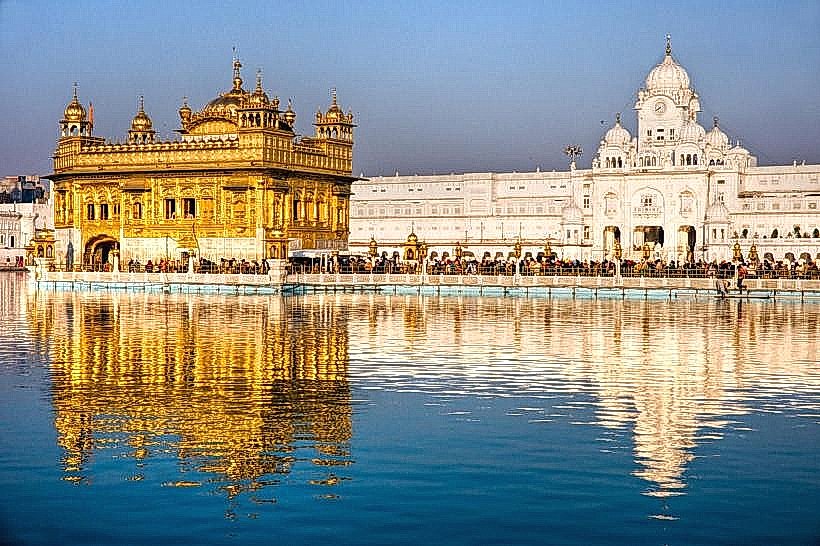
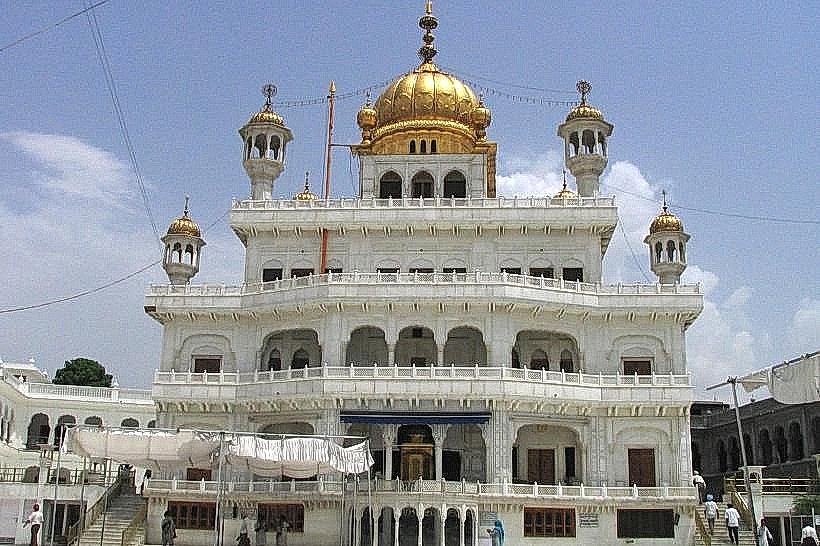
Golden Temple (Harmandir Sahib): The holiest shrine in Sikhism, gilded in real gold and surrounded by the sacred sarovar; it hosts the world’s largest free community kitchen (Langar).
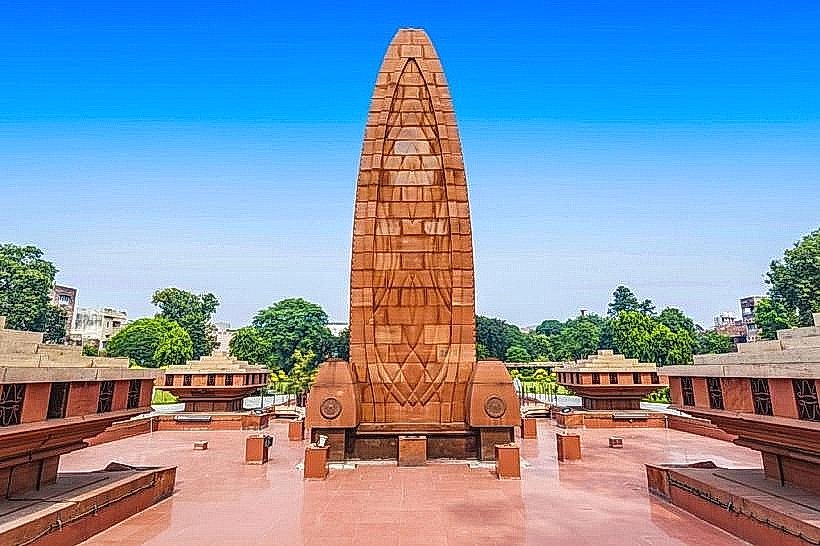
Jallianwala Bagh: A memorial park preserving the site of the 1919 massacre, including the "Martyr's Well" and walls still marked by bullet holes.
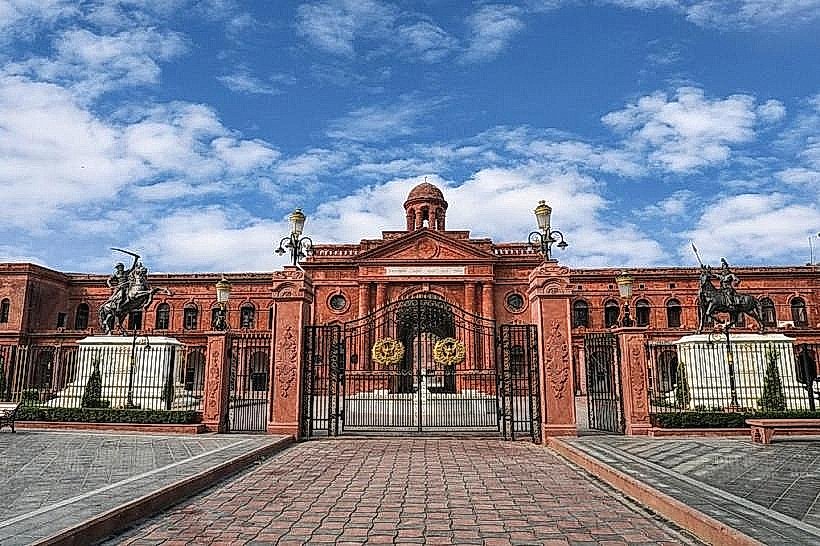
Partition Museum: Housed in the historic Town Hall; it is the world’s first museum dedicated to the memories and artifacts of the 1947 Partition.
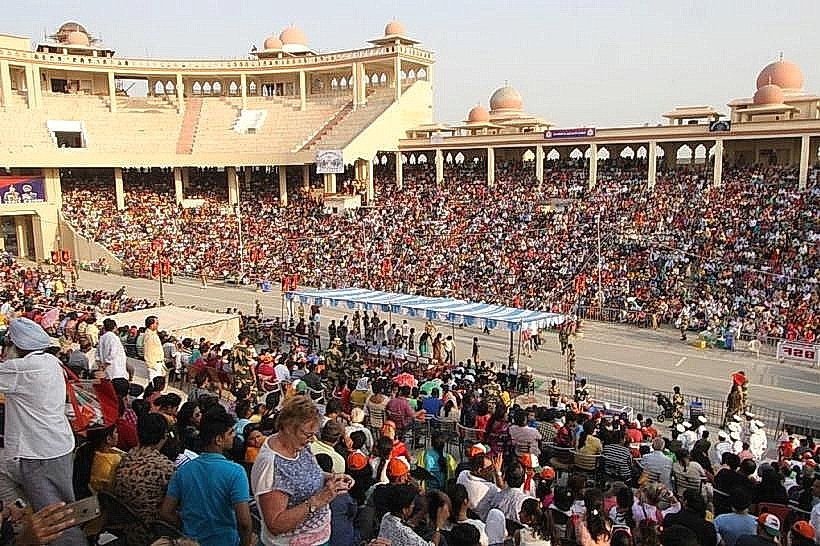
Wagah-Attari Border: (Located 28 km west); the site of the nightly "Beating Retreat" ceremony, a choreographed military display between Indian and Pakistani border guards.
Ram Tirath Temple: An ancient site believed to be the ashram of Sage Valmiki and the birthplace of Luv and Kush from the Ramayana.
Gobindgarh Fort: A 18th-century military fort recently restored as a cultural theme park and museum.
Transportation Network
Movement is facilitated by auto-rickshaws, cycle-rickshaws, and the Amritsar BRTS (Bus Rapid Transit System). Sri Guru Ram Dass Jee International Airport (ATQ) offers robust domestic and direct international flights (UK, UAE, Singapore). Amritsar Junction is a primary rail head. In 2026, the city has expanded its "Electric-Rickshaw" zones to reduce pollution near the Golden Temple.
Safety & "Red Zones"
General safety is very high. Touts are common near the railway station but rarely aggressive. Severe Fog during winter (December–January) is a major transport hazard, often grounding flights and halting trains. Air Pollution from regional stubble burning peaks in late autumn. Standard awareness is advised near the border zones at night.
Digital & Financial Infrastructure
5G connectivity is universal. UPI payments are used for everything from street-side Kulcha stalls to high-end boutiques. Card acceptance is standard in formal establishments. Punjab state taxes apply to luxury services and electronics.
Climate & Air Quality
Temperatures range from 4°C to 20°C in winter and can exceed 45°C in summer. The climate is semi-arid with extreme seasonal variations. Air quality is generally high, except during the autumn harvest season.
Culture & Social Norms
The standard tipping percentage is 10%. A "Warm-Hospitable" greeting (Sat Sri Akal) is standard. Dress codes are "Conservative"; heads must be covered and shoes removed when entering the Golden Temple complex. The city is culturally defined by Sewa (Selfless Service), Bravery, and Punjabi Cuisine (Amritsari Kulcha, Lassi, Maa Ki Dal).
Local Cost Index
1 Espresso: ₹140 ($1.70 USD)
1 Standard Lunch: ₹250 ($3.00 USD)
1 Langar Meal: Free (donations of money or labor encouraged).
Nearby Day Trips
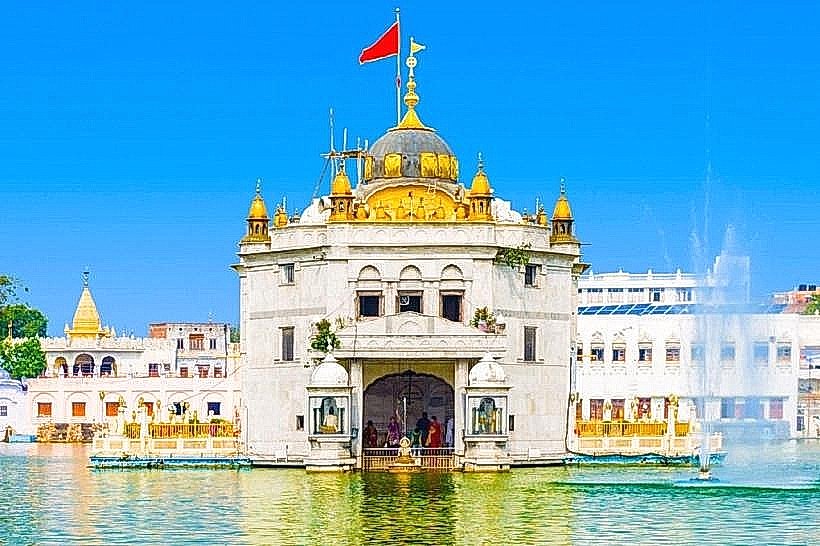
Tarn Taran Sahib: (25 km south; features a massive sarovar larger than the Golden Temple's).
Pul Kanjari: (35 km west; a historic village built by Maharaja Ranjit Singh near the border).
Beas: (45 km east; headquarters of the Radha Soami Satsang Beas).
Facts & Legends
The Golden Temple's kitchen feeds up to 100,000 people daily regardless of race or religion. Historically, the city was a major stop on the Grand Trunk Road. A local legend involves the "Baba Deep Singh" shrine within the temple complex, dedicated to the warrior who is said to have fought his way to the temple even after being decapitated. Another legend claims the pool of the Golden Temple has curative properties, leading to its name "The Tank of Nectar."