Information
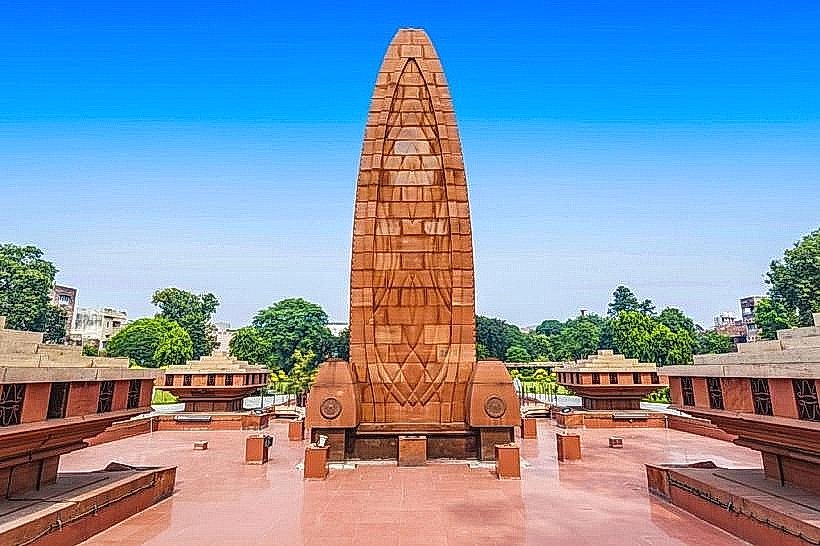
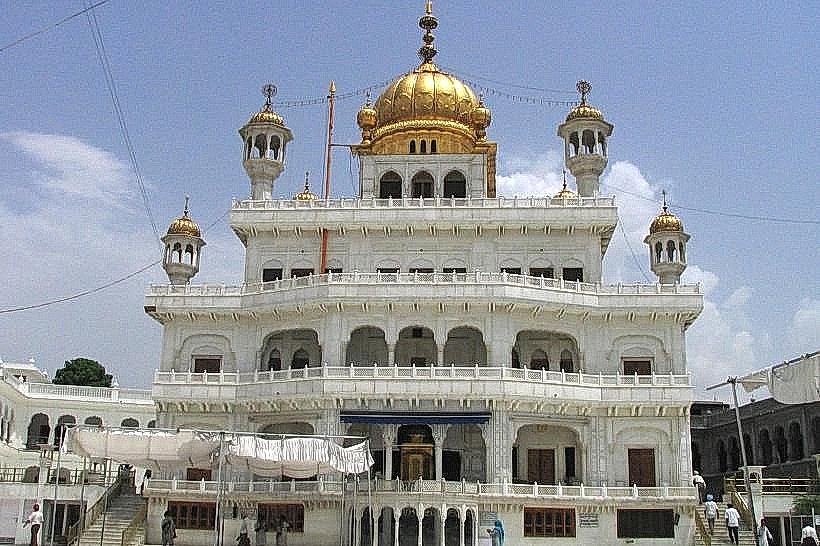
Landmark: Partition MuseumCity: Amritsar
Country: India
Continent: Asia
Partition Museum, Amritsar, India, Asia
The Cambria Ghost Town Site is an abandoned settlement located in Newcastle, Wyoming, USA.
Visual Characteristics
The site consists of scattered remnants of wooden structures, primarily foundations and collapsed walls, composed of weathered timber and stone. Evidence of a main street and individual building plots is discernible. Vegetation, including prairie grasses and scattered shrubs, has encroached upon the former settlement.
Location & Access Logistics
The Cambria Ghost Town Site is situated approximately 16 kilometers (10 miles) west of Newcastle, Wyoming. Access is via Wyoming Highway 16 West. Turn north onto a gravel road marked by a sign for Cambria. The gravel road is approximately 3 kilometers (1.8 miles) long and is generally passable by standard vehicles in dry conditions. Parking is available on the side of the gravel road near the site entrance. No public transport services this location.
Historical & Ecological Origin
Cambria was established in 1887 as a coal mining town. It was founded by the Cambria Coal Company, which aimed to exploit the region's coal deposits. The town experienced rapid growth but declined significantly after the primary mine closed in 1923. The site is situated within the Powder River Basin, characterized by sedimentary rock formations and semi-arid grassland ecology.
Key Highlights & Activities
Exploration of the remaining foundations and structural outlines. Observation of the historical layout of the former town. Photography of the decaying structures and surrounding landscape. Informational signage detailing the town's history is present at the site.
Infrastructure & Amenities
No permanent infrastructure or amenities are present at the Cambria Ghost Town Site. Restrooms, shade, food vendors, and cell phone signal are not available. Visitors should come prepared with water and any necessary supplies.
Best Time to Visit
The best time for photography is during the early morning or late afternoon when the sun angle creates longer shadows, highlighting the site's topography and structural details. The months of May through October offer the most favorable weather conditions, with lower precipitation and milder temperatures. Winter visits are possible but may be impacted by snow and ice.
Facts & Legends
A notable historical oddity is that Cambria was one of the few towns in Wyoming that attempted to establish a significant Welsh community, with many early settlers originating from Wales. The town's decline was accelerated by a major mine fire in 1917, which rendered a significant portion of the coal reserves inaccessible.
Nearby Landmarks
- Devils Tower National Monument (45km Northwest)
- Bear Lodge Mountains (30km Northwest)
- Newcastle Historical Society Museum (16km East)
- Keyhole State Park (50km Southeast)