Information
City: Anse La RayeCountry: Saint Lucia
Continent: North America
Anse La Raye, Saint Lucia, North America
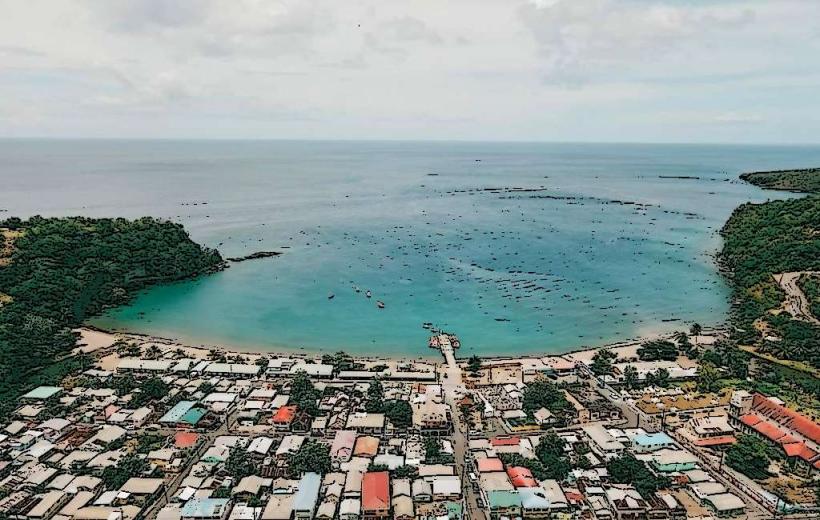
Anse La Raye is a coastal fishing village on the west coast of Saint Lucia, approximately 12 km south of Castries. Known as the "Bay of Rays", it is celebrated for its traditional French and English colonial architecture and its status as a premier culinary destination for authentic seafood.
2026 Strategic & Infrastructure Context
Anse La Raye Bridge: As of early 2026, the construction of the new Anse La Raye Bridge is nearing completion (recorded at 53% in late 2025). This is a critical component of the EC $87 million Millennium Highway and West Coast Road Reconstruction Project.
Flood Resilience: The village is currently a focal point for the Saint Lucia Urban Resilient Flood Investment Project. This World Bank-funded initiative aims to strengthen infrastructure against climate-related flood risks through nature-based solutions and upgraded drainage systems.
Road Connectivity: The section of the West Coast Road connecting Cul de Sac to Anse La Raye is scheduled for finalization by the end of Q1 2026, significantly reducing travel time from the capital.
Demographics & Population
The 2026 population of the Anse La Raye District is approximately 6,400, with roughly 1,300 residents in the village core. The demographic is predominantly of African descent. The community maintains a strong maritime identity, with traditional boat-building techniques still practiced by local shipwrights.
Urban Layout & Key Districts
Front Street: The primary waterfront thoroughfare, running parallel to the beach. It is the heart of the village's social and commercial life.
The Village Core: Noted for its density of 19th-century wooden houses featuring intricate "gingerbread" fretwork.
Au Tabor: A residential area on the hills overlooking the bay, offering vantage points of the coastal silhouette.
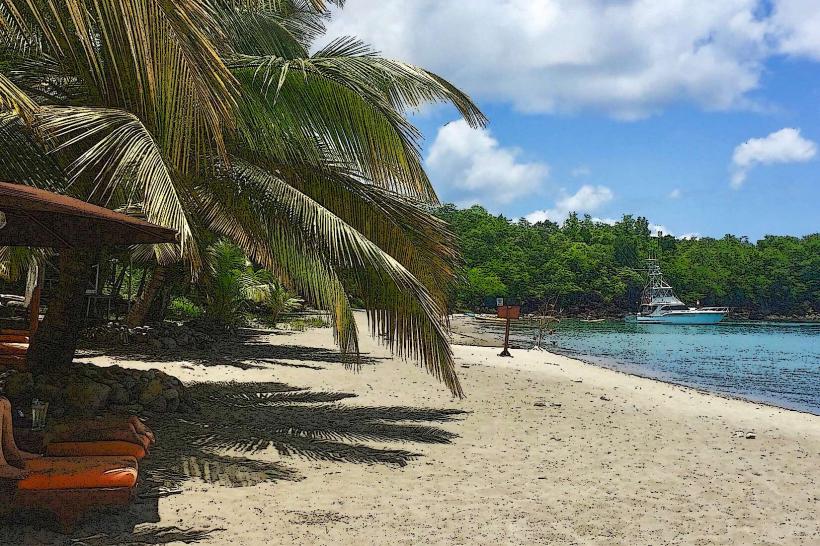
Anse Cochon: Located a short distance south; a secluded black-sand volcanic beach famous for its shallow-water reefs and snorkeling.
Top Landmarks
Friday Night Fish Fry (Seafood Friday): The village's most famous cultural event. Front Street is closed to vehicles as vendors grill lobster, snapper, lambi (conch), and octopus over open coal fires.
Roman Catholic Church: Built in 1907 on a site used for worship since 1762. The interior features murals by the St. Omer family, including Sir Dunstan St. Omer, the island's most renowned artist.
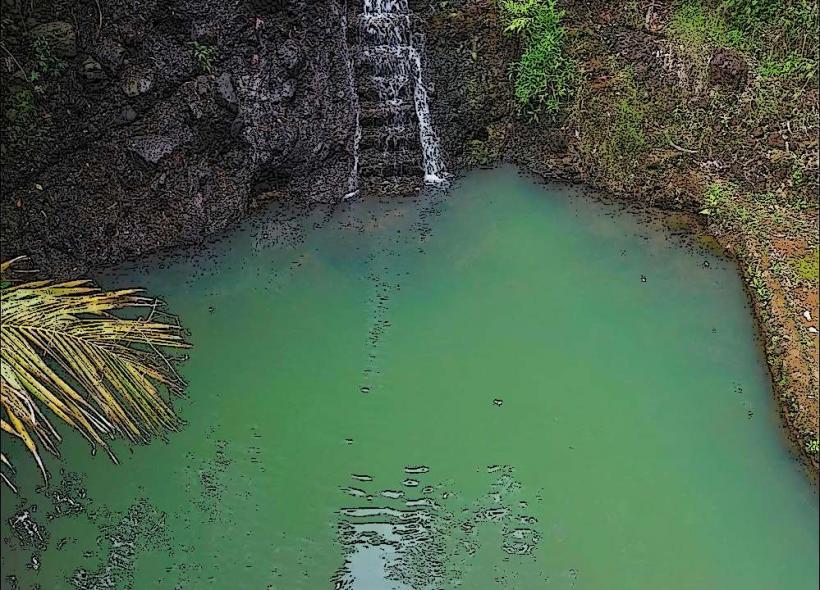
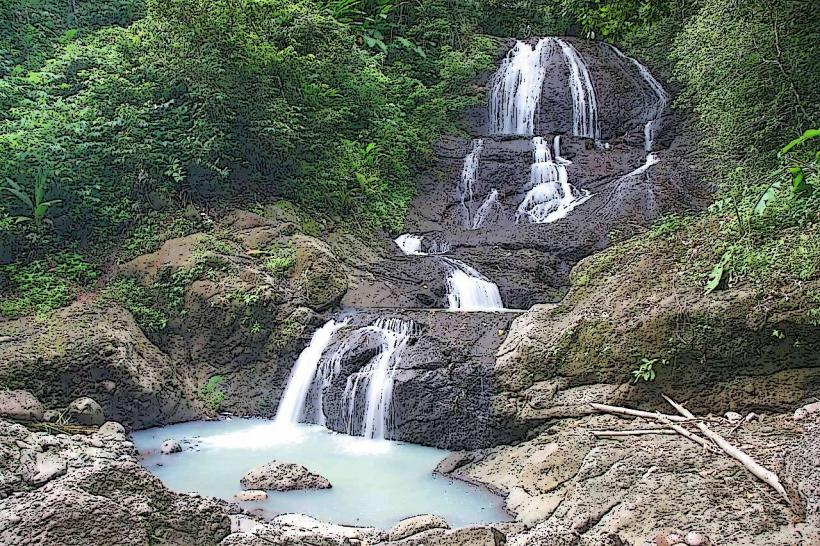
Anse La Raye Falls: A 15-meter waterfall accessible via a rainforest trail, known for its cooling pools and lush surrounding vegetation.
River Rock Falls: Located about 2 miles inland; a more accessible waterfall with a large swimming area at the base.
La Sikwi Sugar Mill: A restored 18th-century plantation site that provides insight into the island's colonial sugar and cocoa production history.
Transportation Network
Road: The village is a major stop on the West Coast Road between Castries and Soufrière.
Sea: The bay provides a popular anchorage for yachts (15–20 feet depth). Plans to upgrade the village jetty are ongoing to better accommodate maritime visitors from Rodney Bay.
Local: Served by Route 3A minibuses (green license plates) operating between the Castries market and Soufrière.
Digital & Financial Infrastructure
4G/5G connectivity is stable throughout the village. The currency is the Eastern Caribbean Dollar (XCD) ($2.70 \text{ XCD} = 1 \text{ USD}$). There are limited banking facilities; visitors are advised to withdraw cash in Castries or Soufrière, as many Fish Fry vendors and local bars do not accept credit cards.
Facts & Legends
Legend says the bay was named by early French settlers who were struck by the sheer volume of skate rays visible in the clear, shallow waters. A geographic fact: Anse La Raye sits at the confluence of two rivers-the Grande Rivière and the Petite Rivière-which historically made it a vital watering station for colonial ships. Historically, the village is the headquarters for the "Cecilian Reys", a youth orchestra that has preserved traditional Saint Lucian folk music since the 1980s.