Information
City: AthensCountry: Greece
Continent: Europe
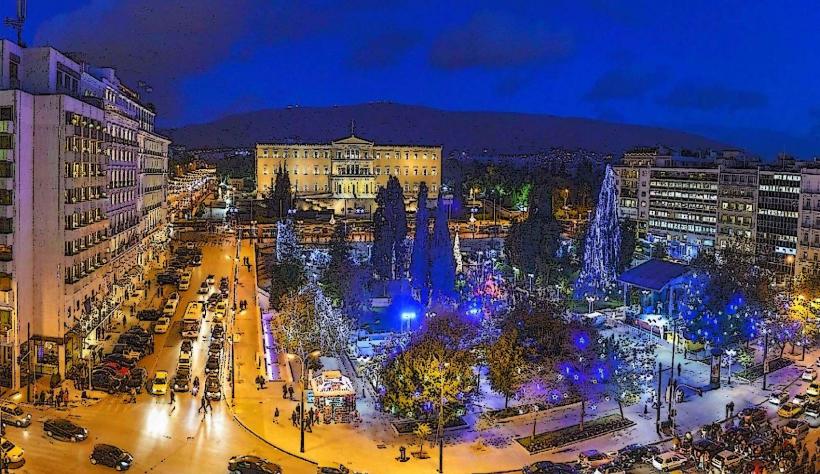
Athens, Greece, Europe
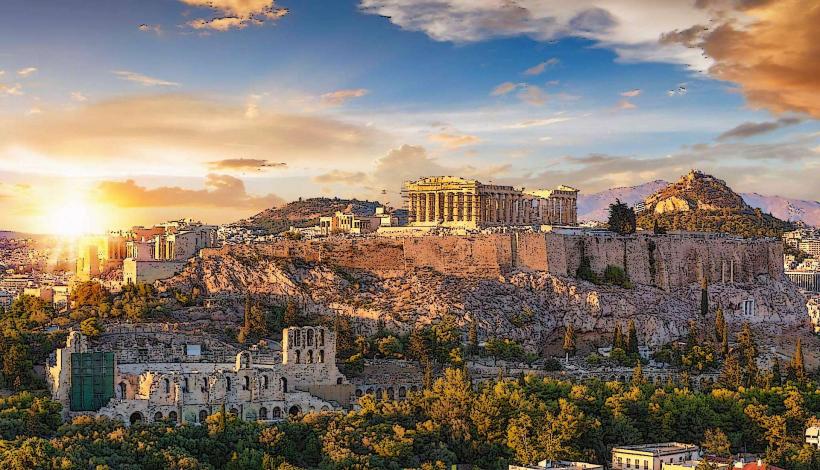
Athens serves as the capital of Greece and the administrative center of the Attica region. It is situated on the Attic plain, bordered by four mountains-Mount Parnitha, Mount Pentelicus, Mount Hymettus, and Mount Aegaleo-and the Saronic Gulf.
Historical Timeline
Athens is one of the world's oldest cities, with recorded history spanning over 3,400 years. Its Classical period (5th century BC) laid the foundations of Western civilization, including democracy, philosophy, and theater. Following Byzantine and Latin rule, it became part of the Ottoman Empire in 1458. After the Greek War of Independence, it was declared the capital of the newly established Kingdom of Greece in 1834, transforming from a small village into a modern neoclassical metropolis.
Demographics & Population
As of 2026, the population of the urban area is approximately 3.1 million. The demographic is predominantly Greek, with a significant international population (approx. 12%) primarily from Albania, Pakistan, and Bangladesh. The median age is 45.1 years.
Urban Layout & Key Districts
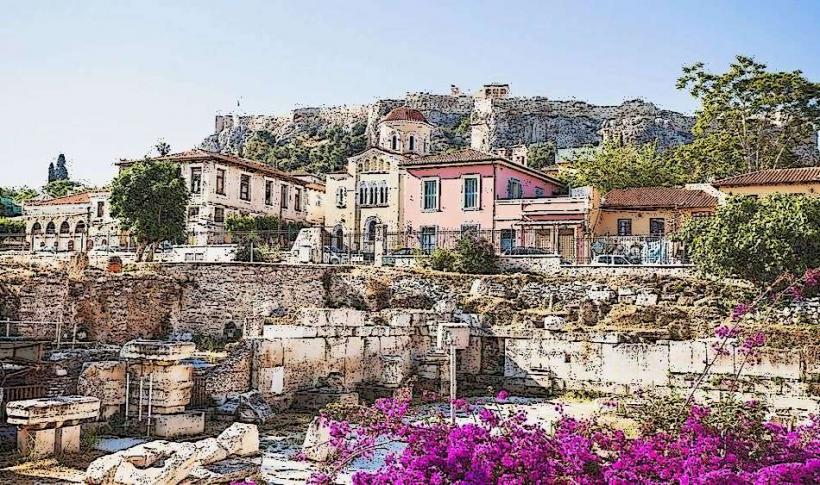
Plaka: The "Neighborhood of the Gods," located at the base of the Acropolis; characterized by narrow pedestrian streets and neoclassical architecture.
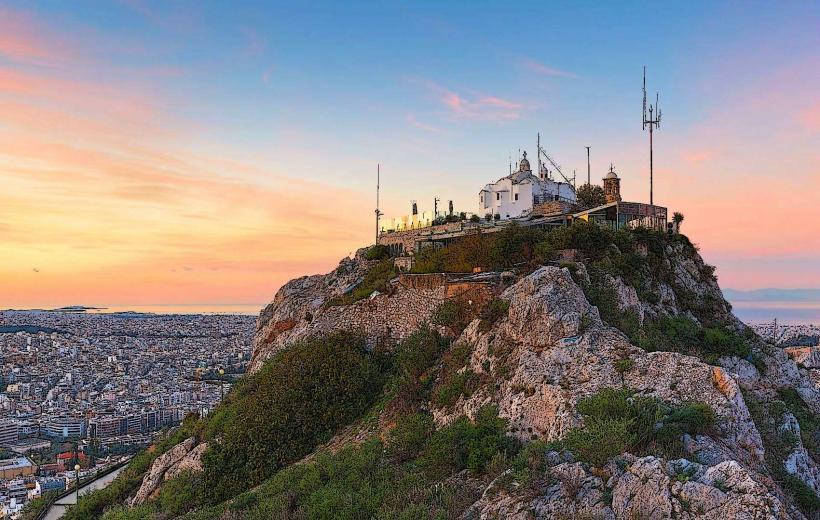
Kolonaki: An affluent district on the slopes of Lycabettus Hill, known for high-end boutiques and embassies.
Exarcheia: Historically the city's intellectual and anarchist hub; known for street art and alternative culture.
Koukaki: A residential area south of the Acropolis that has become a center for tourism and boutique dining.
Omonia & Kypseli: High-density, multicultural districts in the north, undergoing varying stages of urban renewal.
Top City Landmarks
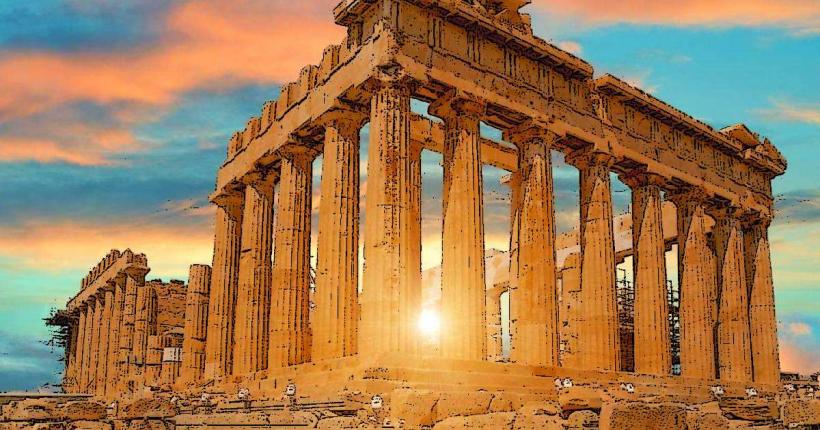
The Acropolis: The ancient citadel containing the Parthenon, the Erechtheion, and the Temple of Athena Nike.
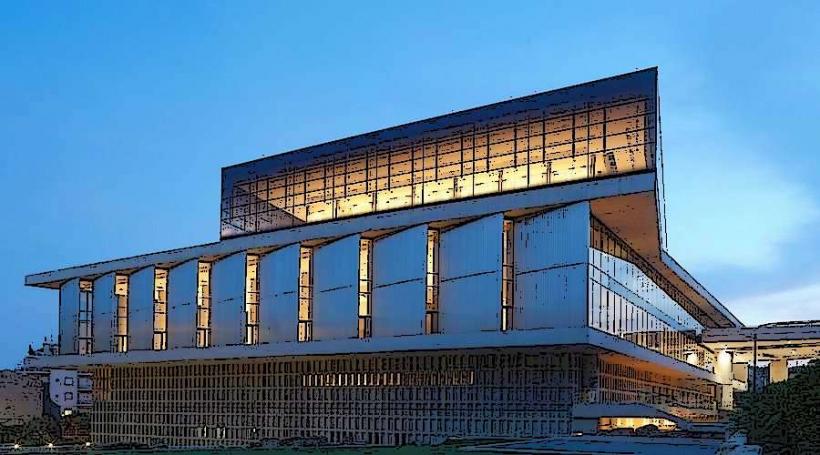
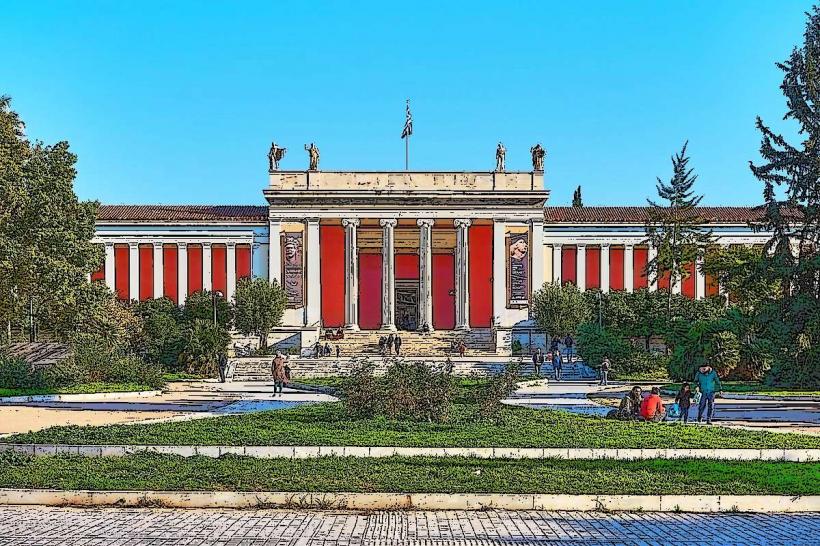
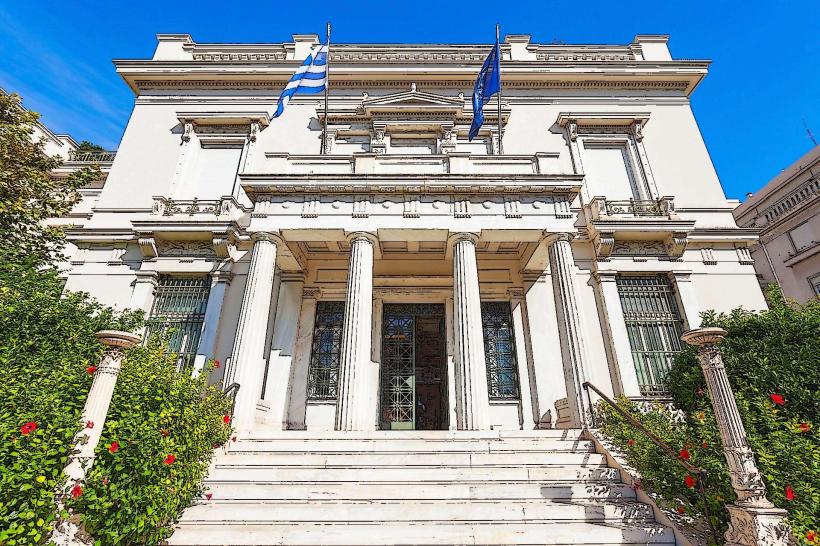
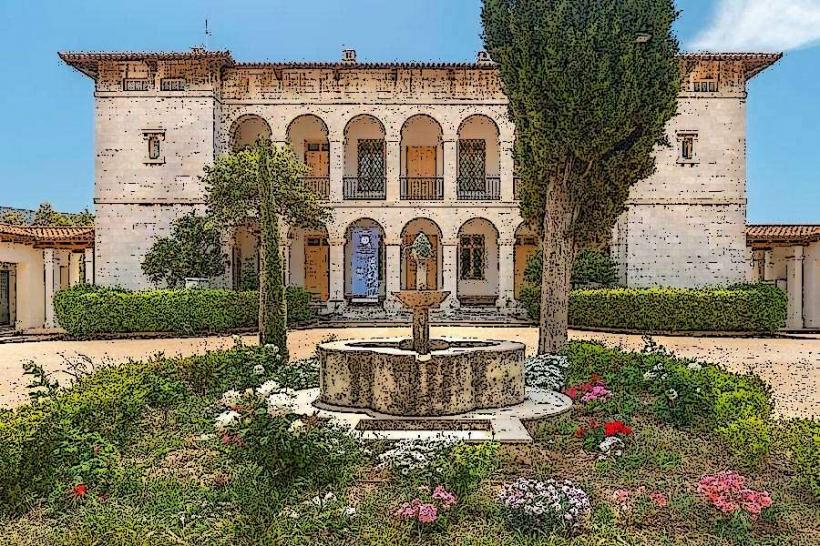
Acropolis Museum: A modern archaeological museum housing the findings from the Acropolis site.
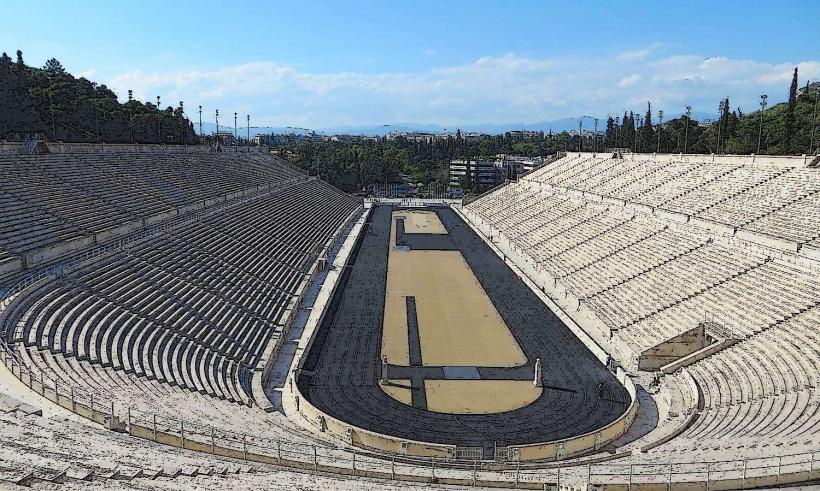
Panathenaic Stadium: The only stadium in the world built entirely of marble; hosted the first modern Olympic Games in 1896.
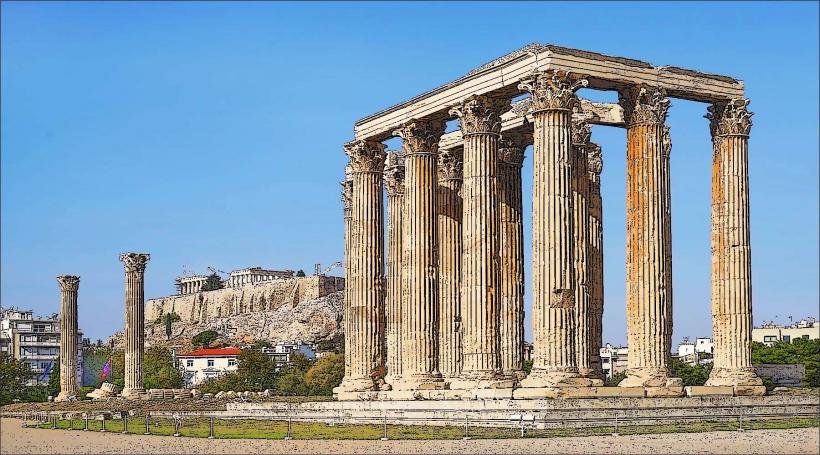
Temple of Olympian Zeus: Ruins of a colossal temple dedicated to the king of the Olympian gods.
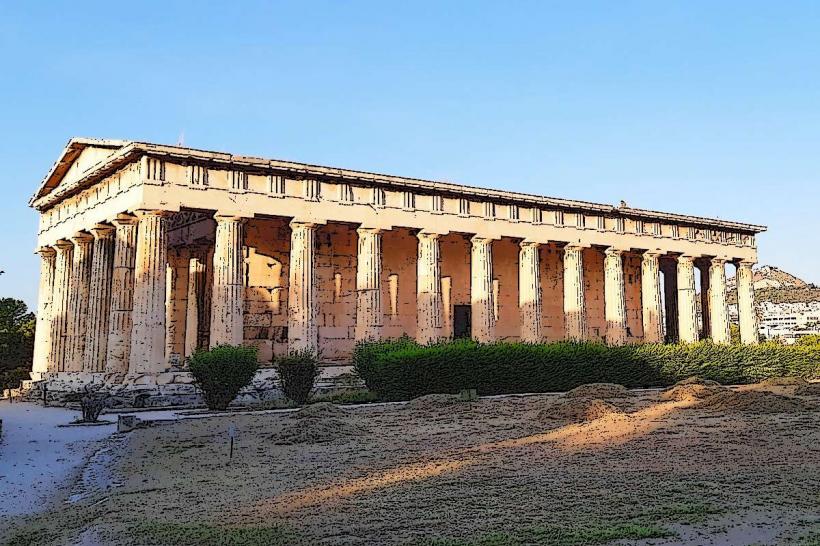
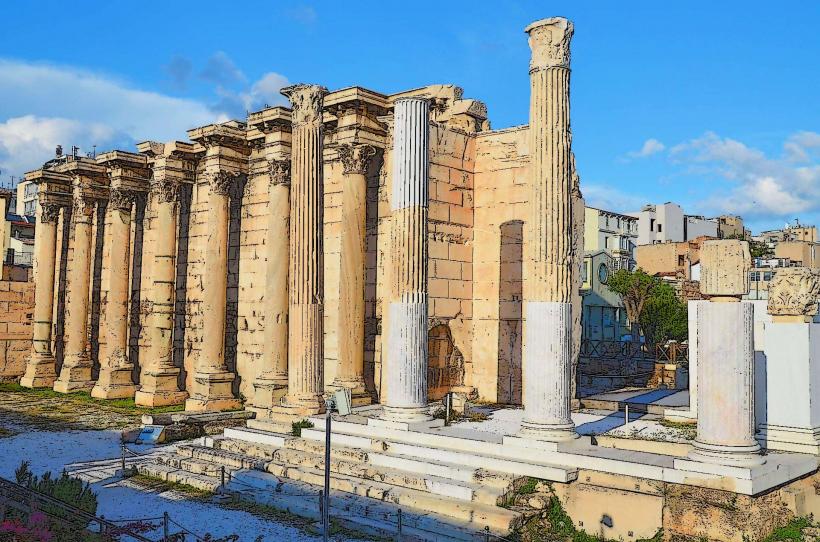
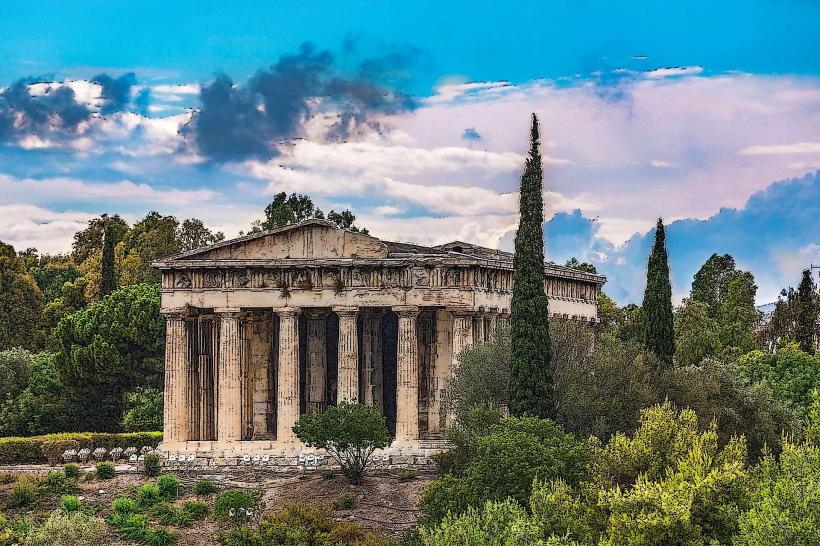
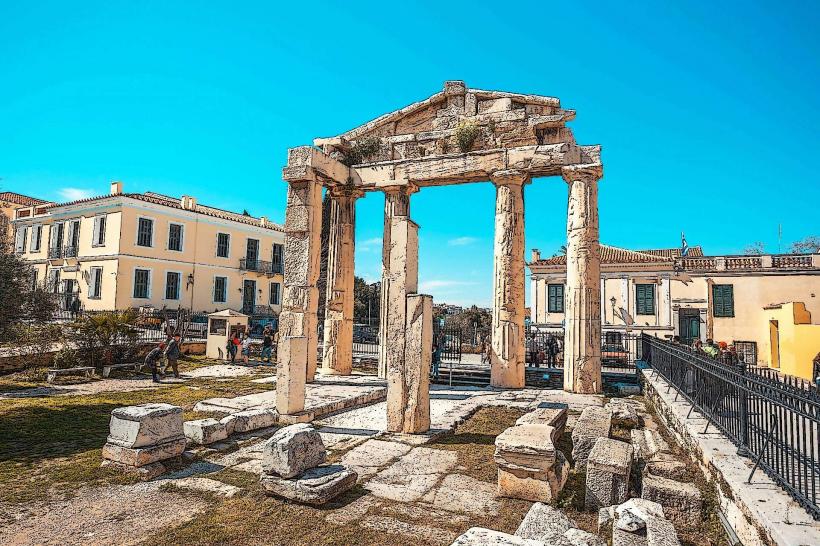
Ancient Agora: The center of political and social life in ancient Athens.
Transportation Network
Public transit is managed by OASA, consisting of a three-line metro system, trams, and buses. Taxis are yellow; the primary app is Free Now. The Athens International Airport (ATH) is connected to the center via Metro Line 3 (40 min) and the Proastiakos rail. The port of Piraeus is the primary hub for ferries to the Aegean islands.
Safety & "Red Zones"
Athens is generally safe, but petty theft is common on the Metro (specifically the Airport and Piraeus lines) and in the Monastiraki area. The Omonia Square vicinity and the Vathi and Victoria squares are considered "red zones" late at night due to drug-related activity and social marginalization.
Digital & Financial Infrastructure
Average fixed broadband speed is 110 Mbps. 5G is universal via Cosmote, Vodafone, and Nova. Card acceptance is 100% in all legal businesses due to mandatory POS regulations. The currency is the Euro (€). ATMs are ubiquitous.
Climate & Air Quality
The climate is Mediterranean. Summers are extremely hot and dry (24°C to 36°C, often peaking above 40°C); winters are mild (7°C to 15°C). Air quality can be poor during the summer due to temperature inversions trapping smog and occasional smoke from regional wildfires.
Culture & Social Norms
Language: Greek. English is widely spoken in tourism and business.
Philotimo: A core Greek value encompassing honor, hospitality, and doing the right thing.
Coffee Culture: Central to social life; the "Frappé" (instant) or "Freddo Espresso" (chilled) are local staples.
Tipping: Not strictly required but expected in restaurants (approx. 5–10%).
Local Cost Index
1 Espresso (Freddo): €3.00–€4.50
1 Souvenir Gyros: €4.00–€5.00
1 Standard Lunch: €15.00–€22.00
1 90-min Transit Ticket: €1.20
Nearby Day Trips
Cape Sounion (70 km): Site of the Temple of Poseidon overlooking the Aegean Sea.
Delphi (180 km): The ancient sanctuary and oracle of Apollo.
Epidaurus & Nafplio (140 km): Significant archaeological sites and the first capital of modern Greece.
Facts & Legends
Legend states that Athena and Poseidon competed for the city's patronage; Athena won by gifting the citizens an olive tree, symbolizing peace and prosperity. A verified historical fact: The Parthenon remained largely intact until 1687, when it was used as a gunpowder magazine by Ottoman forces and subsequently exploded during a Venetian bombardment.