Information
Landmark: Mount LycabettusCity: Athens
Country: Greece
Continent: Europe
Mount Lycabettus, Athens, Greece, Europe
Mount Lycabettus is a Cretaceous limestone peak located in the center of Athens, rising 277 meters above sea level. It represents the highest point in the city, situated within the Kolonaki district and surrounded by a dense pine forest.
Visual Characteristics
The landmark is a jagged limestone formation with steep, rocky slopes and gray-white cliffs. The base and mid-sections are covered in dense Aleppo pine and prickly pear cacti. At the summit sits the whitewashed Chapel of St. George, a small belfry, and a tiered open-air theater constructed of steel and wood.
Location & Access Logistics
The peak is located approximately 2km northeast of Syntagma Square. Access is via a circular hiking path starting at the end of Aristippou Street in Kolonaki. The Lycabettus Funicular operates from the corner of Aristippou and Ploutarchou Streets, traveling through a 210-meter tunnel to the summit. Public transport includes bus line 060, which stops near the funicular base. Limited street parking is available at the Aristippou trailhead.
Historical & Ecological Origin
Geologically, the mountain is a remnant of the "Athenian Schist" and limestone layers formed during the Cretaceous period. In Greek mythology, the rock was said to have been dropped by the goddess Athena while she was carrying it to the Acropolis. The chapel at the summit was constructed in the 19th century on the ruins of a Byzantine church.
Key Highlights & Activities
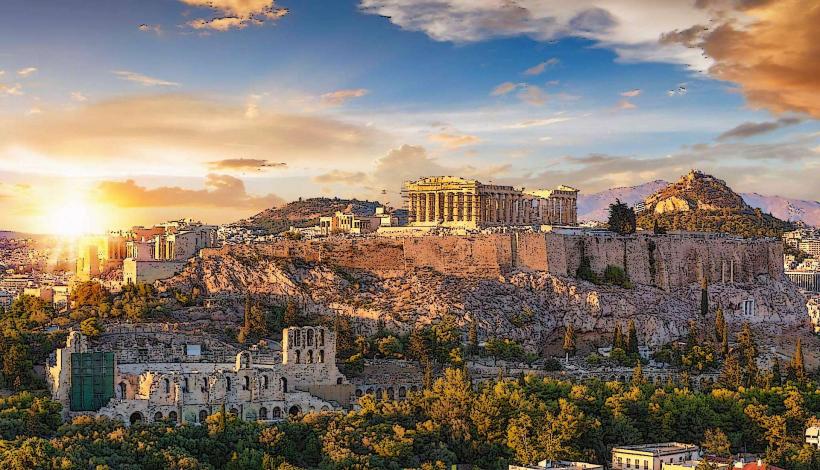
The primary activity is viewing the 360-degree panorama of the Attic basin, including the Acropolis, Piraeus, and the Saronic Gulf. Hiking trails encircle the mountain for approximately 3km. The Lycabettus Theatre, located in a former quarry on the eastern side, hosts concerts during summer. Dining is available at the summit restaurant.
Infrastructure & Amenities
Restrooms are located at the upper funicular station and within the summit restaurant. Benches are positioned along the hiking trails, though shade is limited to the forested lower sections. 5G cellular signal is stable at all elevations. Water fountains are available at the base and the summit.
Best Time to Visit
Sunset is the optimal time for photography, as the sun illuminates the Acropolis and the Saronic Gulf. The months of March through May and September through November offer the best visibility and manageable temperatures for hiking. The funicular operates daily until approximately midnight.
Facts & Legends
Local tradition suggests the hill was once a refuge for wolves (lykoi), which is one theorized origin for the name "Lycabettus." A verified historical oddity is that during the 1930s, a series of anti-aircraft batteries and bunkers were carved into the rock; some of these subterranean structures remain behind the chapel.
Nearby Landmarks
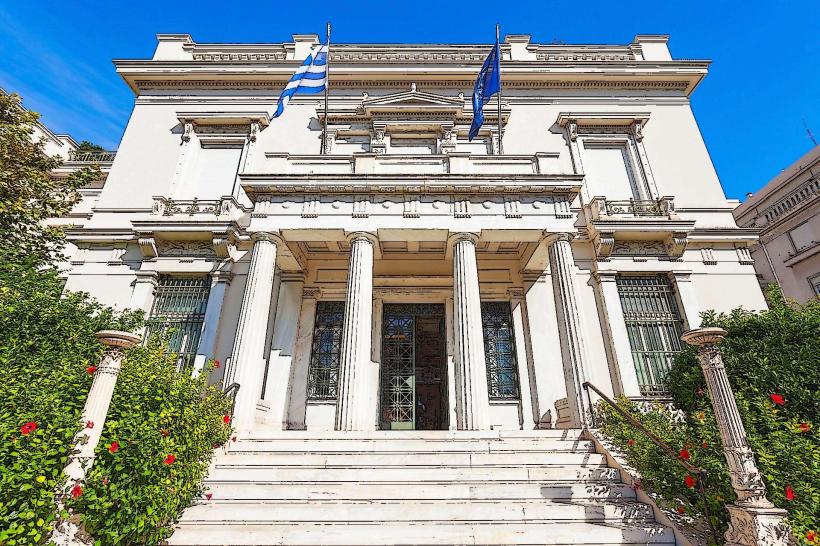
Benaki Museum: 0.6km South
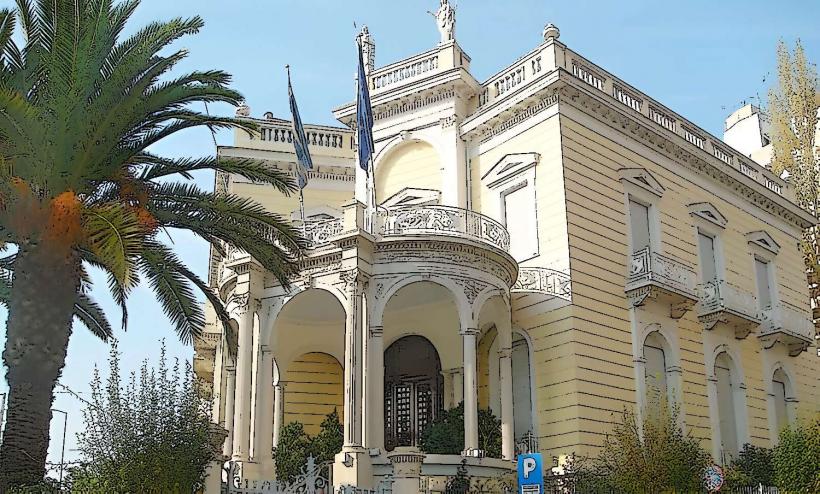
Museum of Cycladic Art: 0.7km South
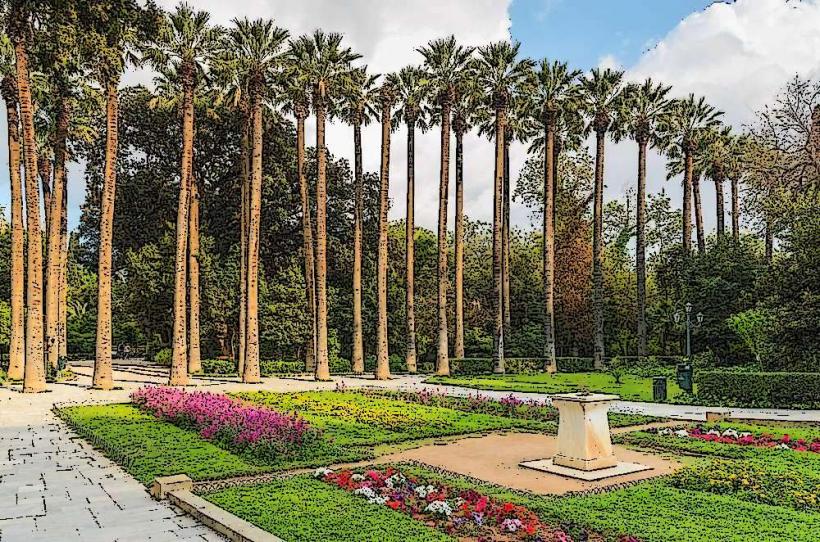
National Garden: 0.9km Southwest
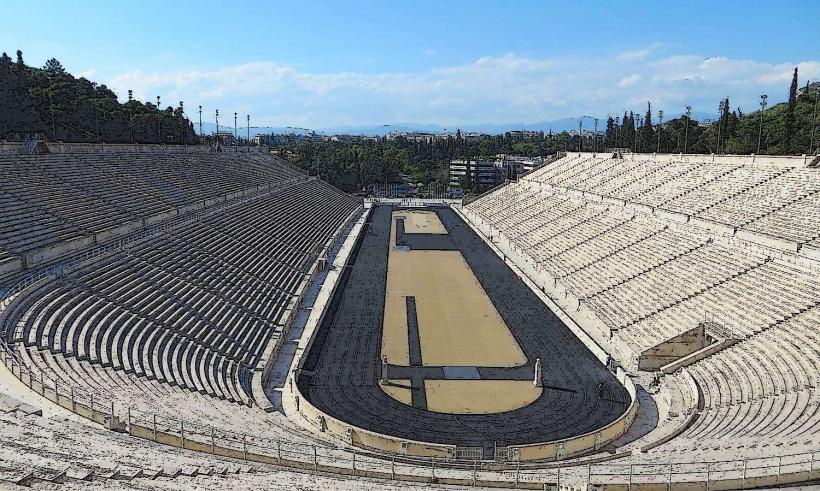
Panathenaic Stadium: 1.2km South
Athens School of Fine Arts: 0.5km East