Information
City: Baia MareCountry: Romania
Continent: Europe
Baia Mare, Romania, Europe
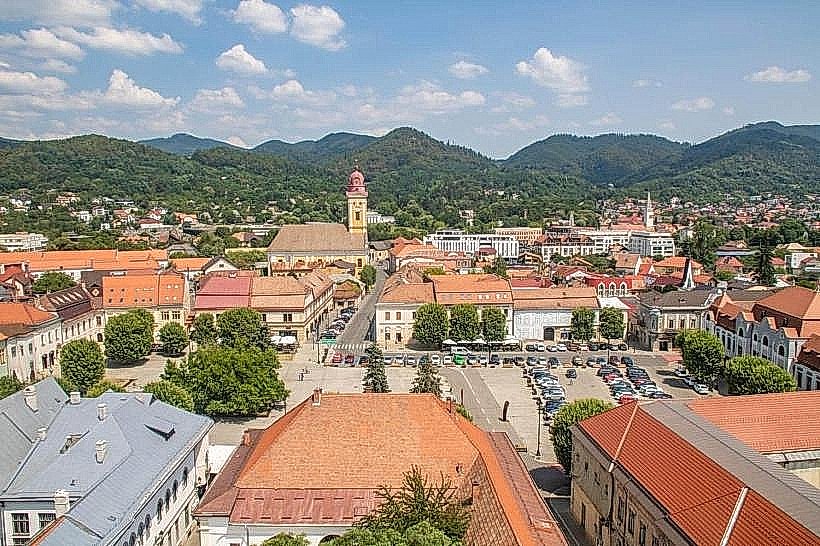
Baia Mare serves as the administrative capital of Maramureș County and acts as the primary industrial and cultural gateway to the historical Maramureș region. It is situated in northwestern Romania within the Baia Mare depression, bordered by the Gutâi and Igniș Mountains and bisected by the Săsar River.
Historical Timeline
Baia Mare was first documented in 1329 as Rivulus Dominarum (Ladies' River) and grew as a major gold and silver mining center under the Kingdom of Hungary. Significant eras include its development as a royal free town in the 14th century, Austrian Habsburg rule (1687–1918), and intensive industrialization under the Communist regime (1947–1989). The primary event shaping the current urban form was the rapid socialist urban expansion of the 1960s and 70s, which surrounded the medieval core with high-density apartment blocks and established heavy metallurgical complexes. The closure of most mining operations after 1989 triggered a shift toward services and light industry.
Demographics & Population
The population within city limits is approximately 136,100, while the metropolitan area encompasses roughly 170,000 inhabitants. The top three ethnic demographics are Romanian (approx. 84.1%), Hungarian (approx. 10.3%), and Romani (approx. 2.5%). The median age of the population is 43.2 years.
Urban Layout & Key Districts
The city is organized along the Săsar River, which separates the historical northern districts from the more modern southern residential areas. Centrul Vechi (Old Town) is the historical and cultural core, located on the northern bank. Centrul Nou (New Center) lies to the south and functions as the primary administrative and commercial hub. The Săsar district is a major residential area to the west, while the eastern peripheries (Ferneziu) are characterized by former mining infrastructure and lower-density housing.
Top City Landmarks
Stephen’s Tower (Turnul lui Ștefan)
Butcher's Bastion (Bastionul Măcelarilor)
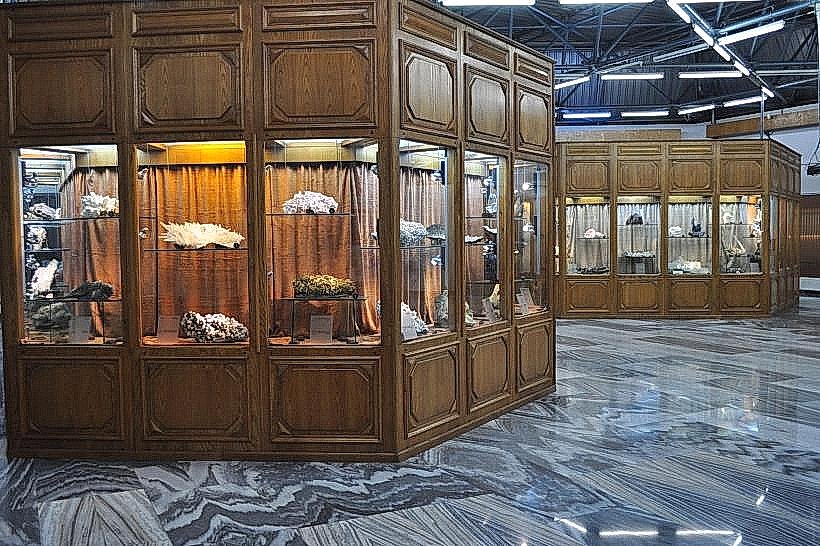
Victor Gorduza Museum of Mineralogy
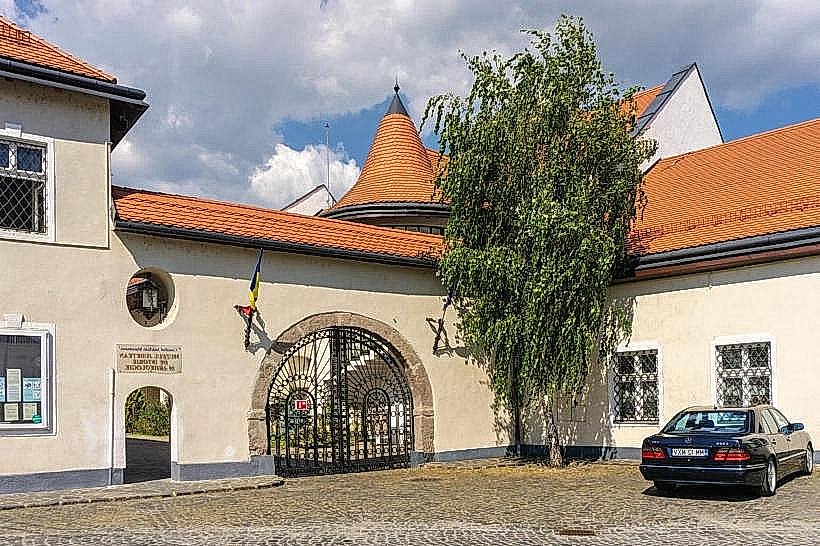
County Museum of Ethnography and Folk Art (Village Museum)
The Arts Center - Painters' Colony (Colonia Pictorilor)
Transportation Network
Internal movement is facilitated by the URBIS bus and trolleybus network; there is no Metro or Tram system. Uber and Bolt are the primary ride-sharing apps. Official taxis are typically yellow and must display the tariff (approx. 3.50–4.00 RON/km) on the front doors. Traffic density is moderate but peaks at the intersections of Bulevardul Unirii and Bulevardul Republicii during 07:30–08:30 and 16:30–17:30.
Safety & "Red Zones"
Baia Mare is generally safe, though petty theft can occur in crowded transit areas. The neighborhoods of Craica and parts of Ferneziu are identified as lower-income zones with higher rates of social marginalization and should be avoided at night. Common scams are infrequent, but visitors should avoid unregulated "guides" offering tours of closed mining sites.
Digital & Financial Infrastructure
Average internet speed is 140 Mbps with widespread fiber-optic coverage. Main mobile carriers are Orange, Digi Mobil, and Vodafone. Card acceptance is high in the city center, malls (VIVO! Gold Plaza), and restaurants; cash (RON) is required for small kiosks and public transport tickets. ATMs are densely distributed around the New Center and Old Town.
Climate & Air Quality
Temperatures range from -6°C to 1°C in winter (January) and 15°C to 28°C in summer (July). Air quality has significantly improved since the closure of heavy metallurgical plants, though winter thermal inversions occasionally trap wood-burning smoke in the valley. Significant snowfall occurs from December through February.
Culture & Social Norms
The standard tipping rate is 10% in restaurants. Handshakes are the standard formal greeting. Dress code is casual, but conservative attire (covered shoulders/knees) is expected in Orthodox and Catholic churches. Public smoking is prohibited in all indoor venues. The city maintains a strong artistic tradition dating back to the 19th-century Painters' Colony.
Accommodation Zones
Stay in Centrul Vechi (Old Town): Recommended for immediate walking access to historical sites, boutique hotels, and central dining.
Stay near Dealul Florilor: Recommended for quiet access to the Municipal Park, Village Museum, and panoramic views of the city.
Local Cost Index
1 Espresso: 11 RON ($2.40)
1 Standard Lunch: 42 RON ($9.15)
1 Bus Ticket: 3 RON ($0.65)
Nearby Day Trips
Firiza Lake and Dam: 10 km (approx. 15 minutes)
Wooden Churches of Maramureș (UNESCO sites in Surdești or Plopiș): 20–25 km
Merry Cemetery (Săpânța): 65 km (approx. 1 hour 15 minutes)
Facts & Legends
A verified historical oddity of Baia Mare is the presence of the "Tower of the Combinat," a 351-meter-tall industrial chimney (the tallest structure in Romania), which remains as a monument to its mining past. Local legend persists regarding the "Sunken Church" of Firiza Lake, with divers and locals claiming that during low water levels, the cross of a submerged church tower becomes visible-a remnant of the villages flooded during the dam's construction in the 1960s.