Information
Landmark: County Museum of History and ArchaeologyCity: Baia Mare
Country: Romania
Continent: Europe
County Museum of History and Archaeology, Baia Mare, Romania, Europe
The County Museum of History and Archaeology in Baia Mare is the primary repository for the regional heritage of Maramureș, housed in the monumental building of the former Medieval Mint.
Visual Characteristics
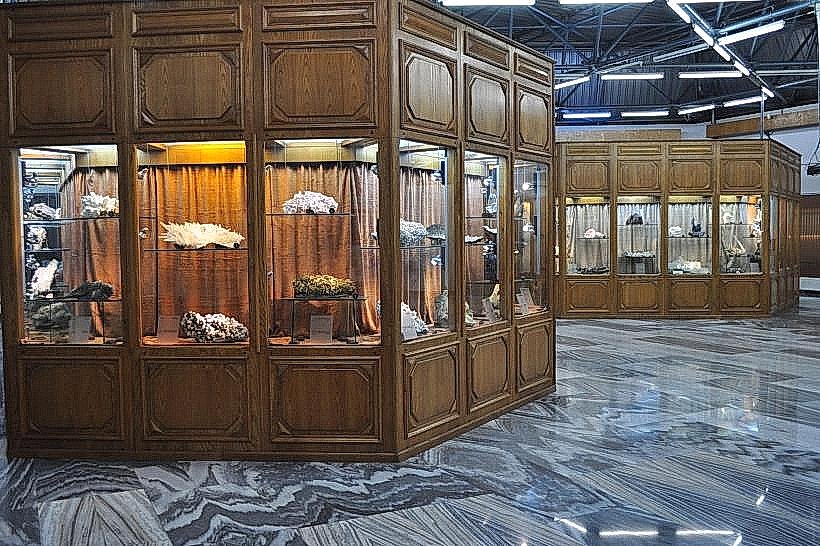
The museum is located in a massive 18th-century Baroque structure. It features thick stone walls, vaulted ceilings, and large interior courtyards. The exhibits are organized chronologically, utilizing modern display cases and thematic lighting to highlight artifacts ranging from prehistoric stone tools to medieval weaponry and industrial mining equipment.
Location & Access Logistics
Address: Strada Monetăriei 1-3, Baia Mare.
Public Transport: Located within a 3-minute walk from the Old Town Square (Piața Libertății). Accessible via central bus lines.
Access: Open Tuesday–Sunday (10:00–17:00); closed on Mondays.
Parking: Limited street parking is available on Strada Monetăriei and nearby side streets.
Historical & Ecological Origin
The building served as the Imperial Mint (Casa Monetăriei) from 1734 until 1865, where gold and silver from local mines were processed into coinage for the Habsburg Empire. The museum was established in its current form in the mid-20th century to centralize archaeological finds from across the Maramureș basin, including the significant excavations at the nearby Saint Stephen's Cathedral.
Key Highlights & Activities
Treasury Room: Displays rare gold and silver coins minted on-site, along with medieval jewelry.
Medieval Armory: Features a collection of swords, shields, and firearms used in the defense of the city's fortifications.
Mining History: Exhibits detailing the evolution of extraction techniques in the Gutâi Mountains.
Dacian Artifacts: Significant displays of pottery and tools from the local Geto-Dacian settlements.
Infrastructure & Amenities
The facility includes a specialized restoration laboratory and a research library. Guided tours are available in Romanian, Hungarian, and English. 5G cellular coverage is excellent. Public restrooms are located on the ground floor.
Best Time to Visit
The museum is best visited during the morning hours for a quiet experience. It is a recommended indoor alternative during inclement weather, offering extensive educational value.
Facts & Legends
A local historical fact is that the building's basement still contains traces of the original smelting furnaces used for gold purification. Legend suggests that during the 18th century, workers were strictly searched every evening to prevent the smuggling of "gold dust" out of the high-security mint.
Nearby Landmarks
Stephen’s Tower: 0.2 km South.
Old Town Square (Piața Libertății): 0.2 km South.
Butcher’s Tower: 0.5 km Southeast.
Arts Center (Colonia Pictorilor): 0.4 km West.