Information
City: BaltiCountry: Moldova
Continent: Europe
Balti, Moldova, Europe
Overview
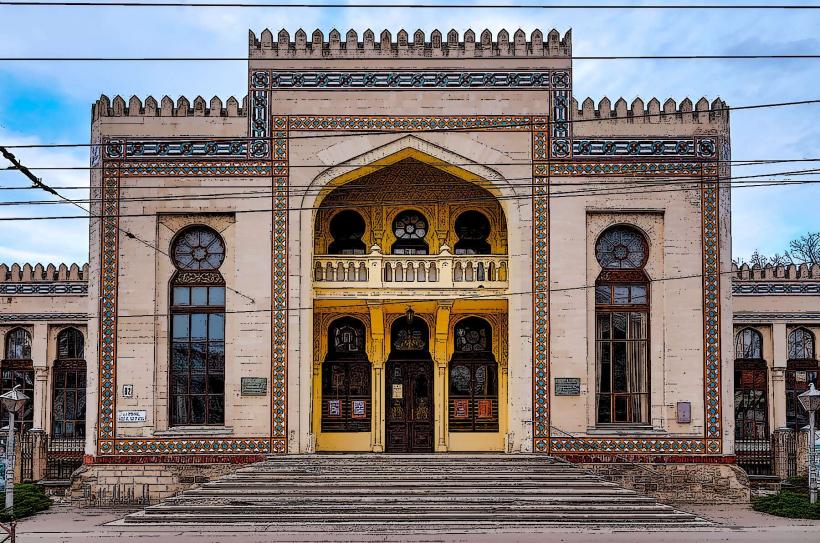
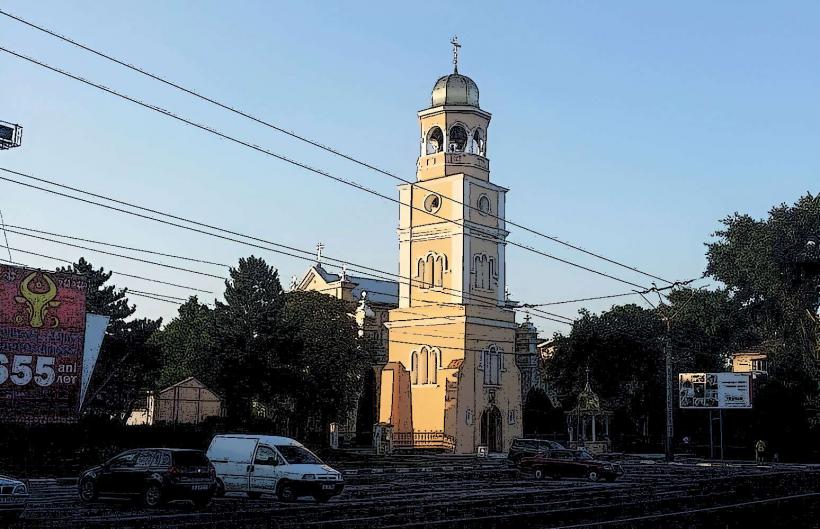
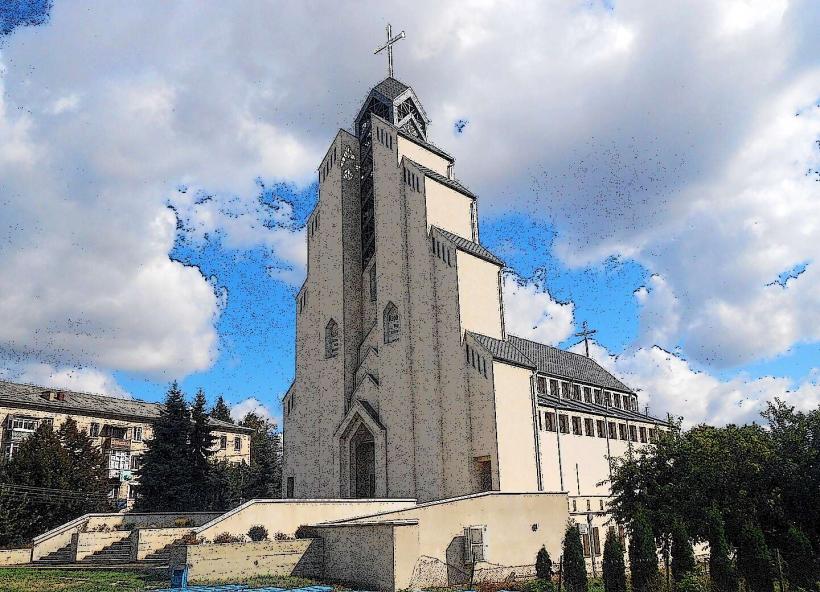
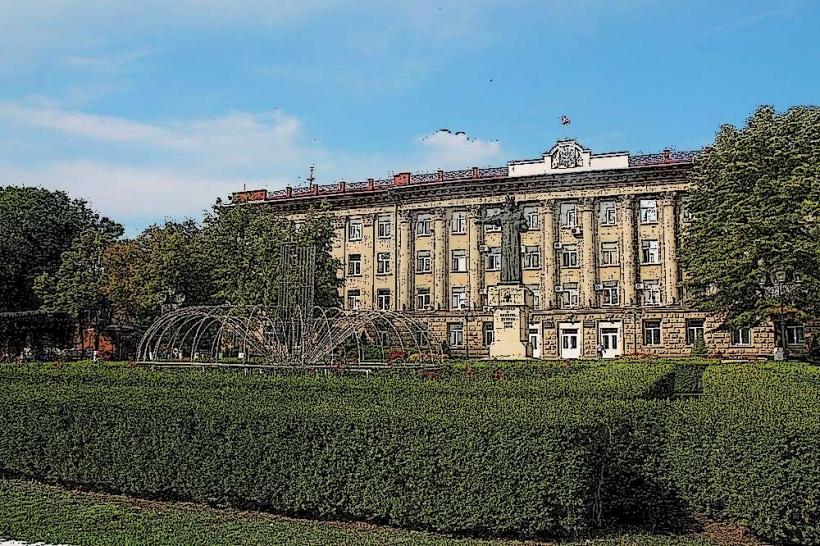
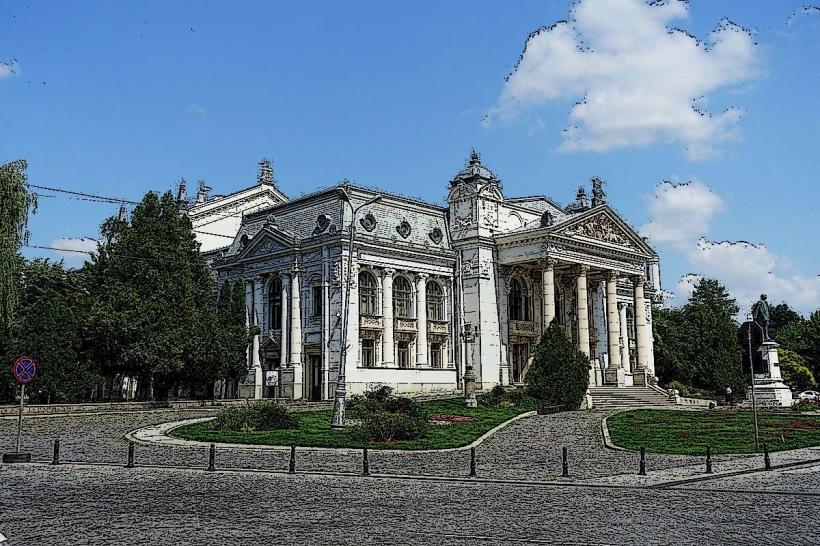
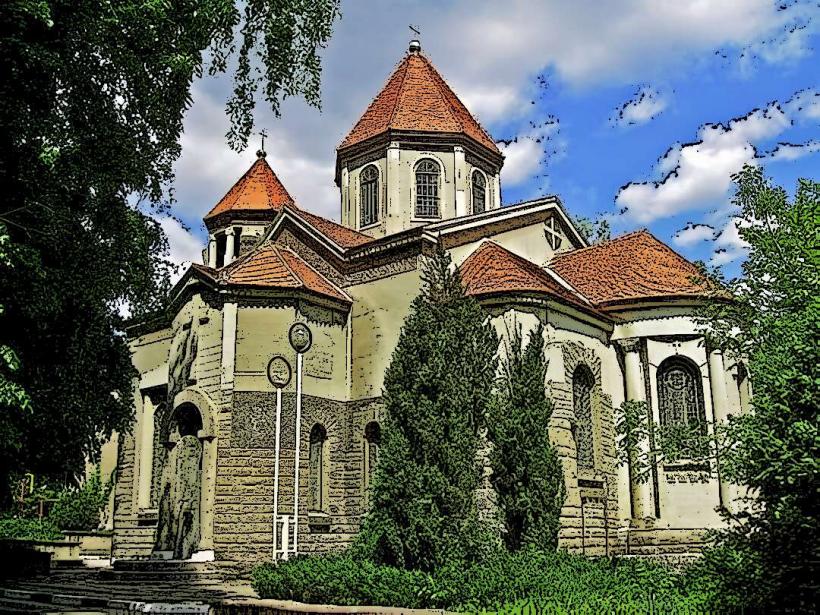
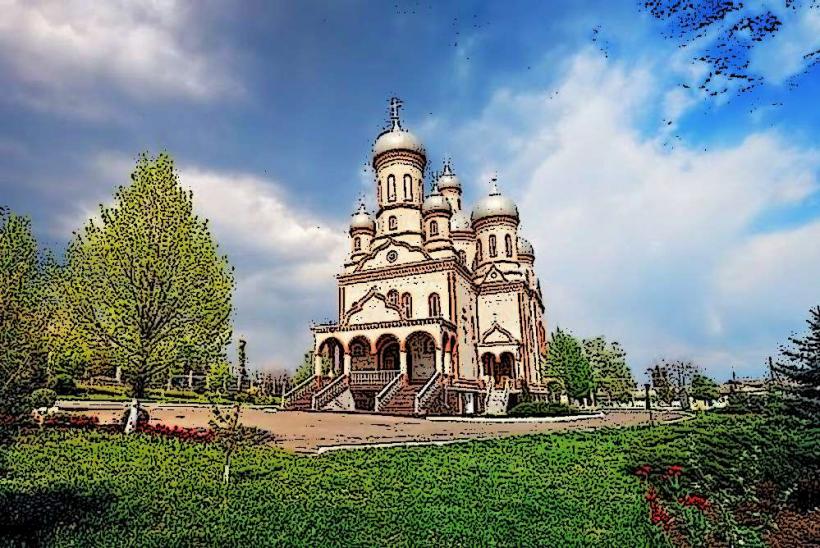
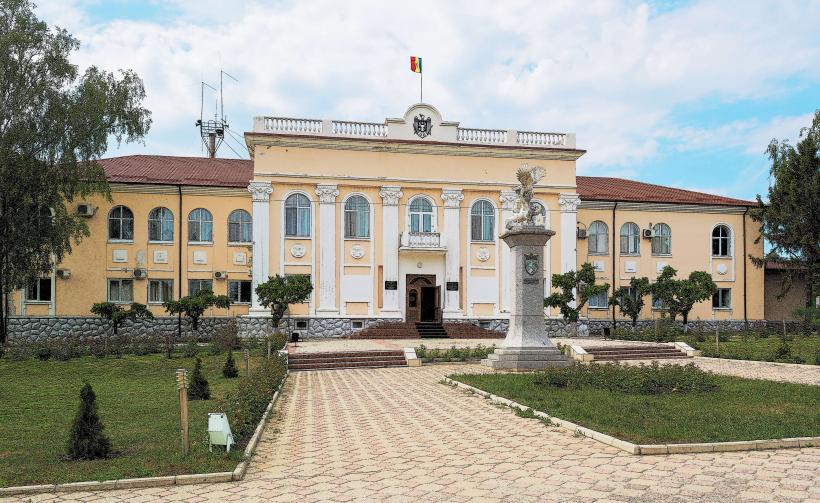
Bălți, Moldova’s second-largest city, sits in the country’s north, about 130 kilometers-roughly an hour and a half’s drive-north of the capital, Chișinău, and known as Moldova’s “Northern Capital,” it’s a major cultural, economic, and industrial center, where busy markets hum with trade and contemporary factories keep shaping the nation’s growth.Here’s a detailed view at Bălți-its winding rivers and rolling fields, its past, its economy, and the traditions that shape daily life, furthermore bălți sits in the wide northern plains of Moldova, close to the Reut River, whose waters flow into the Dniester.Frankly, The city sits among rolling farmland and pockets of quiet, shadowed woods, a landscape typical of Moldova’s north, likewise it sits on the main road linking Chișinău to Moldova’s northern border with Ukraine, where trucks rumble past in a steady stream, kind of The city has a mild climate, with winters that bite at your cheeks and summers that feel pleasantly warm, besides in the north, it’s a bustling city where merchants haggle over prices and goods change hands, anchoring the region’s commerce and trade.Bălți, home to roughly 150,000 to 170,000 residents, ranks as Moldova’s second-largest city after Chișinău, with streets that hum quietly compared to the capital’s bustle, meanwhile people from many backgrounds live here, though most are Moldovan-roughly six in ten, speaking the language you’ll hear in the markets and cafés.The city’s also home to vibrant Russian, Ukrainian, and Gagauz communities, where you might hear three languages in a single café, equally important a smaller group of Bulgarians and Romanians also lives here, often gathering at the little café by the corner, fairly Over the years, Bălți’s population has shifted, shaped mostly by people moving in and out-families packing trucks, students leaving with suitcases in hand, to boot like in many Moldovan towns, plenty of young people have left to find better work, heading for places such as Russia, Italy, or Germany-trading familiar cobblestone streets for unfamiliar skylines.Still, Bălți stands as a lively cultural hub and a key administrative heart in northern Moldova, where music drifts from open café windows, therefore bălți’s roots stretch back to the Middle Ages, but it didn’t start to take shape as the city we understand until the 19th century, when narrow streets and market stalls began to appear.Here are some key moments from the city’s past: historians first recorded Bălți in 1421, though people had probably been living there long before-perhaps in tiny wooden huts along the riverbank, on top of that in the medieval era, the region belonged to the Principality of Moldavia, and the land around Bălți bustled with grain markets and busy trade routes.In the early 1800s, after the Russo-Turkish War of 1806–1812, Bălți passed into Russian hands, its cobbled streets now under the empire’s rule, therefore during this period, the city swelled quickly-recent streets stretched toward the horizon, and more people arrived every week.In the late 19th century, the arrival of the railways gave Bălți’s role as a regional trade hub an extra push, with steam engines clattering in and out of town, alternatively after the Soviet Union formed, Bălți was folded into the Moldavian SSR, its streets soon lined with stark concrete blocks.During this time, the city grew speedy-factories rose beside crowded streets, and recent buildings seemed to appear overnight, while soviet-era buildings still scatter the city-antique apartment blocks with peeling paint, factories with rusted doors, relatively The Soviet government pushed both the Russian language and its ideology, and traces of that influence still linger in the city’s cultural life, like the familiar red stars carved into antique building facades, in addition after the Soviet Union collapsed in 1991, Bălți joined the newly independent Republic of Moldova, its streets suddenly lined with Moldovan flags.The city struggled with economic troubles during its shift to a market economy, yet it still hums as a key regional hub, its train station busy from dawn to dusk, along with bălți has gone through several waves of economic reform, yet, like many Moldovan cities, it still struggles with poverty, high unemployment, and the uncertainty of shifting politics.Actually, Bălți is a key driver of Moldova’s economy, with its fields heavy with grain, its factories humming, and its service sector bustling, what’s more bălți’s economy leans heavily on industry, with factories turning out machinery, packaged foods, and chemicals-the scent of fresh bread sometimes drifting from the production lines.Somehow, The area’s key industries range from food processing-think fresh bread cooling on racks-to textile production and the making of construction materials, equally important bălți has long been a hub for manufacturing, and though some factories have quieted since the Soviet era, the city’s industrial heart still beats strong, with machines humming in busy workshops.Around Bălți, most of the land is given over to farming, where rich, shadowy soil yields golden wheat, fresh vegetables, and sweet fruit, also the region raises cattle for meat and runs busy dairies where fresh milk is collected each morning.Bălți serves as the main hub where trucks loaded with grain and sunflowers from northern Moldova roll in to trade, likewise bălți bustles as the main trade and service center in northern Moldova, where shop windows glow after dusk and markets hum with voices.You’ll find a mix of retail shops, bustling markets, and sprawling shopping centers there, meanwhile bălți’s service sector is on the rise, with buses rumbling through fresh routes, banks opening fresh branches, and more visitors filling its cafés and hotels.As far as I can tell, Still, many businesses are finding their footing as they navigate Moldova’s shifting economy and the pressure of a crowded global market, where even a slight drop in sales can sting, on top of that you can reach Bălți easily by road or rail, with trains rumbling in from cities across Moldova and into Ukraine.The city’s railway station links northern Moldova to Chișinău and beyond, with trains rumbling in from the north each morning, consequently bălți runs a web of bus routes and trolleybuses, so people can get across town easily-whether it’s a quick ride to the market or a trip across the river.In Bălți, culture thrives, shaped by centuries of history and the mix of people who call it home, furthermore the city’s alive with culture, from bustling theaters and quiet museums to schools where the smell of timeworn books lingers in the air, slightly often Cultural highlights include Bălți’s strong Soviet heritage, still easy to spot in the gray concrete apartment blocks, solemn public monuments, and imposing government buildings that echo the era’s design, subsequently the city’s parks and public squares still carry the stamp of Soviet-era planning, from their rigid symmetry to the broad, stone-paved walkways.Not surprisingly, In Bălți, the Drama Theatre and the Philharmonic Society draw locals in for evenings filled with live plays, stirring music, and graceful dance, sometimes echoing through the square outside, in conjunction with local musicians, artists, and performers keep the city’s culture vibrant, filling minute halls and street corners with live shows and art.Bălți boasts several museums, from the History Museum with its worn leather-bound archives to the luminous, airy Museum of Fine Arts, in conjunction with these institutions safeguard the city’s and northern Moldova’s history, art, and culture, inviting residents and visitors alike to step closer to the region’s heritage-like pausing before a faded tapestry that whispers stories from centuries past.Bălți stands out as a key hub for learning in northern Moldova, home to bustling schools, hands-on vocational centers, and universities where lecture halls hum with conversation, also alecu Russo State University of Bălți stands among the city’s top universities, with programs ranging from economics to engineering to the humanities, where lecture halls hum with the low rustle of turning pages.Somehow, In Bălți, you’ll behold a blend of Soviet-era blocks, graceful neoclassical facades, and sleek modern buildings, as a result among the city’s highlights is the Cathedral of the Transfiguration of the Lord, a striking church with white stone walls that rises in the heart of Bălți.Locals treasure the cathedral as both a setting of worship and a touchstone of their culture, its bells carrying over the square at noon.
Author: Tourist Landmarks
Date: 2025-10-29
Landmarks in balti