Information
Landmark: Fogo IslandCity: Sao Filipe
Country: Cabo Verde
Continent: Africa
Fogo Island, Sao Filipe, Cabo Verde, Africa
Fogo Island rises sharply from the Atlantic, defined by fire, height, and contrast. It is one of the most visually powerful islands in Cabo Verde, dominated by a massive volcano that shapes not only the land but also the rhythm of life. Everything here feels connected to geology, from the dark soil underfoot to the way villages cling to slopes and plateaus.
Landscape and First Impressions
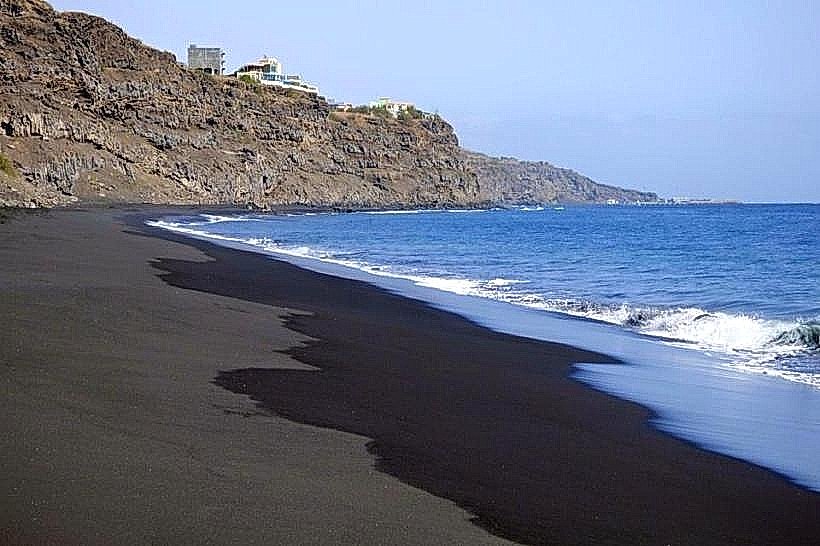
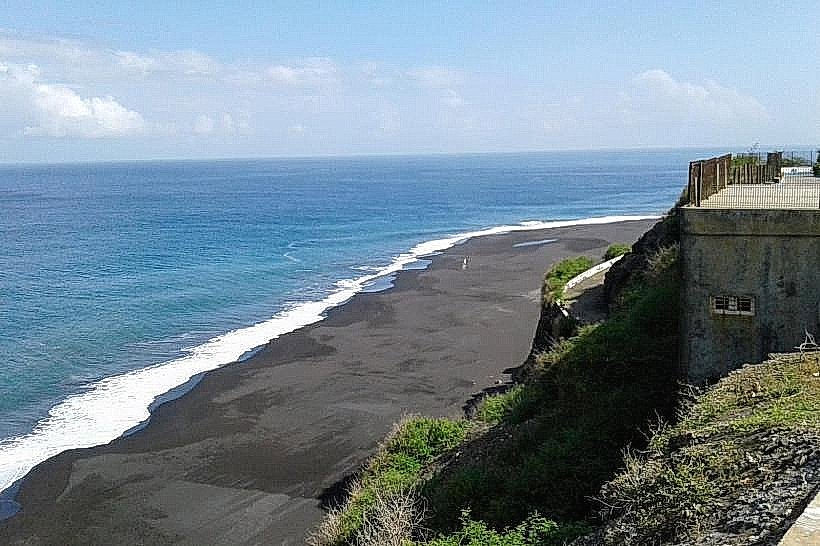
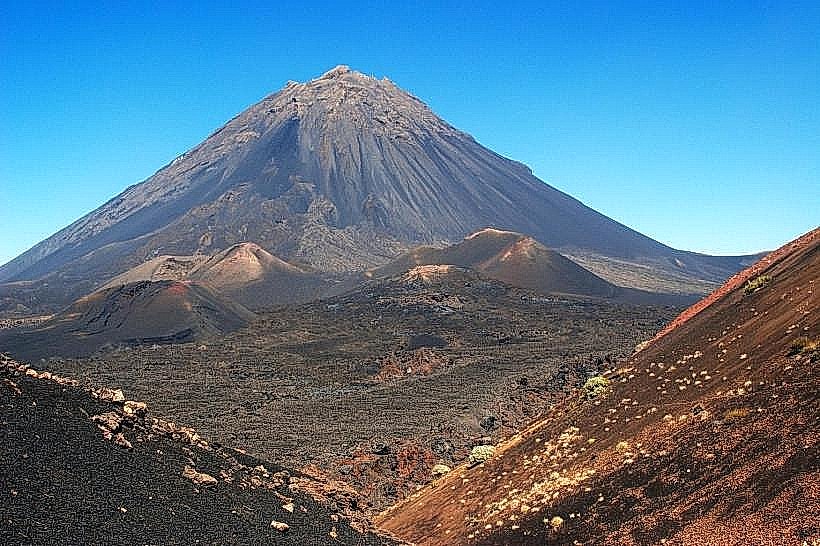
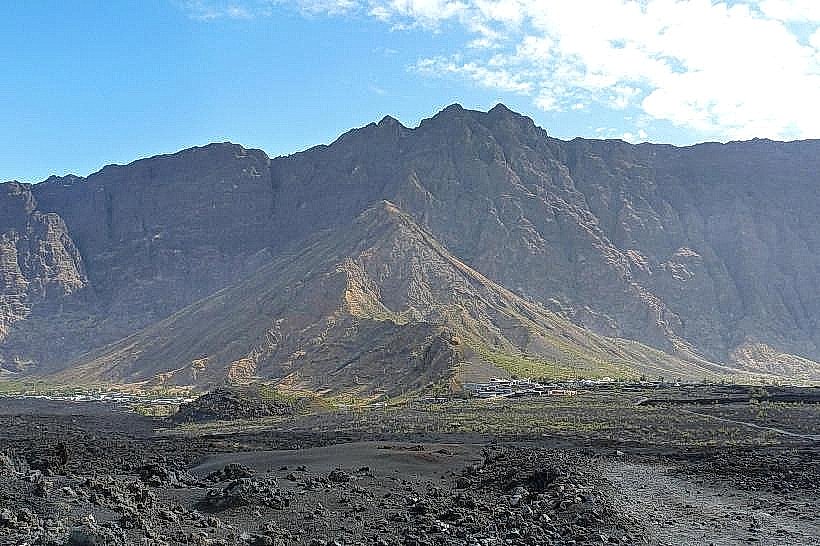
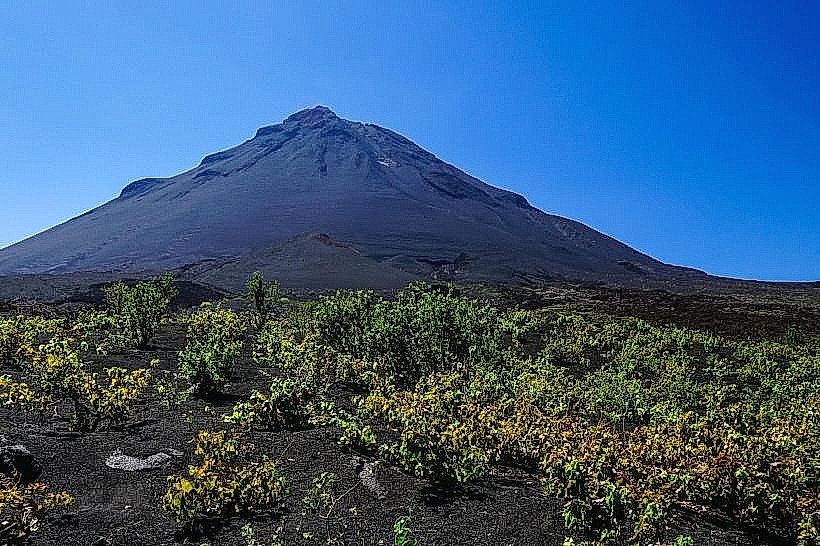
From the coast, the island appears solid and dark, with long slopes climbing steadily toward the central crater. Black lava fields spread across wide areas, interrupted by patches of green where vines and crops take hold. The air often feels drier than on the northern islands, and light is sharper, emphasizing textures in rock and earth. The landscape is bold and stripped back, with little softness to distract from its scale.
Pico do Fogo and Chã das Caldeiras
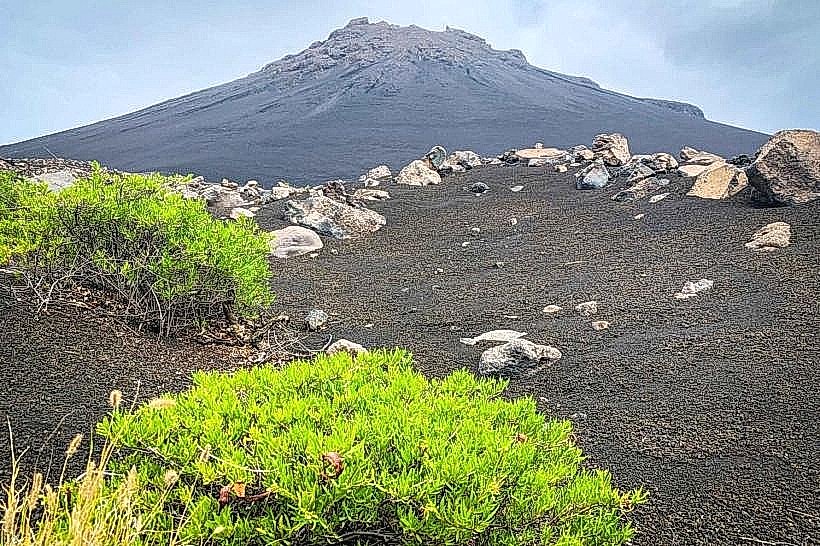
At the heart of the island stands Pico do Fogo, the highest peak in Cabo Verde. Surrounding it, Chã das Caldeiras forms a vast volcanic basin where life continues inside an active landscape. Houses are built from lava stone, fields are planted directly into volcanic soil, and daily routines unfold beneath the looming cone. The area carries a strong sense of resilience, shaped by eruptions that have destroyed and rebuilt communities more than once.
Towns and Settlements
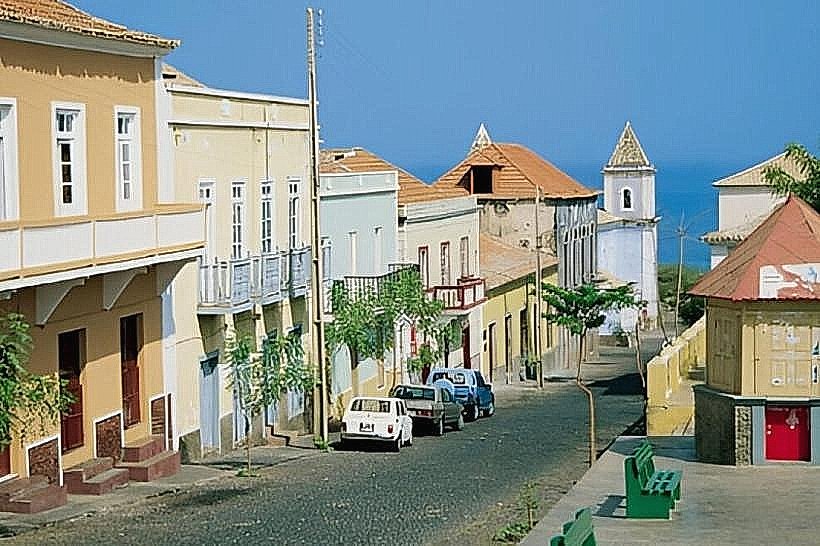
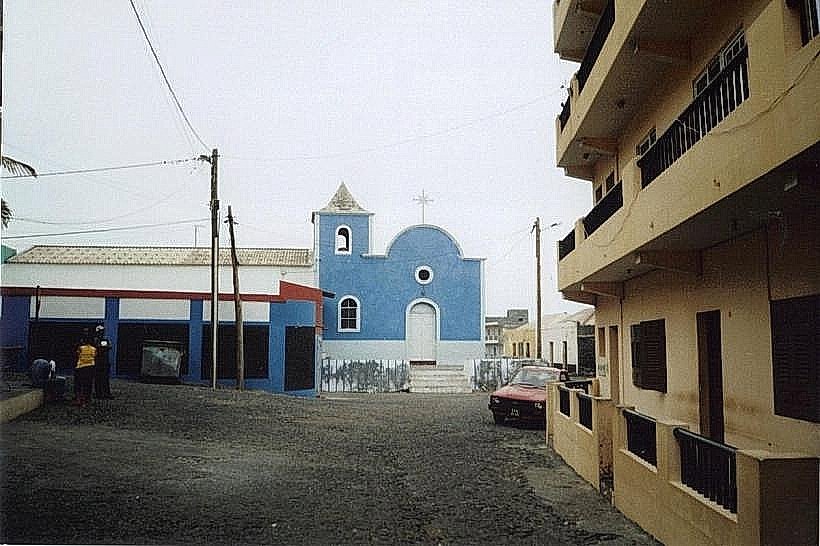
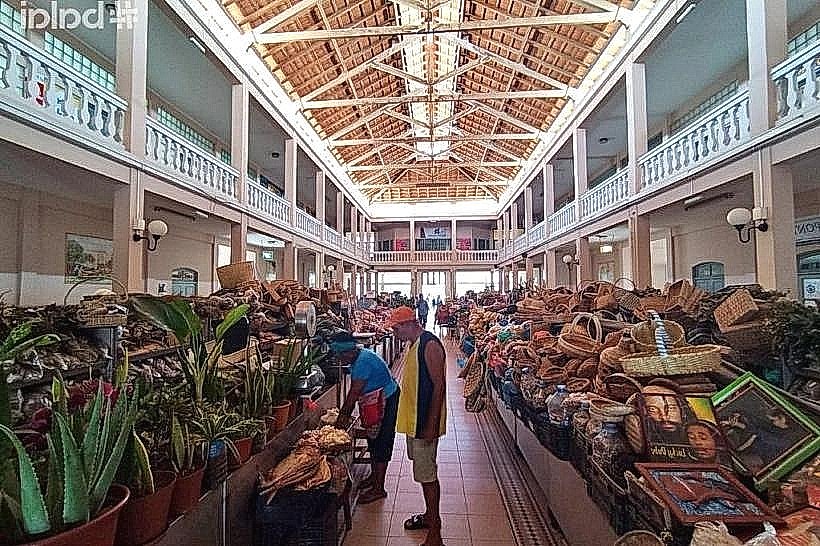
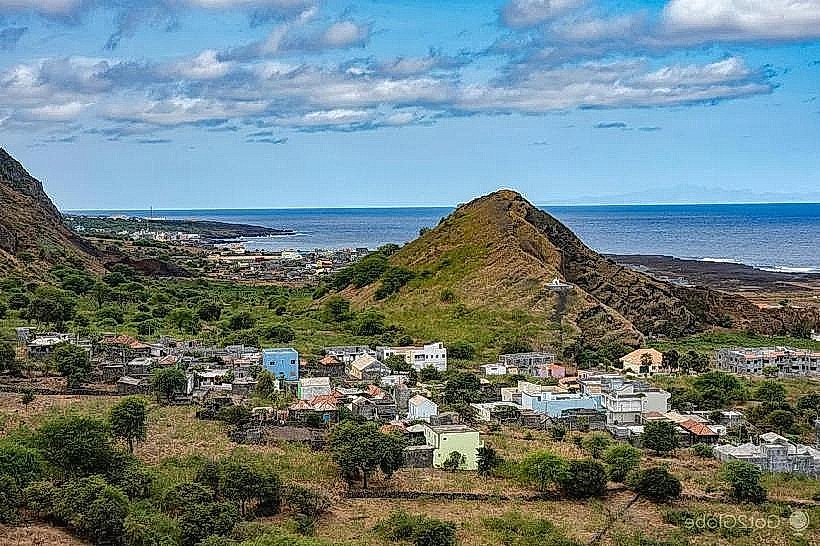
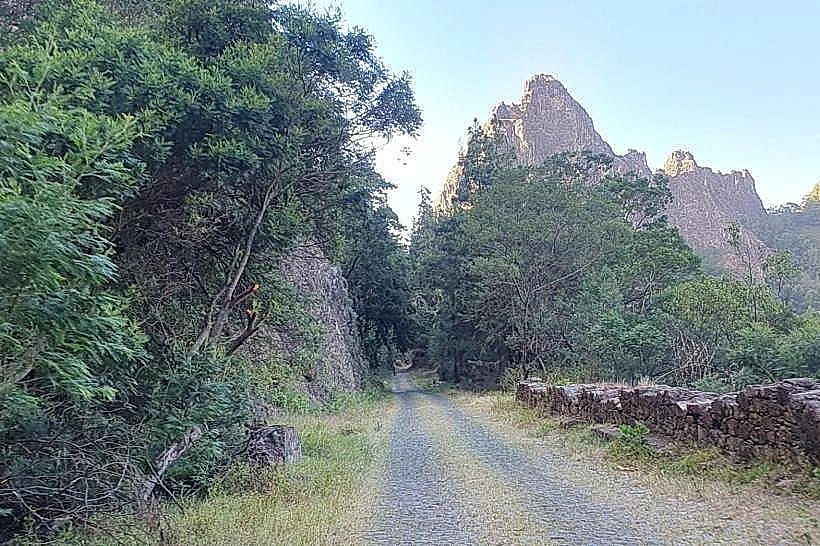
São Filipe, the island’s main town, sits comfortably above the sea with a calm, historic character, while smaller villages scatter along slopes and coastal edges. Many settlements feel inward-looking, closely tied to agriculture and local networks. Movement across the island often involves steep roads and long views, reinforcing how terrain governs distance and connection.
Culture, Food, and Wine
Fogo is known for its strong agricultural identity. Volcanic soil produces distinctive wine, especially from grapes grown high on the slopes, as well as coffee, fruit, and vegetables with intense flavors. Meals tend to be simple and grounded, often centered on local produce, fire-cooked dishes, and shared routines. Cultural expression feels practical and rooted, reflecting a close relationship with land and labor.
Atmosphere and Sense of Place
There is a seriousness to Fogo that sets it apart. Life feels steady and purposeful, shaped by awareness of natural forces rather than spectacle. Silence is common outside towns, broken by wind, footsteps on lava, or distant voices. At night, the sky opens wide, and the island’s isolation becomes tangible.
Fogo Island leaves a lasting impression through its raw coherence. It is a place where nature is not a backdrop but a constant presence, and where human life continues in quiet negotiation with fire, stone, and time.