Information
City: BarcelonaCountry: Spain
Continent: Europe
Barcelona, Spain, Europe
Barcelona serves as the capital of the Catalonia autonomous community and is Spain's primary Mediterranean port and second-largest city. It accounts for approximately 20% of Spain’s GDP and is a global hub for tourism, fashion, and biotechnology. It is situated on a coastal plain bounded by the Besòs River (north), the Llobregat River (south), and the Serra de Collserola mountain range (west).
Historical Timeline
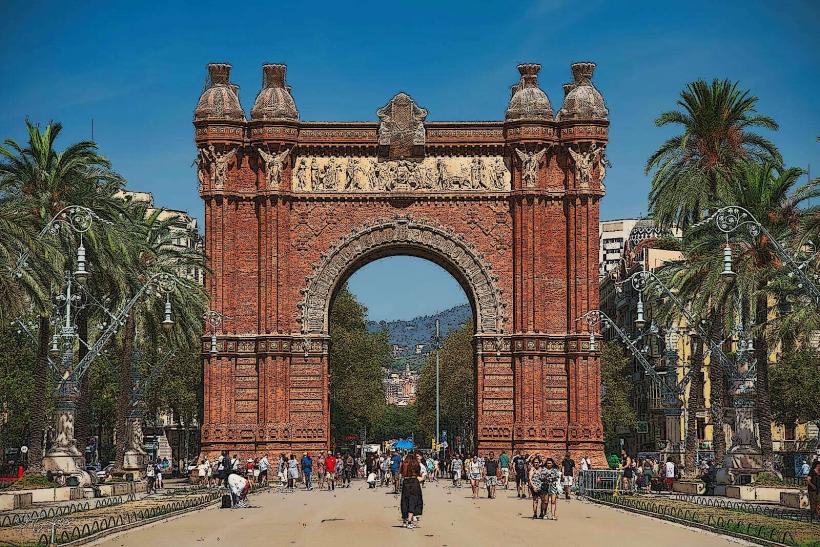
The city was founded as the Roman colony Barcino in the 1st century BC. Major governance eras include Visigothic, Carolingian (as the County of Barcelona), and the Crown of Aragon. The modern urban form was defined by the 1859 Cerdà Plan, which demolished the medieval walls to create the Eixample district’s grid. A second major transformation occurred for the 1992 Olympic Games, which reclaimed the industrial waterfront for public use.
Demographics & Population
As of 2026, the city population is approximately 1.63 million, with a metropolitan area exceeding 5.5 million. Non-Spanish nationals comprise roughly 18-20% of the population, with the largest foreign groups hailing from Italy, Pakistan, and China. The median age is 44.1 years.
Urban Layout & Key Districts
The city is organized into 10 administrative districts.
Ciutat Vella (Old City): The historical core consisting of the Gothic Quarter, El Born, and El Raval.
L’Eixample: A 19th-century expansion known for wide avenues and Modernista architecture.
Gràcia: A former independent village with a bohemian atmosphere and narrow streets.
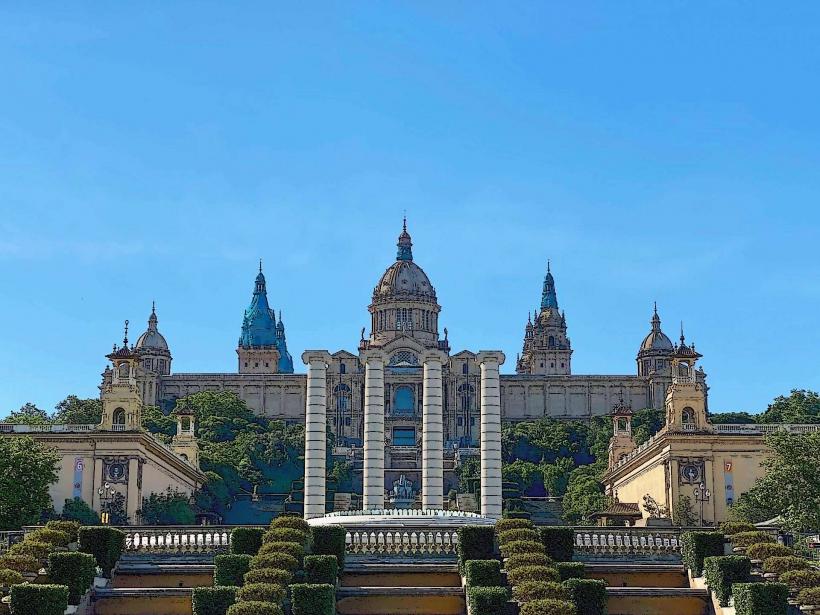
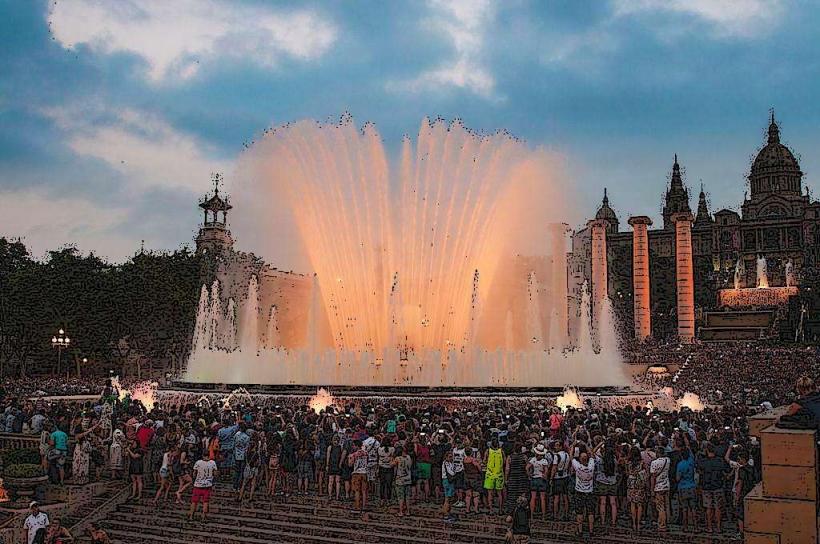
Sants-Montjuïc: Home to the Sants transport hub and the Montjuïc hill parks/museums.
Poblenou: A former industrial zone transformed into a tech and design hub ("22@ district") with beach access.
Top City Landmarks
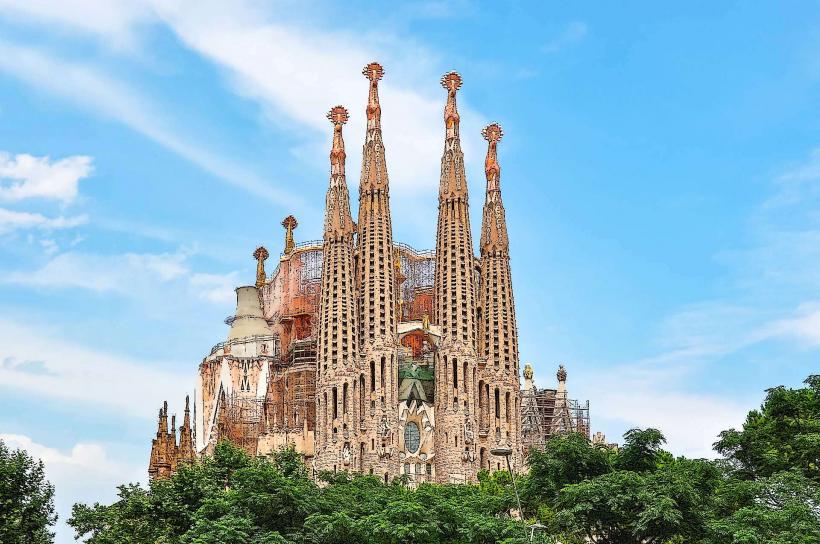
Sagrada Família: Gaudí’s unfinished basilica; construction is projected to conclude its main towers in 2026.
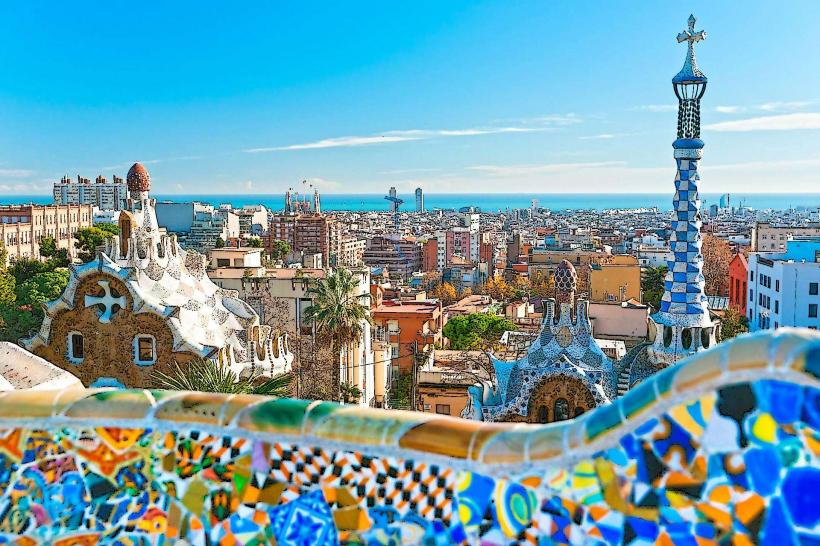
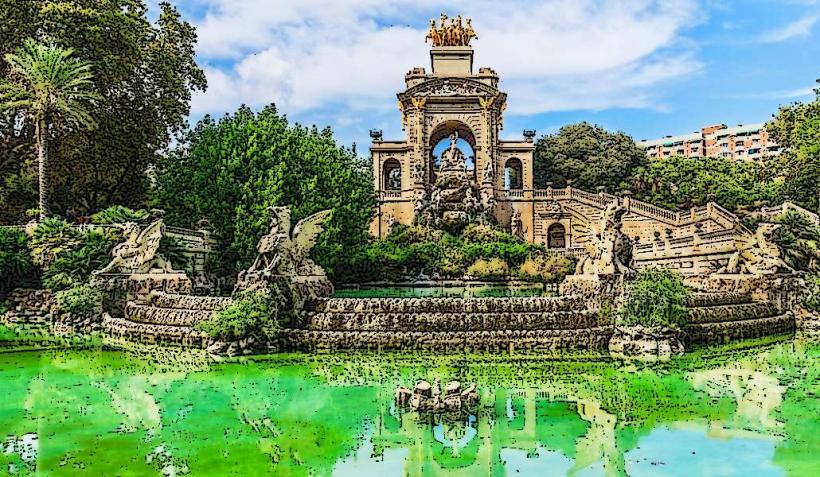
Park Güell: A public park system composed of gardens and architectural elements on Carmel Hill.
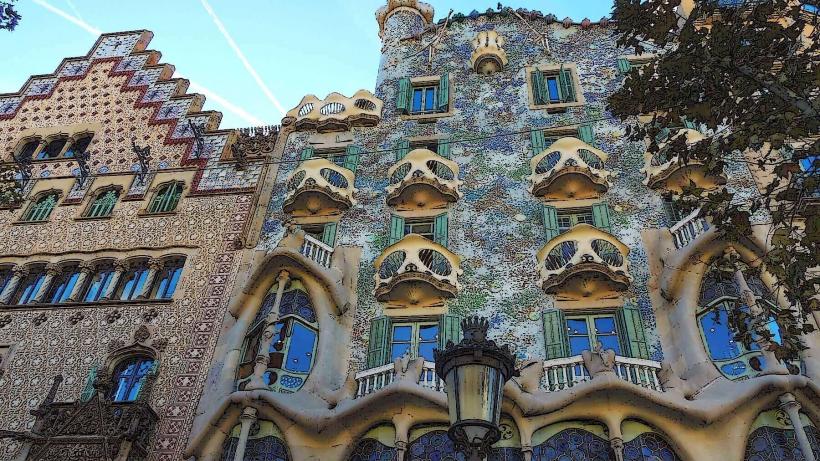
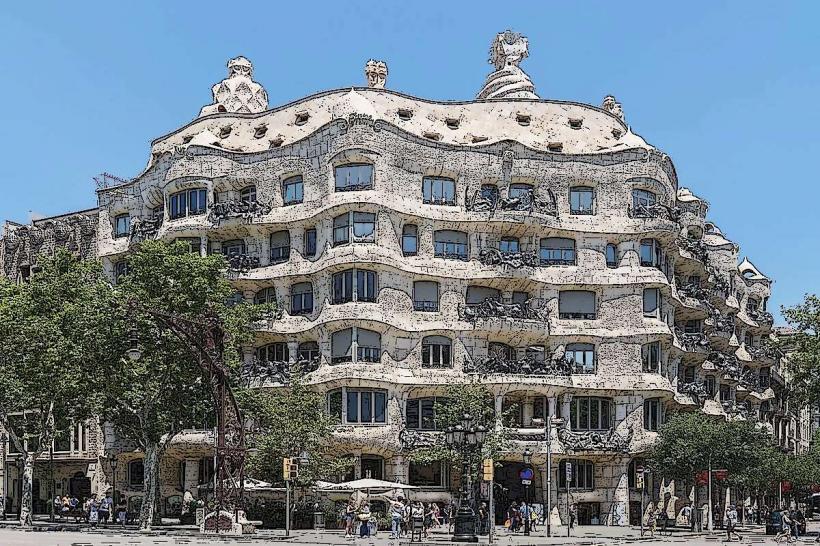
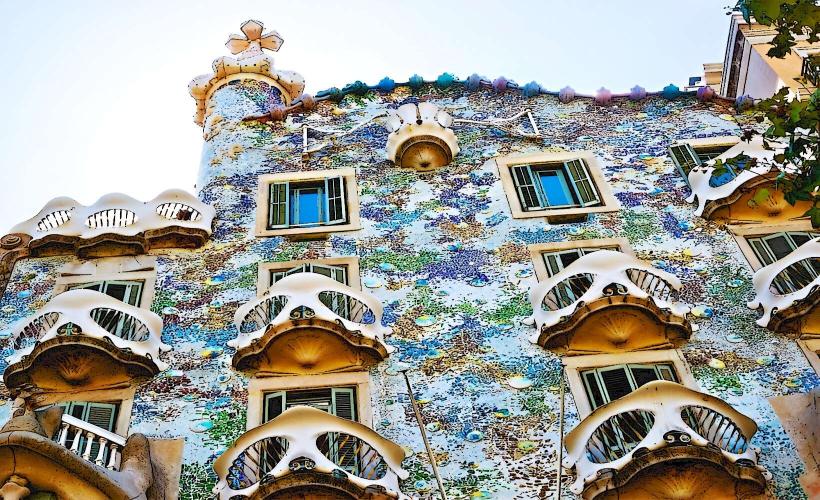
Casa Batlló & Casa Milà (La Pedrera): Iconic Modernista residential buildings on Passeig de Gràcia.
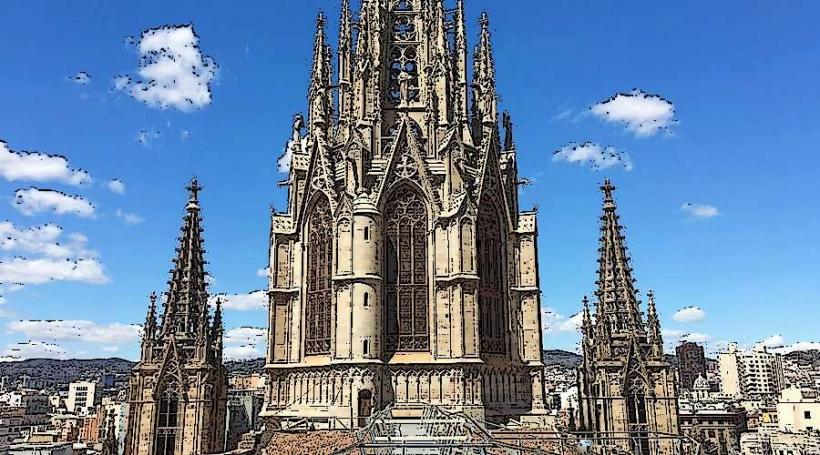
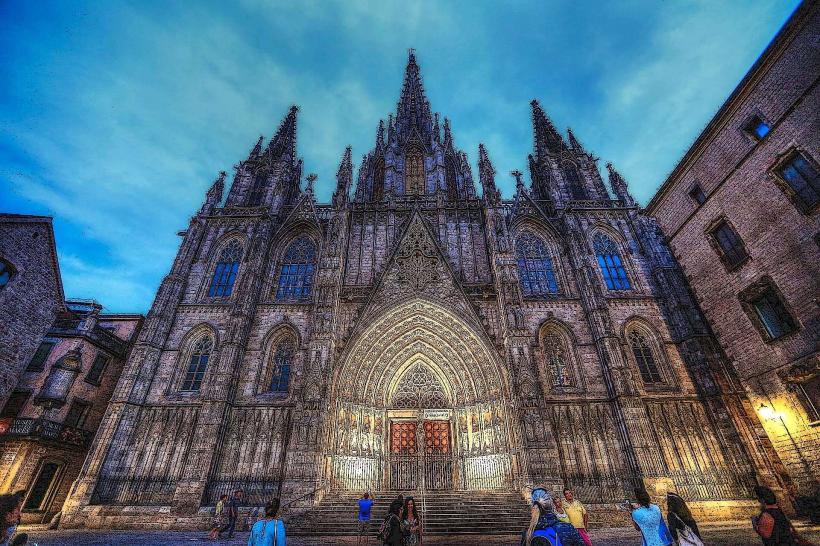
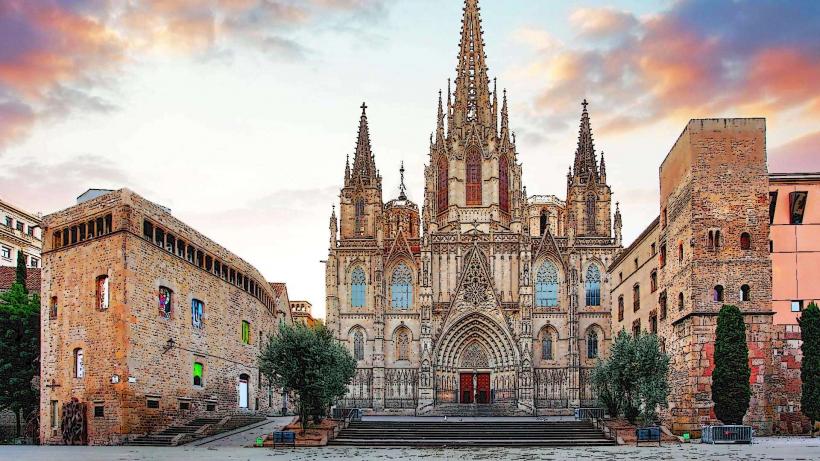
Barcelona Cathedral (La Seu): The Gothic seat of the Archbishop, located in the heart of the Gothic Quarter.
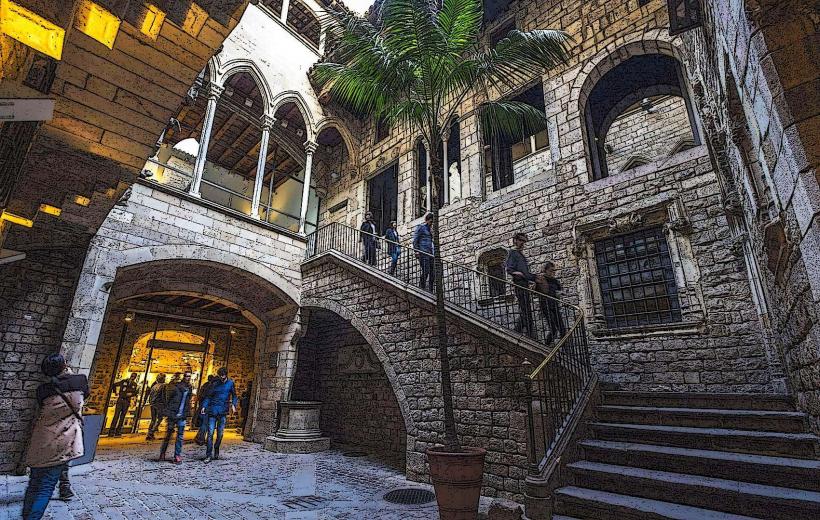
Gothic Quarter (Barri Gòtic): The center of the old city, containing Roman ruins and medieval palaces.
Transportation Network
Movement is facilitated by an 8-line metro system, trams, and an extensive bus network. Taxis are black and yellow; the primary ride-hailing app is Free Now (Uber and Cabify operate under strict VTC regulations). Traffic density is high, particularly in the Eixample grid and on the Gran Via de les Corts Catalanes. The ZBE (Low Emission Zone) restricts older vehicles from entering the city on weekdays.
Safety & "Red Zones"
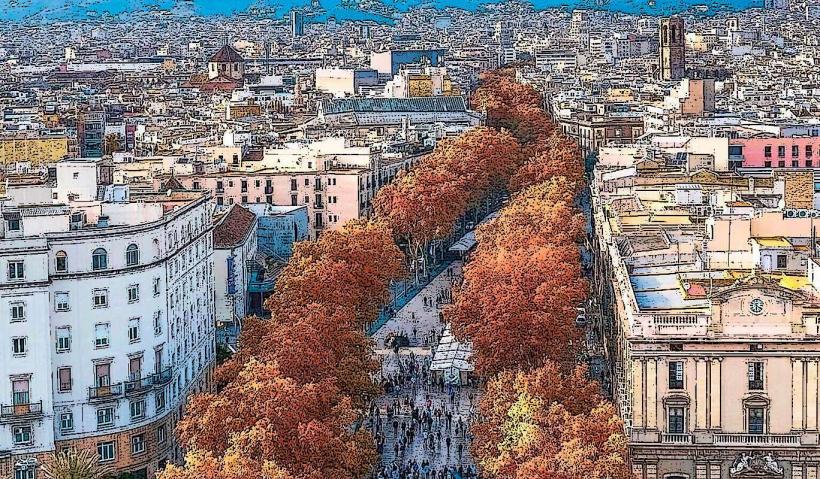
Barcelona is generally safe, but has high rates of non-violent petty theft (pickpocketing). El Raval and the lower end of La Rambla are considered higher-risk areas after dark due to drug-related activity and street crime. The Barceloneta beach and Sants Estació are primary zones for distraction thefts.
Digital & Financial Infrastructure
Average fixed broadband speed is 220 Mbps. Mobile carriers include Movistar, Orange, and Vodafone, with widespread 5G coverage. Card acceptance is nearly universal, including for small transactions. Contactless payment is the standard. ATMs are abundant, particularly around Plaça de Catalunya and Avinguda Diagonal.
Climate & Air Quality
The climate is Mediterranean. Summer temperatures range from 20°C to 29°C (often humid). Winters are mild, ranging from 5°C to 15°C. Air quality is a frequent concern due to high vehicle density and nitrogen dioxide levels, though the "Superblock" (Superilles) urban initiative has improved conditions in specific residential zones.
Culture & Social Norms
Language: Catalan and Spanish are both official; Catalan is the primary language of administration and education.
Tipping: Not mandatory; rounding up or 5% is standard for good service.
Greetings: Two kisses (left cheek first) for social settings; handshakes for formal/business.
Mealtimes: Lunch (14:00–16:00) and Dinner (21:00–23:00) are significantly later than in Northern Europe.
Accommodation Zones
Eixample: Recommended for luxury, architecture, and central logistics.
El Born: Recommended for nightlife and proximity to the beach and park.
Poblenou: Recommended for families and beach access.
Local Cost Index
1 Espresso: €1.80–€2.50
1 Menu del Día (Lunch): €14.00–€18.00
1 Single Metro Ticket: €2.55 (T-Casual 10-trip pass: €12.55)
Nearby Day Trips
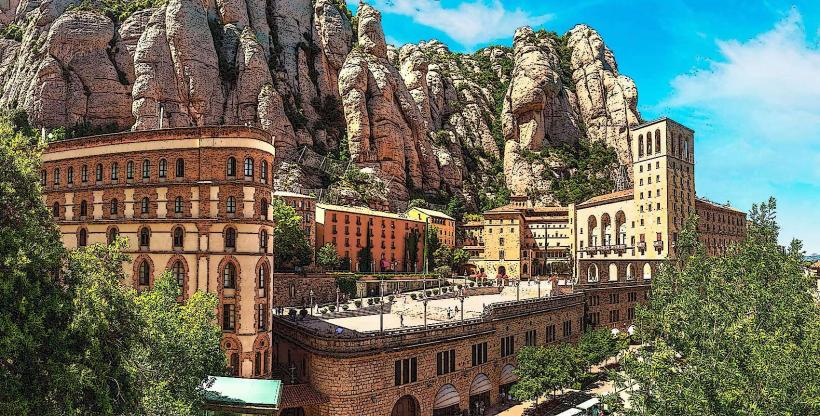
Montserrat (50 km): A jagged mountain range with a Benedictine abbey.
Girona (100 km): A medieval city reachable in 38 minutes via high-speed train (AVE).
Sitges (35 km): A coastal resort town known for its beaches and film festival.
Tarragona (95 km): Home to extensive Roman ruins (UNESCO).
Facts & Legends
Local legend attributes the city's founding to Hercules during his search for the lost "Ninth Ship" (Barca Nona). A verified historical oddity: Gustave Eiffel originally proposed his tower for Barcelona’s 1888 Universal Exposition, but city officials rejected the design as "too expensive and strange," leading him to pitch it to Paris instead.