Information
City: BathshebaCountry: Barbados
Continent: North America
Bathsheba, Barbados, North America
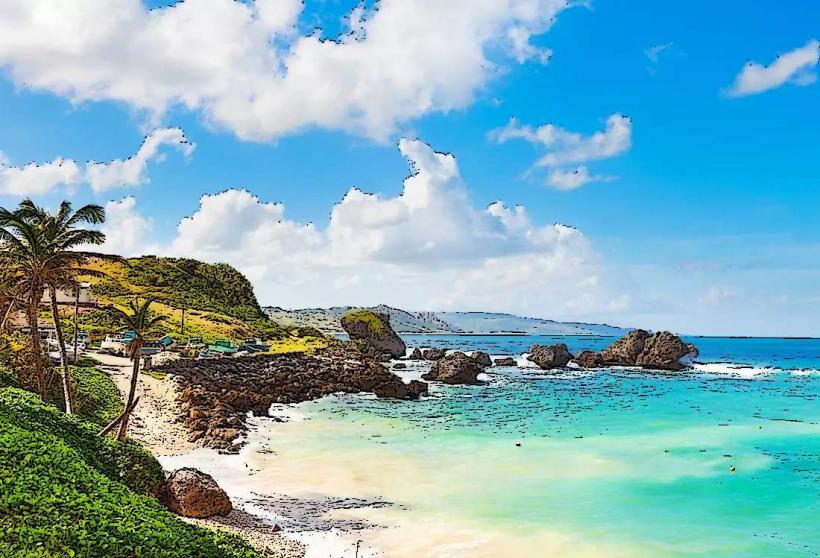
Bathsheba is a coastal village in the parish of Saint Joseph on the rugged Atlantic (eastern) coast of Barbados. It is the geographic and cultural opposite of the calm west coast, defined by dramatic rock formations, massive surf, and a sparsely populated, mountainous interior.
Historical Timeline
17th–19th Century: Served as a remote fishing outpost and a "health retreat" for wealthy Bridgetown residents seeking the cool, salt-laden Atlantic breezes to cure respiratory ailments.
1883–1937: Bathsheba was a primary stop on the Barbados Railway, which transported sugar and passengers from Bridgetown to the northern parish of St. Andrew.
Modern Era: Established as a global landmark for professional surfing, hosting numerous international competitions.
Geography & Landscape
The Soup Bowl: The most famous surf break in the Caribbean, named for the foamy, churning white water created by the Atlantic swells hitting the reef.
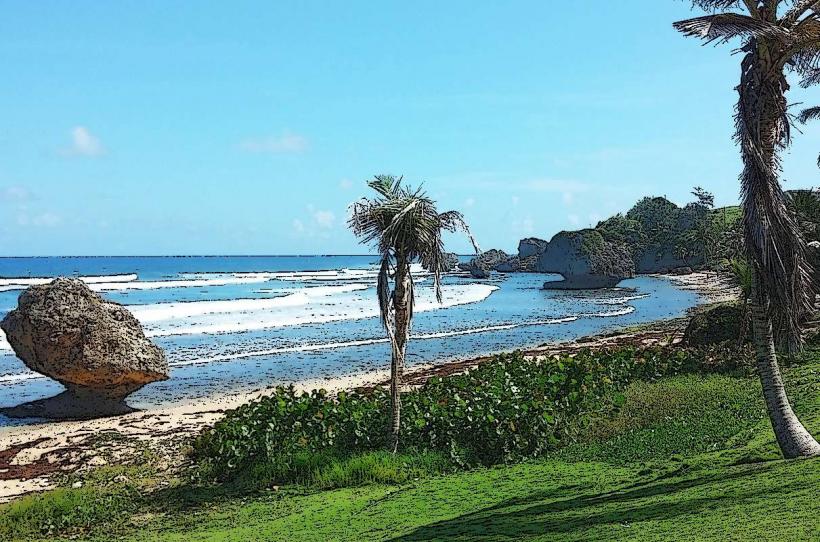
Bathsheba Rock: One of several massive coral limestone boulders that have broken off from the ancient reef and sit in the shallow surf, carved into mushroom shapes by centuries of erosion.
Topography: The village is situated at the base of steep hills in the "Scotland District," the only part of Barbados where the underlying sedimentary rock (shale and sandstone) is exposed, rather than coral limestone.
Top Landmarks & Attractions
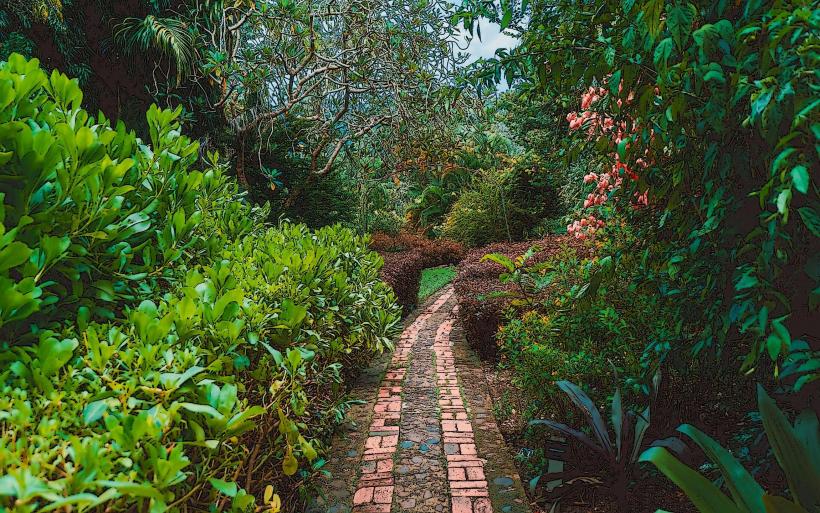
Andromeda Botanic Gardens: Located on a cliff overlooking the village, this 6-acre garden features one of the largest collections of tropical plants in the eastern Caribbean.
The Round House: A historic 19th-century building constructed of solid coral stone, now serving as a prominent restaurant and inn with panoramic views of the coast.
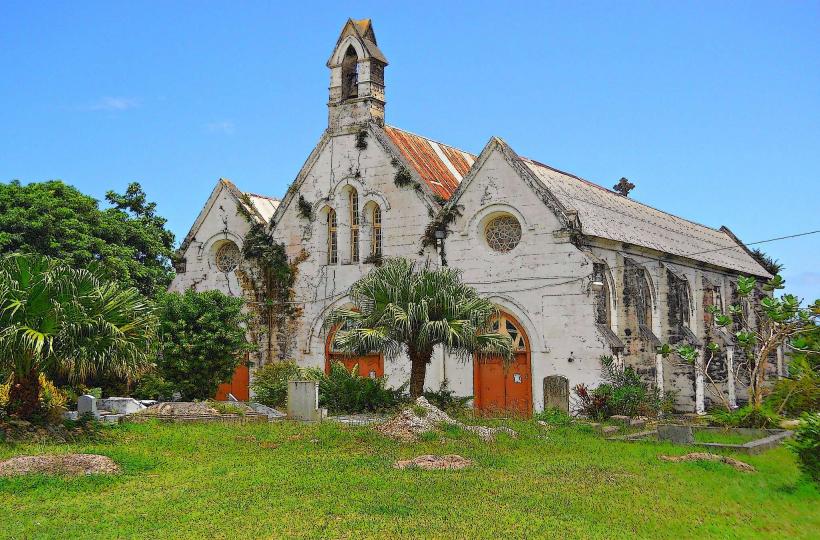
St. Joseph’s Parish Church: Rebuilt in 1839 after a hurricane, this church sits on the ridge above Bathsheba and offers one of the best vantage points of the eastern coastline.
Bathsheba Park: A grassy communal area along the beach used for picnics and as a staging area for surf events.
Surfing & Marine Safety
Swimming Warning: Bathsheba is extremely dangerous for swimming due to powerful undertows, unpredictable "shelf" drops, and sharp coral reefs. Swimming is generally restricted to shallow, natural rock pools (the "Bathsheba Pools") during low tide.
Surfing: The Soup Bowl is strictly for advanced surfers. World champion Kelly Slater has frequently cited it as one of his favorite waves globally.
Transportation & Logistics
Road: Accessible via the Highway 3 or the scenic Ermy Bourne Highway (East Coast Road). The drive from Bridgetown takes approximately 45–60 minutes through winding, hilly terrain.
Public Transport: Served by the blue government buses and yellow minibuses (Route 6 from the Fairchild Street terminal in Bridgetown).
Walking: The East Coast Road provides a long, flat stretch for walking or cycling along the ocean, but the village itself is hilly.
Safety & Health
Isolation: Bathsheba is remote. There are no 24-hour pharmacies or large hospitals nearby; the nearest major medical facilities are in Bridgetown.
Environment: The air has a high salt content, which is corrosive to electronics and vehicles. The sun is intense, and the wind can mask the heat, leading to rapid dehydration.
Digital & Financial Infrastructure
4G coverage is available but can be spotty in the valleys and near the base of the cliffs. There are no ATMs in Bathsheba; the nearest banking facilities are in the neighboring parish of St. John or back toward the center of the island. Credit cards are accepted at the main restaurants (Round House, Atlantis), but cash is required for local rum shops.
Local Cost Index
1 Espresso (Round House): ~$8.00 BBD ($4.00 USD)
1 Traditional Bajan Lunch: ~$30.00 – $55.00 BBD ($15.00 – $27.50 USD)
1 Banks Beer (Rum Shop): ~$4.00 – $6.00 BBD ($2.00 – $3.00 USD)
Facts & Legends
A verified geological fact is that the hills above Bathsheba are moving; the Scotland District is prone to landslips because the clay-heavy soil becomes unstable when saturated. Local legend claims the village was named after the Biblical Bathsheba, wife of King David, because the foam-covered waters of the coast resembled her legendary milk baths.