Information
City: BethlehemCountry: USA Pennsylvania
Continent: North America
Bethlehem, USA Pennsylvania, North America
Bethlehem serves as a critical regional node for healthcare, education, and manufacturing within the Lehigh Valley. It is situated in eastern Pennsylvania, spanning Lehigh and Northampton counties along the Lehigh River.
Historical Timeline
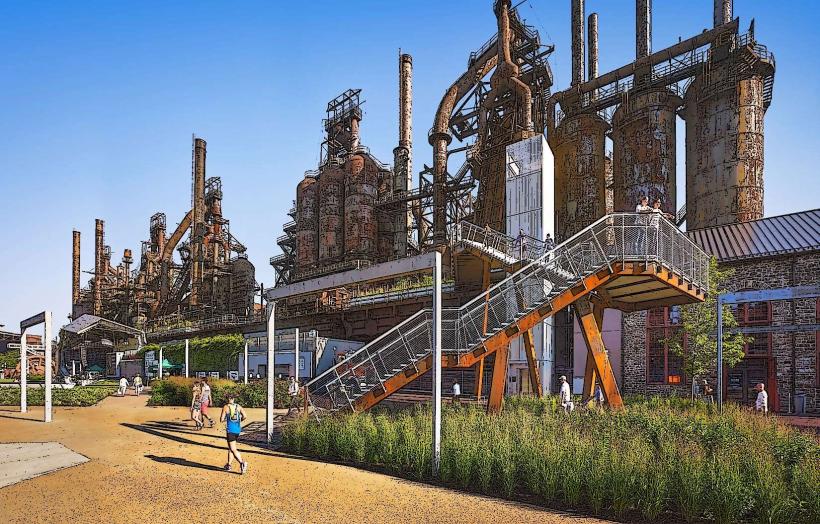
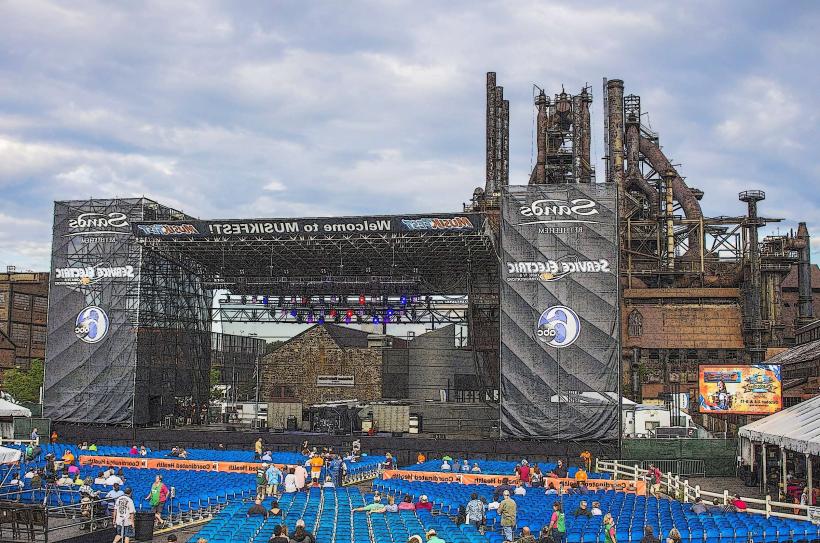
Bethlehem was founded on December 24, 1741, by the Moravian Brethren. The city’s history is defined by the Moravian communal era (1741–1844), the industrial expansion of the Bethlehem Steel Corporation (1857–1995), and the post-industrial redevelopment of the 21st century. The most significant architectural reconstruction occurred following the 1995 closure of the steel mills, leading to the 2011 opening of the SteelStacks arts campus. The rise and fall of the steel industry remains the primary event that shaped the current urban form.
Demographics & Population
The population within city limits is approximately 76,000, while the Lehigh Valley metropolitan area exceeds 860,000. The top three demographics are White (52.8%), Hispanic/Latino (29.6%), and African American (6.5%). The median age of the population is 36.2 years.
Urban Layout & Key Districts
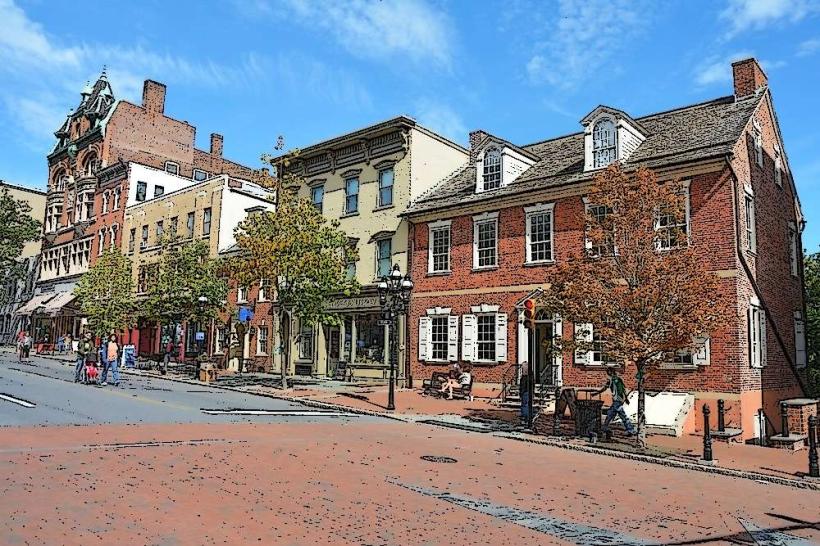
The city is divided by the Lehigh River into the North Side and the South Side. The Historic Moravian District is located on the North Side and contains the original 18th-century settlement. The South Side Arts District, located south of the river, contains the former Bethlehem Steel site and Lehigh University.
Top City Landmarks
Historic Moravian Bethlehem (UNESCO World Heritage Site)
SteelStacks (repurposed blast furnaces)
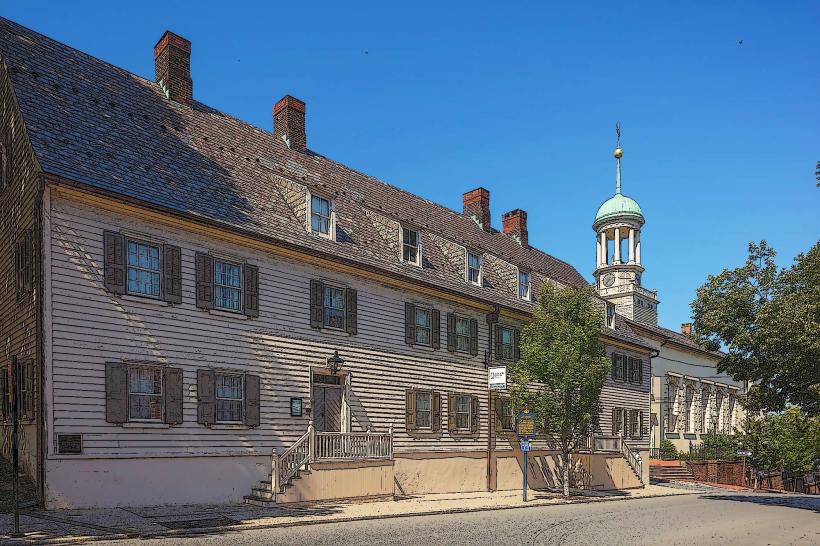
Central Moravian Church
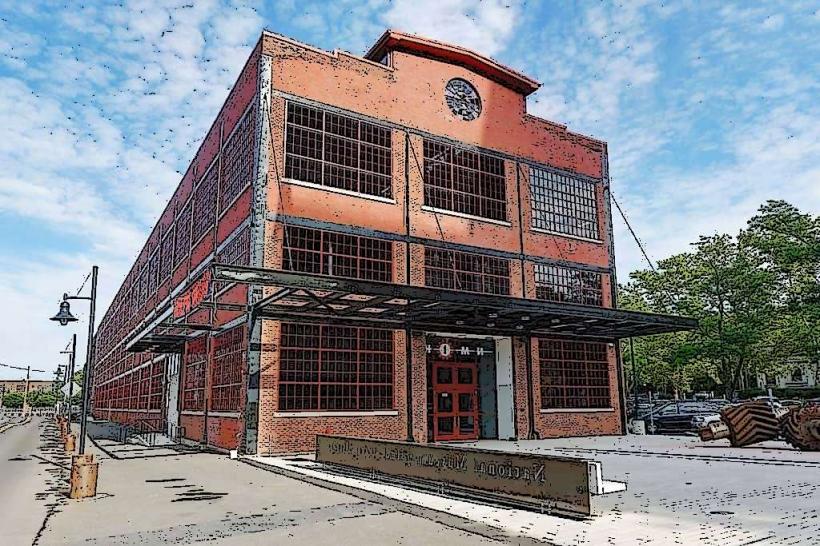
National Museum of Industrial History
Star of Bethlehem on South Mountain
Transportation Network
Movement within the city relies on the LANTA bus system, which provides regional connectivity. Ride-sharing via Uber and Lyft is the primary alternative to private vehicle use. Official taxis are operated by companies like Quick Service Taxi and are typically white or silver. Traffic density is moderate, peaking during commuting hours on Route 22 and the Minsi Trail Bridge.
Safety & "Red Zones"
The general safety level is high. Caution is advised at night in specific areas of the South Side, particularly blocks surrounding the intersection of 4th and Brodhead Streets. Common scams are infrequent but typically involve aggressive panhandling in high-traffic commercial zones.
Digital & Financial Infrastructure
Average internet speed is 150 Mbps. Main mobile carriers include Verizon, AT&T, and T-Mobile. Card acceptance is high across all retail and dining establishments. ATMs are widely available at Wawa convenience stores and regional bank branches like PNC and Fulton Bank.
Climate & Air Quality
Temperatures range from -6°C to 3°C in winter and 18°C to 30°C in summer. Air quality issues occasionally arise in summer due to ozone trapped in the valley. Significant weather risks include heavy snowfall during Nor'easters and localized flooding along the Monocacy Creek.
Culture & Social Norms
The standard tipping percentage is 18–20% in restaurants. Handshakes are the standard greeting. Dress codes are casual, though business-casual is expected in the Historic District. Smoking is prohibited in all indoor public spaces and restaurants; alcohol consumption is restricted to licensed premises.
Accommodation Zones
North Side (Historic District): Recommended for walking access to museums, colonial sites, and Main Street retail.
South Side: Recommended for proximity to the Wind Creek Casino, SteelStacks events, and Lehigh University.
Local Cost Index
1 Espresso: $3.75 (¥560)
1 Standard Lunch: $15.00 (¥2,250)
1 Bus Ticket: $2.00 (¥300)
Nearby Day Trips
Allentown (10 km)
Easton (18 km)
Blue Mountain Resort (35 km)
Philadelphia (95 km)
New York City (130 km)
Facts & Legends
Bethlehem is known as "Christmas City, USA," a title officially designated in 1937 to boost tourism during the Great Depression. A local legend involves the "Ghost of Bethlehem Steel," specifically reports of a "spectral worker" seen near the decommissioned Blast Furnace C, where several industrial accidents were documented during the mid-20th century.