Information
City: ButteCountry: USA Montana
Continent: North America
Butte, USA Montana, North America
Butte is the historic center of American copper production and serves as a major transportation node at the intersection of Interstates 15 and 90. It is located in southwestern Montana, positioned in a high-altitude valley on the western slope of the Continental Divide.
Historical Timeline
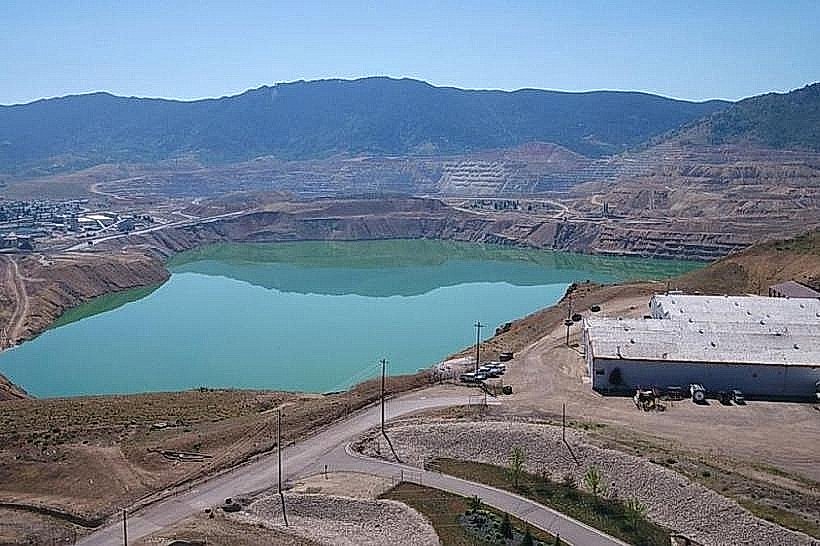
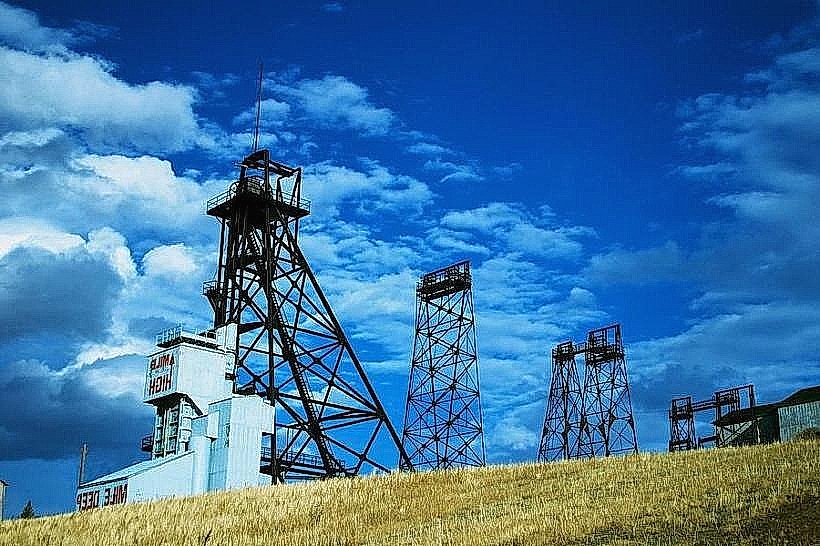
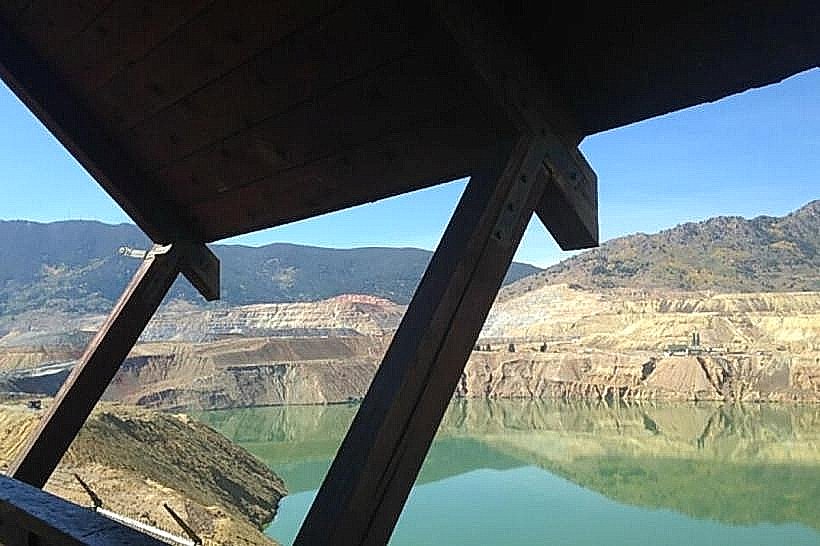
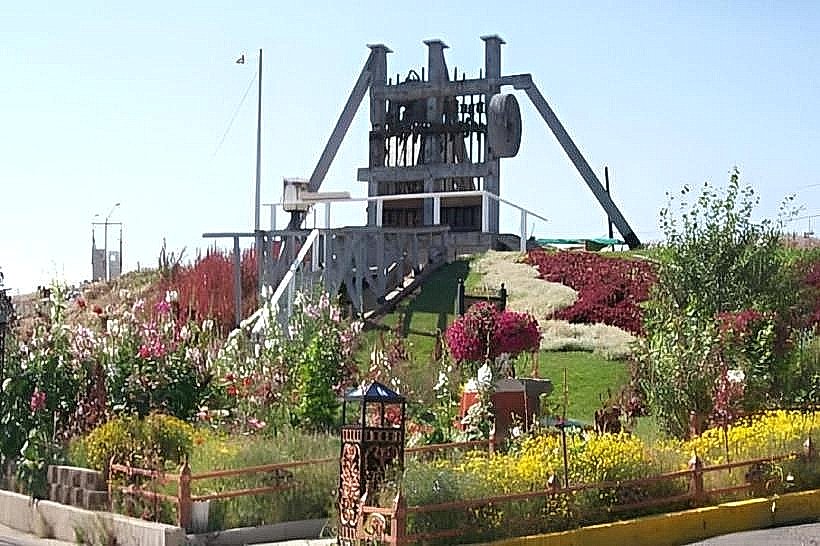
Butte was established as a gold and silver mining camp in 1864, transitioning to industrial copper mining in the late 19th century under the dominance of the "Copper Kings." The city underwent major governance shifts with the 1977 consolidation of Butte-Silver Bow county and the 1982 cessation of mining at the Berkeley Pit. The transition to open-pit mining in 1955 is the primary event that reshaped the urban landscape, resulting in the consumption of several residential neighborhoods by the expanding pit.
Demographics & Population
The population of the Butte-Silver Bow consolidated city-county is approximately 35,500. The primary ethnic demographics are 89% White, 5% Hispanic, and 4% Multiracial. The median age of the population is 40.3 years.
Urban Layout & Key Districts
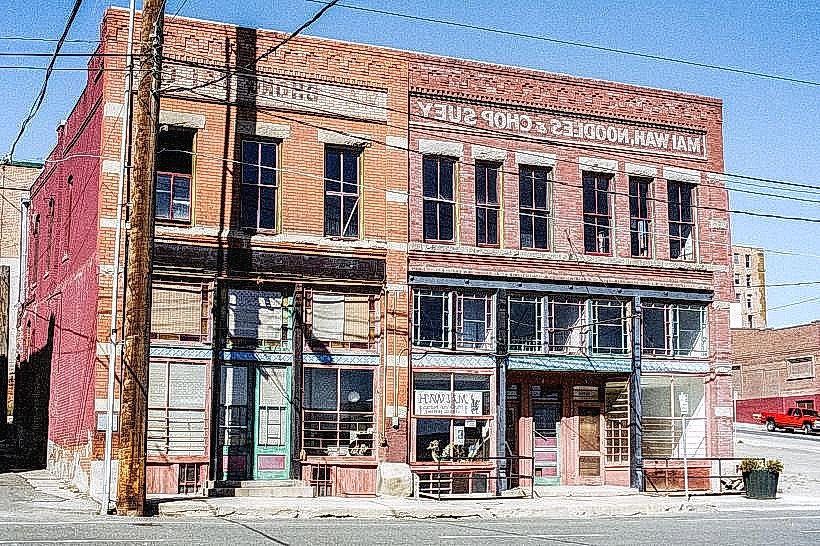
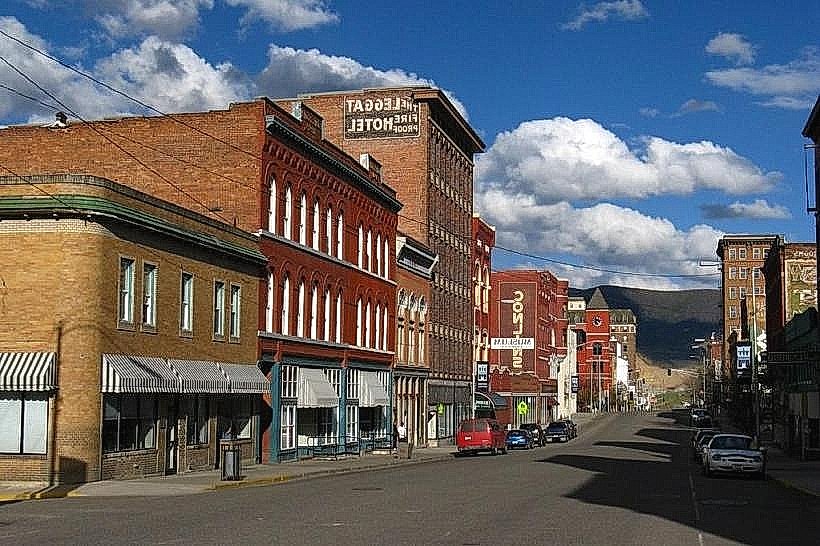
The city is divided into "Uptown" and "The Flats." Uptown (North) contains the historic dense urban core and the Montana Tech campus, built directly atop the mining hill. The Flats (South) is the modern commercial and residential expanse located on the valley floor.
Top City Landmarks
The Berkeley Pit (A 1,700-foot-deep former open-pit mine)
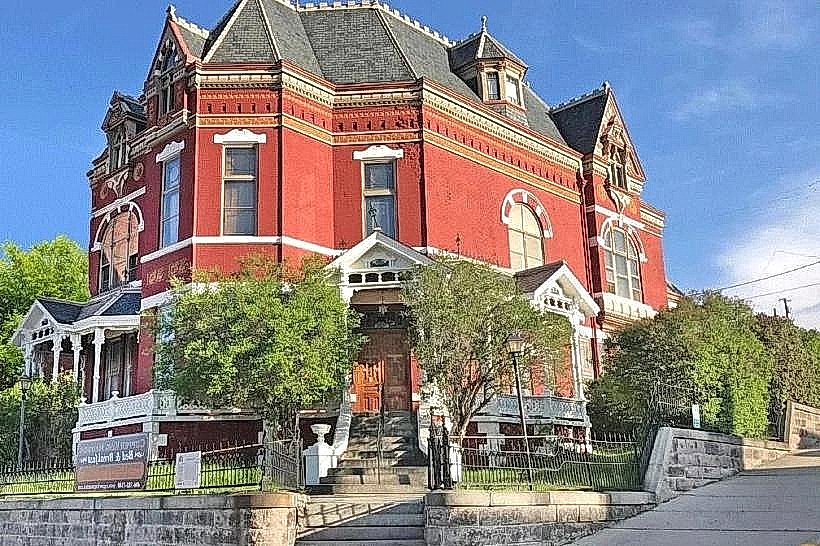
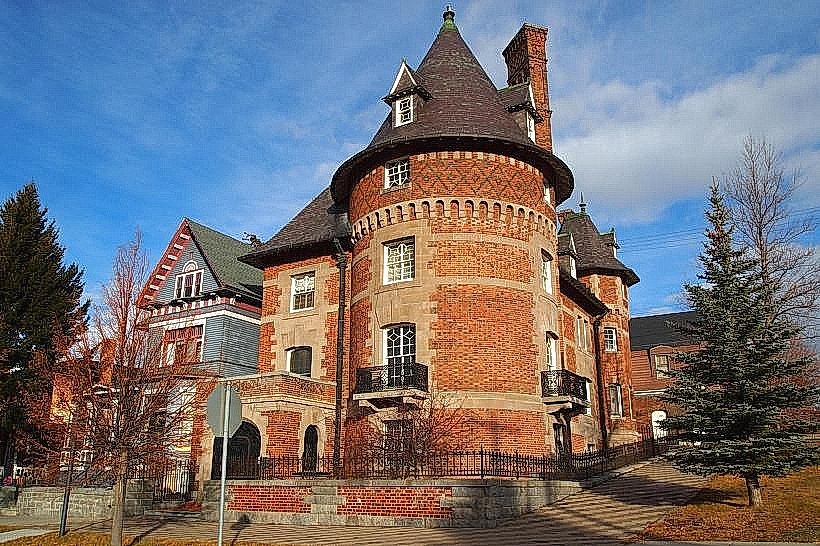
Copper King Mansion (William A. Clark’s Victorian estate)
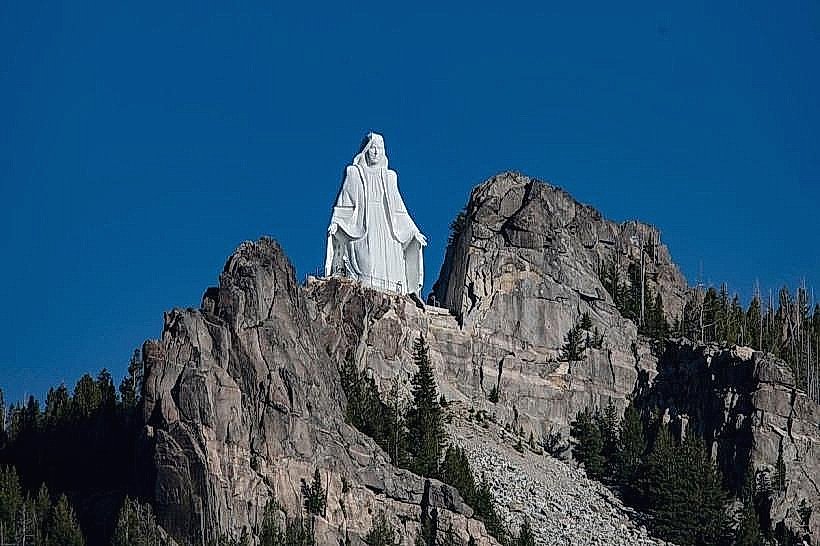
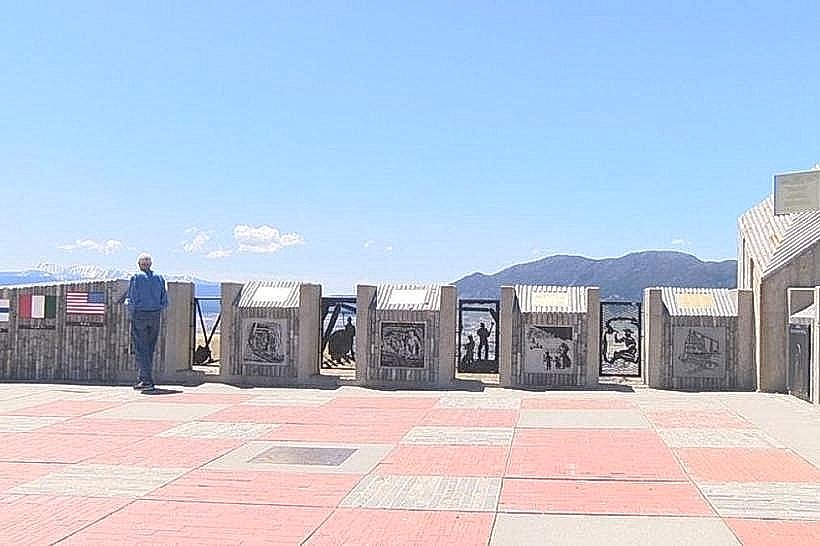
Our Lady of the Rockies (90-foot statue on the Continental Divide)
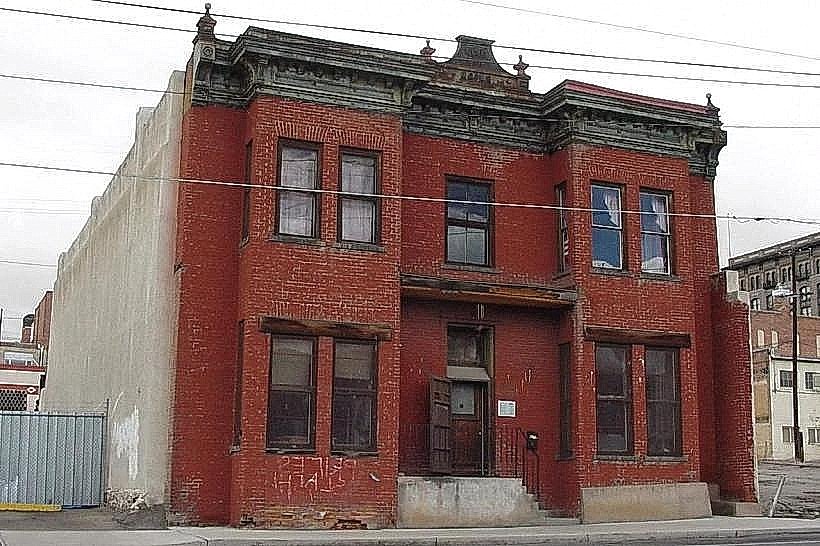
Dumas Brothel Museum (The longest-operating brothel in the U.S.)
Transportation Network
The "Butte Bus" provides public transit across three main routes (Blue, Green, and Purple); as of 2026, the service is fare-free for all passengers. Ride-sharing is available via Uber and Lyft, though availability is lower than in major hubs. Official taxis are operated by private local dispatchers. Traffic density is low, with the primary challenge being the steep, icy gradients of Uptown streets during winter.
Safety & "Red Zones"
Butte is considered moderately safe, though property crime is prevalent. Visitors should exercise caution in the blocks between Front Street and Platinum Street at night. Common scams are limited to standard digital phishing; however, "aggressive panhandling" is occasionally reported in the Uptown transit areas.
Digital & Financial Infrastructure
Average internet speeds are 200 Mbps via cable (Spectrum), with 1 Gbps available in select business zones. Main mobile carriers include Verizon, AT&T, and T-Mobile. Card acceptance is universal, though a "cash-only" policy persists in a small number of historic bars. ATMs are concentrated in the Harrison Avenue commercial corridor and Uptown banks.
Climate & Air Quality
Seasonal temperatures range from $-15^\circ\text{C}$ to $-1^\circ\text{C}$ in winter and $7^\circ\text{C}$ to $27^\circ\text{C}$ in summer. Air quality is generally high, though the city is a designated Superfund site with ongoing monitoring of dust and heavy metal particulates. Heavy snowfall and black ice are significant risks from November through April.
Culture & Social Norms
Tipping is expected at 18-20% for service. Social interactions are direct and informal. Dress is utilitarian, prioritizing cold-weather gear and boots in winter. Smoking is banned indoors by state law. Local food culture is defined by the "Pasty" (a meat-and-potato hand pie) and the "Pork Chop Sandwich."
Accommodation Zones
Uptown: Recommended for proximity to historic sites, museums, and local nightlife.
The Flats (Harrison Ave): Recommended for quiet stays, proximity to the airport, and modern hotel chains.
Local Cost Index
1 Espresso: $4.00 (¥600)
1 Standard Lunch (Pasty): $12.00 (¥1,800)
1 Bus Ticket: Free ($0.00)
Nearby Day Trips
Fairmont Hot Springs: Resort and pools (25 km)
Anaconda: Historic smelting town and Stack State Park (40 km)
Philipsburg: Gem mining and historic candy shop (100 km)
Lewis and Clark Caverns State Park (75 km)
Facts & Legends
Butte is the site of the 1917 Speculator Mine disaster, the deadliest hard-rock mining accident in U.S. history. Local legend claims the city is intensely haunted, specifically the Dumas Brothel and the Clark Chateau, due to the high mortality rates during the mining boom and the martial law period of 1914–1921.