Information
City: ChalkidikiCountry: Greece
Continent: Europe
Chalkidiki, Greece, Europe
Chalkidiki is a large peninsula in northern Greece, bordering the city of Thessaloniki. It is geographically defined by its unique "trident" shape, featuring three smaller peninsulas-Kassandra, Sithonia, and Mount Athos-each offering a distinct environmental and cultural profile.
Historical Timeline
Prehistoric Era: Inhabited since the Lower Paleolithic; the Petralona Cave yielded a human skull approximately 700,000 years old.
Ancient Period: Birthplace of Aristotle (Ancient Stageira). The region was a major theater of the Peloponnesian War and was later annexed by Philip II of Macedon.
Byzantine Era: Established as a major monastic center. In 885 AD, Mount Athos was officially proclaimed a place exclusive to monks.
Modern Era: Transformed from an agricultural and mining zone into one of Greece's primary tourism engines during the late 20th century.
The Three "Fingers"
Kassandra (The First Finger): The most developed and cosmopolitan peninsula. It features high-end resorts, vibrant nightlife (Kallithea), and organized Blue Flag beaches.
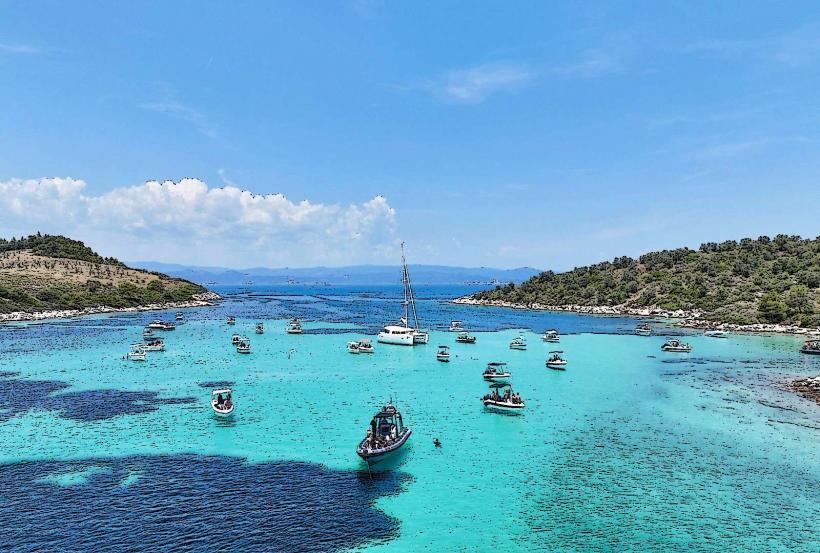
Sithonia (The Second Finger): Known as the "Green Garden of Greece." It is characterized by dense pine forests, rugged landscapes, and secluded, turquoise coves (Kavourotrypes, Karidi).
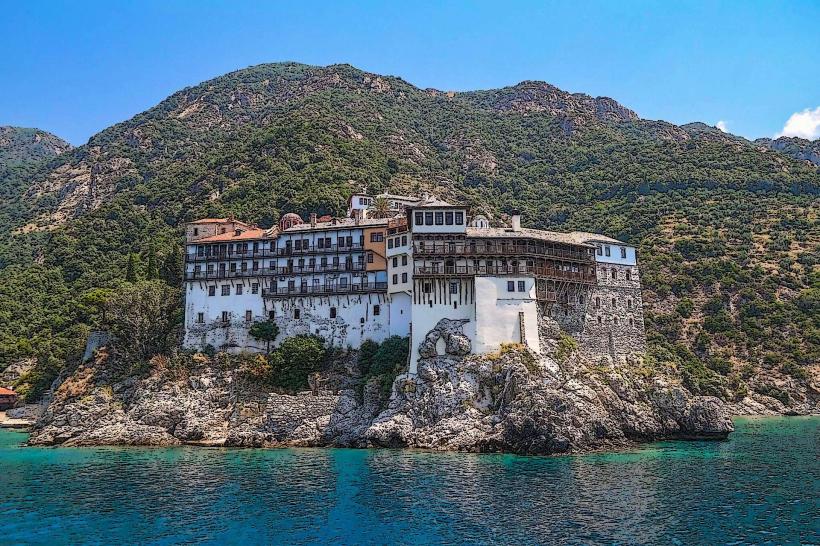
Mount Athos (The Third Finger): An autonomous monastic state under Greek sovereignty. While the northern section (Ouranoupolis) is open to all, the monastic territory is accessible only to men with a special permit (diamonitirion).
Top Landmarks
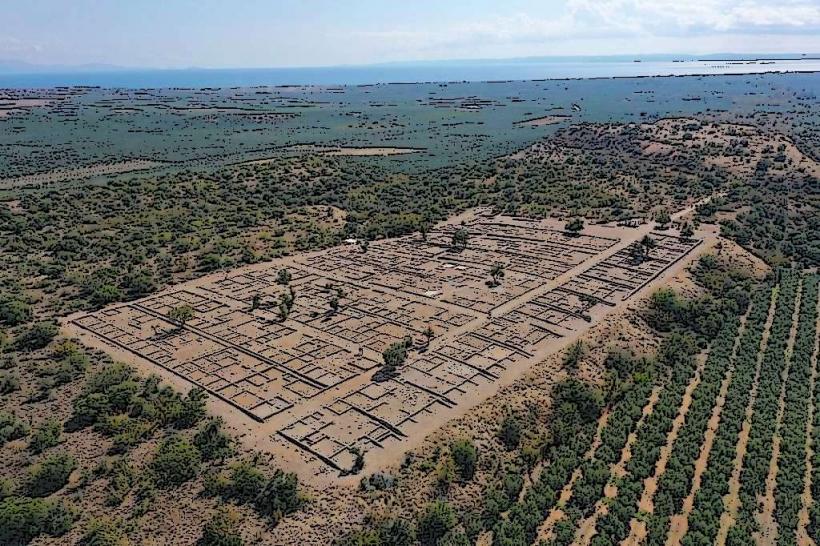
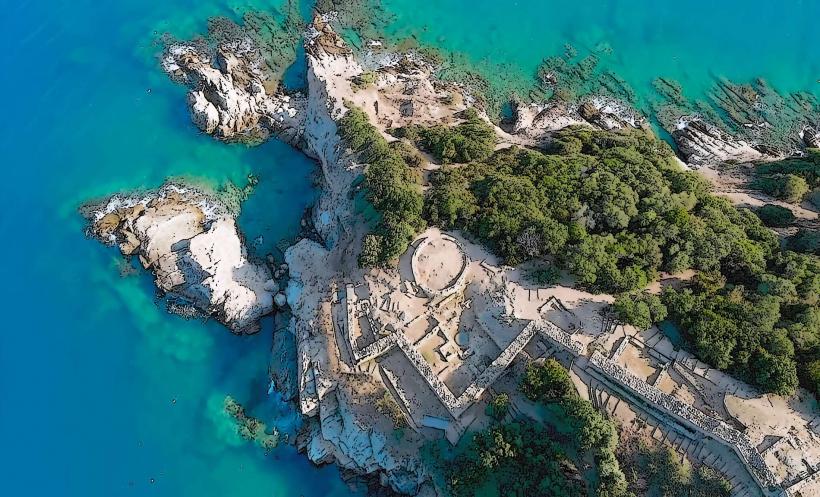
Ancient Olynthos: A well-preserved city featuring the "Hippodamian" grid system and some of the oldest floor mosaics in the world.
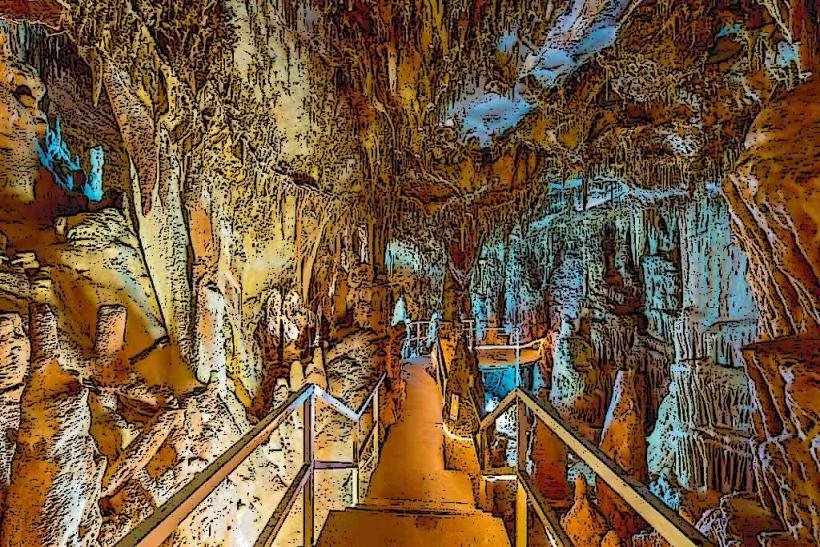
Petralona Cave: A stalactite-filled cavern housing significant anthropological and paleontological findings.
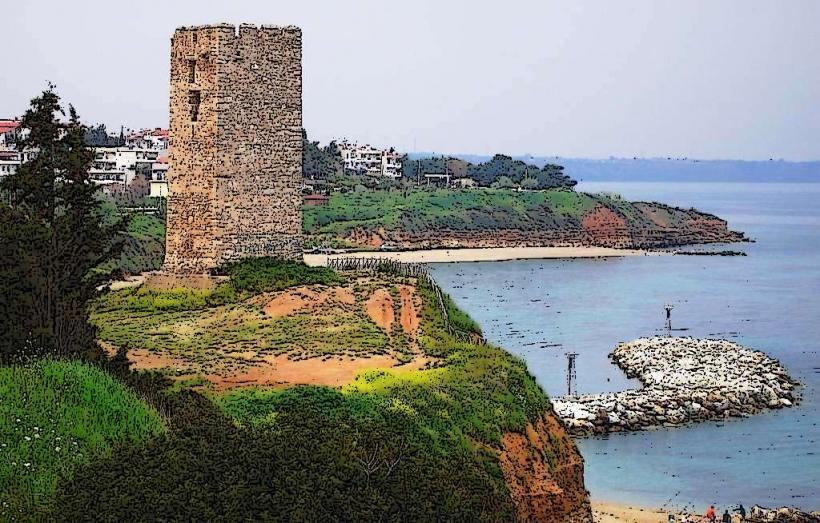
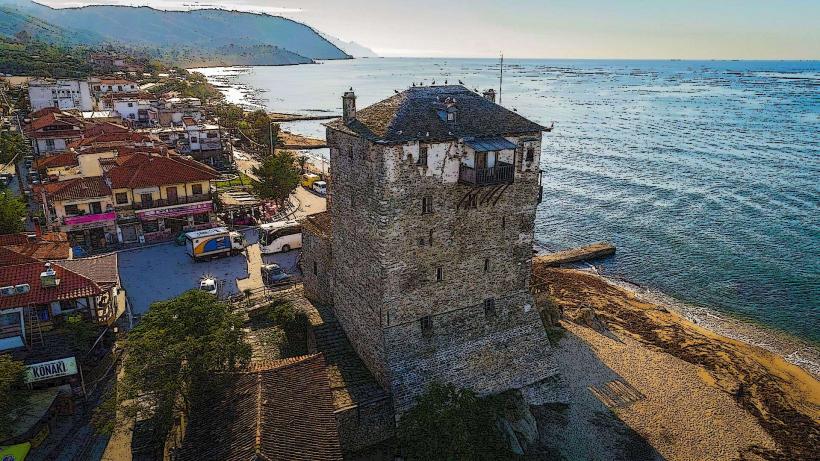
Byzantine Tower of Prosphorion: The largest and best-preserved tower in Chalkidiki, located at the entrance of Ouranoupolis.
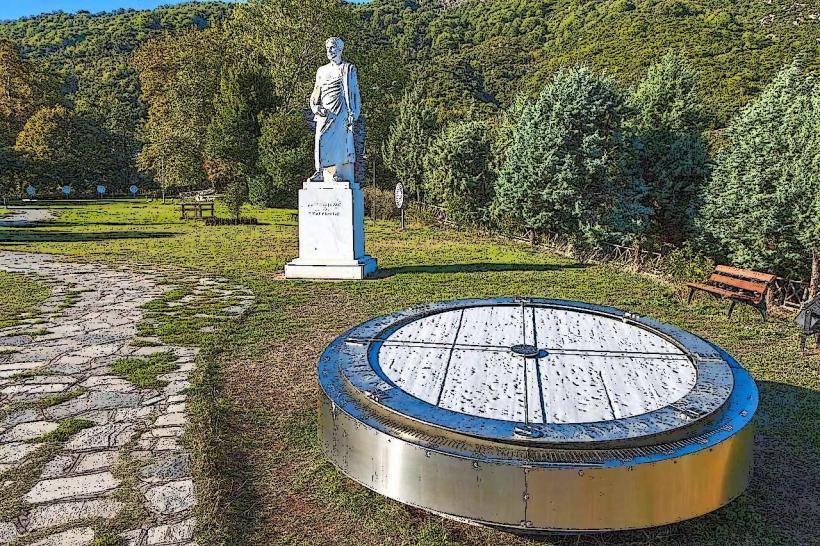
Aristotle’s Park: An interactive theme park in Stagira featuring experimental instruments illustrating the physical laws described by the philosopher.
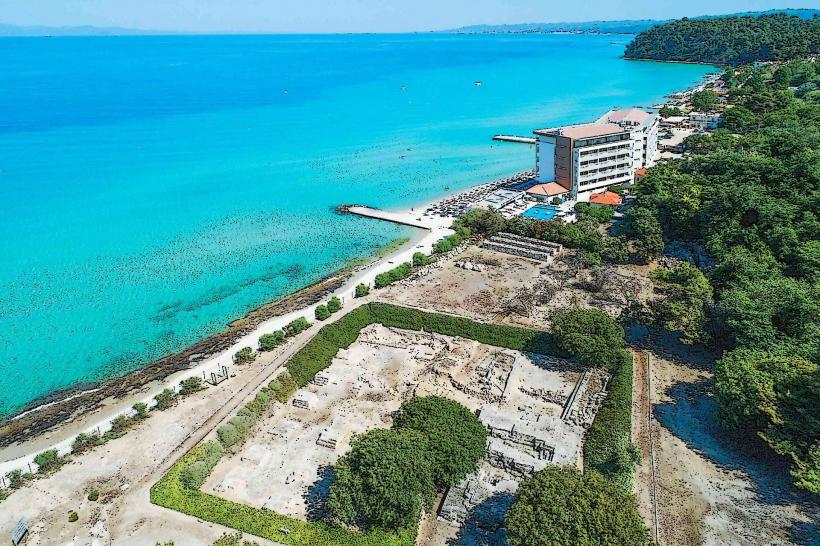
Ammouliani Island: The only inhabited island in Chalkidiki, located between Sithonia and Athos, known for its "island vibe" and shallow, sandy beaches.
Transportation & Infrastructure (2026)
Air: Served by Thessaloniki International Airport "Makedonia" (SKG), located 40–80 km from the main resorts.
Road: The Flyover of the Thessaloniki Ring Road (slated for completion in 2027) is currently alleviating through-traffic towards Chalkidiki. Internal travel relies heavily on the provincial road network; a car is essential for Sithonia and Athos.
Digital: 5G is universal in all major settlements (Polygyros, Nea Moudania, Kallithea). The "Smart Chalkidiki" initiative provides real-time fire-risk monitoring and digital beach-crowd tracking as of 2026.
Economy & Gastronomy
Beekeeping: Chalkidiki is the "homeland of honey" in Greece, producing over 1,900 tons annually, particularly the pine and flower varieties from Nikiti.
Olives: Home to the "Chalkidiki Green Olive" (PDO), known for its large size and firm texture.
Wine: The Slopes of Meliton (Sithonia) and Mount Athos are major PGI/PDO wine regions, specializing in Assyrtiko, Athiri, and Limnio.
Mining: Remains a controversial but significant part of the economy, particularly for gold and minerals in the Stratoni and Skouries areas.
Local Cost Index (2026)
1 Espresso (Freddo): €3.50–€5.50 (Resort price)
1 Standard Lunch: €20.00–€40.00
1 Daily Umbrella/Set Rental: €15.00–€50.00 (Highly variable by beach bar)
1 Night in a 4-Star Resort: €140.00–€250.00
Facts & Legends
Legend says the peninsulas were formed during the "Gigantomachy" (Battle of Giants) when the Giant Enceladus threw a rock at the Gods, forming Kassandra, while the Giant Athos threw a mountain that became the third finger. A verified historical fact: The ancient city of Acanthus was where Xerxes I of Persia dug a canal through the Athos peninsula in 480 BC to avoid the dangerous waters of the cape during his invasion of Greece.