Information
Landmark: Tower of Ouranoupoli (Prosphorion Tower)City: Chalkidiki
Country: Greece
Continent: Europe
Tower of Ouranoupoli (Prosphorion Tower), Chalkidiki, Greece, Europe
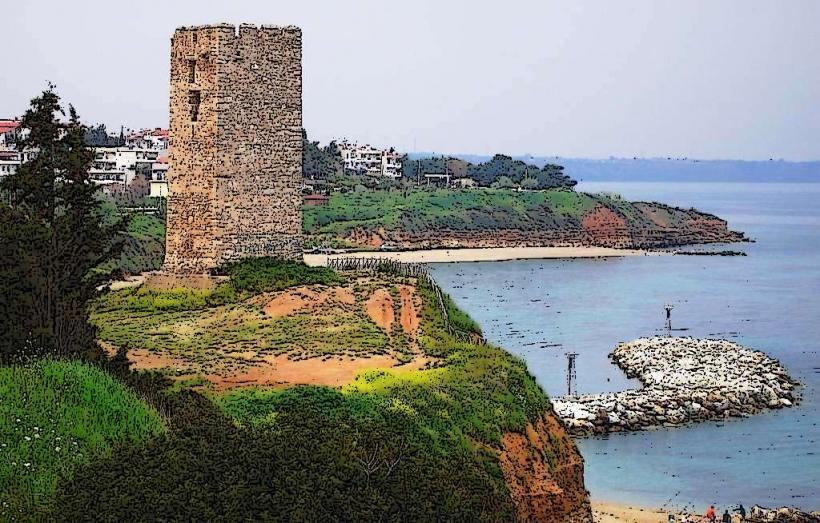
The Prosphorion Tower (commonly known as the Tower of Ouranoupoli) is the largest and best-preserved Byzantine tower in Chalkidiki. It stands at the edge of the sea in Ouranoupoli, serving as the gateway to Mount Athos.
Visual Characteristics
The tower is an imposing, 22-meter-tall stone fortification featuring a massive square base and a distinct sloping retaining wall (scarpa) at its foundations. The structure is a hybrid of historical phases: the lower stone sections are traditional Byzantine masonry, while the upper levels feature Ottoman-style wooden balconies and a hipped roof added in the 19th century. It is flanked by the Barbakas (fortified enclosure) and the Arsanas (monastic boat house).
Location & Access Logistics
Address: Ouranoupoli 630 75, Chalkidiki, Greece.
Accessibility: Located directly next to the ferry jetty where pilgrims depart for Mount Athos.
Hours: Generally open Wednesday–Monday, 08:30–15:30.
Closed: Tuesdays (Standard for state archaeological sites in Greece).
Entry Fee: Approximately €2–€3.
Historical Context
Monastic Origins: Built by the Vatopedi Monastery of Mount Athos to protect its "metochion" (dependency/farmstead) known as Prosphorion.
Chronology: While foundations may date to the 11th or 12th century, the first written record is from 1344.
The Loch Era: In 1928, an Anglo-Australian couple, Sydney and Joice Loch, moved into the then-dilapidated tower. They were humanitarian workers (Quakers) who helped refugees from Asia Minor settle in the area. They lived there until their deaths (Sydney in 1955, Joice in 1982) and are credited with preserving the building and establishing the local carpet-weaving industry.
Museum & Architecture
The tower now functions as a museum under the Ministry of Culture, showcasing:
Byzantine Antiquities: Christian artifacts, icons, and daily items found in the surrounding region.
Refugee History: Exhibits detailing the settlement of the village in the 1920s.
The Loch Collection: A dedicated floor preserving the living quarters and memorabilia of the Loch couple, including the famous "Ouranoupolis rugs" they helped design.
Interior Details: The 19th-century wooden staircase and floors are still intact. Visitors can climb to the upper floors for a view of the village and the Drenia islands.
Best Time to Visit
Morning: Visit right at opening (08:30 AM) to see the tower before the surge of pilgrims arriving for the 10:00 AM ferries to Mount Athos.
Photography: Sunset provides the best lighting for the tower's west-facing sea wall.
Nearby Landmarks
Zygou Monastery (Frangokastro): 2 km East (The only Mount Athos monastery accessible to women, as it sits just outside the modern border).
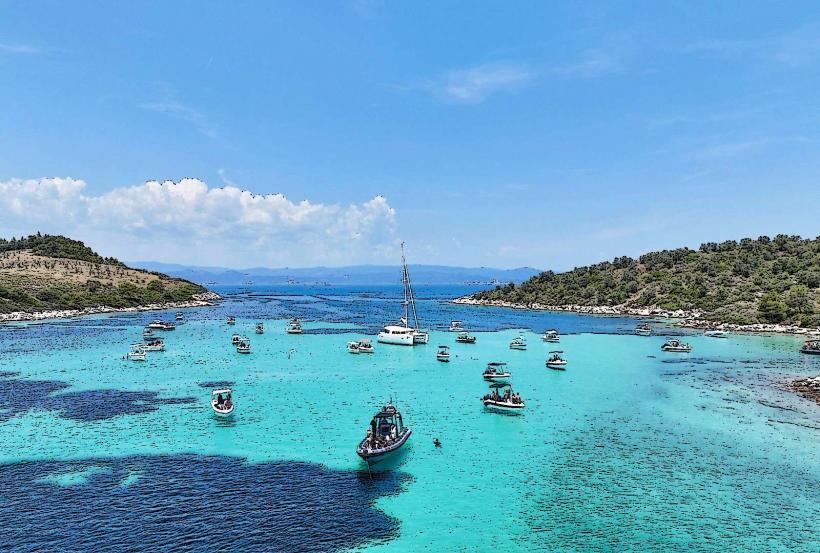
Drenia Islands: Accessible by small boat from the jetty directly in front of the tower.
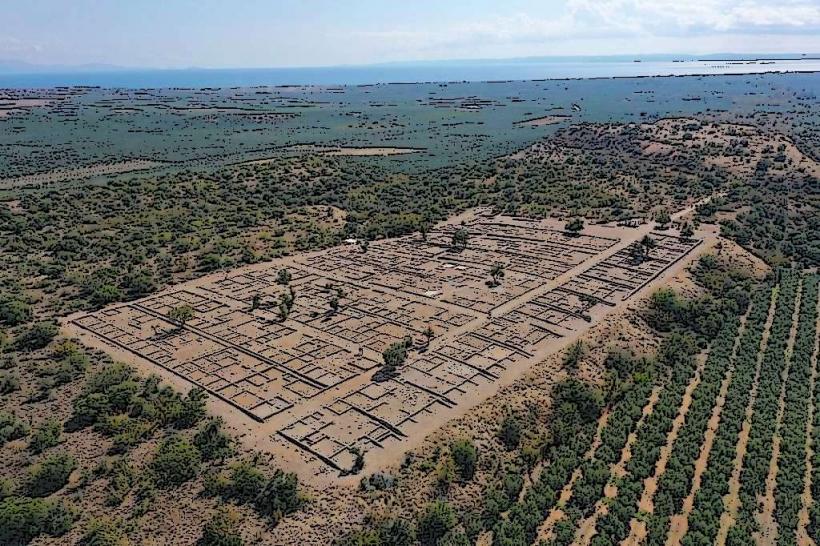
Ancient Stagira: 40 km North.