Information
City: CharlestonCountry: USA South Carolina
Continent: North America
Charleston, USA South Carolina, North America
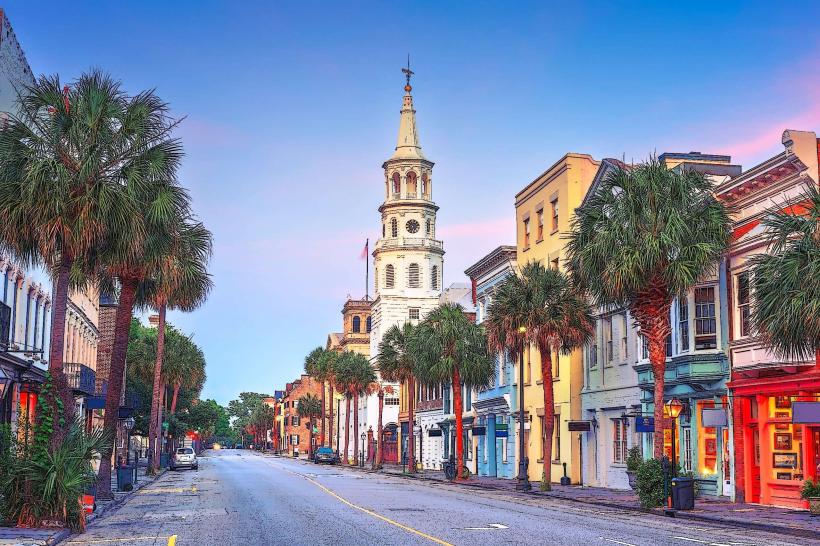
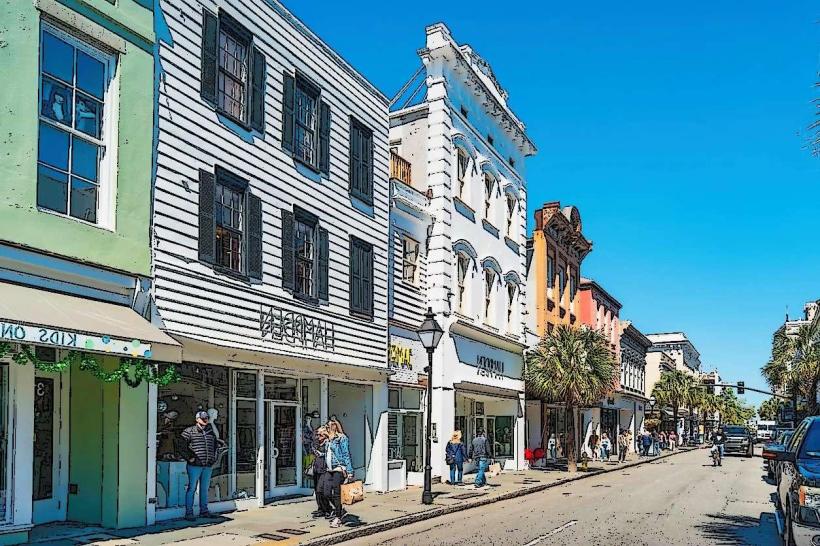
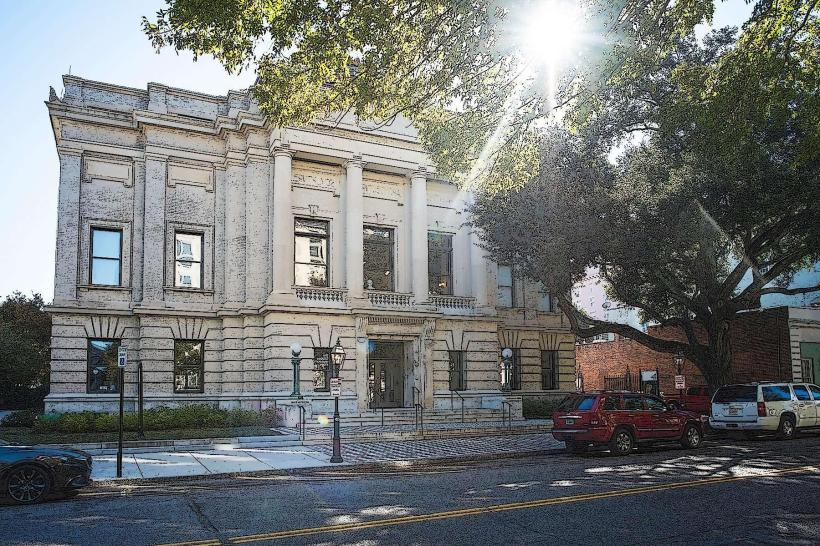
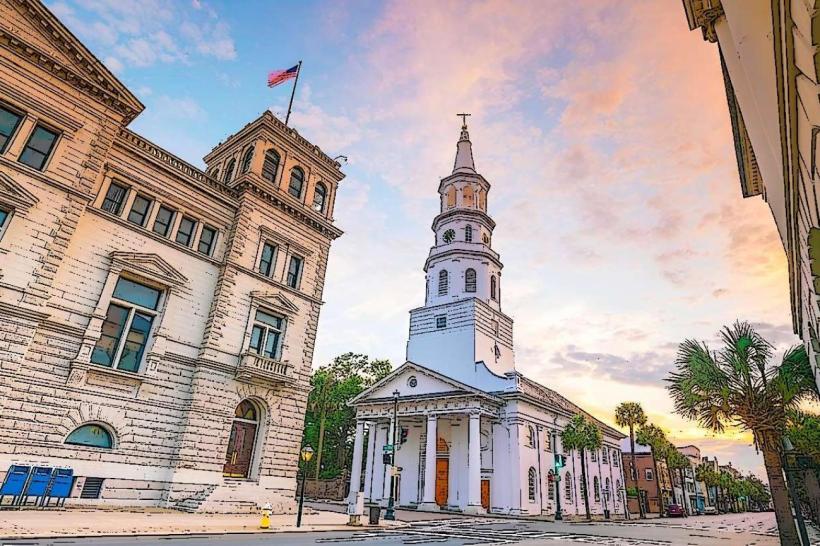
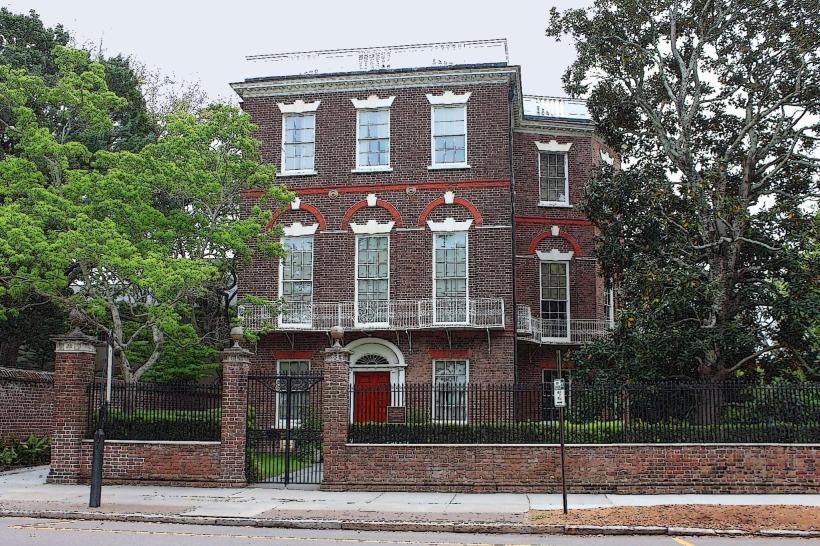
Charleston is a home rule city and the seat of Charleston County, situated at the confluence of the Ashley and Cooper Rivers as they enter the Atlantic Ocean. It is defined by its strictly preserved antebellum architecture, its cobblestone streets, and its status as the "Holy City" due to its historic skyline dominated by church steeples.
Historical Timeline
Founded in 1670 as Charles Town in honor of King Charles II. Primary governance eras began with its role as a major colonial port and the capital of the South Carolina province. A critical historical event was the 1861 bombardment of Fort Sumter, which initiated the American Civil War. The city was a central node in the Transatlantic Slave Trade, with an estimated 40% of enslaved Africans brought to North America passing through Charleston's harbor. The 20th century saw the city pioneer the first historic zoning ordinance in the U.S. (1931). In the 21st century, it has transitioned into a premier global tourism and "silicon harbor" tech hub.
Demographics & Population
The population is approximately 156,000 (Metro area ~830,000). The demographics are White (72%), Black or African American (20%), and Hispanic or Latino (4%). The economy is driven by tourism, the Port of Charleston, aerospace (Boeing), and the Medical University of South Carolina (MUSC).
Urban Layout & Key Districts
The city is located on a peninsula bounded by two rivers, with expansion into surrounding sea islands.
The Peninsula (Historic District): The high-density core featuring the Battery, Rainbow Row, and high-end retail on King Street.
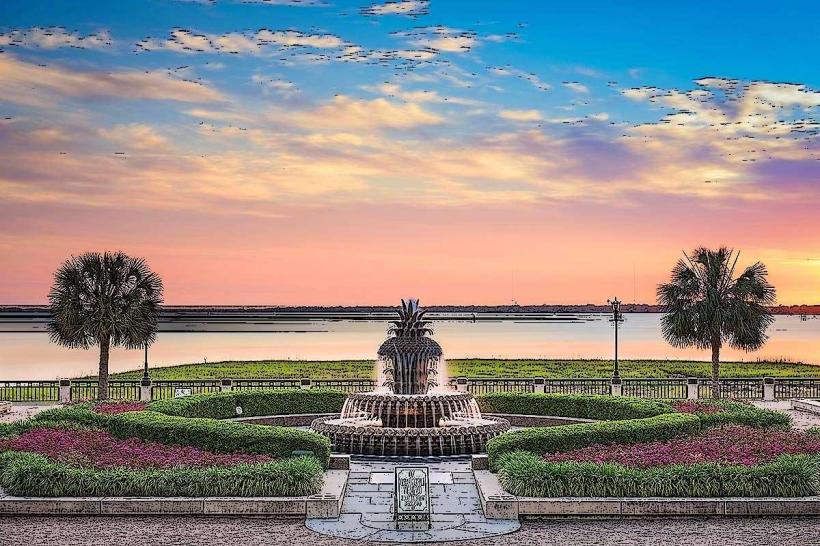
French Quarter: A sub-district of the peninsula known for its art galleries, the French Huguenot Church, and the historic Waterfront Park.
Upper King: The primary nightlife and dining corridor, characterized by revitalized industrial spaces and boutiques.
West Ashley: An expansive residential and commercial district west of the Ashley River.
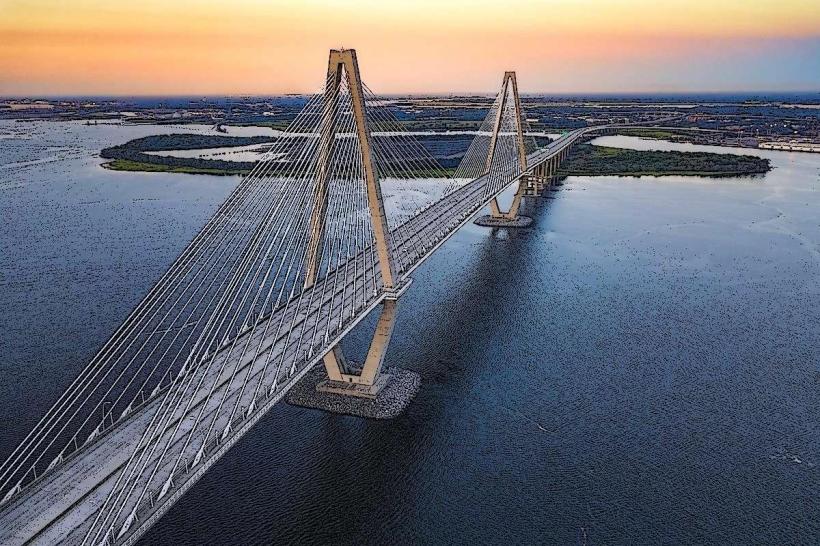
Mount Pleasant: An affluent suburban city across the Arthur Ravenel Jr. Bridge, home to maritime museums and parks.
Top City Landmarks
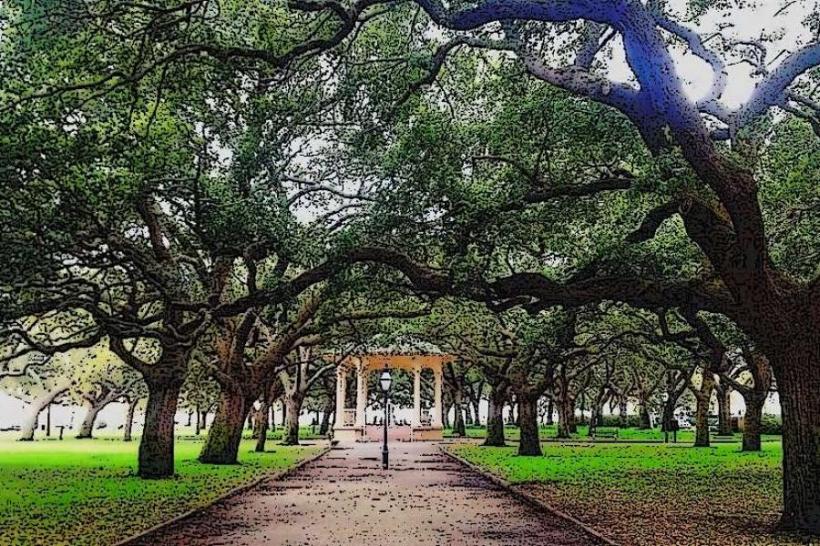
The Battery & White Point Garden: A landmark defensive seawall and promenade lined with stately antebellum mansions.
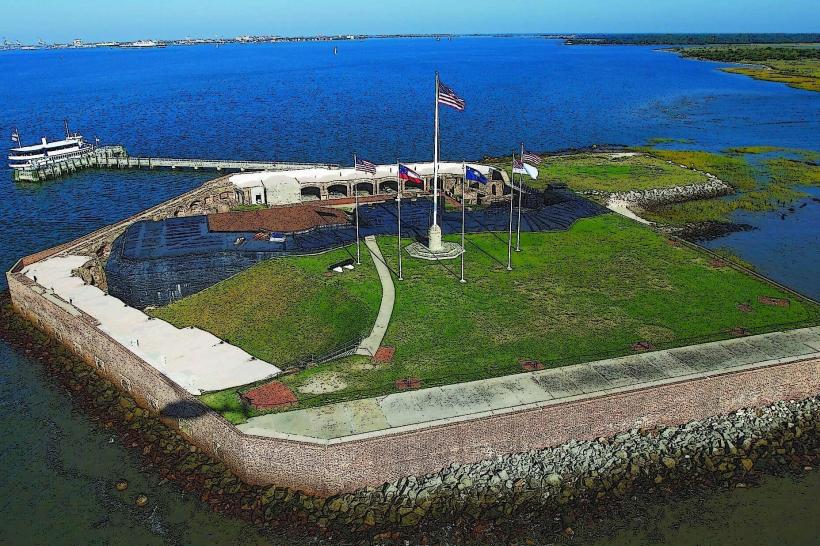
Fort Sumter National Monument: The sea fort where the Civil War began, accessible via ferry from Liberty Square.
International African American Museum: Built on the site of Gadsden’s Wharf, documenting the history of the African diaspora.
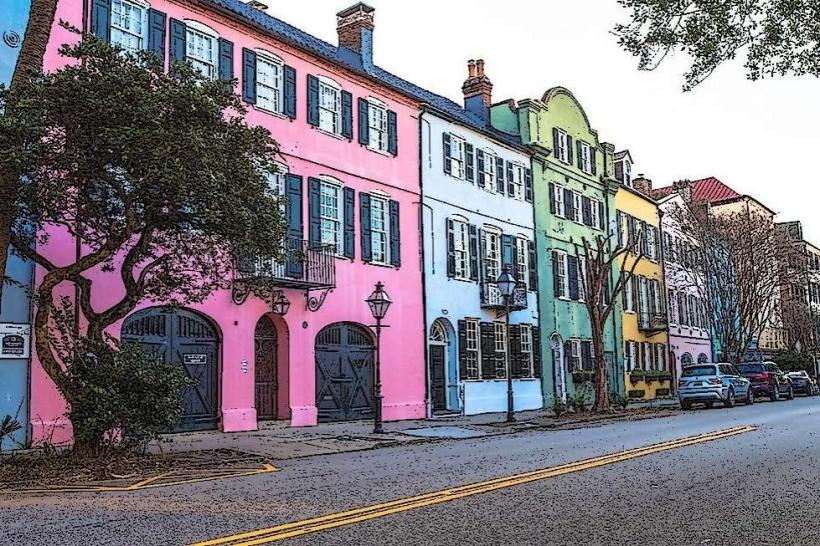
Rainbow Row: A series of 13 colorful historic houses on East Bay Street, representing the longest cluster of Georgian row houses in the U.S.
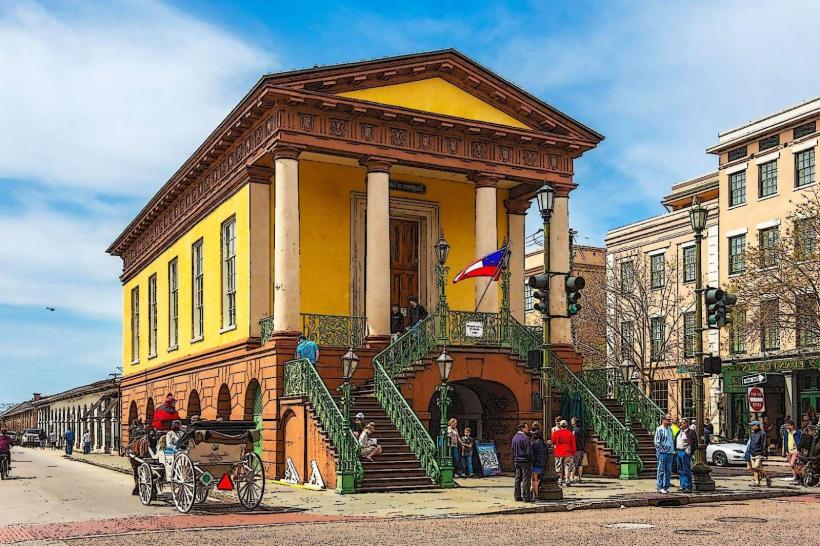
Charleston City Market: A historic market complex (est. 1790s) spanning four city blocks, famous for Sweetgrass Baskets.
Arthur Ravenel Jr. Bridge: One of the longest cable-stayed bridges in North America, featuring a dedicated pedestrian/bike path.
Transportation Network
Movement is automotive-centric but highly walkable on the Peninsula. Public transit is provided by CARTA (Charleston Area Regional Transportation Authority), including the free "DASH" trolley in the historic core. The city is the terminus of I-26. Commercial air service is via Charleston International (CHS).
Safety & "Red Zones"
The general safety level is moderate. Property crime is common in tourist areas. Caution is advised at night in parts of the North Area (North Charleston) and neighborhoods north of Crosstown (US-17) on the peninsula due to localized violent crime. Environmental hazards include tidal flooding (King Street frequently floods during high tide) and significant hurricane risk (June–November).
Digital & Financial Infrastructure
Internet speeds average 500+ Mbps with fiber availability via AT&T and Google Fiber. Main mobile carriers are Verizon and AT&T. Card acceptance is universal. ATMs are concentrated on King Street and Meeting Street.
Climate & Air Quality
Temperatures range from 6°C to 16°C in winter and 23°C to 33°C in summer. The city experiences extreme humidity and frequent afternoon thunderstorms in summer. Air quality is high.
Culture & Social Norms
The standard tipping percentage is 20–25%. A "Southern-Formal" greeting is standard. Dress codes are "Charleston-Chic" (linen, seersucker, and dress shorts are common). The city is culturally defined by its Gullah-Geechee heritage, its culinary focus on "Lowcountry" cuisine (Shrimp and Grits), and its obsession with historic preservation.
Local Cost Index
1 Espresso: $5.00 (USD)
1 Standard Lunch: $22.00 (USD)
1 Carriage Tour: $40.00–$55.00.
Nearby Day Trips
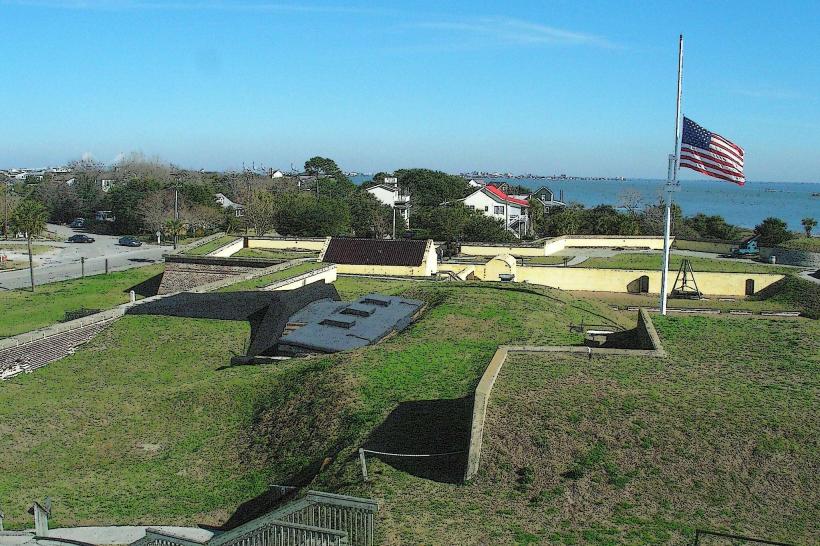
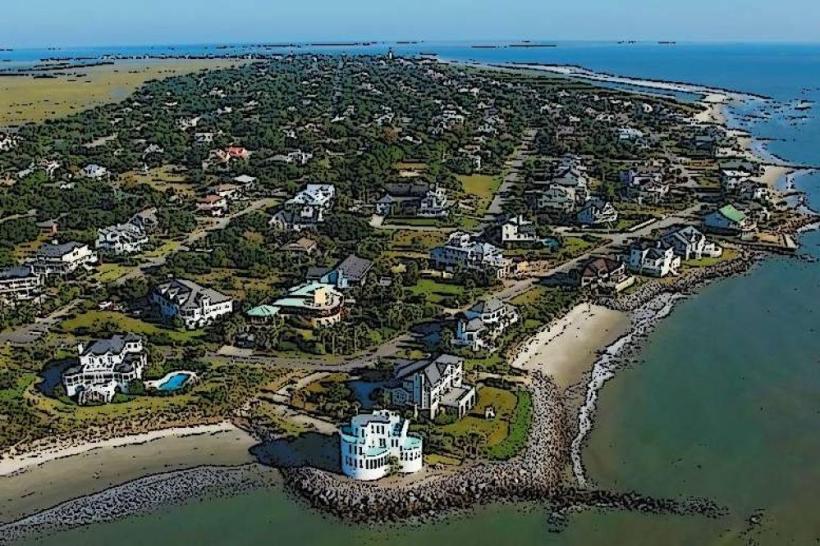
Sullivan’s Island: (15 km east; a quiet beach community with historic Fort Moultrie).
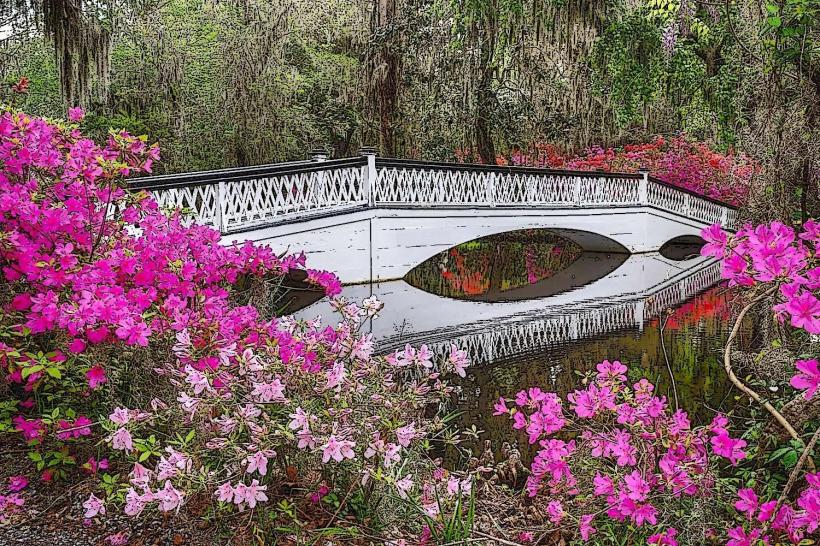
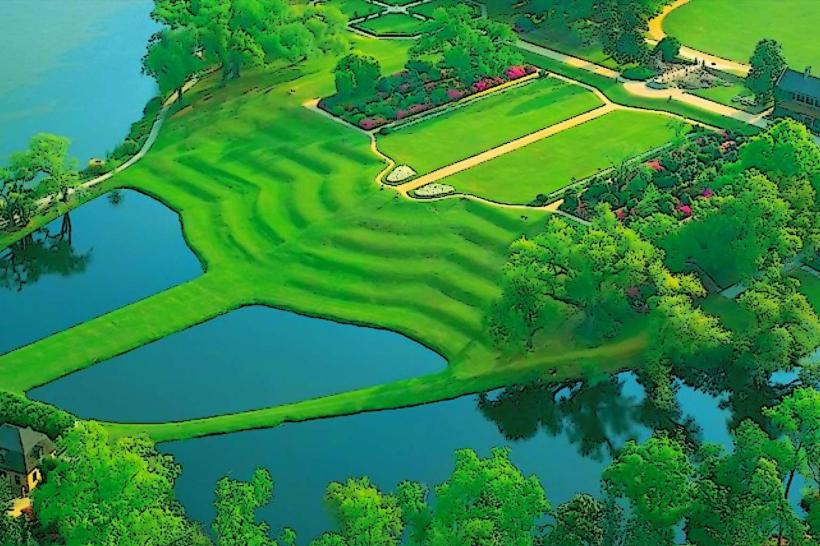
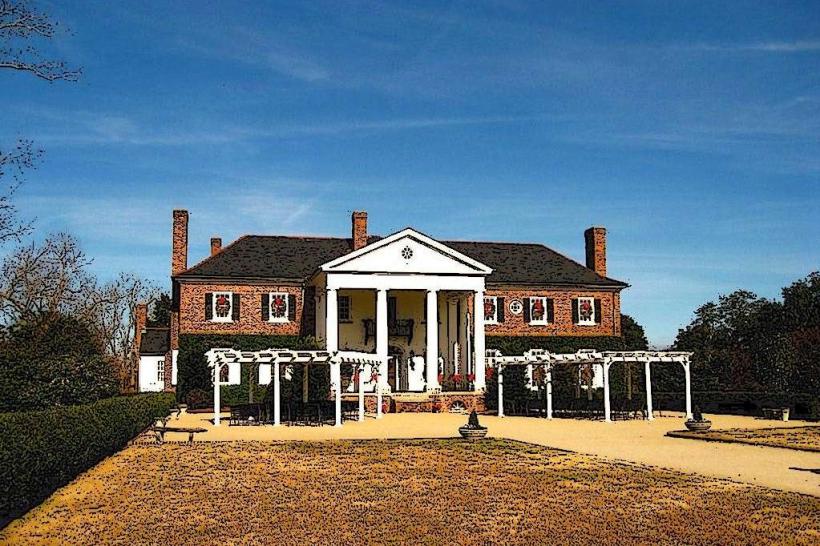
Magnolia Plantation & Gardens: (20 km northwest; the oldest public gardens in America).
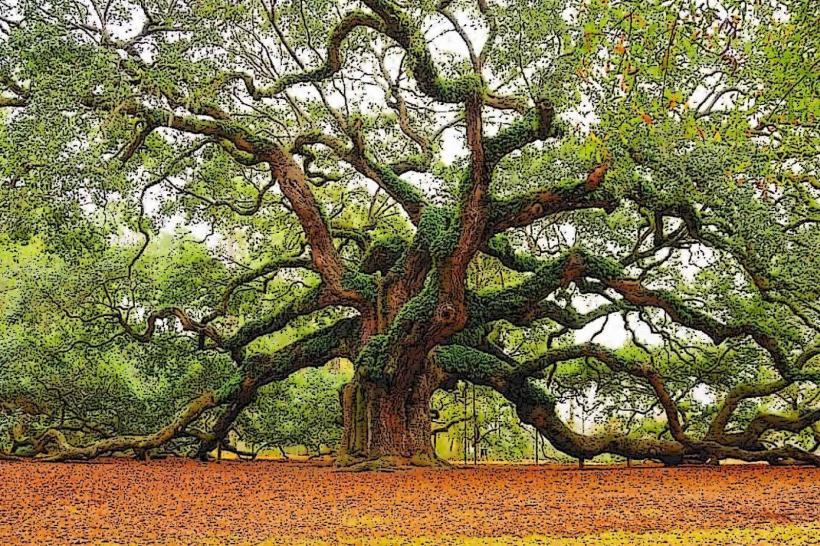
Angel Oak Tree: (20 km southwest; a 400-500 year old Southern live oak on Johns Island).
Facts & Legends
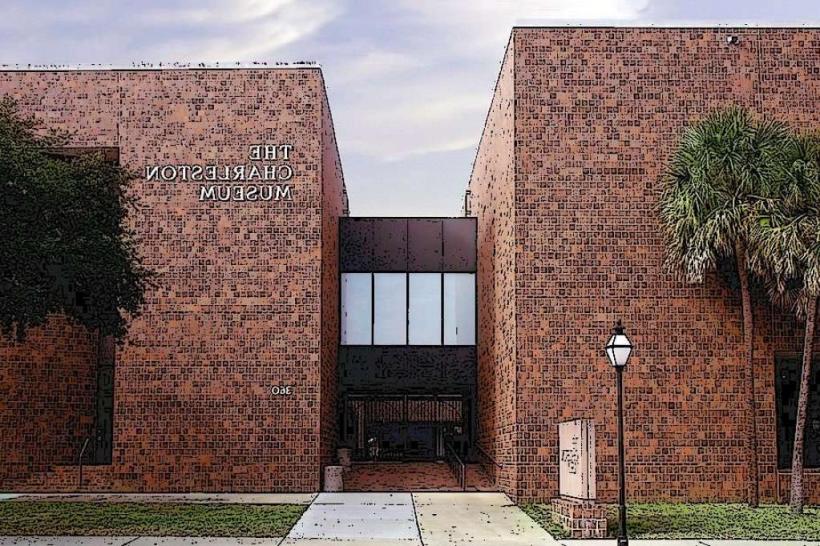
Charleston is the site of the first public museum in America (The Charleston Museum, est. 1773). Historically, the city survived the Great Earthquake of 1886, which destroyed 2,000 buildings. A local legend involves the "Gentleman Ghost" of 20 South Battery, a spectral figure said to be looking for his lost love. Another legend concerns the "Poogan’s Porch" ghost, a dog named Poogan who is rumored to still greet diners at the restaurant of the same name.