Information
City: CharlestownCountry: Saint Kitts and Nevis
Continent: North America
Charlestown, Saint Kitts and Nevis, North America
Charlestown is the capital of the island of Nevis and the second-largest town in the Federation of Saint Kitts and Nevis. It is situated on the leeward (western) side of the island and serves as the primary administrative, commercial, and historical hub for Nevis.
2026 Strategic & Infrastructure Context
Geothermal Development: Charlestown is the logistical center for the Nevis Geothermal Project. As of early 2026, the first production wells are being integrated into the national grid, positioning Charlestown as one of the few capitals in the region powered primarily by renewable volcanic energy.
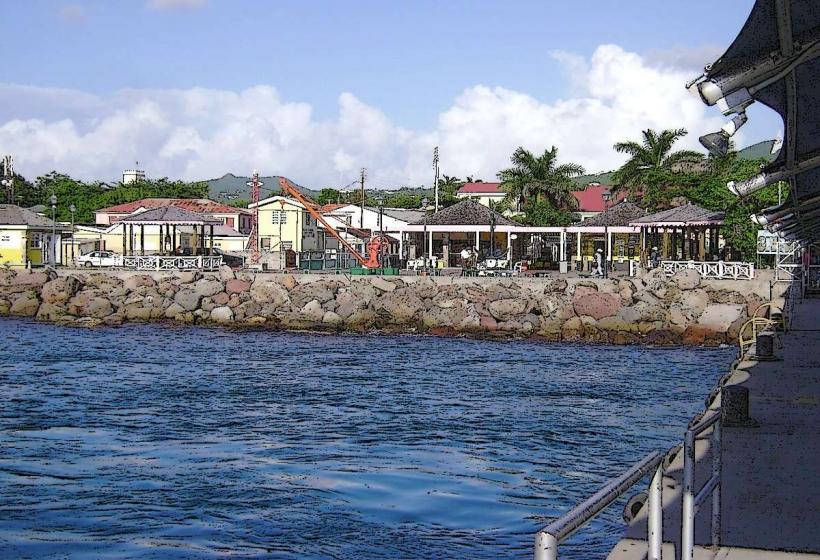
Port Expansion: The Charlestown Pier has undergone upgrades to improve the efficiency of the frequent ferry service between Saint Kitts and Nevis and to accommodate an increasing number of boutique cruise vessels.
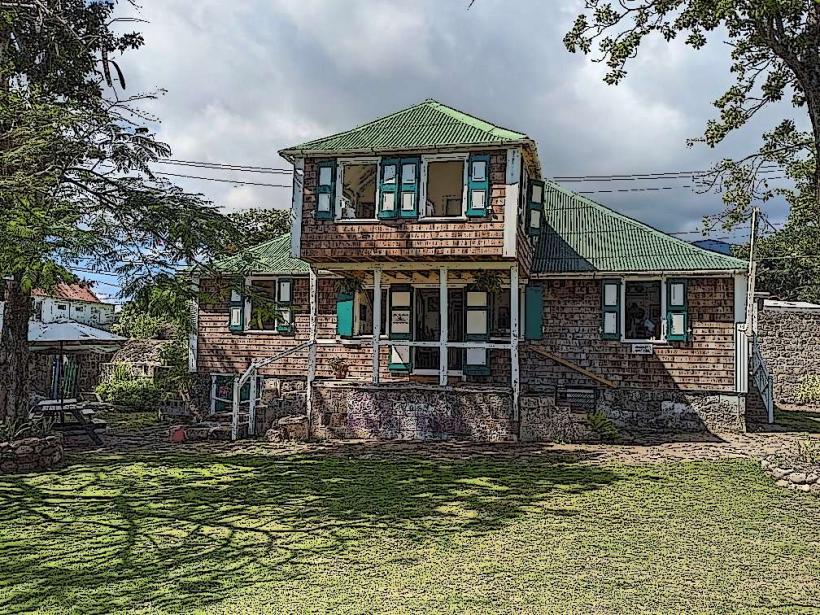
Heritage Preservation: The Nevis Island Administration (NIA) has implemented strict building codes in the town center to preserve its 18th and 19th-century stone-and-timber architectural heritage.
Demographics & Population
The 2026 population of Charlestown is approximately 1,500 within the town limits, though it serves as the service center for the majority of the island's 12,000 residents. The demographic is primarily of African descent. The town has a significant professional class due to Nevis's status as a specialized international financial center.
Urban Layout & Key Districts
Main Street: The primary commercial artery, lined with historic buildings, banks, and retail shops.
The Waterfront: A bustling area containing the ferry terminal, customs house, and several open-air restaurants and bars.
Memorial Square: A central plaza dedicated to the Nevisians who served in World Wars I and II.
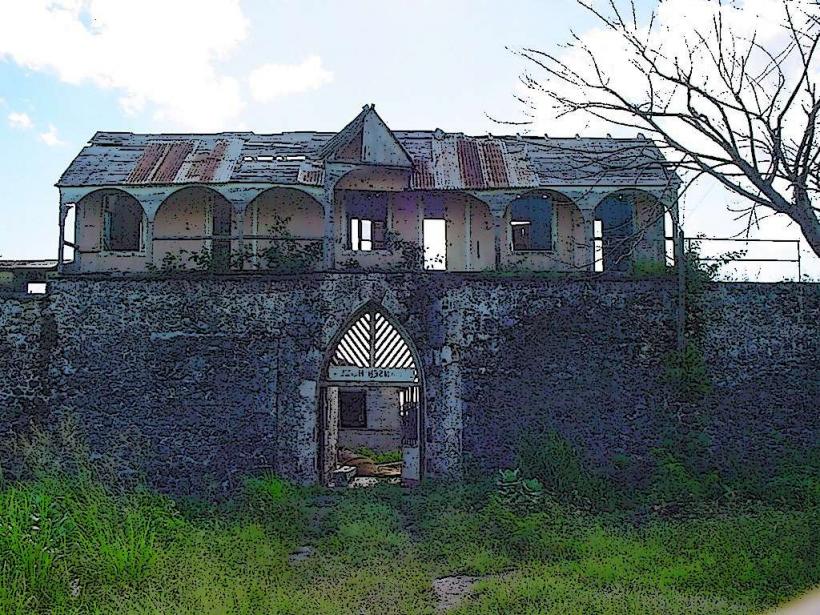
Bath Village: A southern suburb famous for its historic volcanic hot springs and the ruins of the first luxury hotel in the Caribbean.
Top Landmarks
Hamilton House: The birthplace of Alexander Hamilton, one of the Founding Fathers of the United States. The building now houses the Museum of Nevis History and the Nevis Island Assembly.
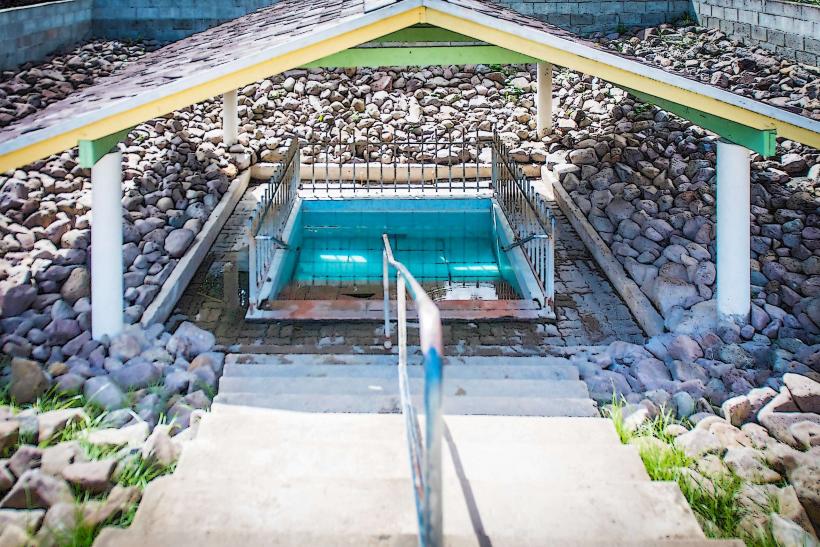
Bath Springs: Natural volcanic hot springs with temperatures reaching 42°C (108°F). The site features public "hot pots" and the historic Bath Hotel (built in 1778).
The Jewish Cemetery: A site dating back to the 17th century, representing one of the oldest Jewish communities in the Caribbean, many of whom were experts in sugar crystallization.
Nevis Sixth Form College: A prominent educational landmark located on the outskirts of the town.
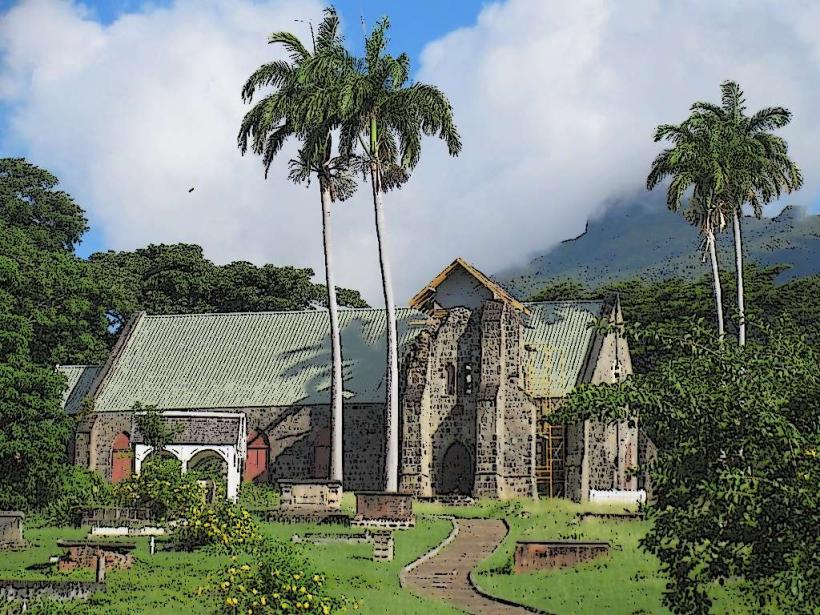
St. Paul’s Anglican Church: A historic stone church originally built in the 17th century, featuring a cemetery with prominent colonial-era figures.
Transportation Network
Sea: The Charlestown Ferry Terminal is the island's most critical transport link. Frequent ferries (e.g., Mark Twain, Sea Bridge) connect to Basseterre, St. Kitts ($45$ minutes).
Air: Vance W. Amory International Airport (NEV) is located approximately 15 minutes north of Charlestown at Newcastle.
Local: The town is the hub for Nevis's minibus system. Bicycles and scooters are also common modes of transport for navigating the narrow, historic streets.
Digital & Financial Infrastructure
Charlestown is a significant international offshore financial center, specializing in trust management and company formation. 5G connectivity is consistent throughout the town. The official currency is the Eastern Caribbean Dollar (XCD) ($2.70 \text{ XCD} = 1 \text{ USD}$).
Local Cost Index (XCD)
1 Ferry to Basseterre (One-way): $25–$30 XCD
1 Minibus ride (Short distance): $3–$5 XCD
1 Traditional local lunch: $25–$45 XCD
Facts & Legends
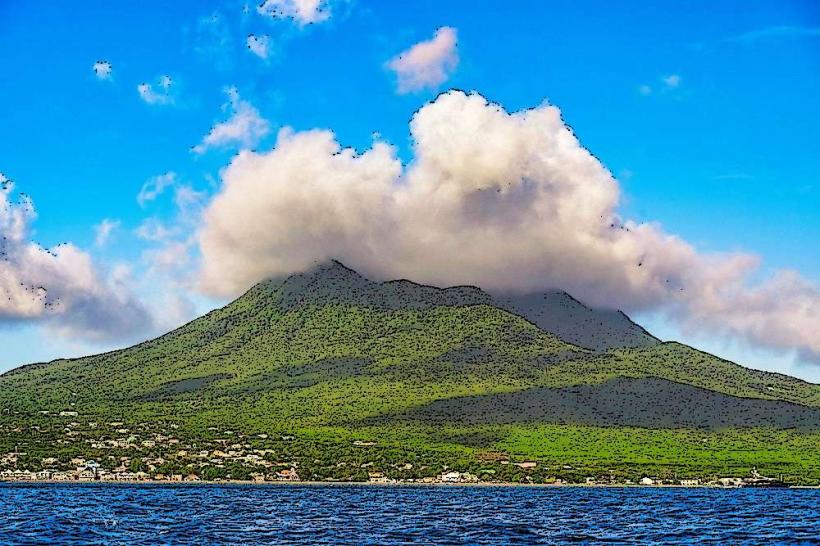
Legend says that the waters of the Bath Springs were so renowned for their healing properties that even the British Admiral Lord Nelson frequented them to cure his ailments. A geographic fact: Unlike Basseterre, which was built on a wider coastal plain, Charlestown is confined by the steep slopes of Nevis Peak, which rises directly behind the town. Historically, Charlestown was once the "Queen of the Caribees," one of the wealthiest ports in the region during the peak of the sugar trade.