Information
City: CologneCountry: Germany
Continent: Europe
Cologne, Germany, Europe
Cologne (Köln) is the largest city in the German state of North Rhine-Westphalia and the fourth-largest in Germany, situated on both sides of the Rhine River. It is a major cultural, media, and logistics hub, serving as the historical and economic center of the Rhineland.
Visual Characteristics
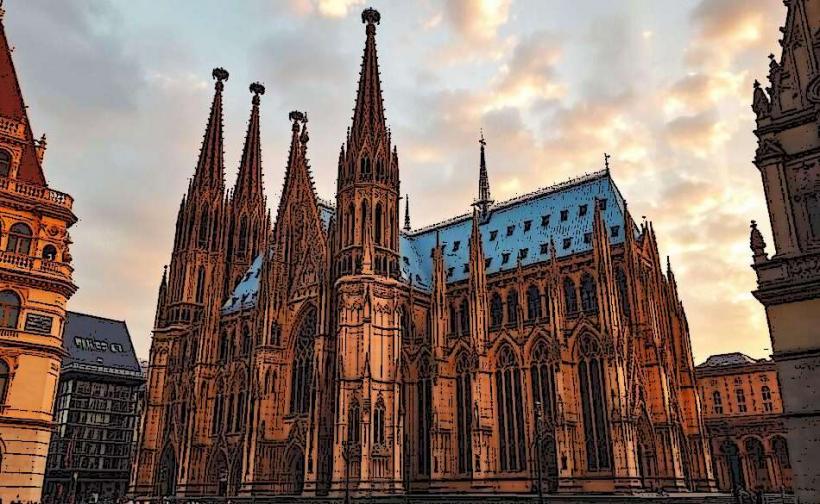
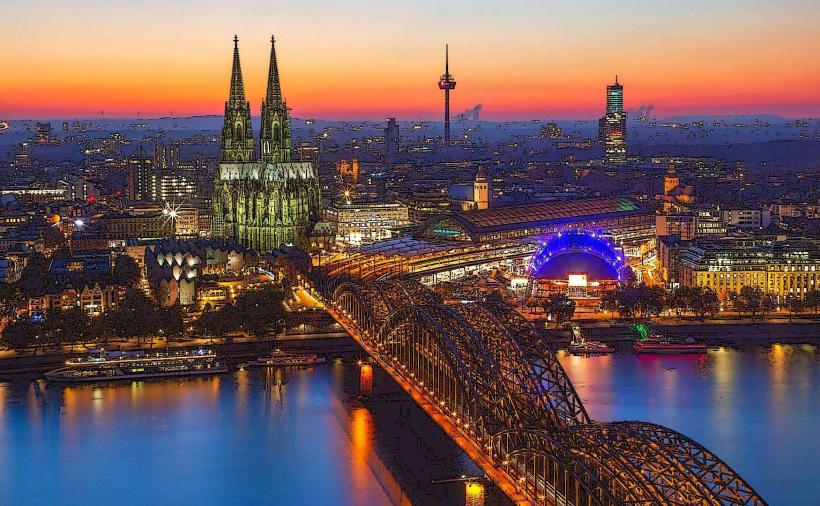
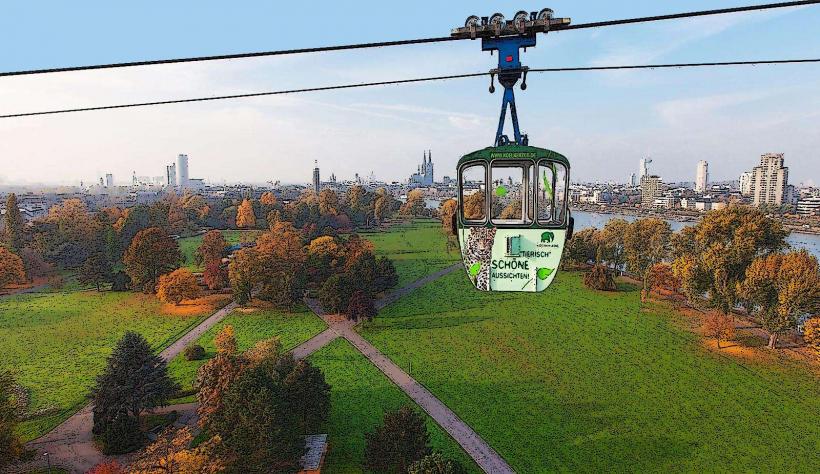
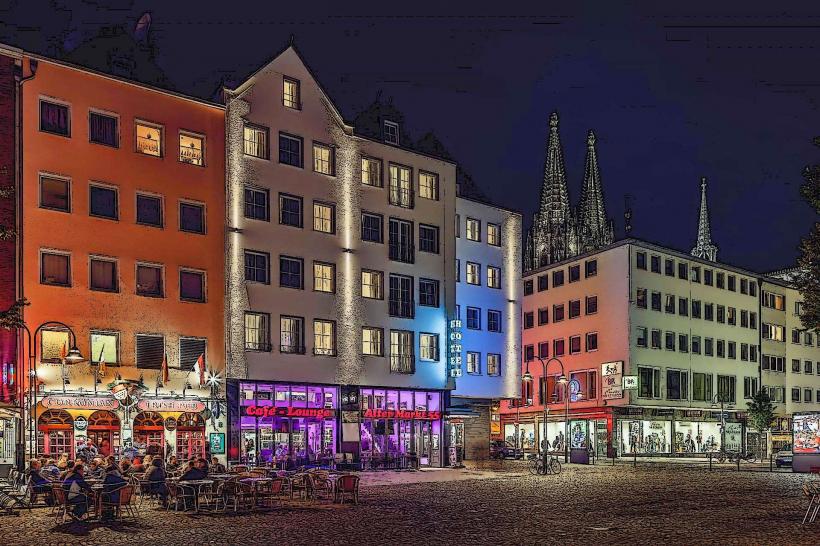
The skyline is dominated by the Cologne Cathedral (Kölner Dom), a twin-spired High Gothic masterpiece in dark basalt and sandstone. The "Altstadt" (Old Town) along the Rhine features reconstructed colorful narrow-fronted houses. Modernity is represented by the "Kranhäuser" (crane houses) in the Rheinauhafen-three inverted L-shaped buildings that mimic harbor cranes. The Hohenzollern Bridge, characterized by three iron arches and thousands of "love locks," spans the river toward the Deutz district.
Location & Access Logistics
Cologne is located in the Rhine-Ruhr metropolitan region. It is served by Cologne Bonn Airport (CGN), 15 kilometers southeast. Köln Hauptbahnhof is one of Europe's busiest rail junctions, providing high-speed ICE links to Brussels, Amsterdam, Paris, and Frankfurt. The KVB transit network operates an integrated light rail (Stadtbahn) and bus system. The city is encircled by the "Kölner Autobahnring" (A1, A3, A4). Public parking is concentrated in large underground facilities at the Cathedral and Heumarkt.
Historical & Ecological Origin
Founded by the Romans in 38 BCE as Oppidum Ubiorum, it was later named Colonia Claudia Ara Agrippinensium in 50 CE. It became a Free Imperial City in 1475. Geologically, it sits in the Cologne Bight, a fertile lowland at the northern edge of the Rhenish Massif. The city was approximately 95% destroyed during WWII; reconstruction prioritized a mix of meticulous historical restoration and 1950s functionalist urban planning.
Key Highlights & Activities
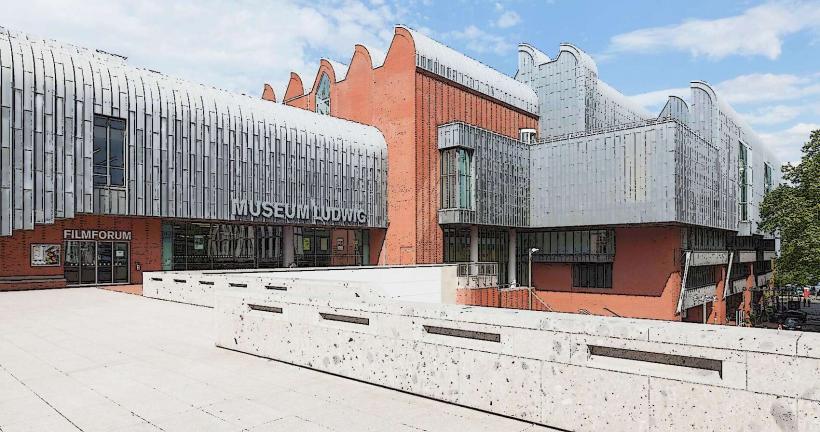
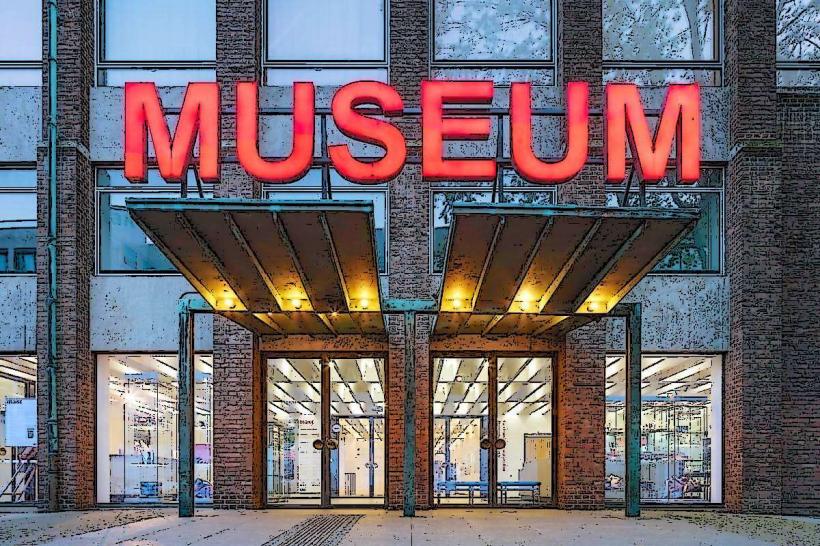
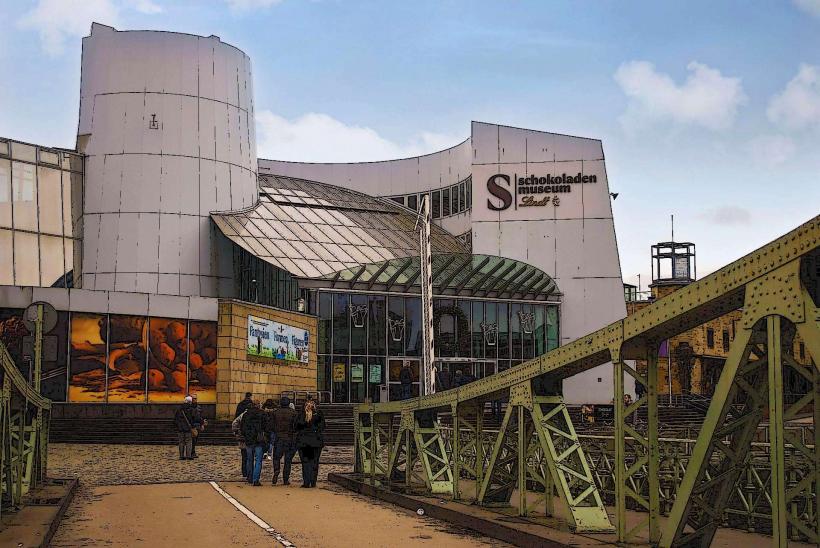
The Cologne Cathedral is accessible for viewing its 14th-century stained glass and the Shrine of the Three Kings. The Museum Ludwig houses a significant collection of modern art, including one of the largest Picasso collections outside Spain. The Roman-Germanic Museum (Römisch-Germanisches Museum) displays artifacts from the city's colonial past, including the Dionysus mosaic. Walking the Rhine embankment (Rheingarten) and visiting the Chocolate Museum (Schokoladenmuseum) are primary tourist activities.
Infrastructure & Amenities
The city center is equipped with public restrooms near the Cathedral and Neumarkt. 5G cellular coverage is universal. The "KVB-Rad" bike-sharing system is widely distributed. Drinking water fountains are available in major pedestrian zones. Food and retail are high-density on the Hohe Straße and Schildergasse. The "Brauhaus" culture provides regional food and Kölsch beer in high concentrations throughout the Altstadt.
Best Time to Visit
The climate is temperate oceanic with mild winters and warm summers. May through September is optimal for river-based activities, with temperatures between 18°C and 24°C. The Cologne Carnival in February/March and the Christmas markets in December cause extreme tourist density. Photography of the Cathedral and Hohenzollern Bridge is best at sunset from the Kennedy-Ufer on the opposite bank (Deutz).
Facts & Legends
Cologne is the birthplace of Eau de Cologne, first produced by Giovanni Maria Farina in the early 18th century. A local historical oddity: the Cathedral took 632 years to complete, with construction halted from 1473 to 1842. Legend holds that the "Heinzelmännchen" (house gnomes) used to do all the work for the city's inhabitants at night until a tailor's wife peeked at them, causing them to disappear forever.
Nearby Landmarks
Cologne Cathedral: Central hub
Museum Ludwig: 0.1km East of Cathedral
Great St. Martin Church: 0.4km South
Hohenzollern Bridge: 0.2km East
Rheinauhafen: 1.5km South