Information
City: Copa RuinasCountry: Honduras
Continent: North America
Copa Ruinas, Honduras, North America
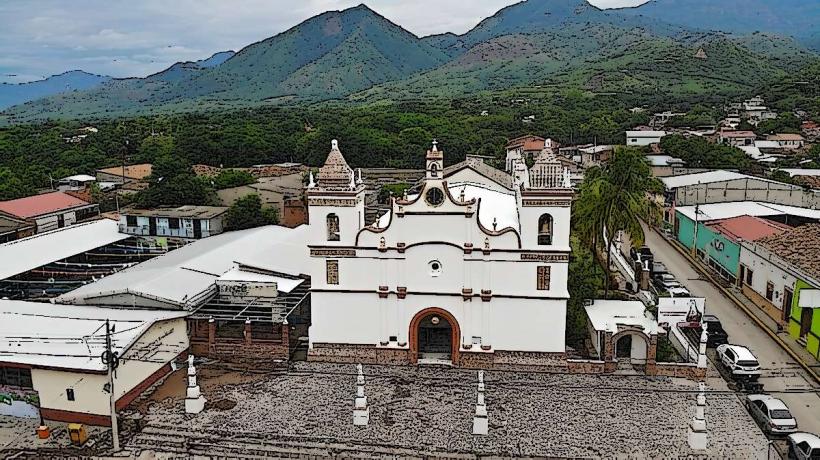
Copan Ruinas is the cultural and archaeological capital of western Honduras, serving as the primary gateway to the UNESCO-listed Maya ruins of the same name. It is situated in a fertile mountain valley in the Copán Department, approximately 12 kilometers from the border with Guatemala.
Historical Timeline
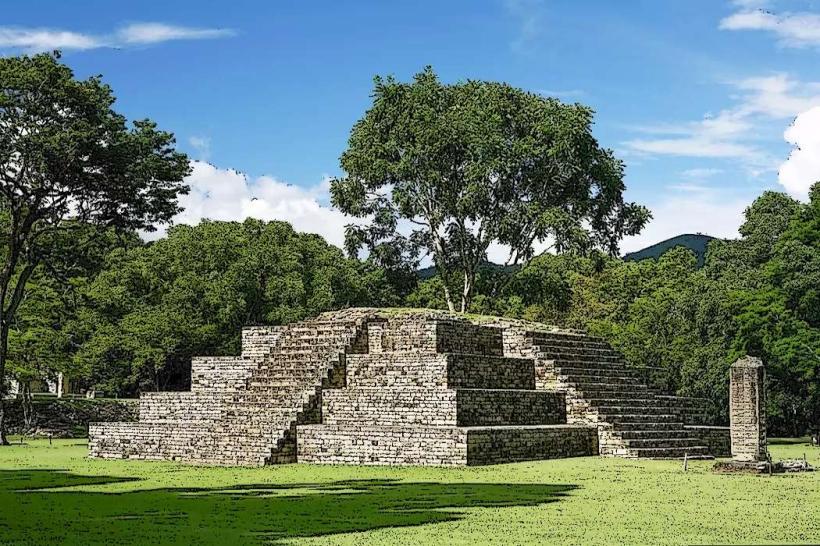
The city's ancient core was founded around 426 AD by K'inich Yax K'uk' Mo', initiating a 400-year dynastic era that defined the "Classic Period" of Maya civilization. The primary era of modern governance began in the late 19th century with the rediscovery and scientific excavation of the site by foreign expeditions. The most significant political and cultural reconstruction occurred in 1980 following its designation as a UNESCO World Heritage site, which shifted the local economy from tobacco farming to international tourism. The catastrophic military defeat and capture of King Uaxaclajuun Ub'aah K'awiil by the rival city-state of Quiriguá in 738 AD is the primary event that halted the city's expansion and led to its eventual 9th-century collapse.
Demographics & Population
The total population within the municipality of Copan Ruinas is approximately 45,000, with roughly 10,000 residing in the urban town center. The top three ethnic demographics are Mestizo (88%), Ch'orti' Maya (10%), and expatriate North American/European (2%). The median age of the population is approximately 24 years.
Urban Layout & Key Districts
The town is organized on a steep, hilly grid centered around the Plaza Central (Parque Central). The Ruins District (Archaeological Park) is located 1 kilometer east of the town center. The Historic Core contains the majority of hotels and restaurants, while the Barrio El Centro serves as the administrative heart. The Sesesmil and Hacienda San Lucas areas (South/West) are the primary districts for eco-lodges and rural tourism.
Top City Landmarks
Hieroglyphic Stairway (The longest known Maya text in the Americas)
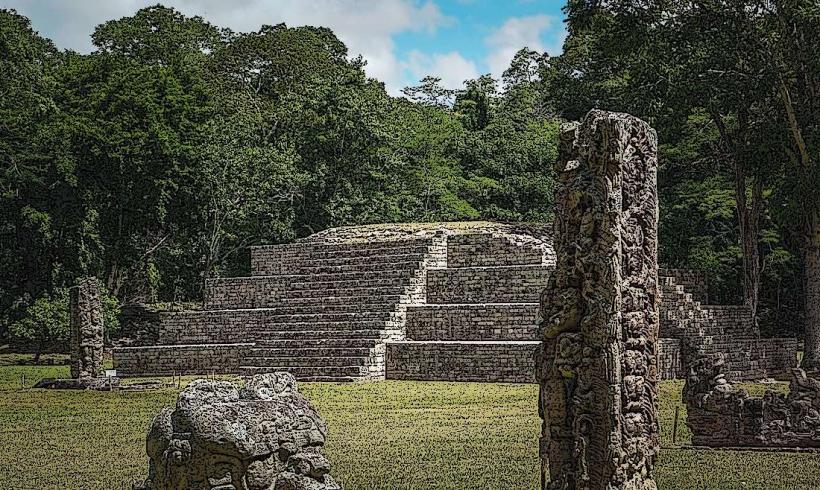
The Great Plaza (Featuring the stelae of King 18 Rabbit)
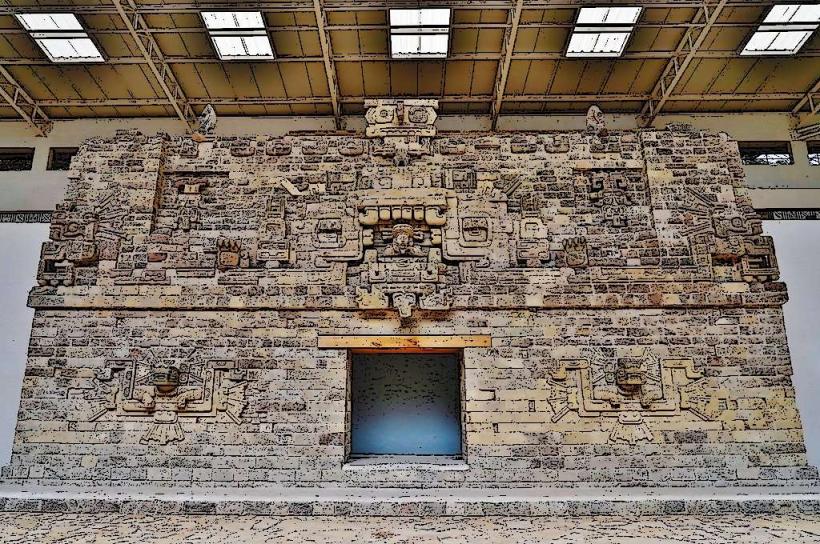
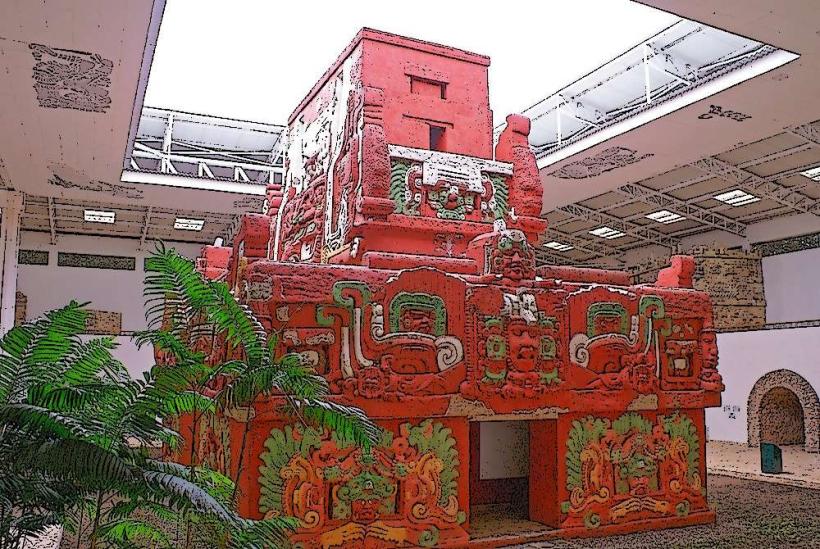
Temple 16 (Site of the buried Rosalila Temple)
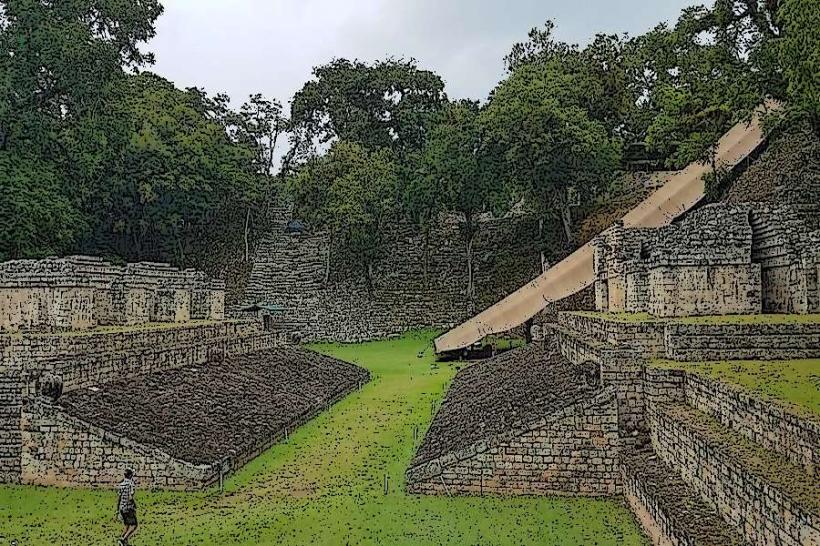
The Ball Court
Sculpture Museum of Copán
Transportation Network
Movement within the town is dominated by "Moto-taxis" (three-wheeled red tuk-tuks) which operate with flat rates for local trips. There is no metro, tram, or formal city bus system. Ride-sharing apps like Uber are not operational; transit to other cities is managed by private coach companies (Hedman Alas/Casasola) or specialized tourist shuttles to Antigua and San Pedro Sula. Traffic density is low, though steep cobblestone streets limit the speed of all vehicles.
Safety & "Red Zones"
The general safety level is very high, as it is one of the most secure municipalities in Honduras. There are no designated "red zones" within the town or the ruins. Visitors should avoid walking on unlit rural roads outside the town limits after 9:00 PM. Common scams are infrequent but include "fake guides" at the park entrance who lack official IHT (Honduran Institute of Tourism) credentials.
Digital & Financial Infrastructure
Average internet speed is 35 Mbps via fiber-optic and DSL. Main mobile carriers are Tigo and Claro. Card acceptance is high in mid-to-high-end hotels and restaurants, though a 5-10% surcharge is occasionally applied. ATMs are available in the Plaza Central (Banco Atlántida and BAC), but they frequently run out of cash during national holidays.
Climate & Air Quality
Temperatures typically range from 16°C to 30°C. The dry season (November–April) is clear and cooler, while the rainy season (May–October) brings heavy afternoon thunderstorms and high humidity. Air quality is excellent due to the surrounding mountain forests, though smoke from traditional wood-burning stoves can create a morning haze in residential barrios.
Culture & Social Norms
Tipping of 10% is standard in restaurants and often pre-included. Standard greetings involve a handshake and "Buenas"; it is considered polite to greet everyone in a small shop or cafe upon entry. Dress codes are casual-conservative; while shorts are acceptable for hiking the ruins, they are less common for evening dining. Smoking is prohibited inside the archaeological park and most hotels.
Accommodation Zones
Town Center: Recommended for walking access to the central plaza, museums, and dining.
Road to the Ruins (East): Recommended for quiet, high-end resorts within walking distance of the archaeological site.
Local Cost Index
1 Espresso: L40.00 ($1.62)
1 Standard Lunch (Typical Plate): L160.00 ($6.50)
1 Tuk-Tuk Trip (Within town): L25.00 ($1.01)
Nearby Day Trips
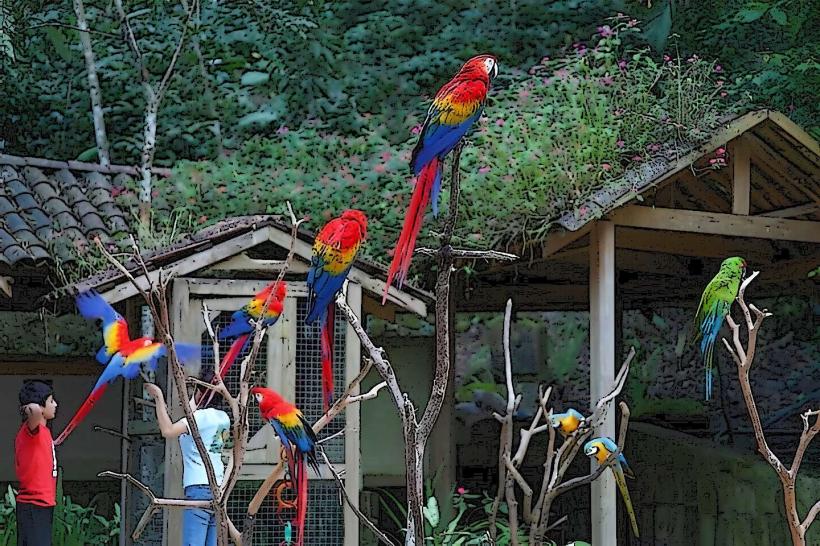
Macaw Mountain Bird Park: 3 km (10 mins)
Luna Jaguar Hot Springs: 22 km (45 mins)
Finca El Cisne (Coffee Tour): 25 km (60 mins)
Quiriguá Ruins (Guatemala): 95 km (2.5 hours including border crossing)
Facts & Legends
A verified historical oddity of Copán is the "Rosalila Temple," a 6th-century structure that was found completely intact underneath a larger pyramid (Temple 16). Unlike other Maya sites where old buildings were razed to build new ones, the Maya at Copán meticulously entombed Rosalila in plaster and soil, preserving its original red paint and elaborate stucco moldings. A local urban legend claims that the red macaws seen at the ruins are the reincarnated spirits of the city's ancient rulers, particularly King Yax K'uk' Mo' (Great Sun First Quetzal Macaw), who returns to watch over his kingdom.