Information
Landmark: Rastrojón Archaeological SiteCity: Copa Ruinas
Country: Honduras
Continent: North America
Rastrojón Archaeological Site, Copa Ruinas, Honduras, North America
The Rastrojón Archaeological Site is an important pre-Columbian archaeological site located near Copán Ruinas in western Honduras, close to the Guatemalan border. It is part of the broader Maya civilization cultural sphere and is considered a sister site to the more famous Copán Archaeological Site, though it is smaller and less well-known. Rastrojón provides valuable insights into the Maya civilization in the southern lowlands during the Pre-Classic and Classic periods.
Key Features of Rastrojón Archaeological Site
1. Historical Significance
- Rastrojón is believed to have been a Maya settlement that flourished during the Pre-Classic (approximately 1000 BC to 250 AD) and Classic periods (approximately 250 AD to 900 AD). It likely played a role in the larger political and trade networks of the Maya lowlands.
- Although smaller than Copán, the site provides important clues about the evolution of the Maya civilization, particularly in its early stages and the development of the region's urban centers.
2. Archaeological Discoveries
- The Rastrojón site was first excavated in the 1980s by archaeologists from Honduras and abroad, revealing a number of important architectural features, including platforms, plazas, and masonry structures.
- Evidence of Maya pottery and stone tools has been uncovered at the site, helping archaeologists understand daily life in the region. Artifacts suggest that Rastrojón was home to a thriving community engaged in agriculture, trade, and religious practices.
- The site is considered an important part of understanding the Maya urbanization process, as it offers insight into the types of structures and social organization present in the region before the rise of larger centers like Copán.
3. Architecture
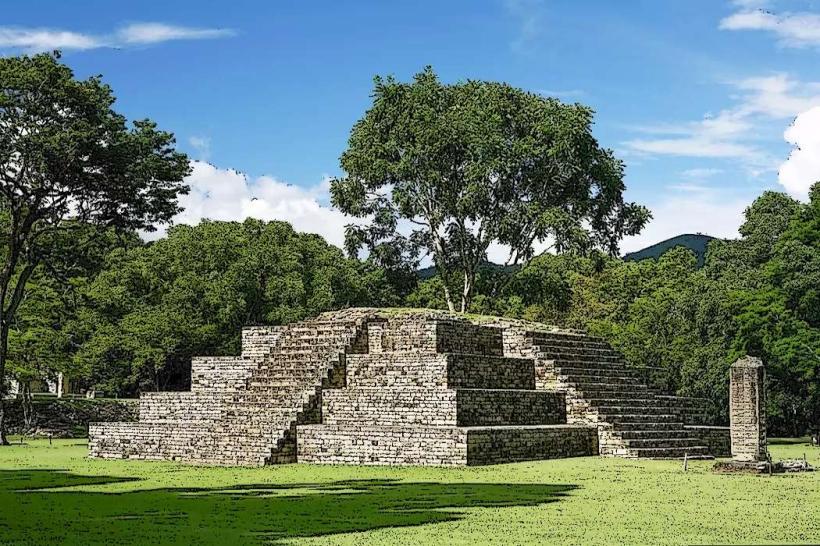
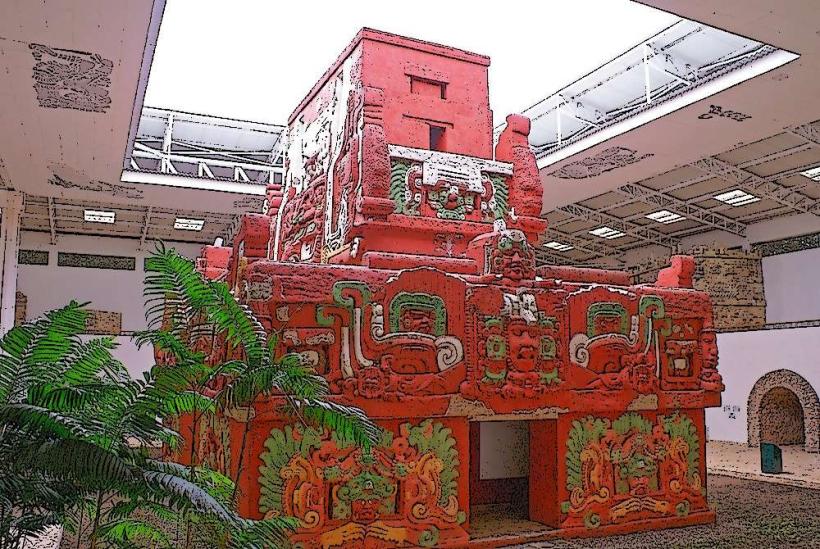
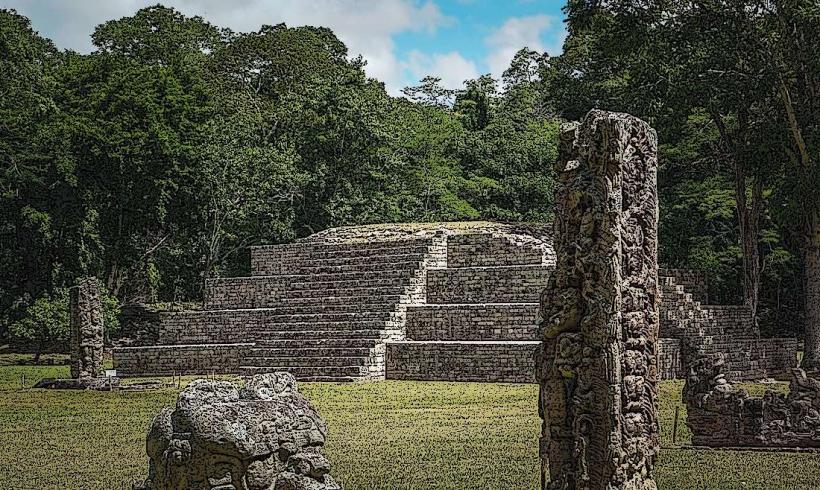
- The architecture of Rastrojón is similar to other Maya sites in the region, with stepped platforms, sacrificial altars, and pyramids. These structures were likely used for ceremonial and political functions.
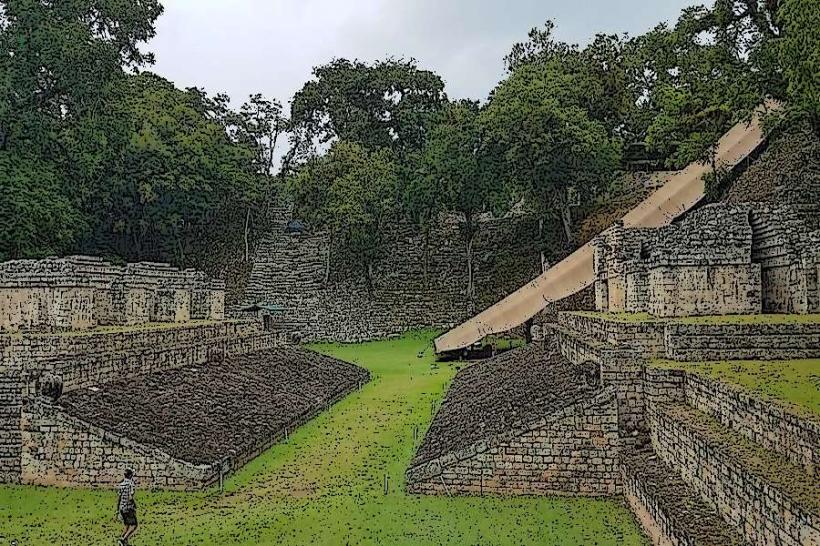
- The Central Plaza is a prominent feature of the site, where large gatherings and rituals likely took place. Other areas of the site include residential buildings and smaller platforms, which indicate a well-organized community with both public and private spaces.
4. Role in Maya Society
- Although not as large or as well-documented as Copán, Rastrojón still played an important role in the Maya political and religious landscape. Its proximity to Copán suggests that it may have been involved in the broader political and cultural developments of the region, including dynastic succession and ritual events.
- Some researchers believe that Rastrojón could have been a secondary or satellite site of Copán, providing a connection between the more central urban areas and the surrounding countryside.
5. Ritual and Ceremonial Significance
- Like other Maya sites, Rastrojón was likely a center for religious rituals. The presence of altars and ceremonial platforms suggests that the Maya people who lived here engaged in practices related to their gods and ancestral worship.
- The site’s location also suggests that it may have been an important place for conducting rituals tied to the agricultural calendar, with the Maya performing ceremonies to ensure good harvests and favorable weather.
How to Visit Rastrojón Archaeological Site
- Location: The Rastrojón site is located near the town of Copán Ruinas, which is easily accessible from San Pedro Sula and other parts of Honduras. Visitors can reach the site by car from Copán Ruinas, with a short drive to the archaeological area.
- Best Time to Visit: The best time to visit is during the dry season (from November to April), when the weather is pleasant for outdoor exploration. The site is open year-round for visitors.
- What to Bring: Comfortable walking shoes, a camera, sunscreen, and water to stay hydrated are essential when visiting the site. A hat or light clothing is also recommended for sun protection.
Why Visit Rastrojón Archaeological Site?
✅ Smaller, less-visited site offering a more tranquil and intimate experience of Maya history and archaeology.
✅ A chance to explore a Maya settlement that provides valuable insights into the Pre-Classic and Classic periods of Maya civilization.
✅ The site is close to Copán, making it a great complement for visitors already exploring the larger archaeological site.
✅ Ceremonial platforms, altars, and ancient buildings provide a glimpse into the ritual life of the ancient Maya.
✅ Ideal for archaeology enthusiasts and those seeking to deepen their understanding of the Maya civilization in the southern lowlands.
Conclusion
Rastrojón Archaeological Site is an important yet often overlooked site in the world of Maya archaeology. It offers a fascinating glimpse into the early stages of Maya civilization and serves as a valuable resource for understanding the region's history and development. With its impressive architecture, artifacts, and peaceful setting, Rastrojón is a hidden gem for travelers and archaeology enthusiasts interested in the rich cultural heritage of the Maya world. Whether you’re already visiting the more famous Copán Ruins or seeking a quieter experience of ancient Maya life, Rastrojón is a site that deserves attention.