Information
City: CorkCountry: Ireland
Continent: Europe
Cork, Ireland, Europe
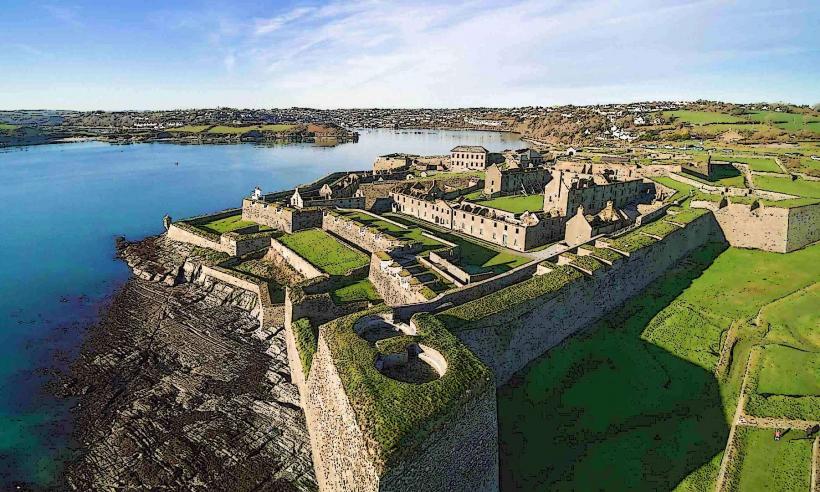
Cork functions as the primary economic and cultural hub of southern Ireland, situated on the River Lee which splits into two channels to create a central island housing the city core. It is the second-largest city in the Republic of Ireland and possesses one of the world’s largest natural harbors.
Historical Timeline
Cork originated as a 6th-century monastic settlement founded by Saint Finbarr. The primary era of governance shifted in the 9th century when Vikings established a significant trading port. Known as "The Rebel City," Cork earned its title through its support of the Yorkist cause in 1491 and its pivotal role during the Irish War of Independence (1919–1921). The primary event shaping the city's modern form was the 1920 "Burning of Cork" by British forces, which necessitated the large-scale reconstruction of the central commercial district around St. Patrick's Street.
Demographics & Population
The population of the city and its immediate suburbs is approximately 222,000. The demographic profile is increasingly diverse due to the presence of University College Cork (UCC) and the local headquarters of multinational firms like Apple. The median age is approximately 35.4 years.
Urban Layout & Key Districts
The city is characterized by steep hills to the north and a flat central island.
The Flat of the City: The commercial heart situated between the North and South channels of the River Lee.
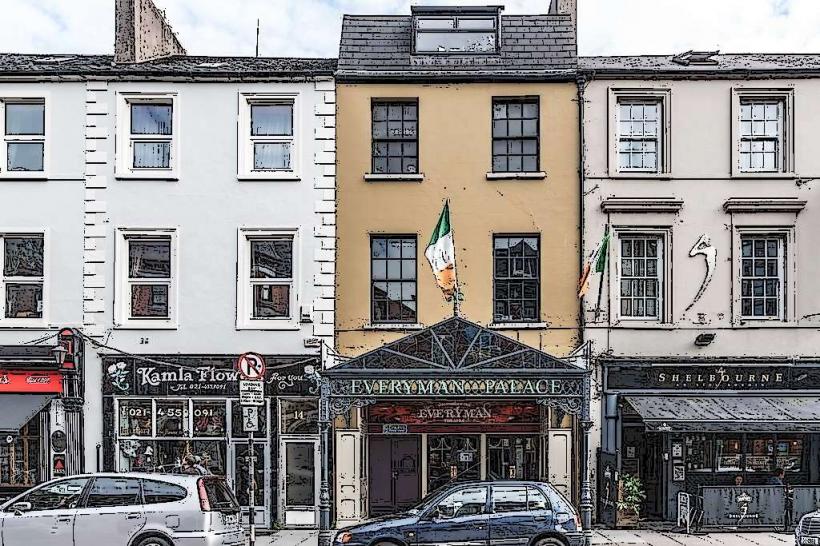
Victorian Quarter: Centered on MacCurtain Street, known for its architecture, independent retail, and hospitality.
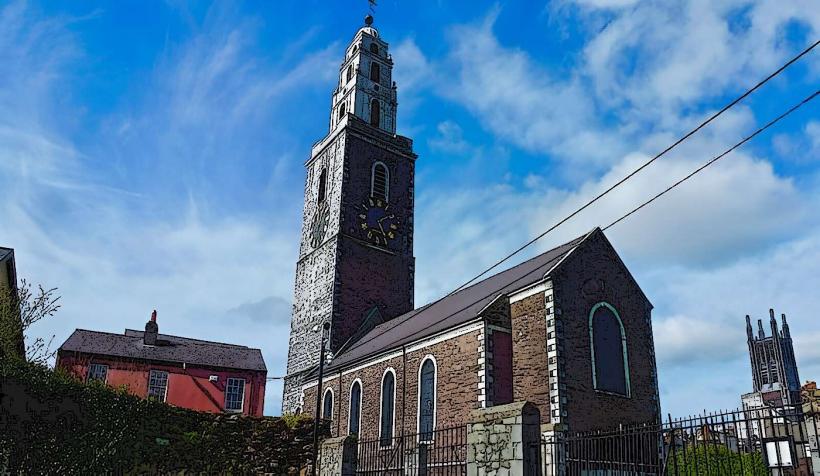
Shandon: A historic district on the northern hills home to the city’s most iconic landmarks.
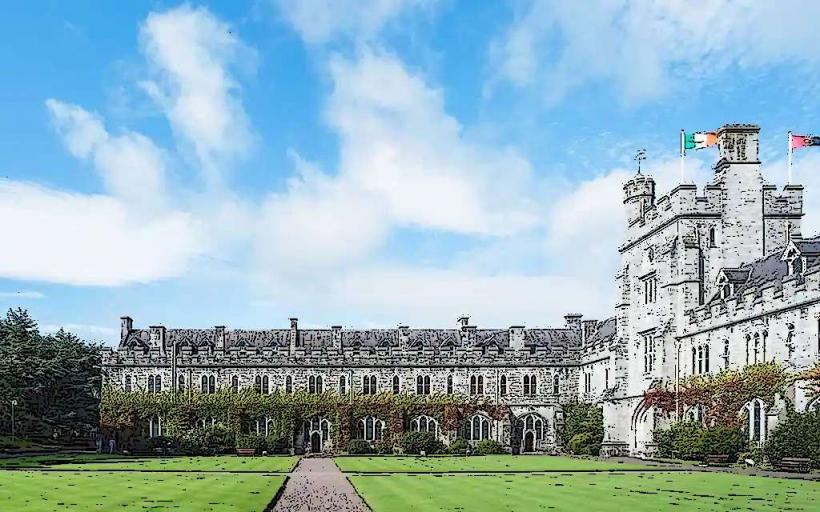
UCC / Western Road: The academic district dominated by the university's 19th-century limestone campus.
Marina / Docklands: A former industrial zone currently undergoing massive urban regeneration into a residential and tech hub.
Top City Landmarks
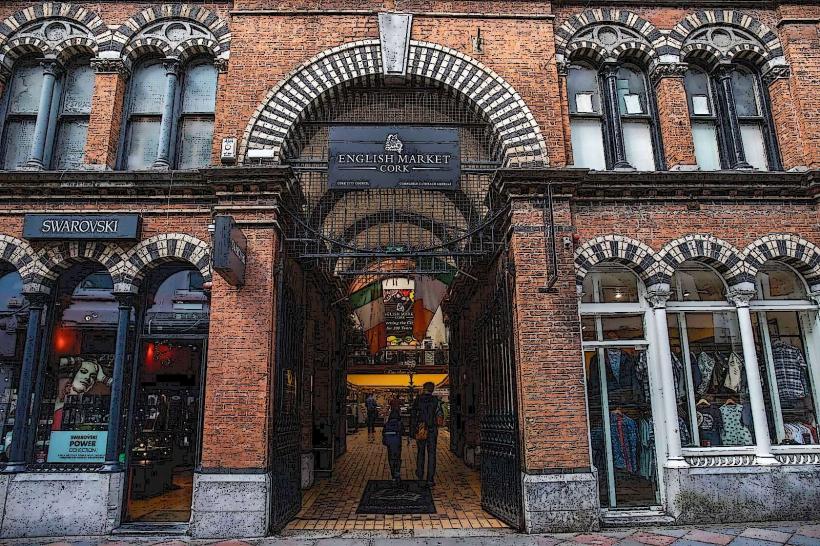
English Market: An enclosed 18th-century municipal food market, regarded as one of the finest in Europe.
Shandon Bells (St. Anne's Church): Famous for its 18th-century bells which visitors can ring; the tower features a gold salmon weather vane.
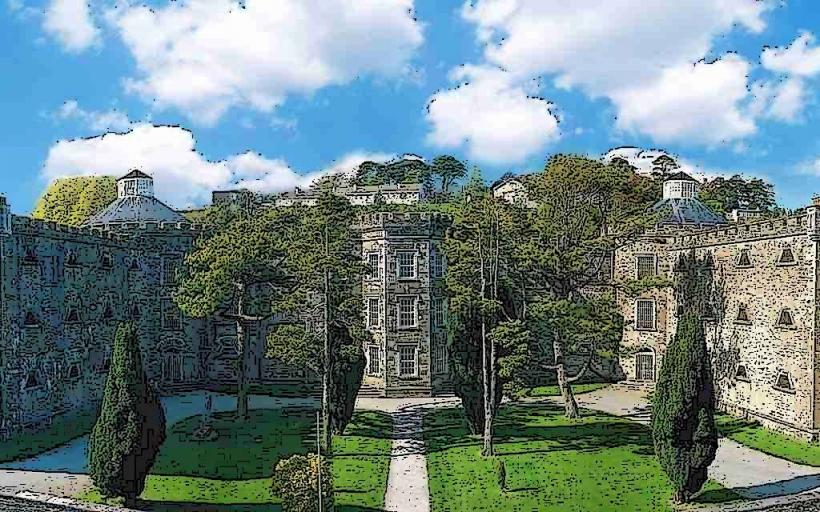
Cork City Gaol: A 19th-century prison located in the Sunday's Well district, now a museum.
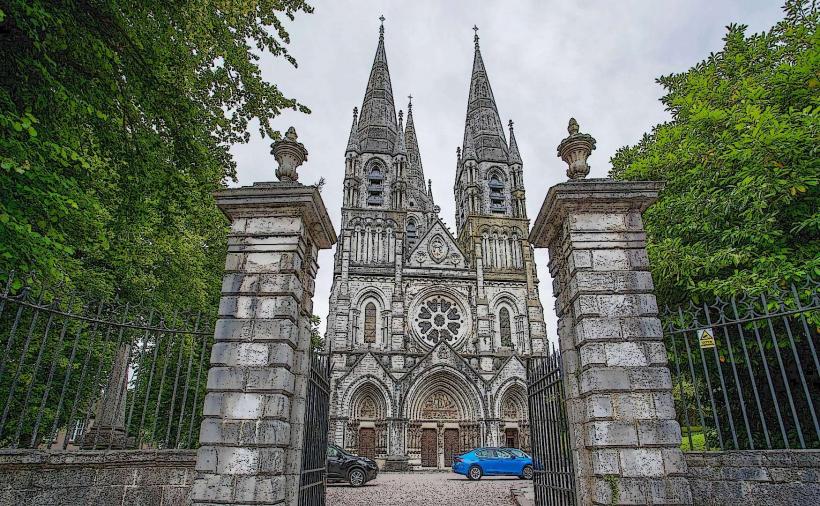
St. Fin Barre's Cathedral: A French Gothic triple-spired cathedral designed by William Burges.
University College Cork (UCC): Specifically the Main Quad and the Honan Chapel, noted for its Hiberno-Romanesque architecture.
Transportation Network
Movement is primarily facilitated by an extensive Bus Éireann network. There is no light rail or metro. The Kent Station serves as the primary rail hub, providing intercity links to Dublin and a suburban rail line to Cobh and Midleton. Taxis are ubiquitous; ride-sharing is limited to the Free Now app (using licensed taxis). Traffic is dense at the Parnell Place bus station and the Jack Lynch Tunnel.
Safety & "Red Zones"
The general safety level is very high. Crime is largely opportunistic. There are no definitive "red zones," though standard caution is advised in the immediate vicinity of the bus station and Oliver Plunkett Street in the very late hours. The northern suburbs of Knocknaheeny and Mayfield are primarily residential and lack tourist infrastructure.
Digital & Financial Infrastructure
Internet speeds are excellent, with widespread fiber-optic availability (100–1000 Mbps). 5G coverage is universal in the city center. Card and mobile payments (Apple/Google Pay) are standard. ATMs are widely available, particularly on St. Patrick's Street and Grand Parade.
Climate & Air Quality
Cork has a maritime temperate climate with high rainfall. Daytime temperatures range from 8°C in January to 19°C in July. The city is prone to tidal flooding when high tides coincide with low atmospheric pressure. Air quality is generally high, though localized smoke can occur in winter due to domestic fuel burning in older districts.
Culture & Social Norms
Cork residents possess a strong regional identity, often referring to Cork as "The Real Capital." The local accent is high-pitched and melodic. Tipping is standard in restaurants (10%) but not required in bars. Social life is centered around independent pubs and traditional music sessions (trad). The city is a major culinary center, emphasizing local produce like Drisheen and Spiced Beef.
Accommodation Zones
City Center: Recommended for proximity to the English Market and nightlife.
Victorian Quarter (MacCurtain St): Recommended for a boutique feel and proximity to Kent Station.
Montenotte: Recommended for luxury stays with elevated views of the harbor.
Local Cost Index
1 Espresso: €3.00 ($3.25 USD)
1 Pint of Murphy's/Beamish: €5.50–€6.50 ($6.00–$7.00 USD)
1 Standard Lunch: €14.00–€18.00 ($15.20–$19.50 USD)
Nearby Day Trips
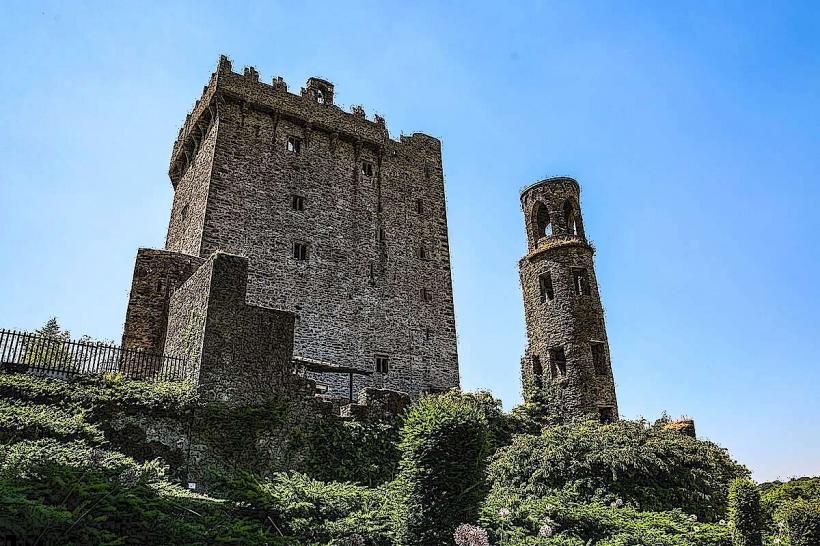
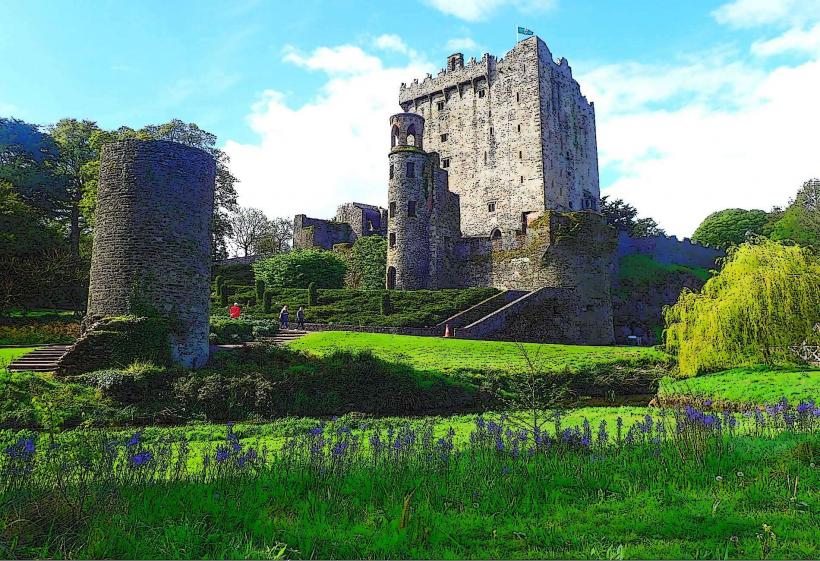
Blarney Castle: 8 km north; home to the Blarney Stone.
Kinsale: 25 km south; a colorful coastal town known as Ireland's gourmet capital.
Cobh: 20 km east; the final port of call for the RMS Titanic.
Fota Wildlife Park: 15 km east; accessible via suburban rail.
Facts & Legends
Cork is the birthplace of the local stouts Murphy's and Beamish, which compete with Dublin's Guinness. A verified historical fact is that the city’s main street (St. Patrick's Street) was built over a river channel. A local legend states that if the gold salmon weather vane on Shandon Bells points toward the harbor, it signifies good fortune for the city's merchants.