Information
Landmark: Shandon Bells and TowerCity: Cork
Country: Ireland
Continent: Europe
Shandon Bells and Tower, Cork, Ireland, Europe
The Shandon Bells and Tower, located at the Church of St. Anne in the Shandon district of Cork, is a prominent 18th-century landmark and belfry. It occupies a hilltop position on the north side of the River Lee, serving as one of the city's most recognizable architectural features.
Visual Characteristics
The tower is a 37-meter-tall square structure distinctive for its "pepper pot" design and its use of two different materials: red sandstone on the north and east sides and white limestone on the south and west sides. The tower is capped by a tiered cupola topped with a four-meter-long gold-leafed salmon-shaped weathercock. Internally, the belfry houses eight bells, each weighing between 340kg and 1,500kg.
Location & Access Logistics
The tower is situated at Church Street, Shandon, Cork City. It is a 0.5km walk north from the city center via St. Patrick's Bridge and Opera Lane. Public transport is available via the 202 bus line, stopping at Cathedral Street. No dedicated parking is provided; the nearest commercial lot is the Q-Park Carroll’s Quay, located 0.3km to the south.
Historical & Ecological Origin
The current church and tower were completed in 1722 on the site of two previous churches destroyed in the 1690 Siege of Cork. The bells were cast in Gloucester, England, by Abel Rudhall in 1750 and first rung on December 7, 1752. The tower’s unique red and white color scheme utilizes salvaged stone from the ruins of Shandon Castle and the Franciscan Abbey.
Key Highlights & Activities
Visitors are permitted to climb the 132 steps to the belfry level, where they may manually ring the eight bells using a system of numbered cords. The upper balconies provide 360-degree panoramic views of Cork City. Below the belfry, the original 18th-century internal clock mechanism, known locally as "The Four-Faced Liar," is visible through viewing glass.
Infrastructure & Amenities
The ground floor contains a small reception and gift shop. Public restrooms are not available within the tower but can be found at the nearby Cork Butter Museum (0.1km). 5G and 4G cellular signals are consistently strong due to the elevated urban location. Steep, narrow stone stairs are the only means of ascent, making the upper levels inaccessible to mobility-impaired visitors.
Best Time to Visit
Optimal exterior photography lighting occurs in the late afternoon when the south-facing limestone walls are fully illuminated. For ringing the bells without long queues, arrival at 10:00 (Monday–Saturday) or 11:30 (Sunday) is recommended. The tower is subject to closure during active church services and funerals.
Facts & Legends
The tower clock is nicknamed "The Four-Faced Liar" because the four clock faces rarely show the exact same time due to wind resistance on the hands. A historical oddity is the "Goldie Fish" weathercock, which was chosen as a salmon to represent the importance of the local salmon fishing industry in the River Lee during the 1700s.
Nearby Landmarks
Cork Butter Museum – 0.1km West
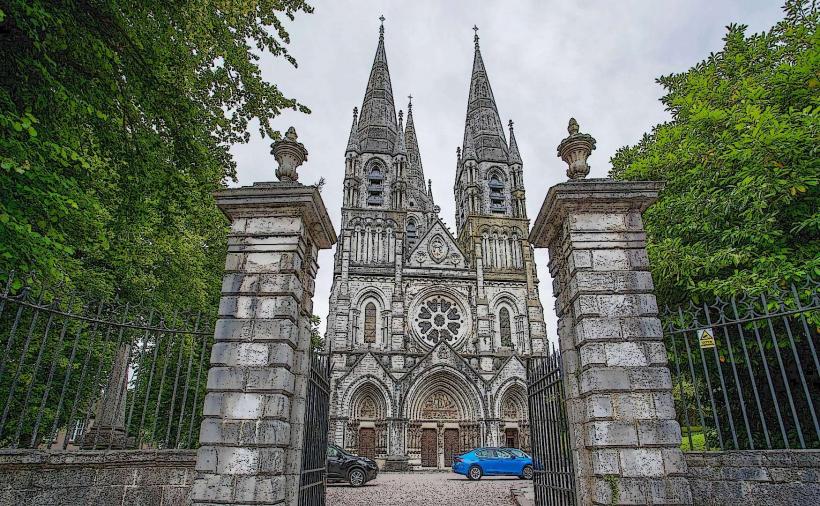
Cathedral of St. Mary and St. Anne – 0.2km Northwest
Cork Opera House – 0.4km South
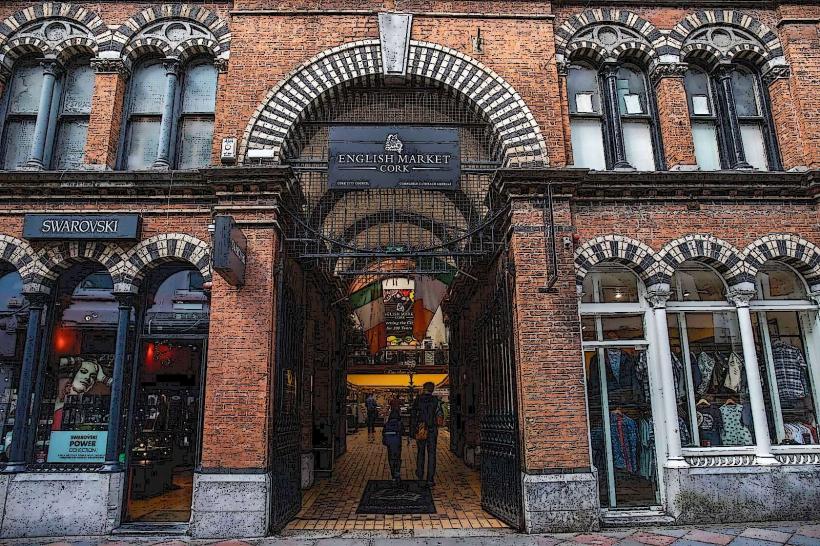
The English Market – 0.7km South
Elizabeth Fort – 1.3km Southwest