Information
City: Dickenson BayCountry: Antigua and Barbuda
Continent: North America
Dickenson Bay, Antigua and Barbuda, North America
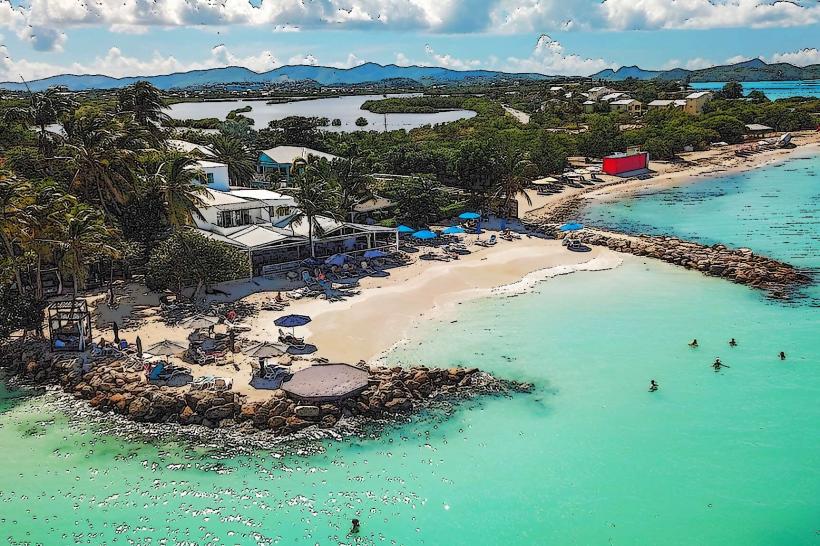
Dickenson Bay is a primary tourism and residential district in Antigua and Barbuda, serving as the country’s most developed resort corridor. It is located on the northwestern coast of Antigua, approximately 4 kilometers north of the capital, St. John’s.
Historical Timeline
Dickenson Bay transitioned from an agricultural and fishing area to a tourism hub in the late 1960s. Governance has remained under the Antiguan central administration throughout its development. The most significant architectural reconstruction occurred following Hurricane Luis in 1995, which destroyed much of the beachfront infrastructure and led to the building of more resilient, modern resort complexes. The primary event shaping the current urban form was the opening of the first major international resorts in the 1970s, which established the bay as the island’s flagship "sun and sand" destination.
Demographics & Population
The permanent residential population of the Dickenson Bay and Runaway Bay area is approximately 2,000. During the peak winter season, the effective population doubles due to high-density resort occupancy. The demographics consist of Afro-Antiguans, a significant community of hospitality professionals from the wider Caribbean, and European and North American expatriates. The median age is approximately 34 years.
Urban Layout & Key Districts
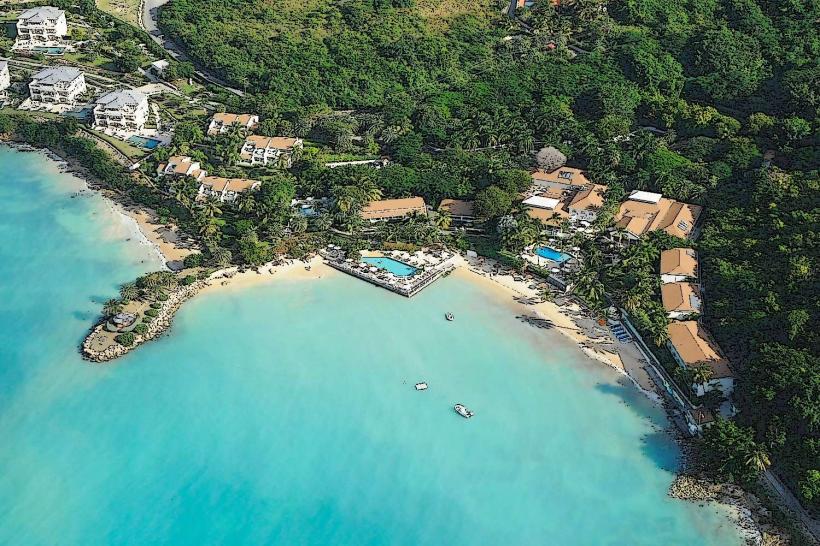
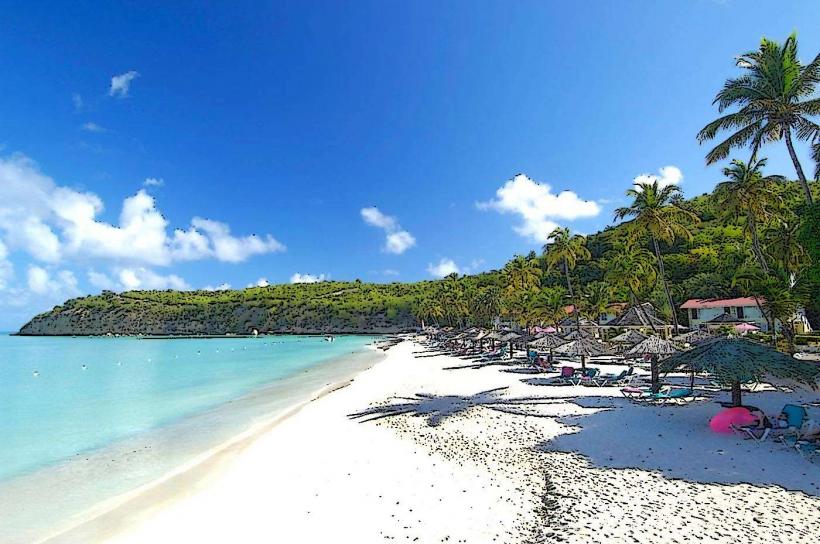
The area is organized linearly along the coastline, with the main road (Dickenson Bay Street) running parallel to the shore. The 2 most important districts are the Resort Strip (the beachfront area containing high-end hotels and restaurants, located West) and the Upper Residential Tier (containing villas and apartments on the hills overlooking the bay, located East).
Top City Landmarks
The "Floating Bar" (Kon Tiki)
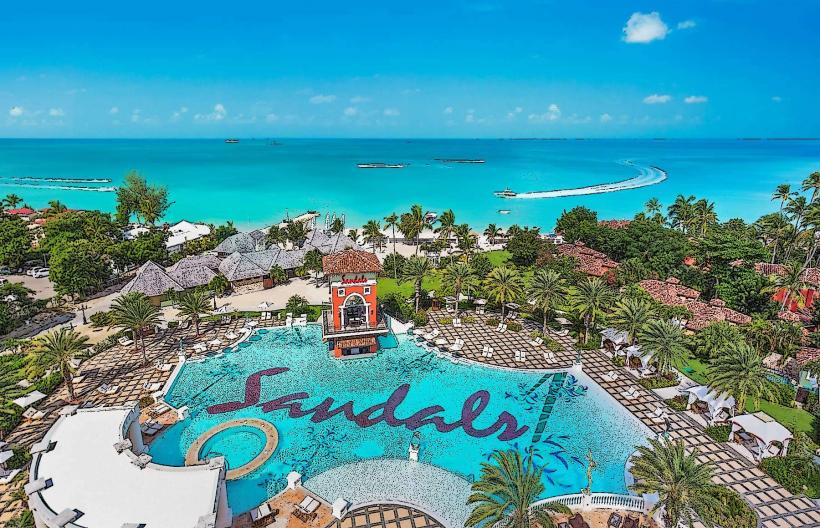
Sandals Grande Antigua (Architectural landmark)
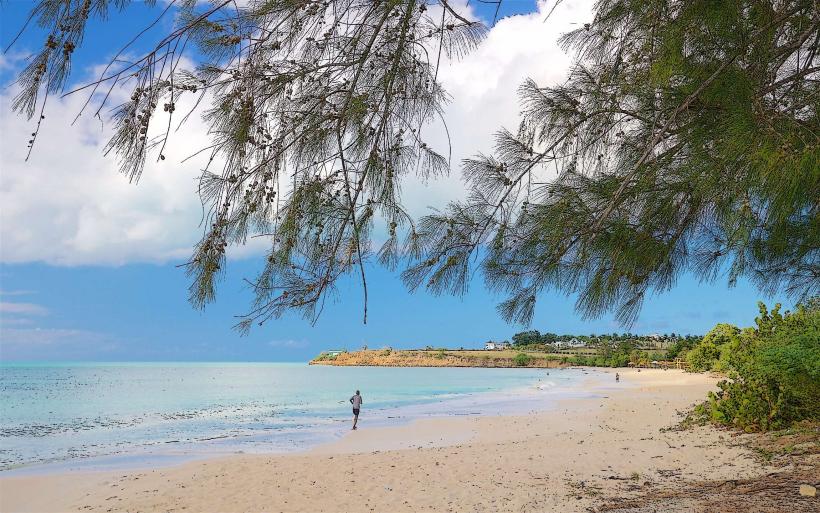
Corbinson Point
Transportation Network
Movement within Dickenson Bay is primarily pedestrian along the beach or via private vehicle. There is no metro, tram, or rail system. Public transportation is served by Route 40 and 42 mini-vans, which connect the area to the St. John’s West Bus Station. Ride-sharing apps do not operate; transport relies on official "TX" taxis stationed at resort entrances, which use fixed government rates. Traffic density is low, except during the evening dining rush.
Safety & "Red Zones"
The general safety level is high due to the heavy presence of private security and tourist police. There are no specific "red zones" within the bay area. Common risks include petty theft of unattended items on the beach and occasional aggressive solicitation from unlicensed jet-ski operators.
Digital & Financial Infrastructure
Internet speeds average 40–70 Mbps, with fiber-optic connections standard in major resorts. Main mobile carriers are Flow and Digicel. Card acceptance is nearly universal in hotels and restaurants, but cash (XCD or USD) is required for local bus fares and small beach vendors. The nearest ATMs are located at the Epicurean Supermarket and bank branches in the nearby Friars Hill area.
Climate & Air Quality
Temperatures range from 23°C to 29°C in winter and 25°C to 31°C in summer. Air quality is excellent, influenced by steady Atlantic trade winds. Specific weather risks include high humidity and the Atlantic hurricane season (June–November), which can cause significant coastal surges in this northwestern exposure.
Culture & Social Norms
Tipping of 10–15% is standard. A formal greeting is required before any social interaction. Dress codes are strictly enforced; swimwear is prohibited on the public roads and inside commercial establishments away from the immediate shoreline. Camouflage clothing is illegal for all civilians.
Accommodation Zones
Beachfront Strip: Stay here for immediate sea access and proximity to the highest concentration of dining and nightlife.
Crosbies/Blue Waters: Stay here for a quieter, more exclusive residential experience just North of the main bay.
Local Cost Index
1 Espresso: 12.00 XCD ($4.45 USD)
1 Standard Lunch: 65.00 XCD ($24.05 USD)
1 Bus Ticket (to St. John's): 2.50 XCD ($0.95 USD)
Nearby Day Trips
St. John’s (Capital): 4 km (10 minutes by car)
Cedar Valley Golf Course: 3 km (5 minutes by car)
Prickly Pear Island: 2 km (10-minute boat trip)
V.C. Bird International Airport: 8 km (15 minutes by car)
Facts & Legends
Dickenson Bay is home to one of the most photographed telephone booths in the world-a traditional red British kiosk situated directly on the sand, a remnant of the island's colonial history. A local historical oddity is that the bay was once considered a primary defensive weak point; the ruins of nearby Fort Corbinson were established specifically to prevent naval incursions into this relatively calm, accessible stretch of coastline.