Information
City: DillonCountry: USA Montana
Continent: North America
Dillon, USA Montana, North America
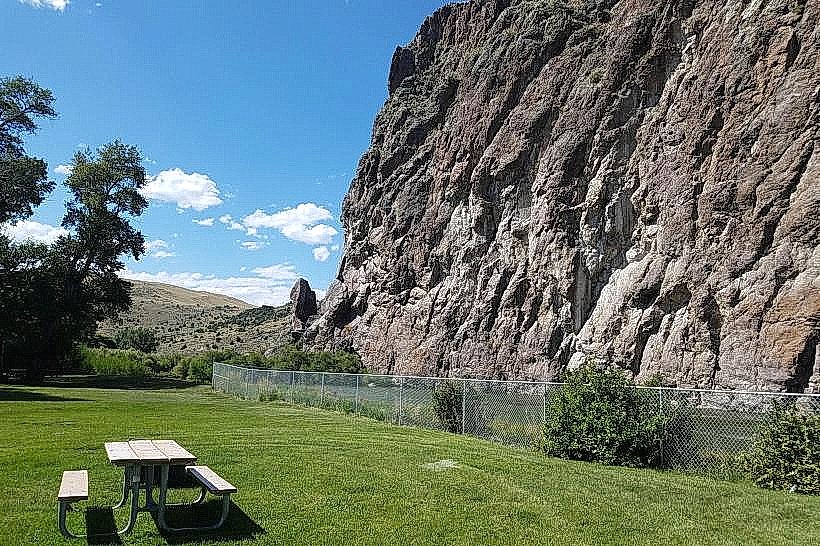
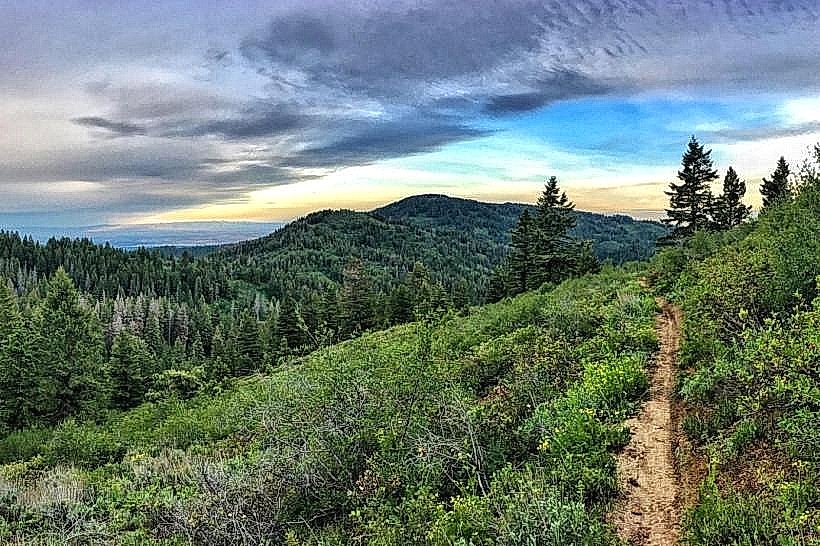
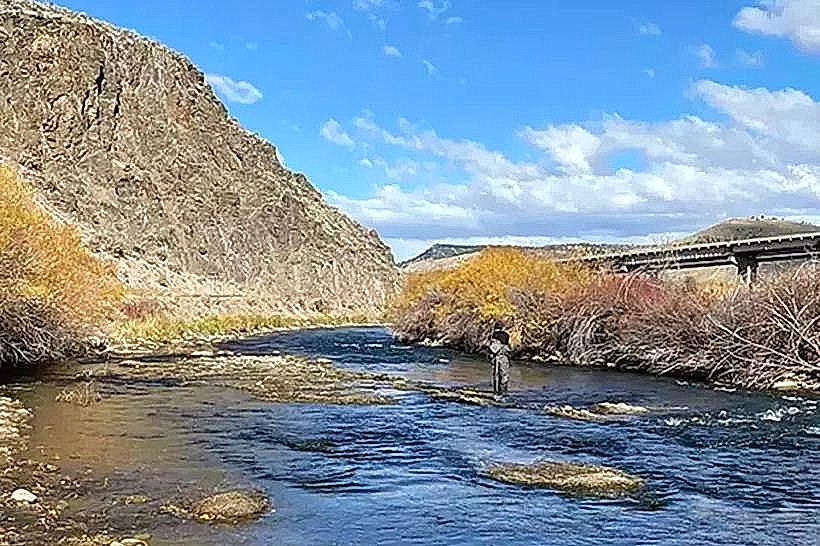
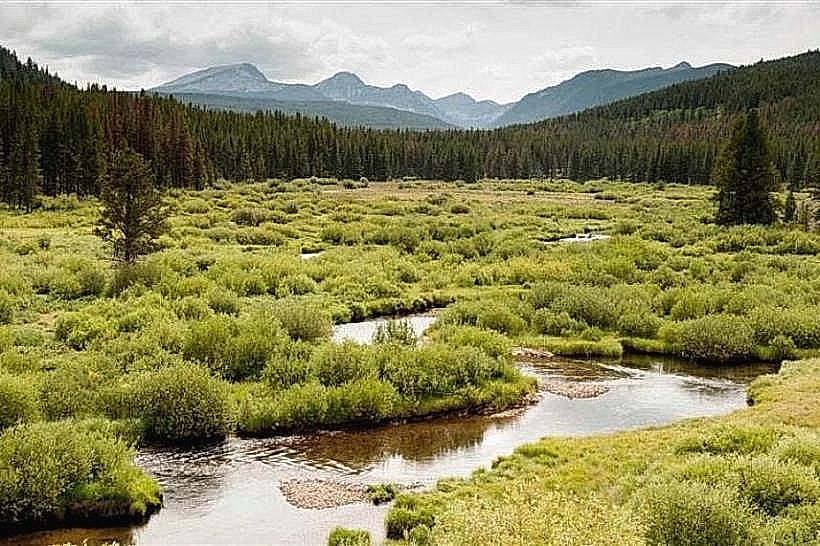
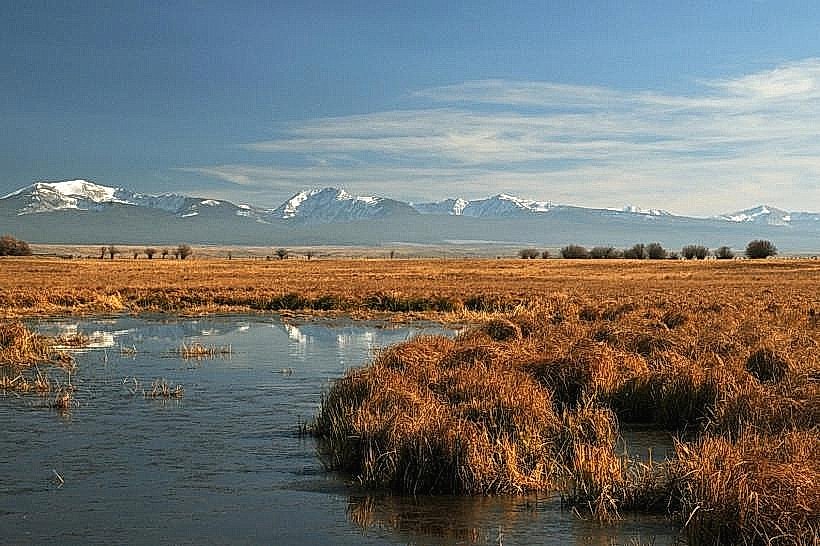
Dillon serves as the administrative seat of Beaverhead County and acts as a primary trade center for the ranching and hay-production industries of Southwest Montana. It is situated in the Beaverhead River valley, flanked by the Pioneer and Blacktail mountain ranges.
Historical Timeline
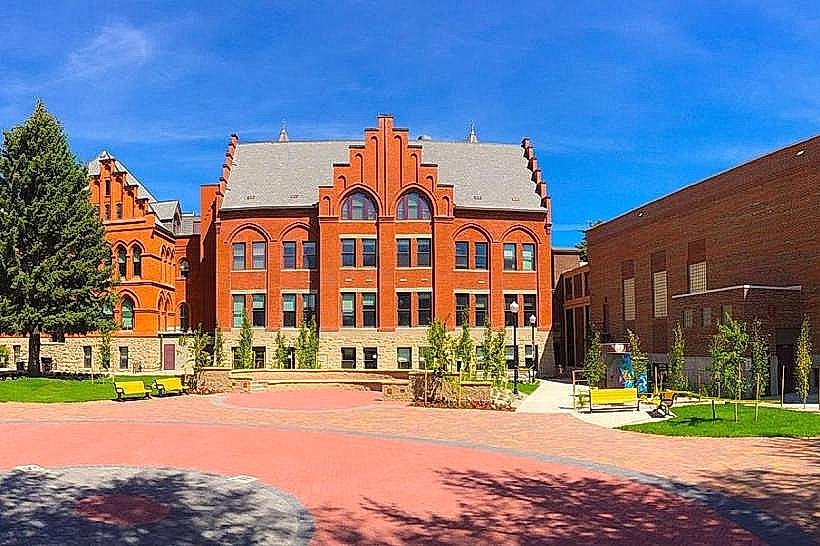
Dillon was founded in 1880 as a terminus for the Utah and Northern Railroad, which bypassed the nearby mining camp of Bannack. The city was incorporated in 1884 and transitioned from a rail-head for mining supplies to a global hub for wool and livestock exports. The most significant architectural event was the establishment of the Montana State Normal School (now University of Montana Western) in 1893, which introduced brick-and-mortar institutional architecture to the timber-frame town. The primary event shaping the modern urban form was the construction of Interstate 15 in the 1960s, which shifted commercial activity toward the western periphery.
Demographics & Population
The population within city limits is approximately 3,900. The primary demographics are White (89.5%), Hispanic (5.8%), and Native American (1.2%). The median age is 33.7 years, heavily influenced by the presence of the local university.
Urban Layout & Key Districts
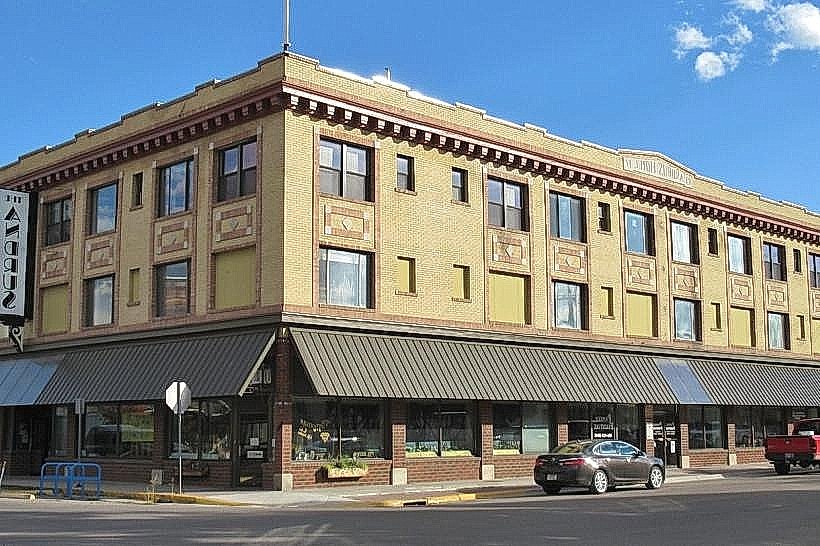
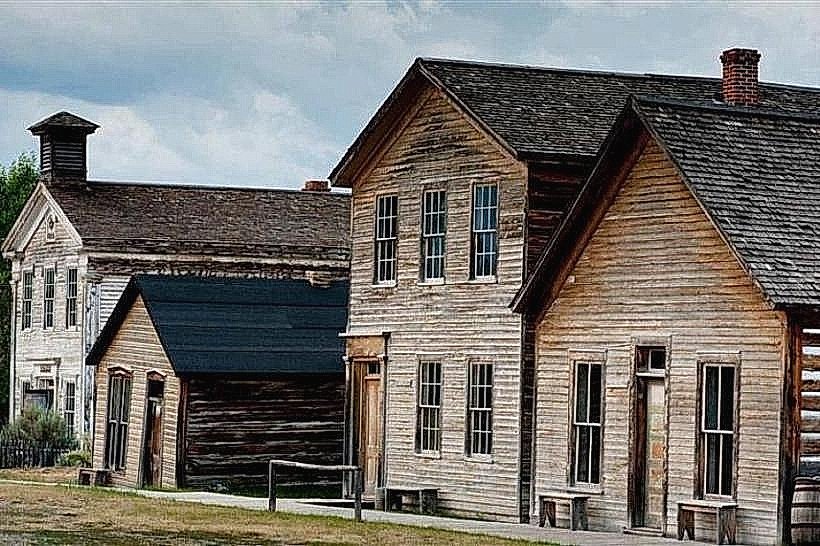
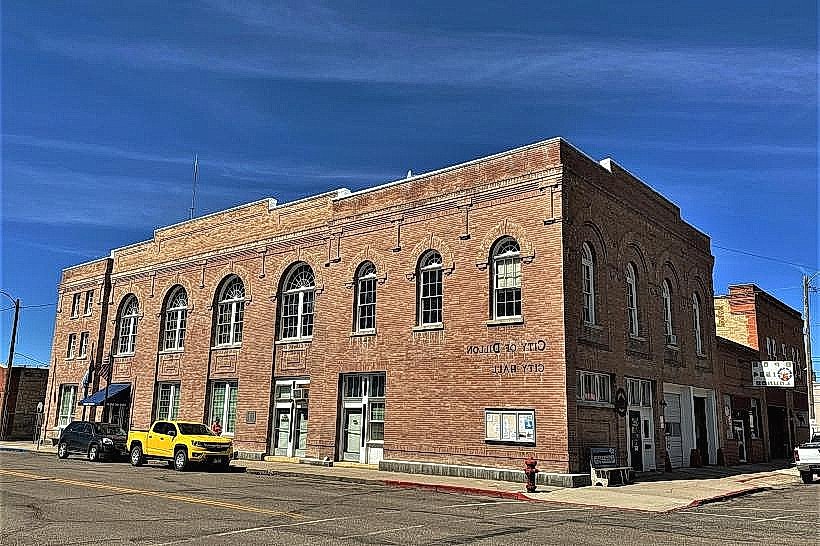
The city is organized on a grid oriented toward the former railroad tracks. The Downtown Historic District contains the original commercial core and several blocks of preserved 19th-century architecture. The University District is located on the southern edge of the central grid, while the Highway Corridor (I-15) on the western edge houses modern logistics and hospitality services.
Top City Landmarks
Beaverhead County High School (Historic brick structure)
University of Montana Western Campus
The Metlen Hotel (Built in 1897)
Patagonia Outlet (A significant regional commercial landmark)
Transportation Network
Movement within Dillon is predominantly by private vehicle. There is no metro, tram, or fixed-route bus system. The city is highly walkable within the central grid and university area. Ride-sharing apps like Uber/Lyft have no active presence; transportation for those without vehicles is limited to private charter or regional shuttle services such as Salt Lake Express for interstate travel. Traffic density is very low, with minor congestion limited to Atlantic Street during school hours.
Safety & "Red Zones"
The general safety level is very high. There are no neighborhoods or streets designated as unsafe. Common scams are not a factor. The primary safety concern is environmental, specifically regarding extreme winter temperatures and high-wind events on Interstate 15.
Digital & Financial Infrastructure
Average internet speed is 100-300 Mbps via Spectrum or local provider Southern Montana Telephone (SMT). Main mobile carriers are Verizon and AT&T. Card acceptance is high across all retail and service sectors. ATMs are located at Pioneer Federal Savings and Loan and Stockman Bank branches.
Climate & Air Quality
Temperatures range from -14°C in January to 28°C in July. Dillon is located in a high-altitude basin, leading to frequent temperature inversions in winter. Air quality is generally excellent, though the valley can trap smoke from regional forest fires during late summer months.
Culture & Social Norms
Tipping of 15-20% is standard in dining establishments. Handshakes are the common greeting. Dress is casual and utilitarian, reflecting the local ranching and outdoor recreation culture. Montana law prohibits smoking in all public indoor spaces, including bars and restaurants.
Accommodation Zones
Stay in the Downtown Historic District for proximity to the Metlen Hotel and local eateries.
Stay near the I-15 Interchanges (North or South) for standard hotel chains and easy highway access.
Local Cost Index
1 Espresso: $4.25 (750 JPY)
1 Standard Lunch: $14.50 (2,560 JPY)
1 Gallon of Gasoline (transit reference): $3.50 (618 JPY)
Nearby Day Trips
Bannack State Park (25 miles west)
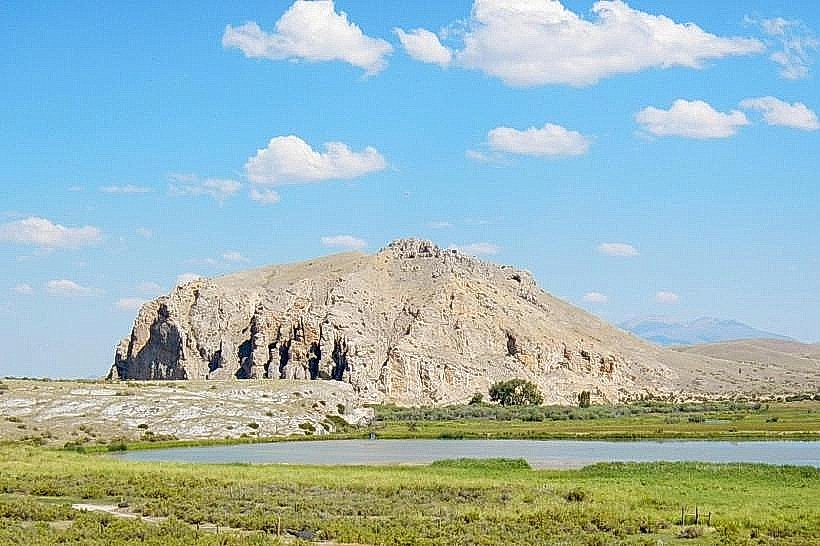
Clark Canyon Reservoir (20 miles south)
Crystal Park (45 miles northwest)
Big Hole National Battlefield (75 miles west)
Facts & Legends
Dillon was once known as the "Wool Capital of the World" during the early 20th century, with its local warehouses handling more raw wool than any other site in the United States. A local historical oddity involves the Metlen Hotel, which is rumored to have served as a temporary site for high-stakes poker games where entire ranches were wagered during the peak of the sheep-ranching era.