Information
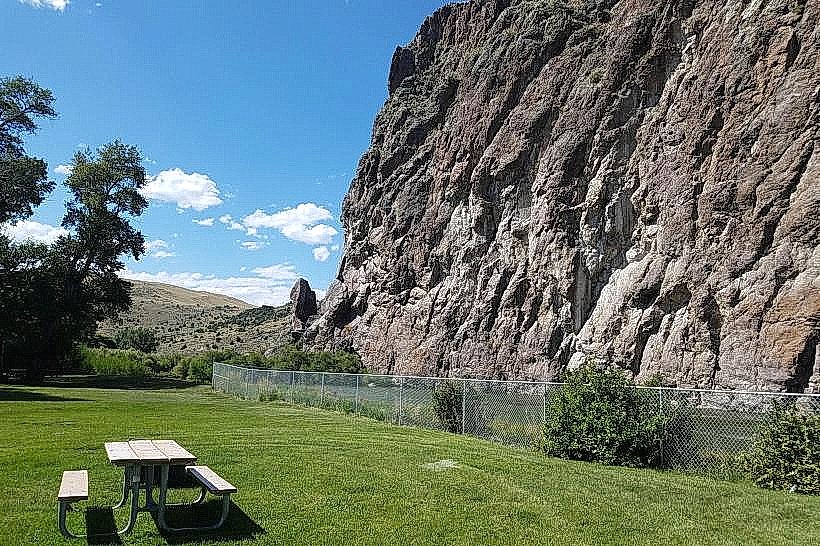
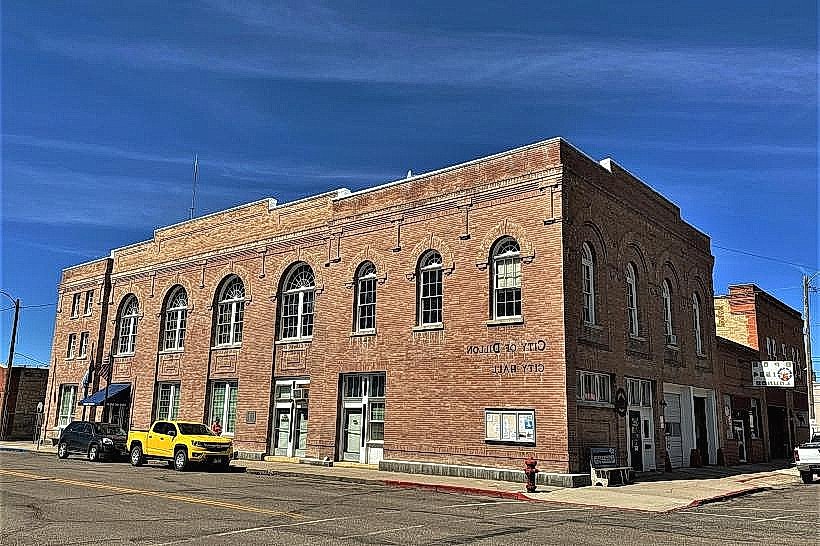
Landmark: University of Montana Western CampusCity: Dillon
Country: USA Montana
Continent: North America
University of Montana Western Campus, Dillon, USA Montana, North America
San Juan National Forest is a protected area located in southwestern Colorado, USA.
Visual Characteristics
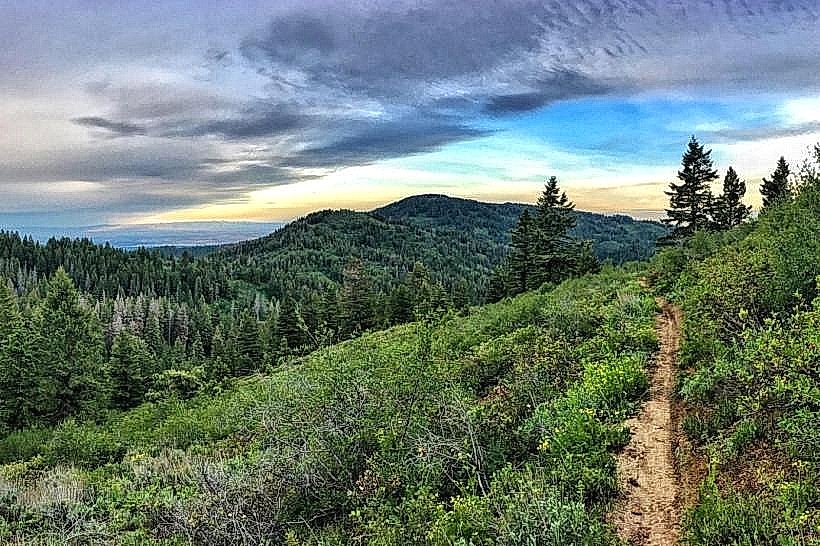
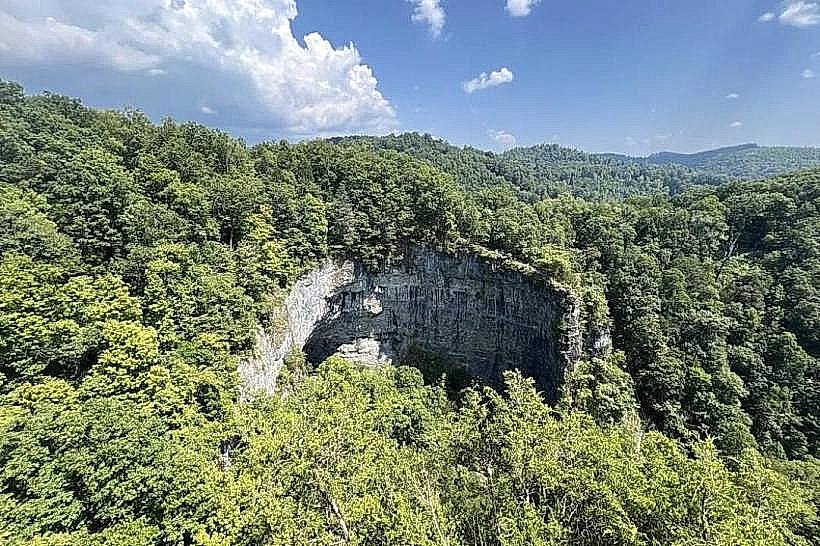
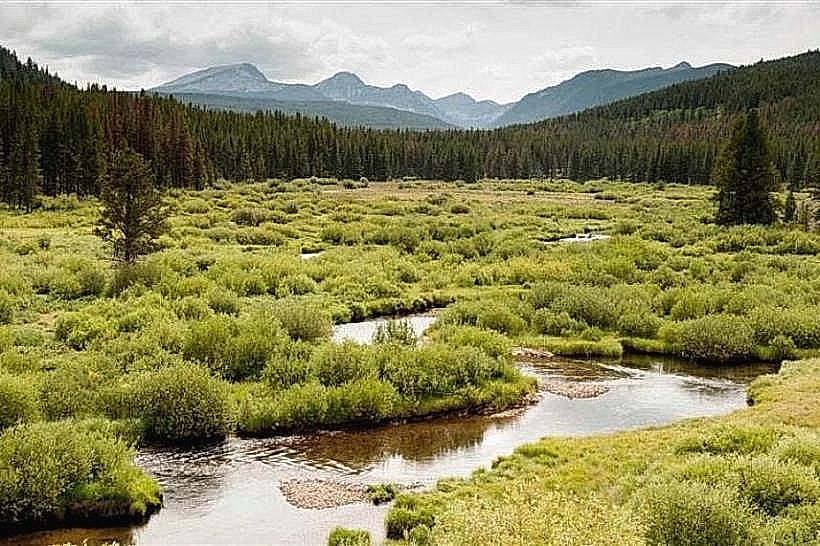
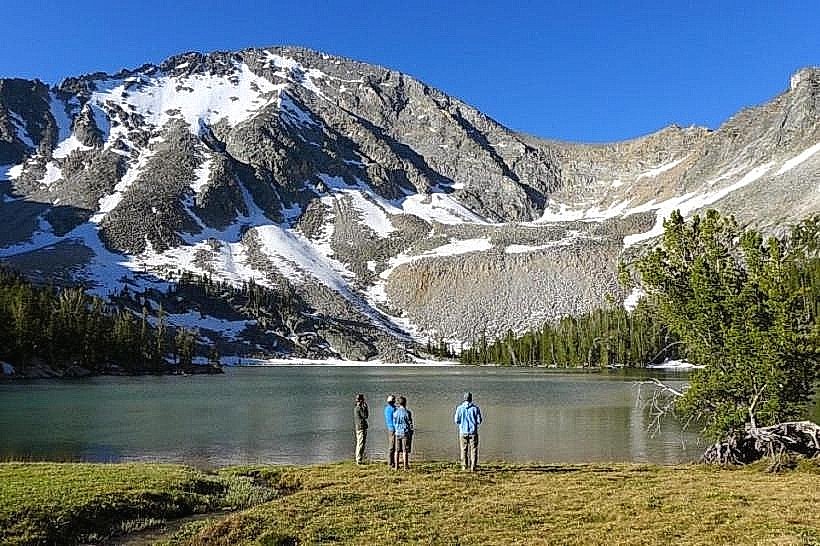
The forest encompasses diverse terrain, including dense conifer forests (primarily spruce and fir), aspen groves, alpine meadows, and rugged mountain peaks. Elevations range from approximately 6,500 feet to over 14,000 feet. Rock formations include granite and sedimentary layers. Water bodies within the forest are typically clear mountain streams and lakes.
Location & Access Logistics
San Juan National Forest is situated south and west of Durango, Colorado. Access is primarily via U.S. Highway 160 and Colorado State Highway 550. Numerous forest roads, often unpaved and requiring high-clearance vehicles, branch off these main routes. The nearest major airport is Durango-La Plata County Airport (DRO), approximately 20 miles south of Durango. Limited public transportation exists within the forest itself; visitors rely on personal vehicles. Several developed campgrounds are available, requiring reservations during peak season.
Historical & Ecological Origin
San Juan National Forest was established as a National Forest on July 24, 1902. Its origin lies in the conservation efforts of the early 20th century, aiming to protect timber resources and watersheds. Ecologically, the area is part of the Southern Rocky Mountains ecoregion, characterized by montane and subalpine forest ecosystems shaped by glacial activity and geological uplift.
Key Highlights & Activities
Hiking is a primary activity, with trails such as the Colorado Trail and the Continental Divide Trail passing through the forest. Opportunities exist for backpacking, camping, fishing in designated streams and lakes, and wildlife viewing. During winter months, activities include snowshoeing and cross-country skiing in specific areas. Off-road vehicle use is permitted on designated forest roads.
Infrastructure & Amenities
Restrooms are available at developed campgrounds and some trailheads. Shade is abundant within forested areas. Cell phone signal is intermittent and generally unreliable in most remote sections of the forest. Limited food vendors are located in gateway communities like Durango and Silverton; no vendors operate within the forest boundaries.
Best Time to Visit
The best months for hiking and general visitation are from June through September, when snow has receded from most trails. Mid-morning to late afternoon offers optimal lighting for photography. For wildflower viewing, July and August are recommended. Winter access is limited to snow-covered roads and trails.
Facts & Legends
The San Juan Mountains are known for their rich mining history. A specific point of interest is the remains of the historic mining town of Animas Forks, accessible via a rough forest road. Local lore often speaks of prospectors' lost claims and the challenging conditions faced by early settlers in this rugged terrain.
Nearby Landmarks
- Molas Pass (15km North)
- Silverton (40km North)
- Mesa Verde National Park (70km West)
- Durango & Silverton Narrow Gauge Railroad (Starts in Durango, 5km South)
- San Juan Skyway Scenic Byway (Circumnavigates the region)