Information
City: DublinCountry: Ireland
Continent: Europe
Dublin, Ireland, Europe
Dublin functions as the capital and primary economic center of the Republic of Ireland, situated at the mouth of the River Liffey on the country's eastern coast. It serves as a major European hub for the technology, finance, and pharmaceutical sectors.
Historical Timeline
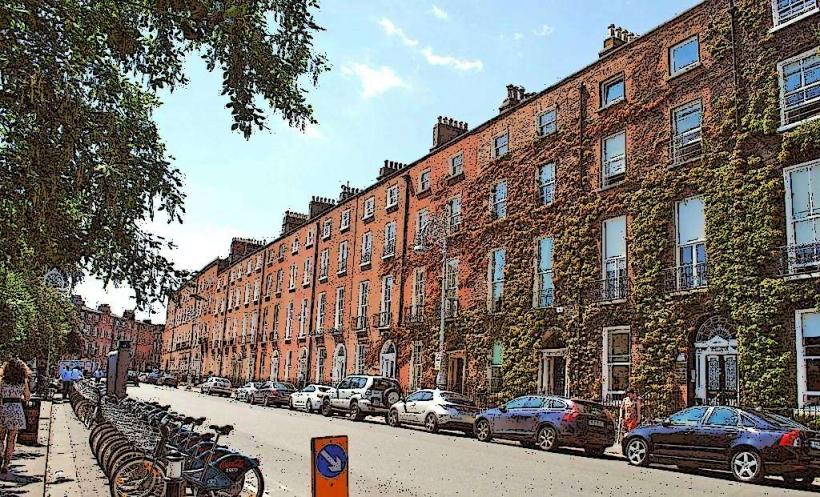
Dublin was established as a Viking settlement in the 9th century (Dubh Linn). The primary era of governance shifted in 1171 with the Anglo-Norman invasion, making it the center of English power in Ireland for over 700 years. The primary event shaping the city's modern architecture was the Georgian period (1714–1830), which produced its famous wide streets and brick squares. Political independence was achieved following the 1916 Easter Rising and the subsequent War of Independence, leading to the establishment of the Irish Free State in 1922.
Demographics & Population
The population of the city and its immediate suburbs is approximately 1.2 million, with the Greater Dublin Area reaching 2 million (roughly 40% of the Irish population). The demographic profile is increasingly international, with over 20% of residents born outside Ireland. The median age is approximately 36 years.
Urban Layout & Key Districts
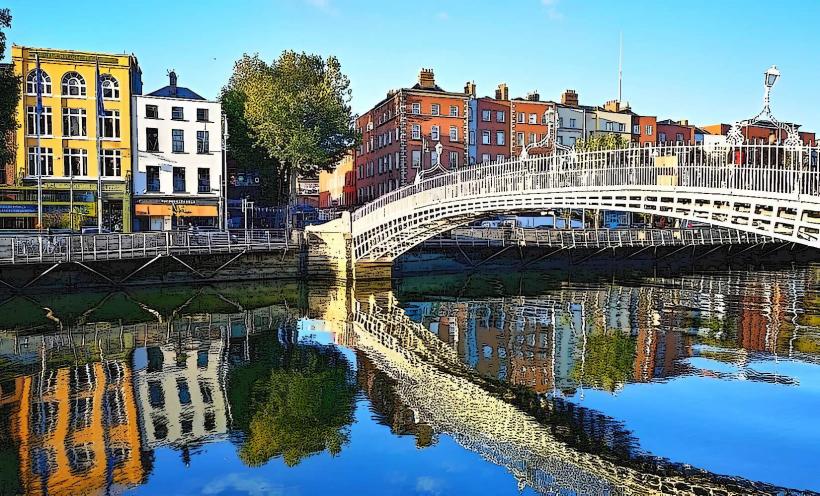
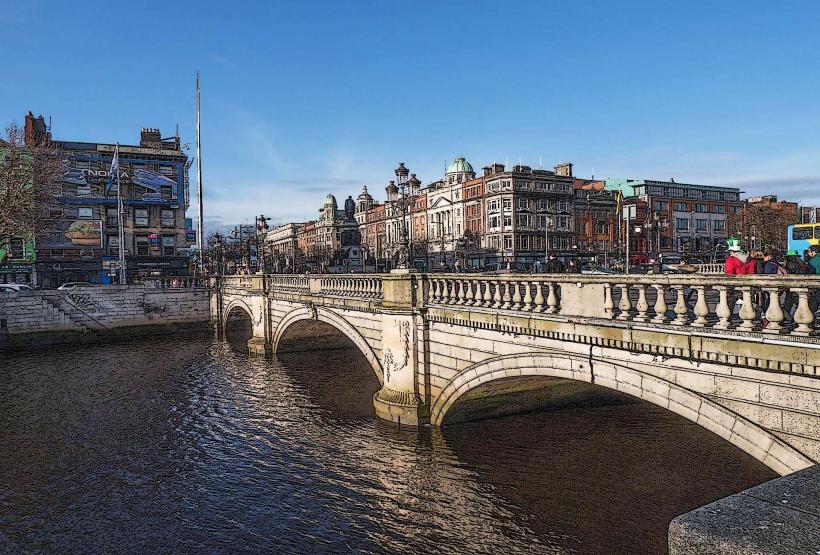
The city is divided by the River Liffey into the Northside and Southside, historically reflecting socio-economic divides.
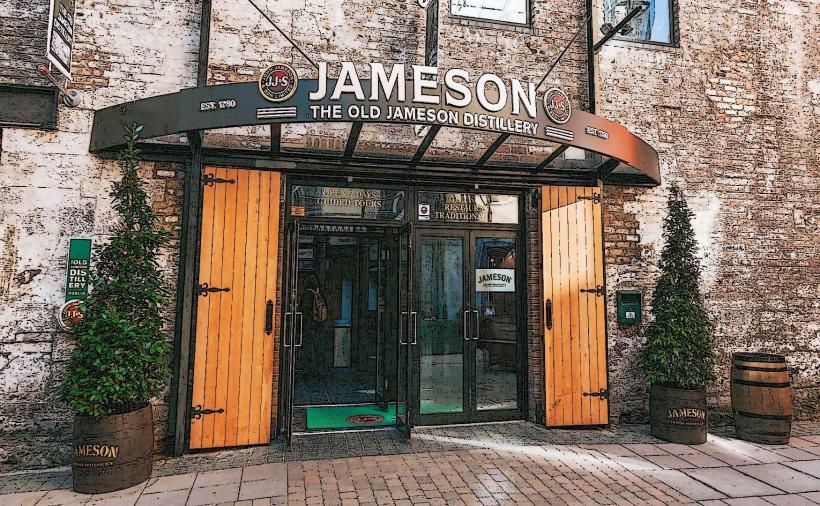
The Liberties: One of the oldest working-class districts, now a hub for distilling and digital industries.
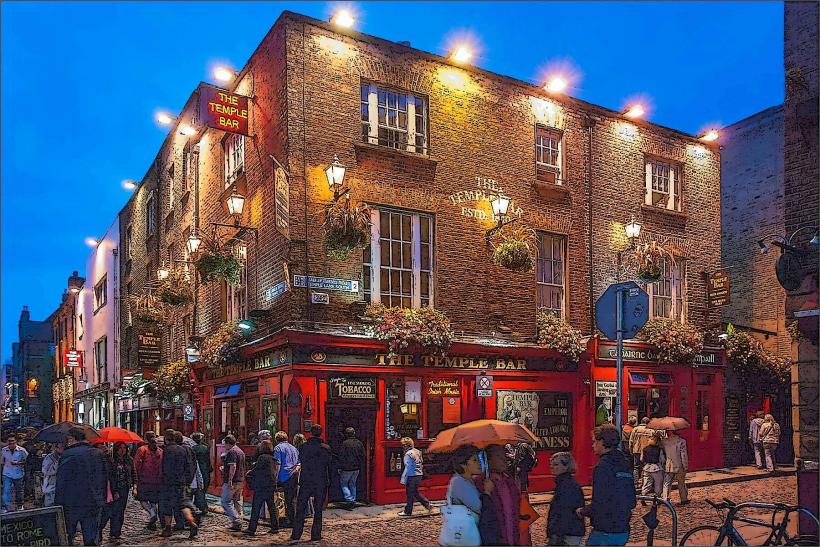
Temple Bar: The cultural and nightlife quarter, characterized by medieval street patterns.
Docklands (Silicon Docks): A modernized high-tech district housing the European headquarters of Google, Meta, and LinkedIn.
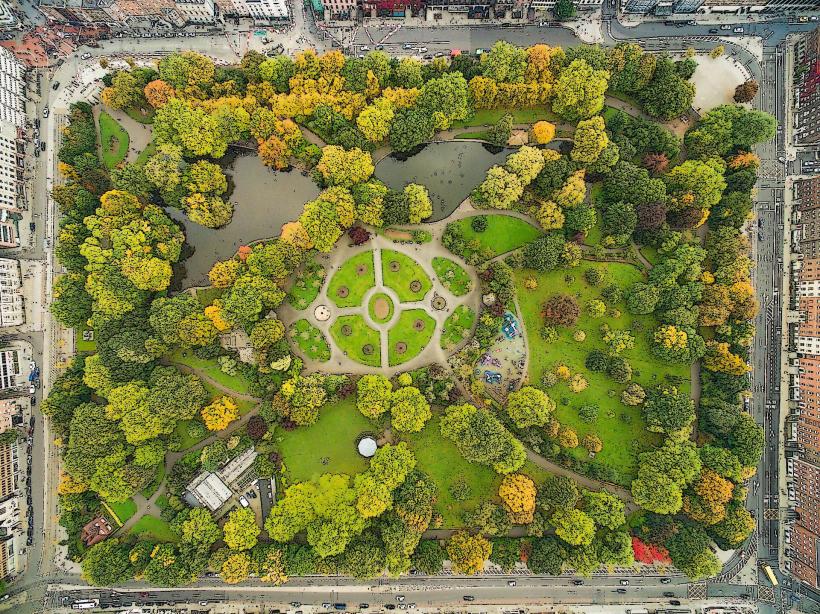
Georgian Dublin: Focused around St. Stephen’s Green, Merrion Square, and Fitzwilliam Square.
Stoneybatter: A northern residential district frequently cited as one of the world's most "cool" neighborhoods.
Top City Landmarks
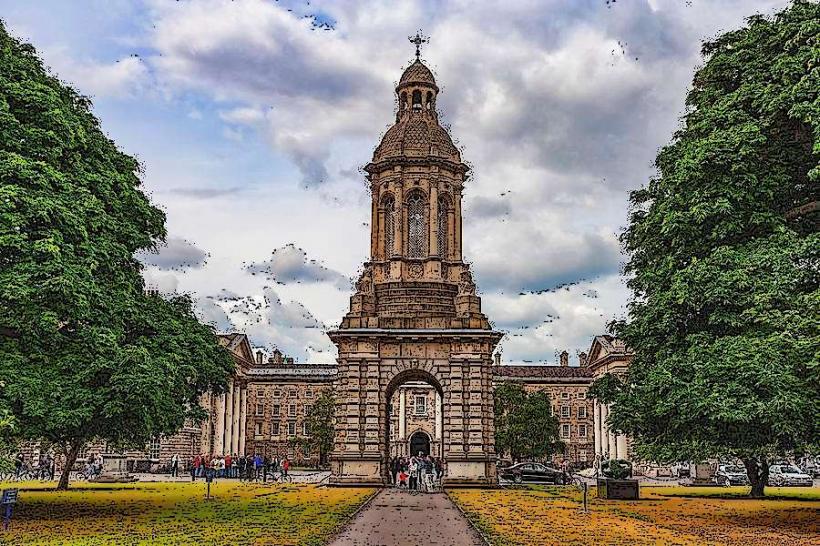
Trinity College & The Book of Kells: Ireland's oldest university, housing the 9th-century illuminated manuscript.
Guinness Storehouse: A converted fermentation plant at St. James's Gate detailing the history of Ireland’s most famous export.
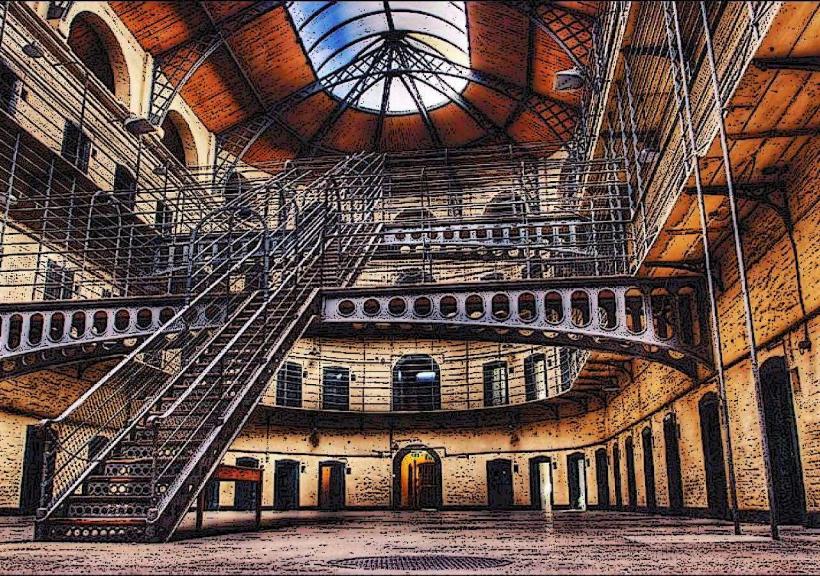
Kilmainham Gaol: A former prison turned museum, critical to understanding the history of Irish nationalism.
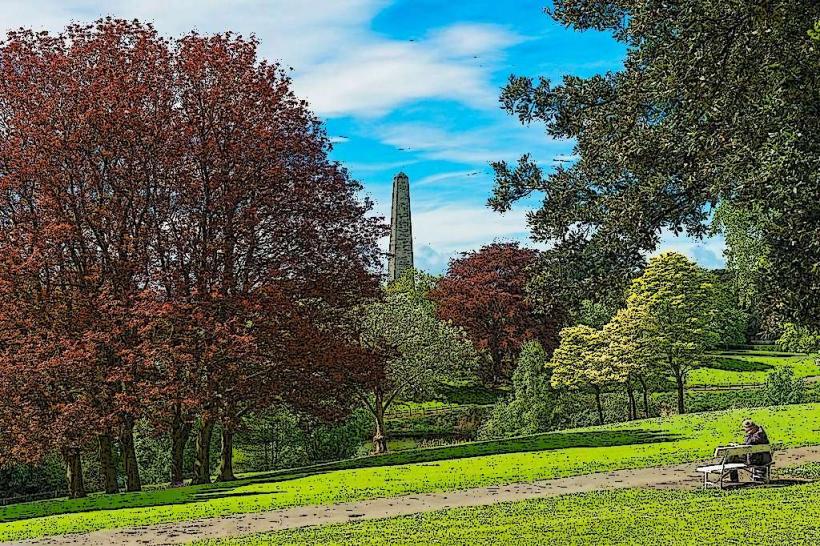
Phoenix Park: One of the largest enclosed public parks in a European capital, home to a herd of wild fallow deer.
Dublin Castle: The former seat of British rule in Ireland, now a major government complex and ceremonial site.
Transportation Network
Movement is facilitated by a multi-modal public network. The DART (Dublin Area Rapid Transit) serves the coast. The Luas (light rail) operates Green and Red lines. Dublin Bus provides comprehensive city-wide coverage. There is no underground metro. Ride-sharing (Uber, Bolt) is active, but Uber operates exclusively via licensed taxis. Traffic congestion in the city center is severe; the "Bus Gates" restrict private car access to several key arteries.
Safety & "Red Zones"
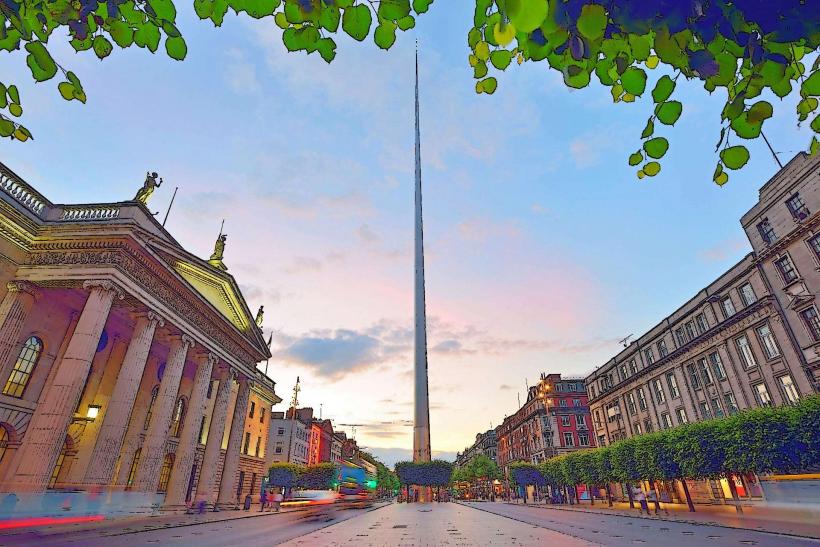
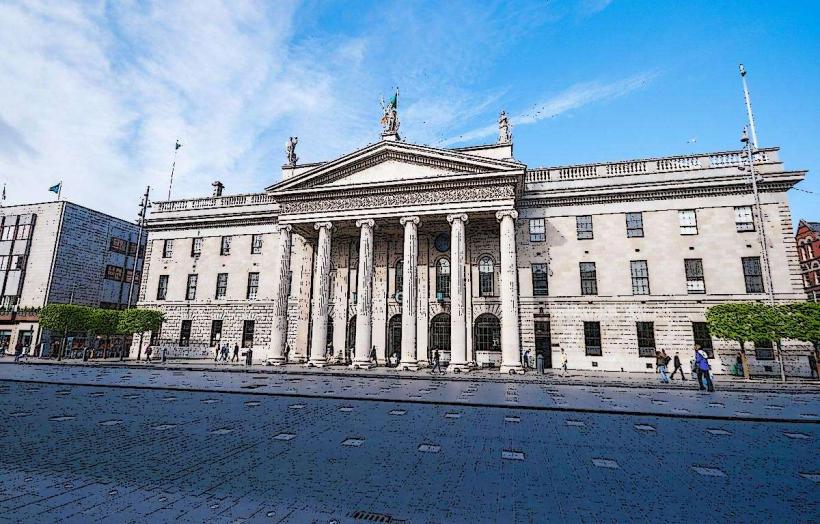
The general safety level is high. Crime is mostly opportunistic (theft/pickpocketing). Caution is advised in the northern inner-city areas (e.g., portions of Dublin 1 around O'Connell Street and Sherrard Street) late at night. Avoid poorly lit areas along the boardwalks of the Liffey after midnight.
Digital & Financial Infrastructure
Internet speeds are excellent, with widespread fiber-to-the-home and 5G coverage. Dublin is a "cashless-friendly" city; contactless payment (Visa, Mastercard, Apple/Google Pay) is standard in nearly all establishments. ATMs are ubiquitous.
Climate & Air Quality
Dublin has a maritime temperate climate. Daytime temperatures range from 8°C in January to 20°C in July. Extreme weather is rare, though "soft rain" (light drizzle) is frequent. Air quality is generally high, though localized nitrogen dioxide levels can spike in heavy traffic zones.
Culture & Social Norms
The "pub" is the primary social unit, serving as a community center rather than just a drinking establishment. Tipping is customary in restaurants (10–12.5% for good service) but not required in pubs unless ordering food. Irish social interactions often rely on "the craic" (social fun/conversation) and a self-deprecating sense of humor.
Accommodation Zones
Dublin 2 (South City Center): Recommended for proximity to main landmarks, high-end dining, and the Luas Green Line.
Dublin 4 (Ballsbridge/Donnybrook): Recommended for upscale, quiet residential stays and embassy access.
Portobello: Recommended for a local "hipster" vibe and independent cafes.
Local Cost Index
1 Espresso: €3.20 ($3.50 USD)
1 Pint of Guinness: €6.00–€8.50 ($6.50–$9.20 USD) (Highly variable by district)
1 Standard Lunch: €15.00–€20.00 ($16.30–$21.75 USD)
Nearby Day Trips
Howth: A fishing village 25 minutes north via DART, famous for its cliff walk.
Glendalough (Wicklow Mountains): A 6th-century monastic site 1 hour south.
Dún Laoghaire: A coastal town featuring a massive Victorian pier, 20 minutes south via DART.
Newgrange (Brú na Bóinne): A prehistoric passage tomb older than Stonehenge, 45 minutes north.
Facts & Legends
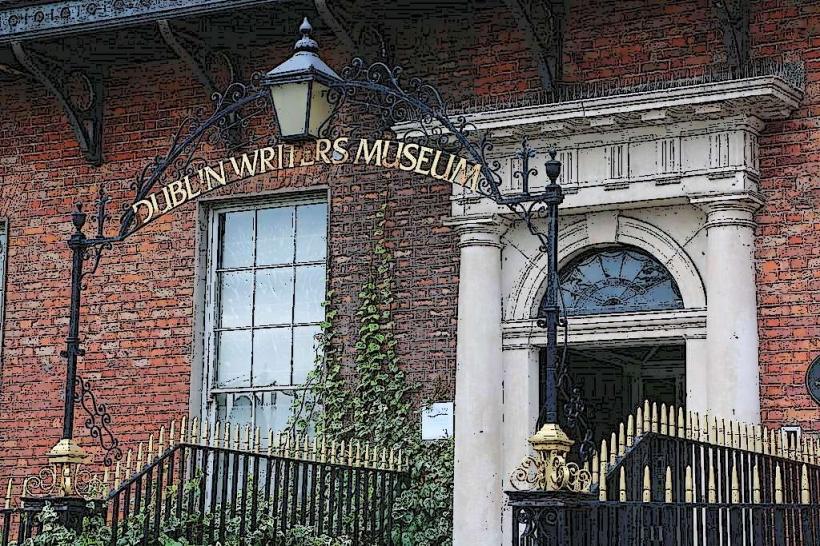
Dublin is the birthplace of writers James Joyce, Oscar Wilde, and Samuel Beckett. A verified historical fact is that the city was once the "Second City of the British Empire." A local legend persists regarding "The Black Church" (St. Mary's Chapel of Ease), where it is said that if you run around it three times backwards at midnight, the devil will appear.